
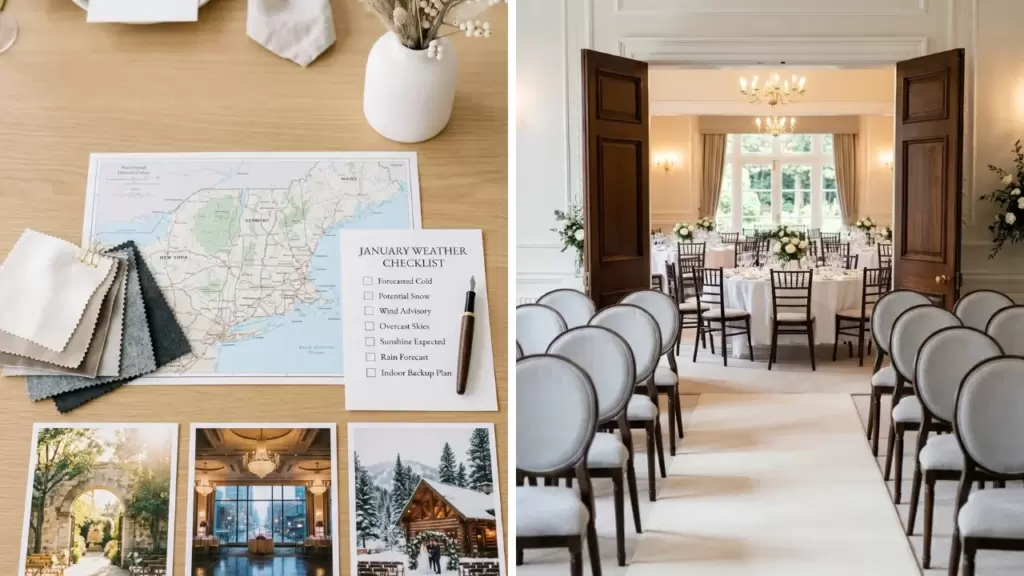
A January wedding is not one look. It can be a candlelit city dinner, a sunny desert ceremony, a greenhouse brunch, or a snowy lodge weekend. The month is most useful as a planning condition: shorter daylight, changing weather, indoor guest flow, and an opportunity to make every detail feel intentional.
These 70 ideas cover the decisions that make a January celebration work, from transportation and portrait timing to flowers, menus, attire, signage, and indoor entertainment. Use the ideas that suit your actual location and venue rather than importing snow, Christmas décor, or rustic styling where it does not belong.
Start here Ask the venue for its January floor plan, evening lighting setup, weather procedures, holiday-decoration schedule, and indoor portrait options before choosing a palette or ordering décor.
Plan for January Realities
1. Let Your Location Define January
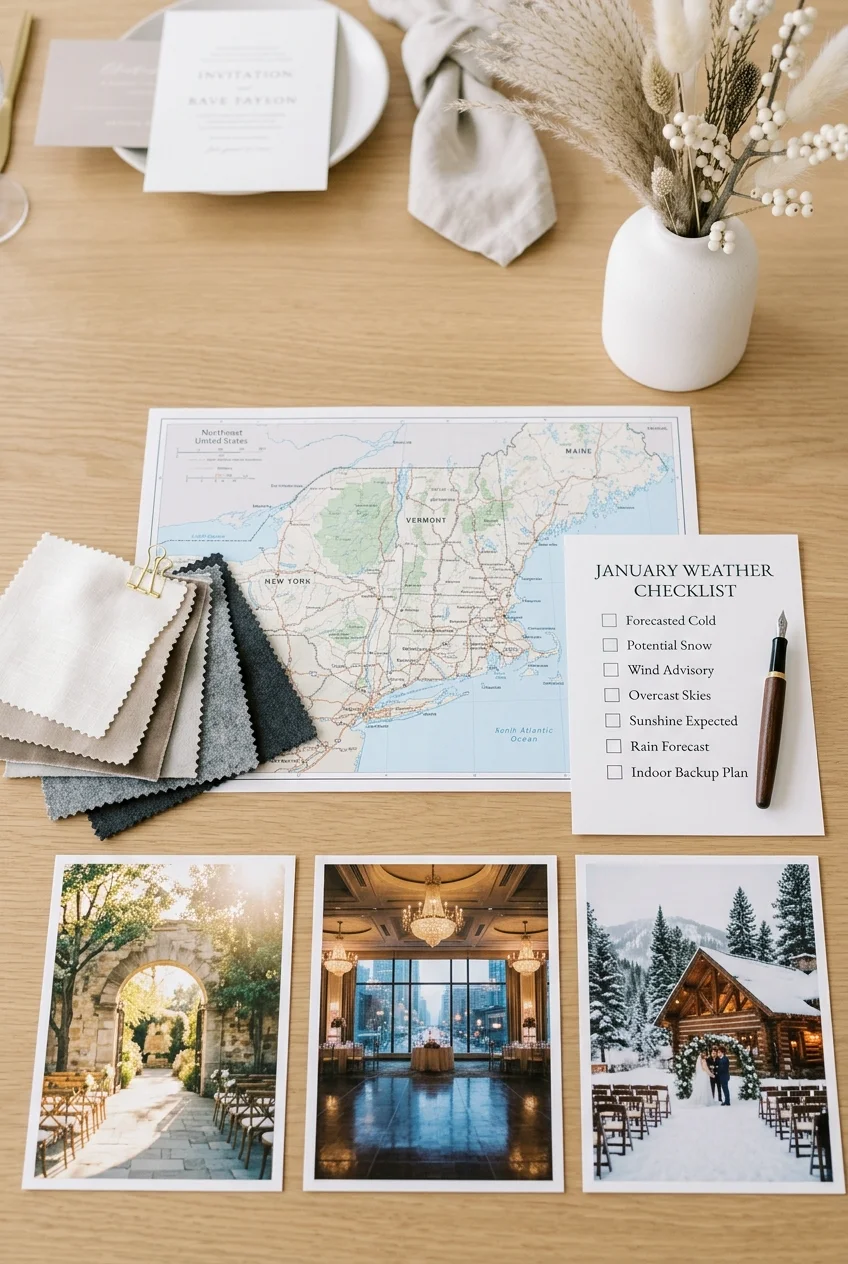
Build the plan from local climate records and your venue’s actual exposures. A Phoenix courtyard, a Seattle hotel, and a Vermont lodge need different rain, temperature, daylight, and transportation backups even though all three weddings share the same month.
2. Choose a Venue With a Complete Indoor Plan
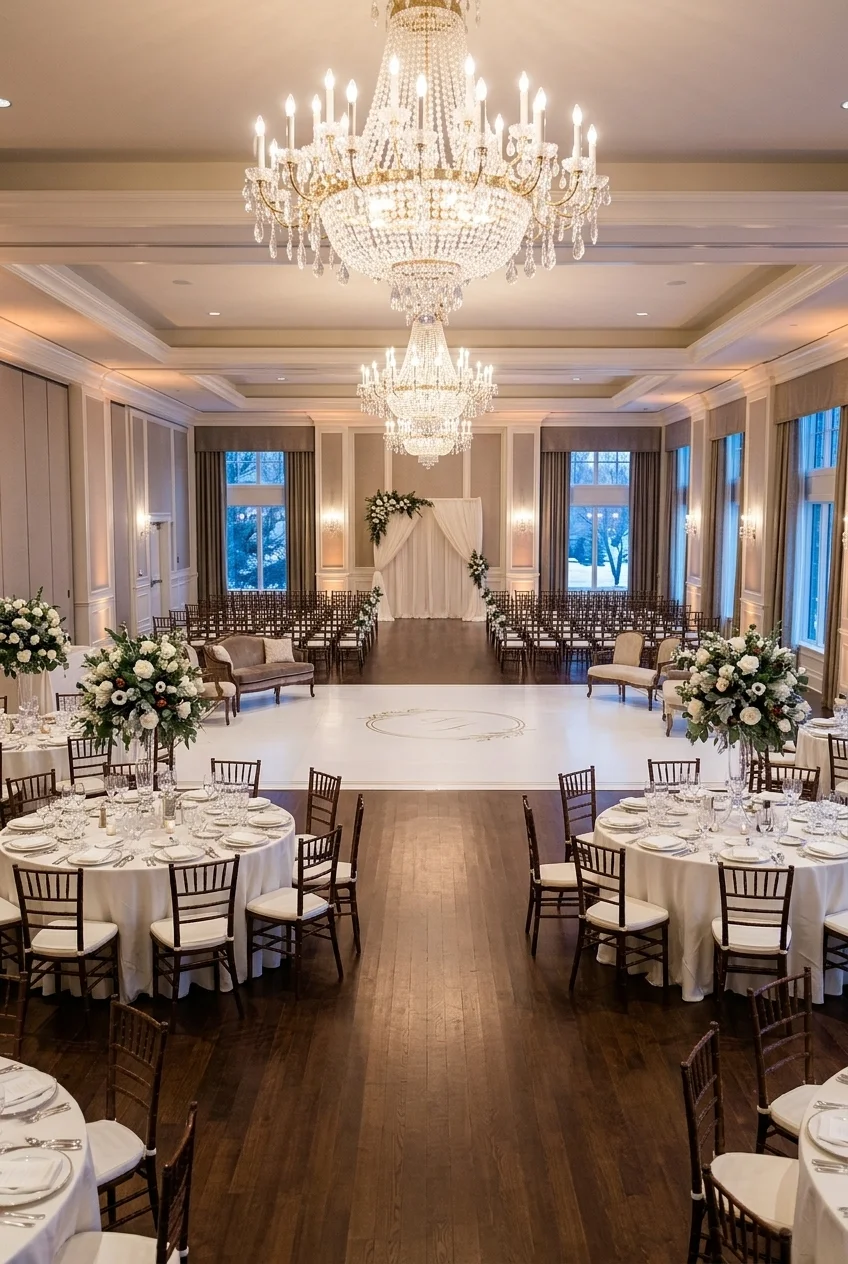
An indoor backup should feel like a real wedding space, not overflow storage. Confirm that it can hold the ceremony, cocktail hour, dinner, and dancing with workable guest flow if every outdoor element moves inside.
3. Keep the Celebration at One Address
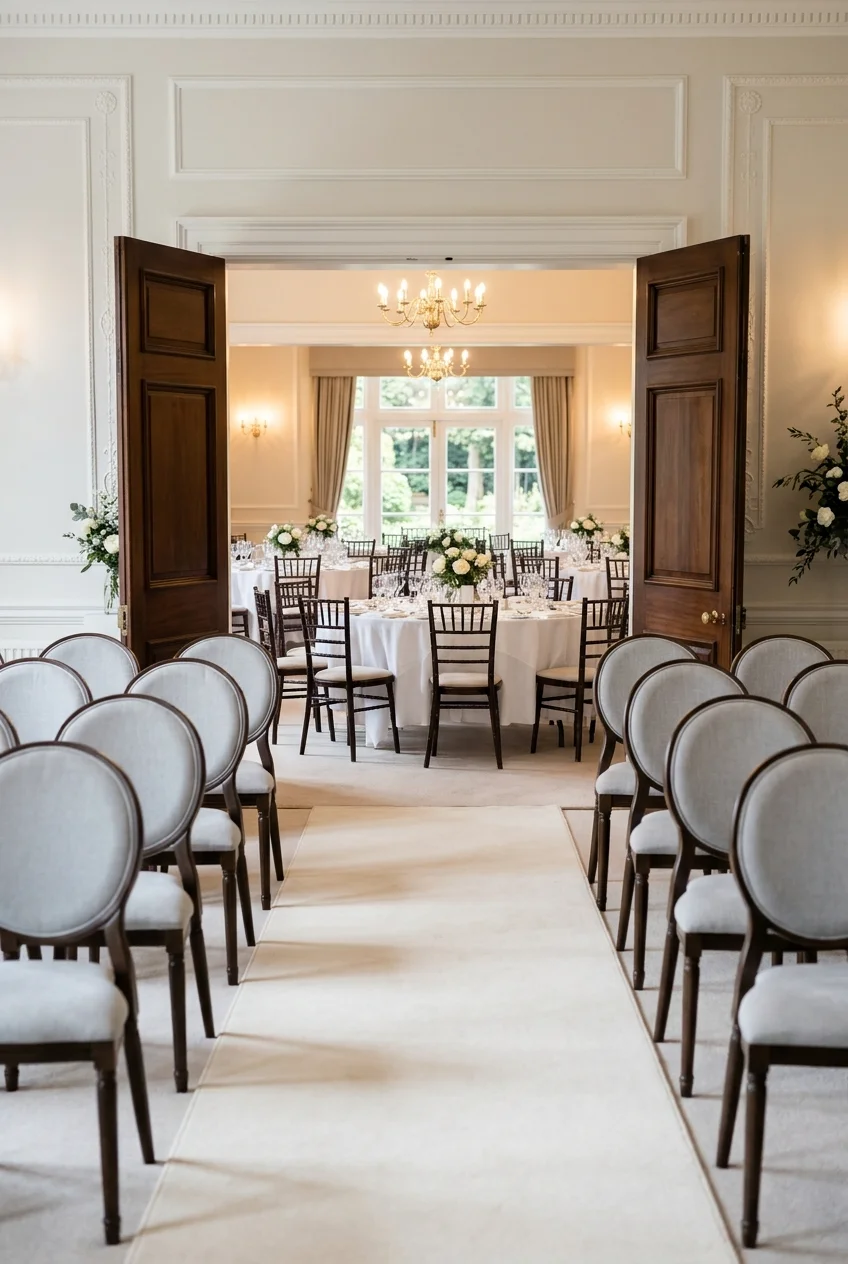
Holding the ceremony and reception at the same venue removes a weather-sensitive trip for guests. Use separate rooms, a room flip, or clearly divided zones so the evening still has a sense of progression.
4. Ask When Holiday Décor Comes Down
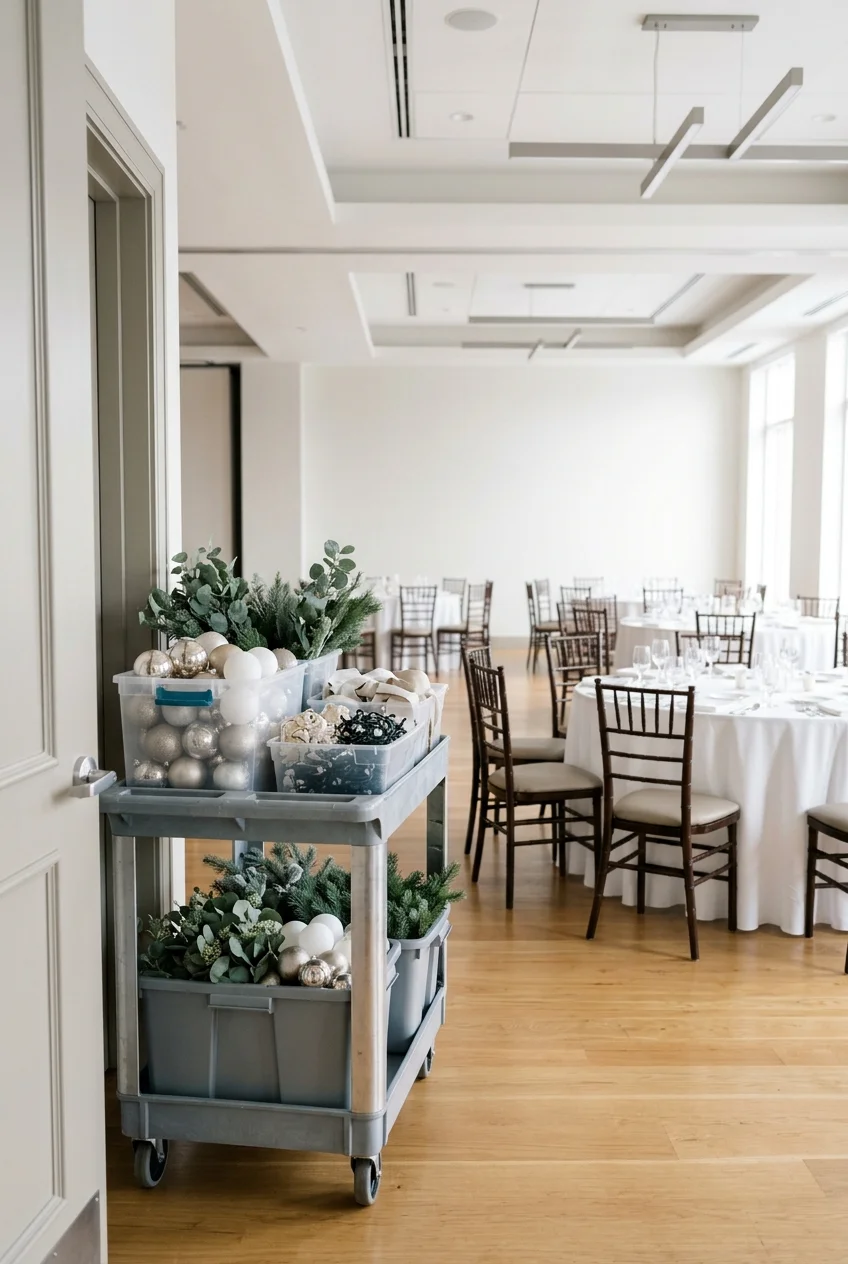
January dates can overlap with venue decorations you did not choose. Ask what remains, when removal happens, and whether large trees, garlands, lights, or branded installations affect your floor plan, palette, setup time, or photography.
5. Set Weather Decision Points in Advance
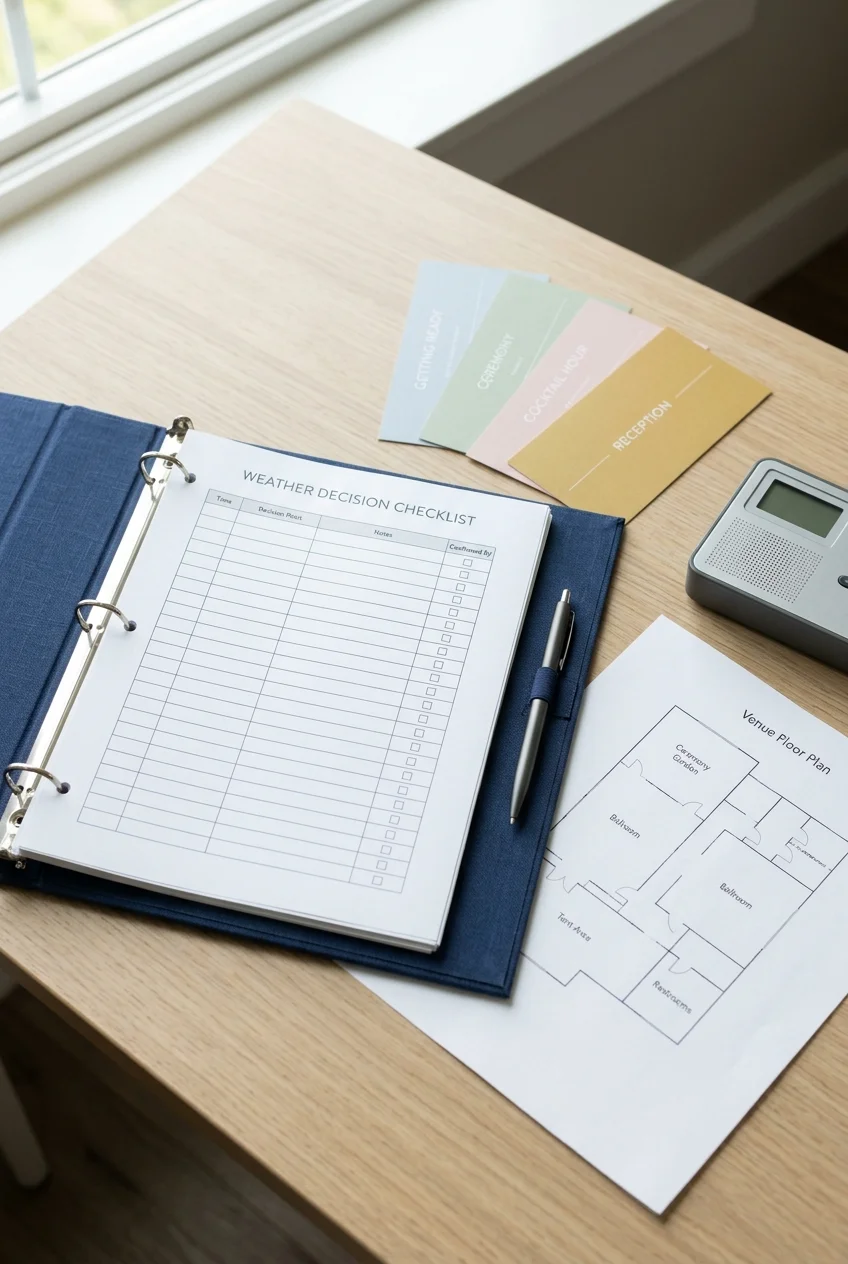
Agree with the venue and planner on who makes the call to move events, adjust transportation, or shorten outdoor time. Put the decision windows and communication chain in the timeline so the choice is not improvised on the wedding morning.
6. Book Rooms Close to the Venue
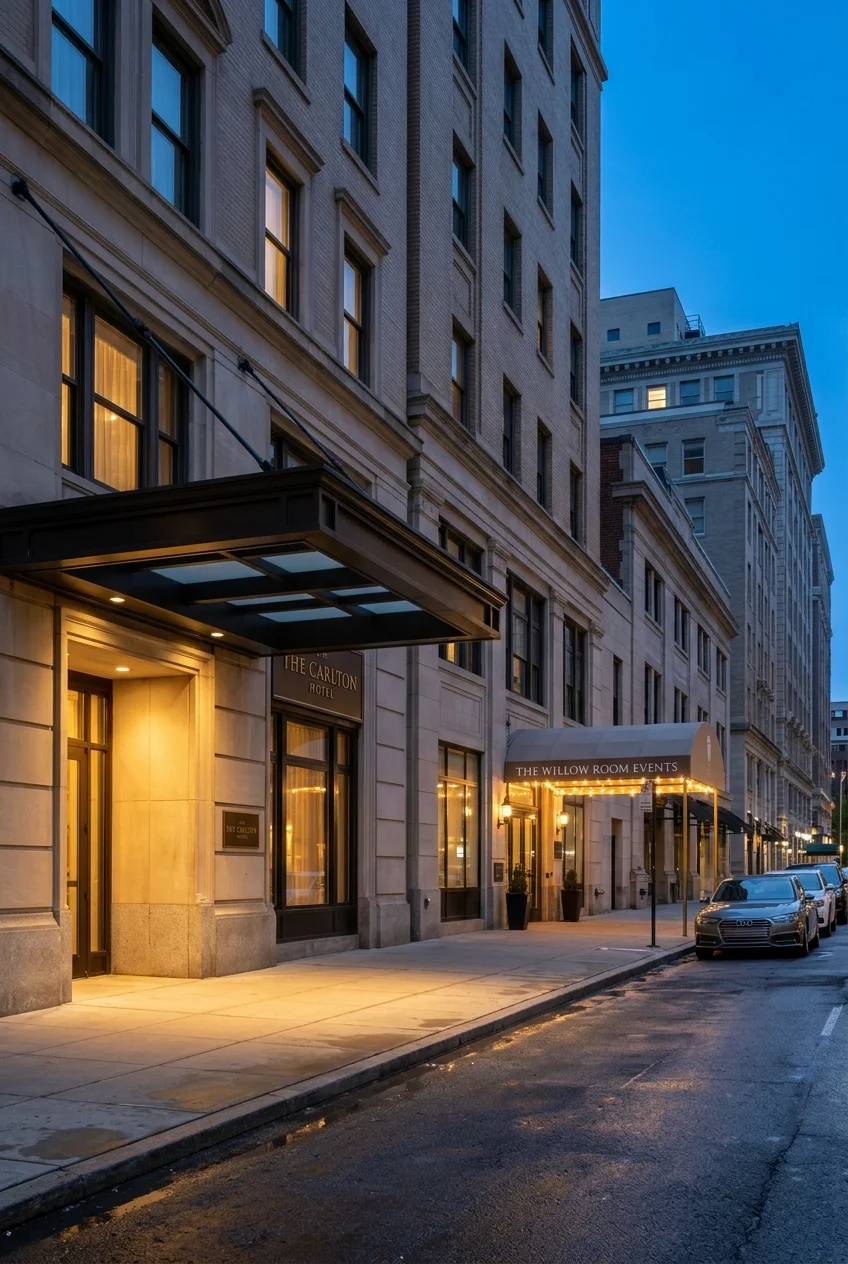
A nearby hotel block reduces late-night driving and makes last-minute timing changes easier to communicate. Compare the actual route, covered pickup options, and accessible rooms rather than choosing only by the lowest room rate.
7. Use Door-to-Door Transportation Where Weather Warrants It
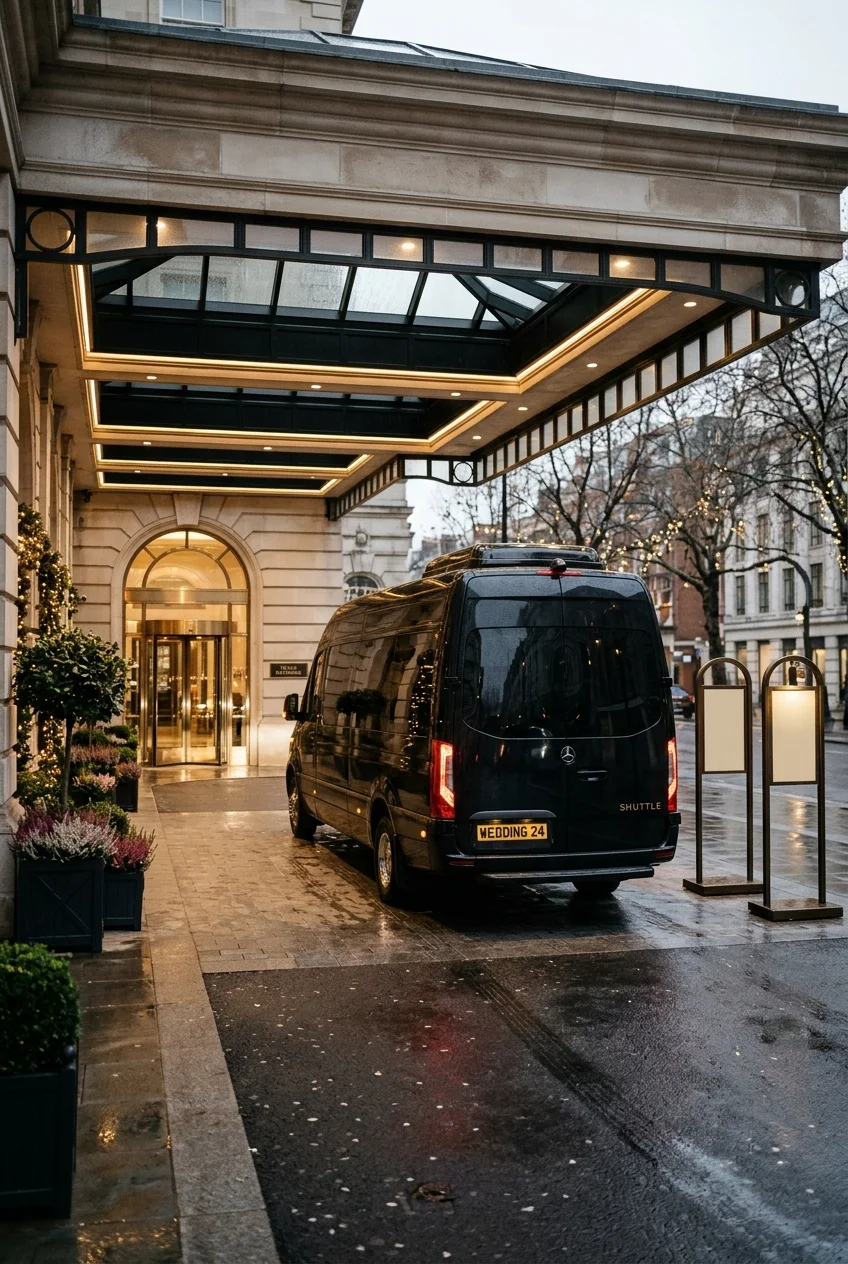
In places where ice, heavy rain, or snow is plausible, a shuttle can simplify the highest-risk trip. Plan pickups at sheltered entrances, allow for slower loading, and give guests one contact for transportation changes.
8. Add Breathing Room to Every Transfer
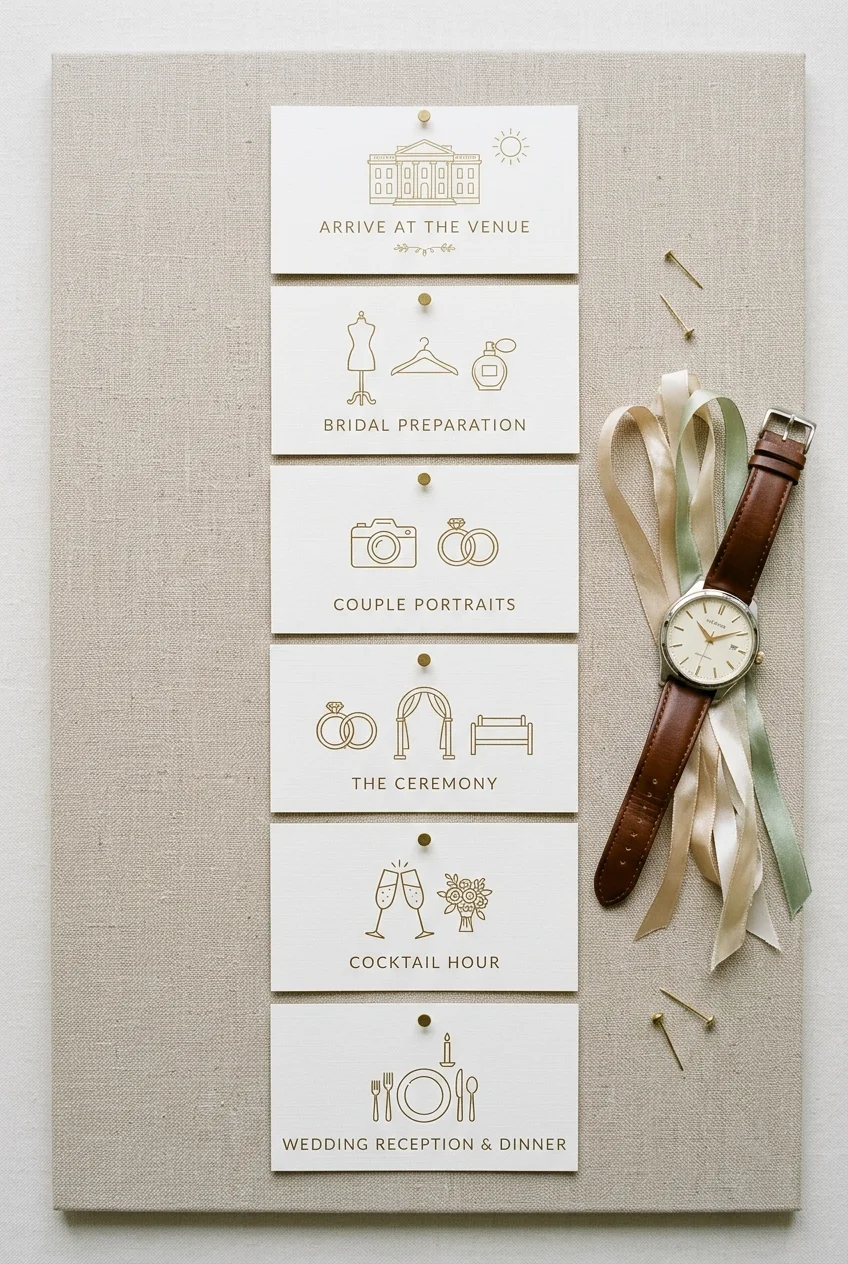
Winter travel can make a tight timeline unravel. Add buffer before the ceremony, between photo locations, and before vendor load-in, then protect the few moments that matter most instead of filling every gap with another activity.
9. Plan a Real Coat Check
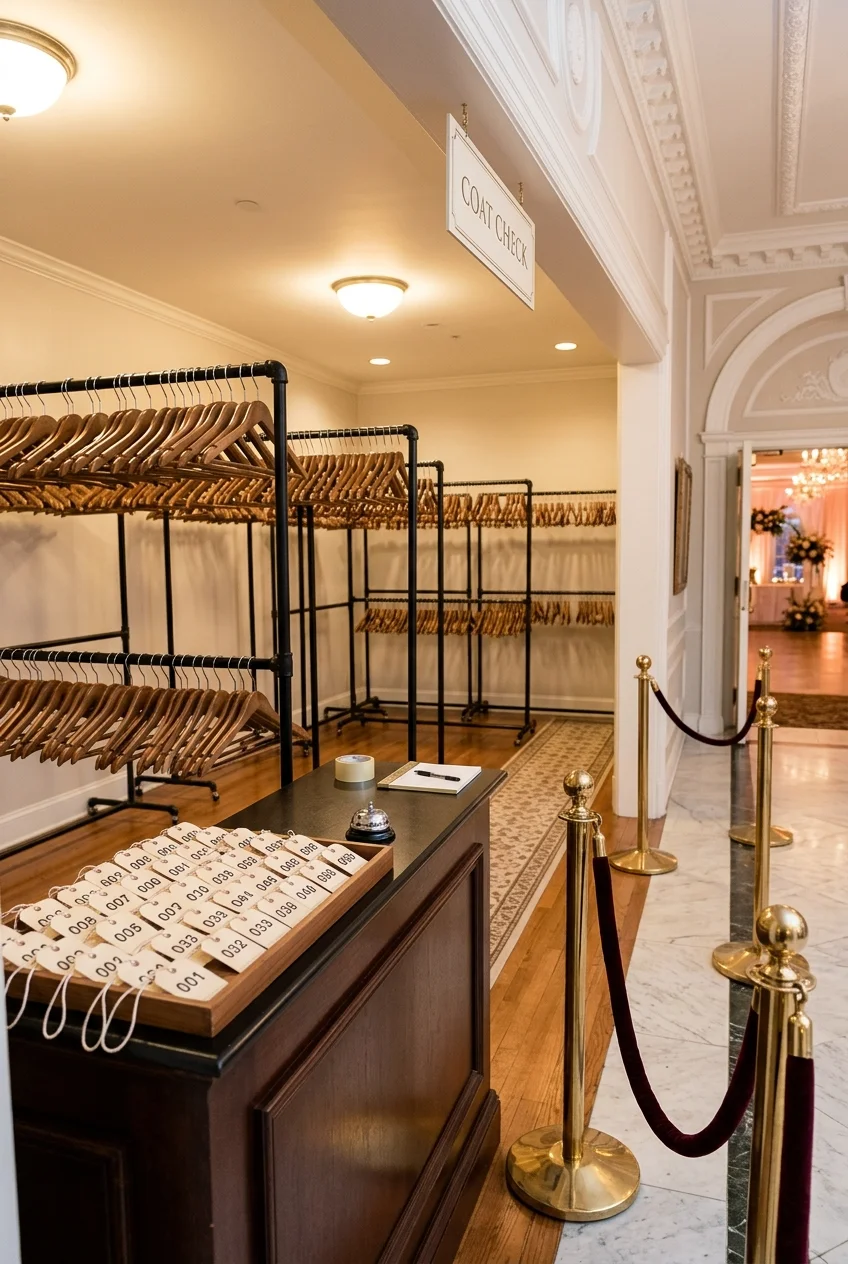
A rack in the lobby is not enough when nearly every guest arrives with outerwear. Estimate hanger capacity, create a staffed handoff point, and keep the return path away from the bar and exit bottlenecks.
10. Create a Dry, Safe Arrival Zone
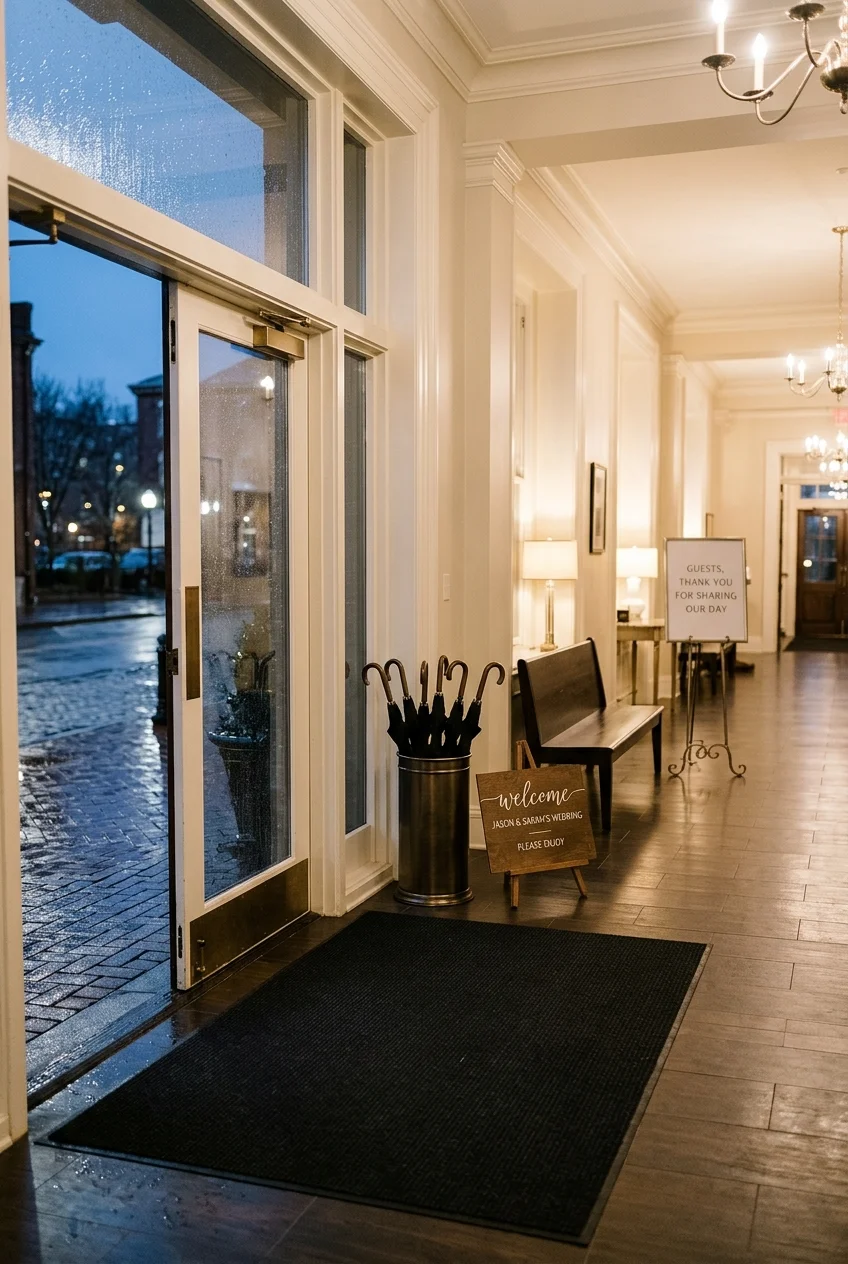
The entrance is a functional part of the design. Ask the venue to manage wet floors and exterior paths, then provide a generous mat, umbrella stand, bench, and clear route from the door to coat check without crowding the welcome display.
Use Light and Time Well
11. Tour the Venue After Sunset
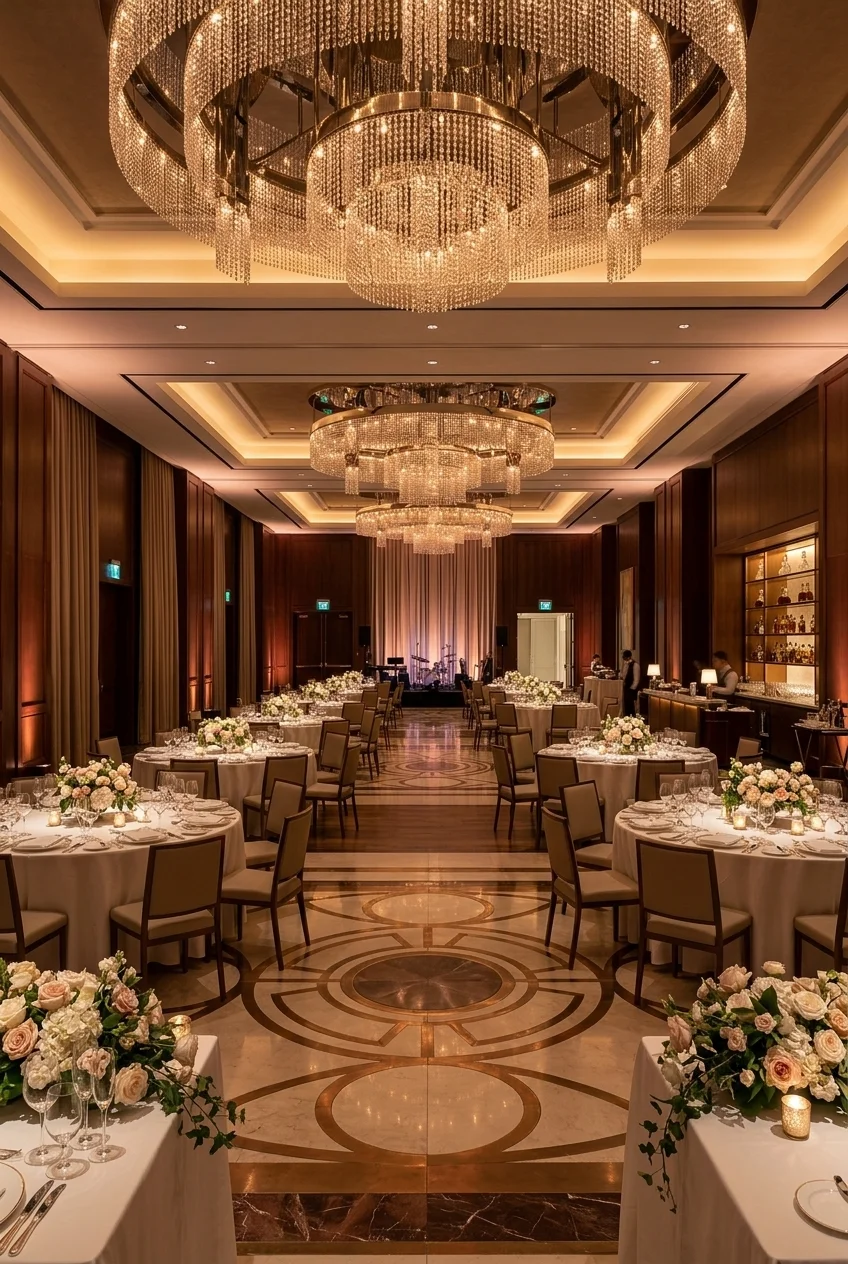
A daytime walkthrough will not reveal dim corridors, harsh ceiling light, or dark parking approaches. Visit at the hour your reception will happen and note where ambient light, task light, and wayfinding need reinforcement.
12. Check Temperature Zone by Zone
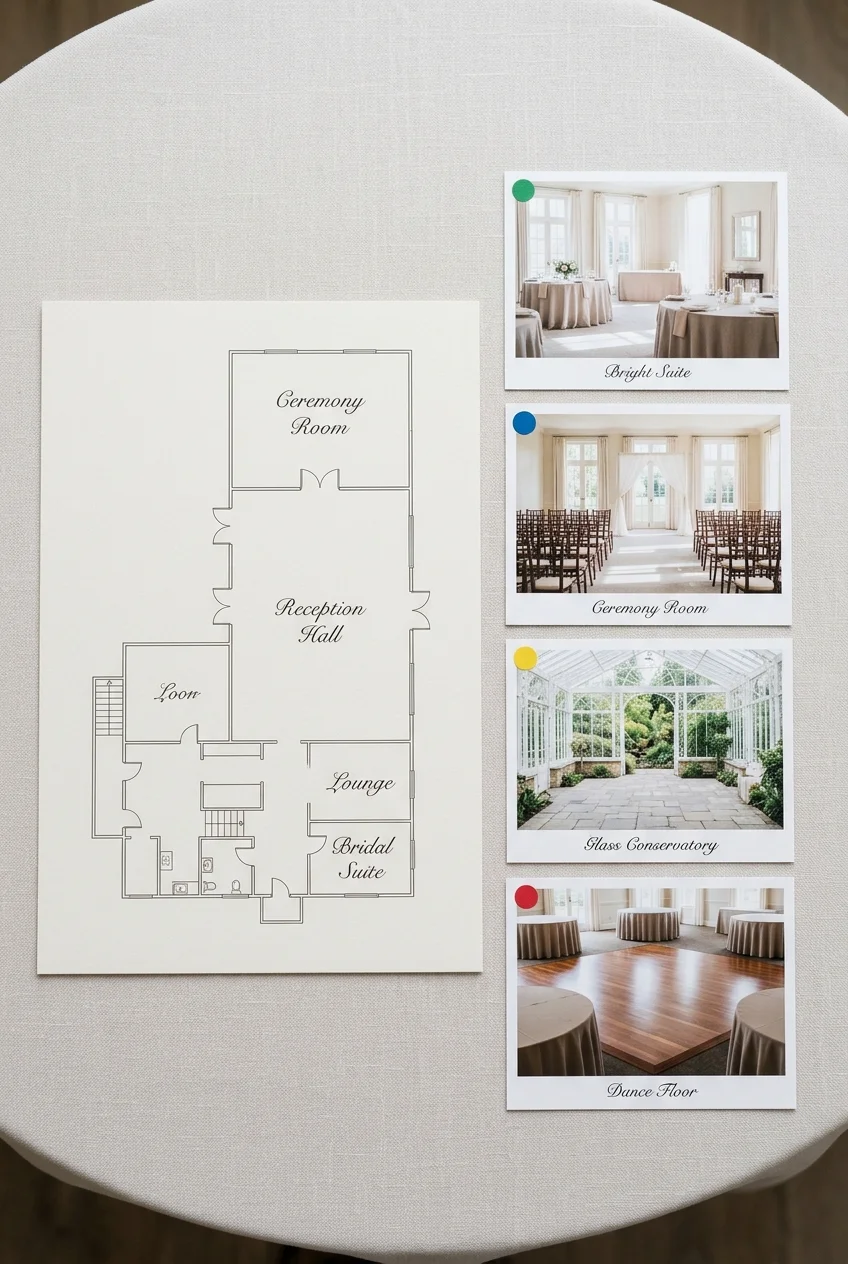
The getting-ready suite, ceremony room, conservatory, lobby, and dance floor can feel very different. Ask staff how each area is conditioned when full, and keep vulnerable guests away from drafty doors or direct heat.
13. Reserve One Strong Indoor Portrait Location
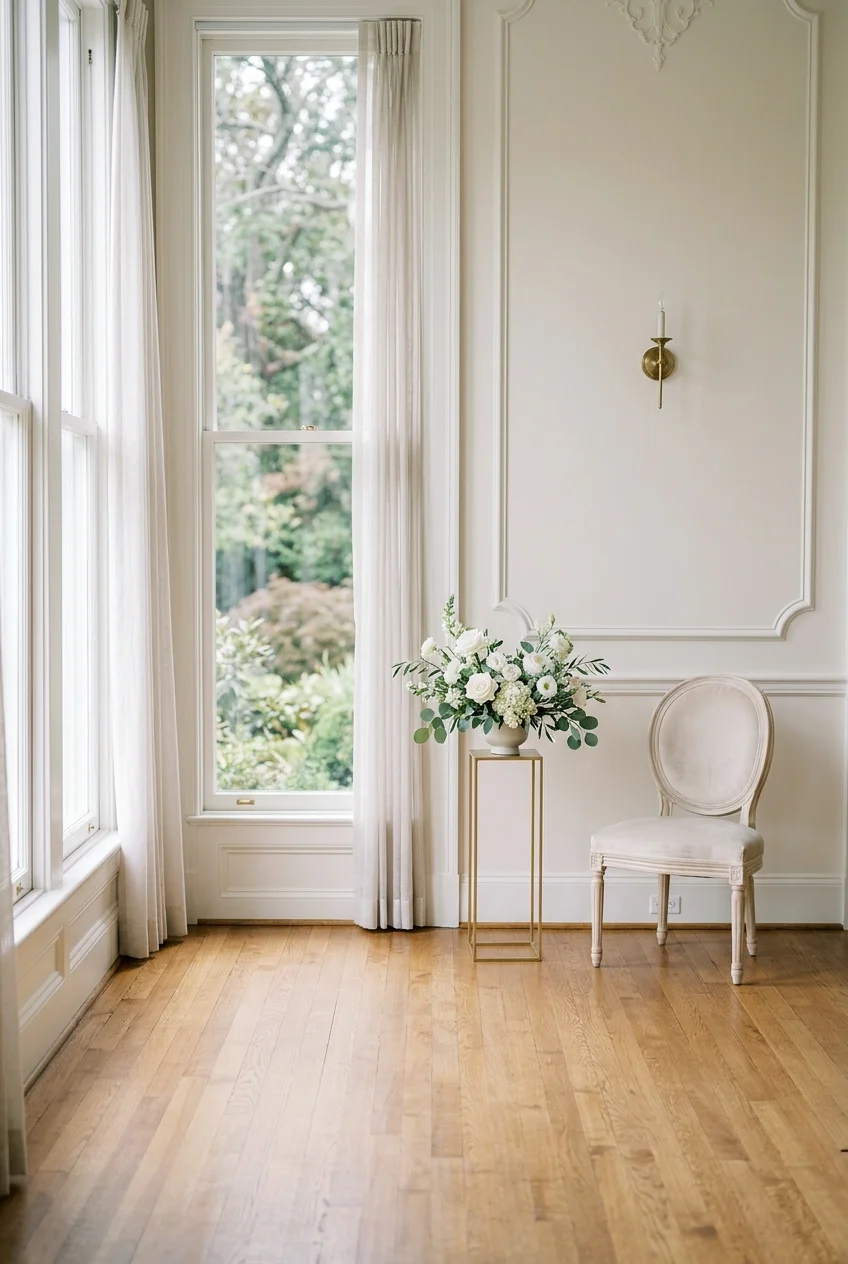
Choose an indoor spot with flattering window light or a clean architectural background before weather becomes a concern. Confirm access, furniture movement, and whether another event could occupy it at portrait time.
14. Schedule the First Look Before Daylight Fades
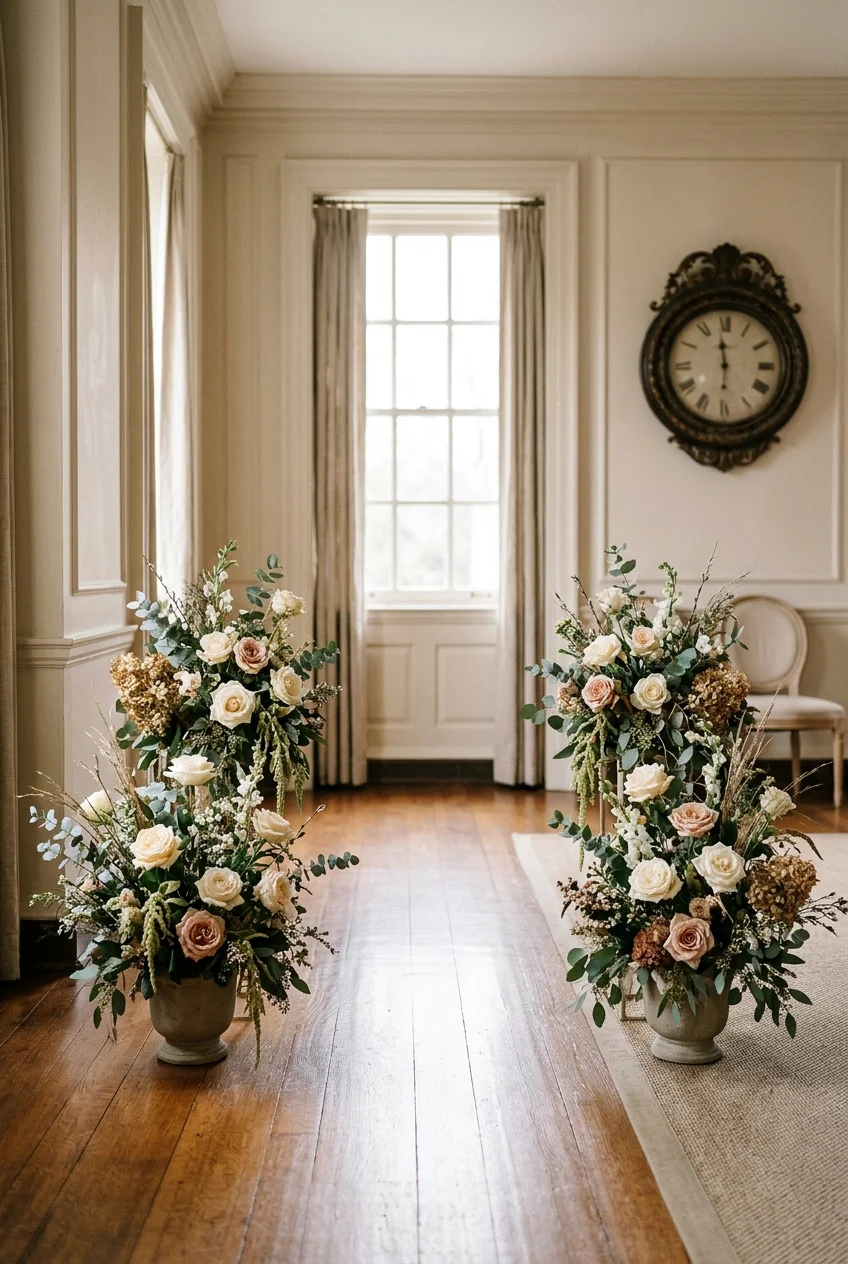
A first look can free the photographer to finish couple and wedding-party portraits while natural light is available. If you prefer to meet at the aisle, reserve a larger post-ceremony indoor portrait window instead.
15. Front-Load Family and Wedding-Party Portraits
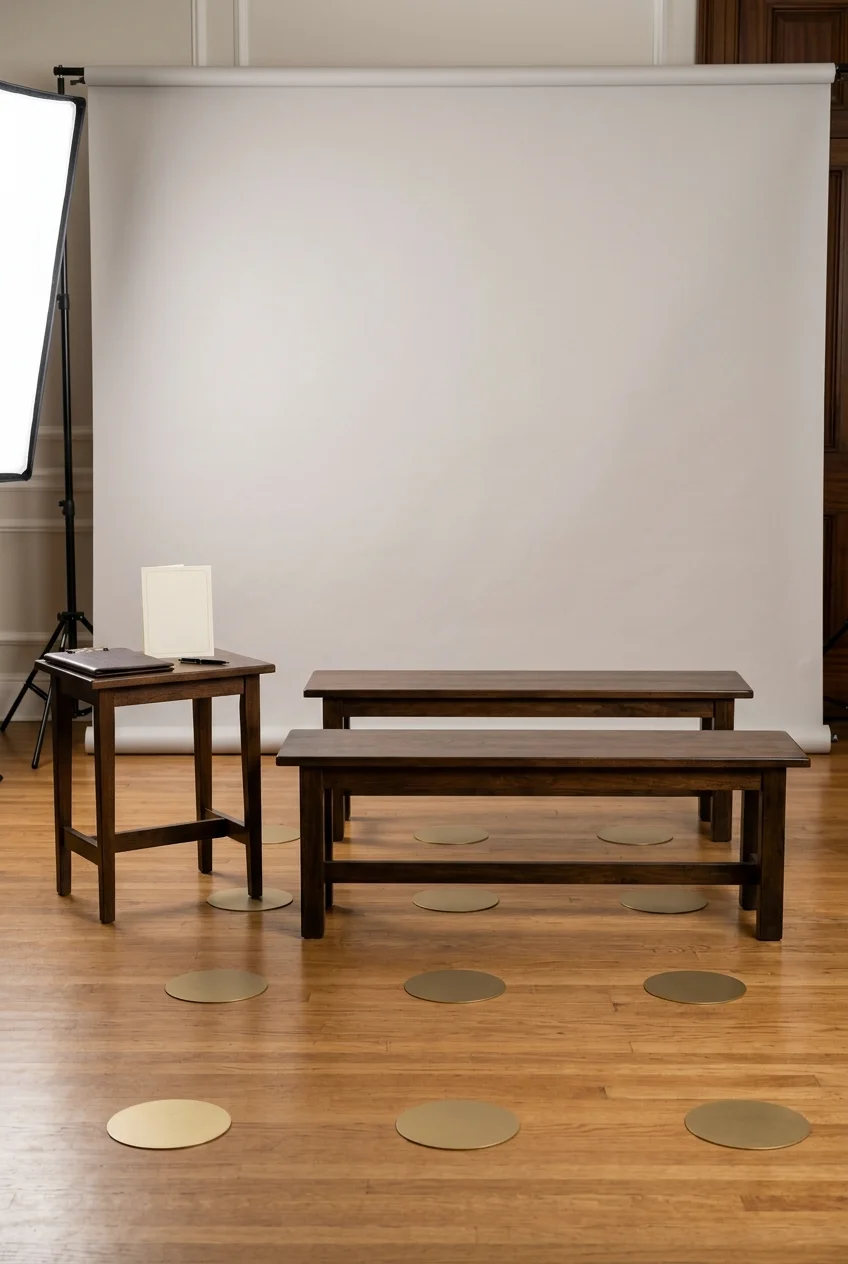
Create a short, prioritized group list and photograph as many combinations as possible before the ceremony. That protects cocktail hour from running long and prevents older relatives or children from waiting in outdoor conditions.
16. Plan a Brief Blue-Hour Portrait Window
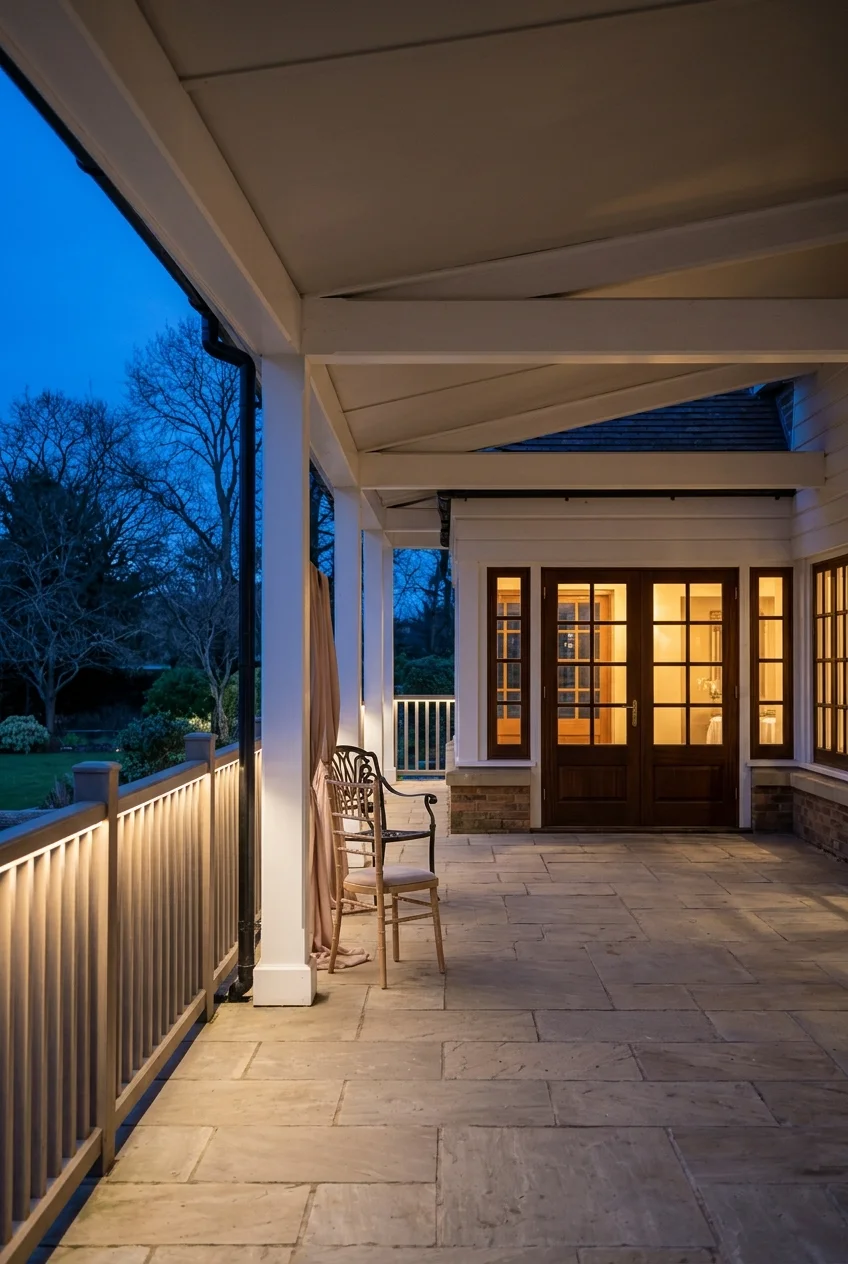
The cool light just after sunset can give January portraits a distinct mood without requiring a long outdoor session. Choose a spot steps from a heated interior and keep the shot list intentionally short.
17. Start Earlier When Daylight Is a Priority
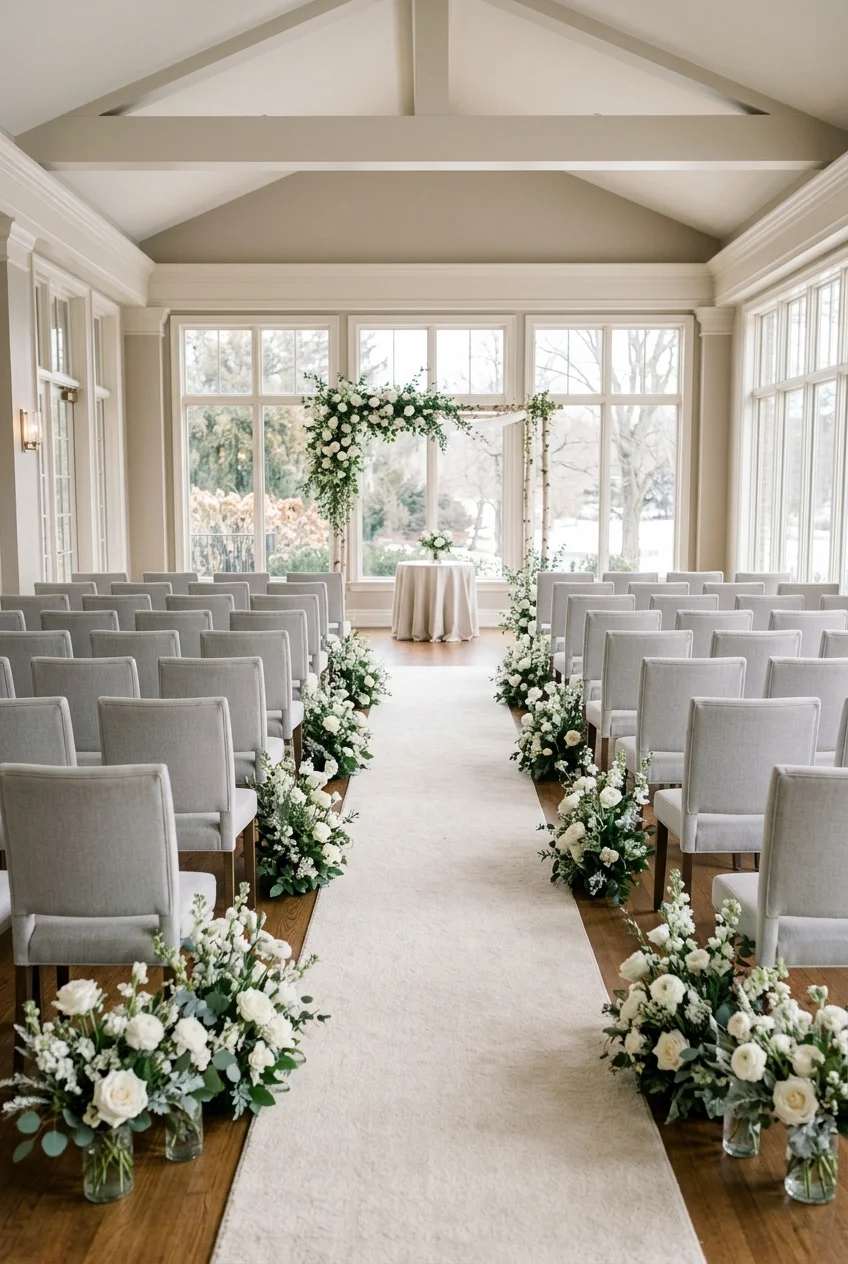
A late-morning or early-afternoon ceremony can preserve natural light for portraits and reduce night driving. It also supports brunch, lunch, or an early dinner, so the shift can reshape the whole event rather than merely moving the clock.
18. Keep Outdoor Ceremony Time Focused
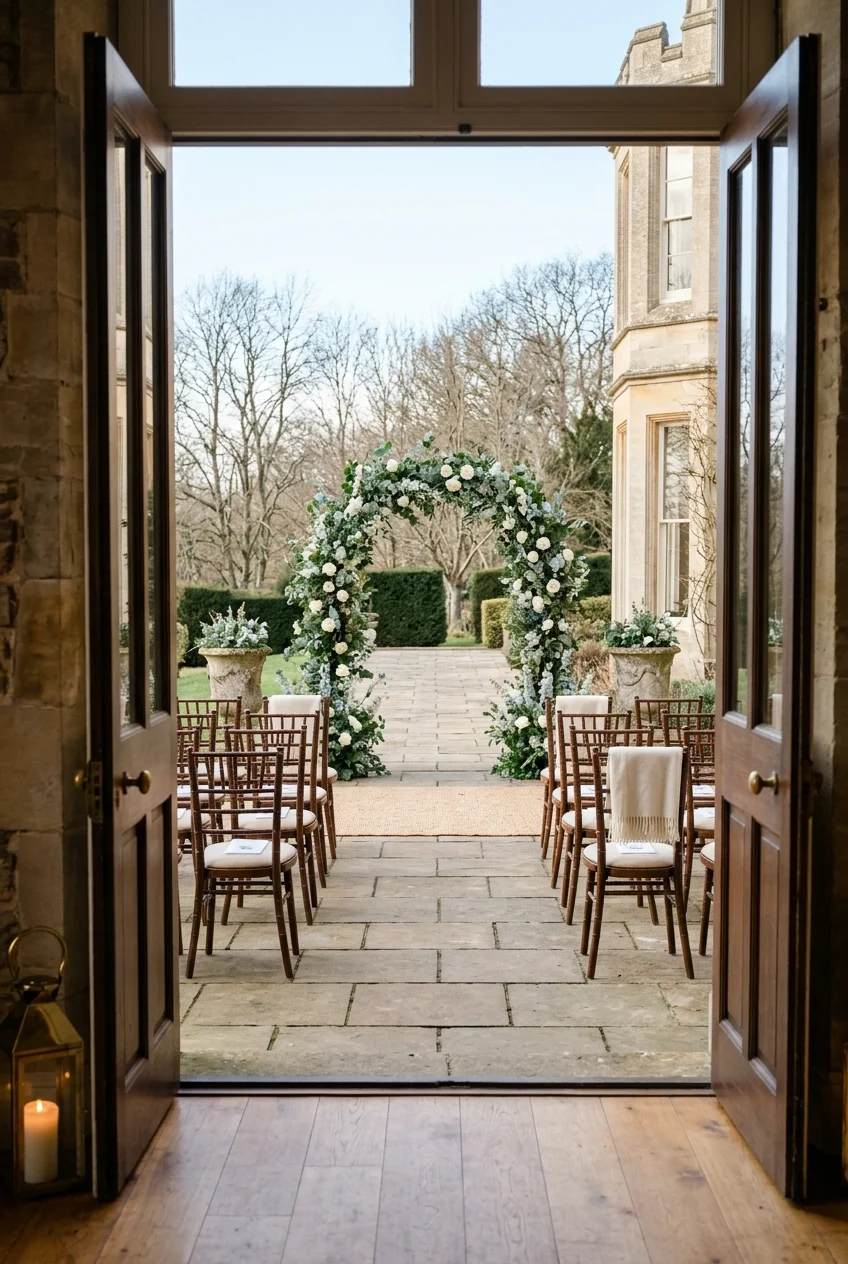
If the setting matters and conditions are comfortable, keep the vows outside but move greetings, programs, and lingering photos indoors. Tell guests exactly how long they will be exposed and have the indoor room ready, not theoretical.
19. Layer Light Instead of Over-Brightening the Room
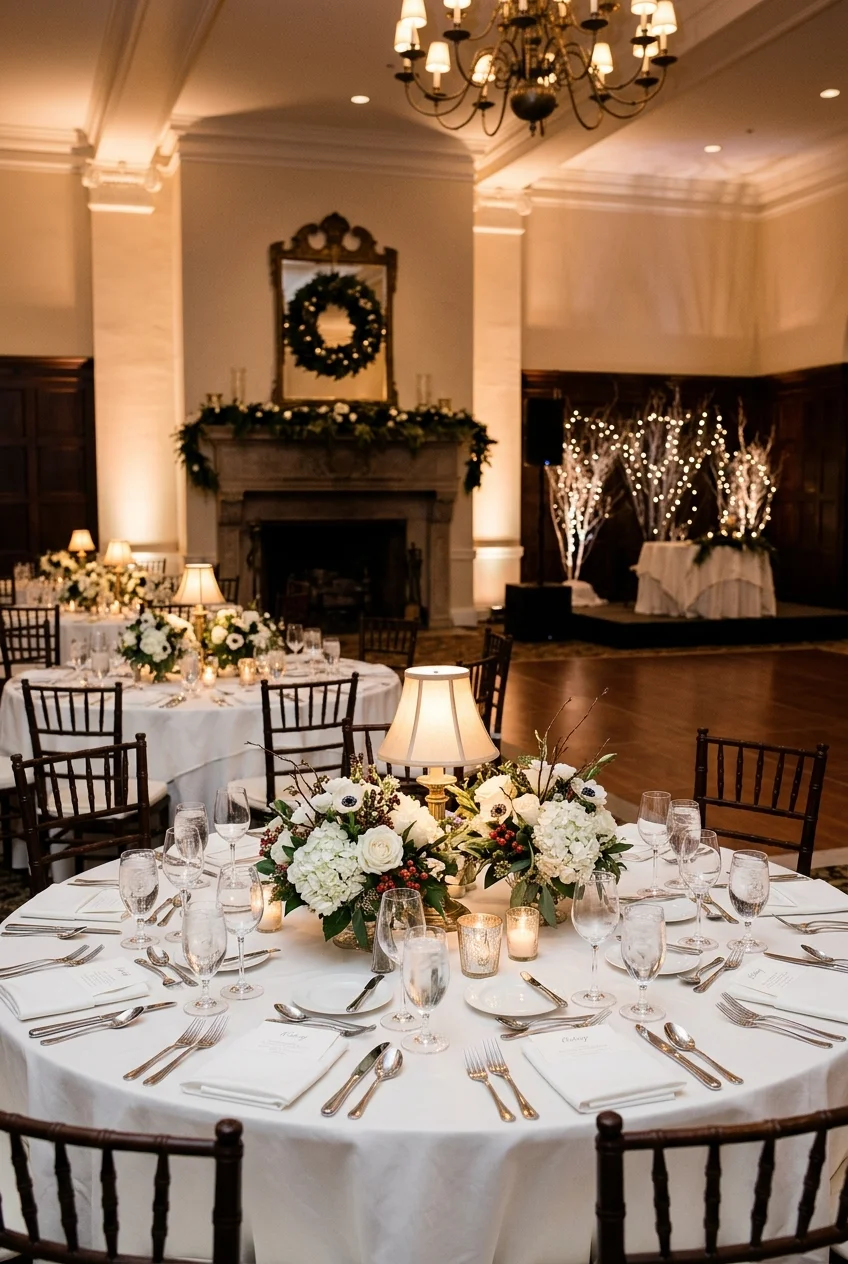
Combine flattering room light with table lamps, pin spots, and soft architectural washes. Keep dining surfaces readable and pathways visible while allowing the dance floor and ceiling to feel more dramatic.
20. Map a Fully Indoor Photo Route
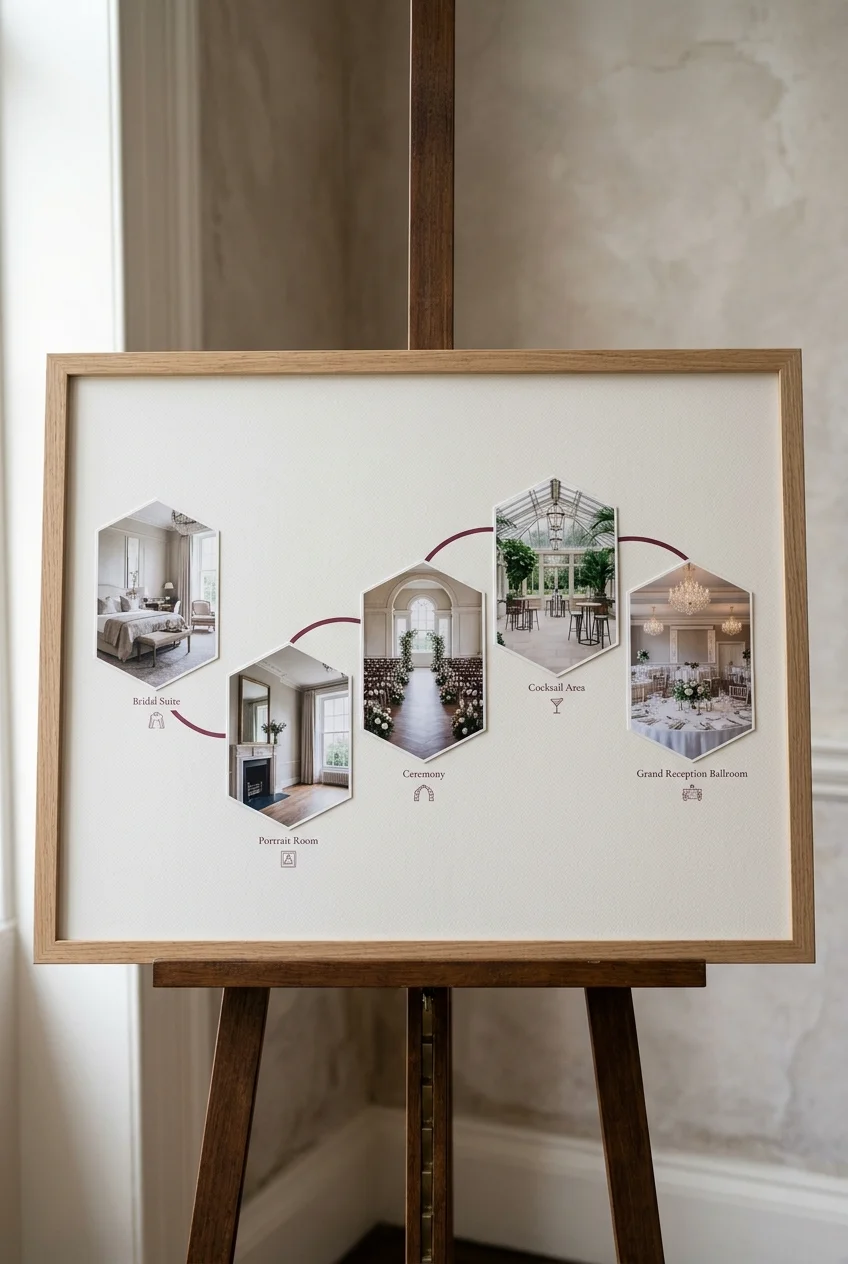
Connect the getting-ready room, first-look spot, family portrait area, ceremony, and reception without requiring anyone to cross an exposed courtyard. A backup route is especially useful for formalwear, flowers, mobility devices, and camera equipment.
Choose a January Style Without Defaulting to a Cliché
21. Pair Midnight Blue With Brushed Silver
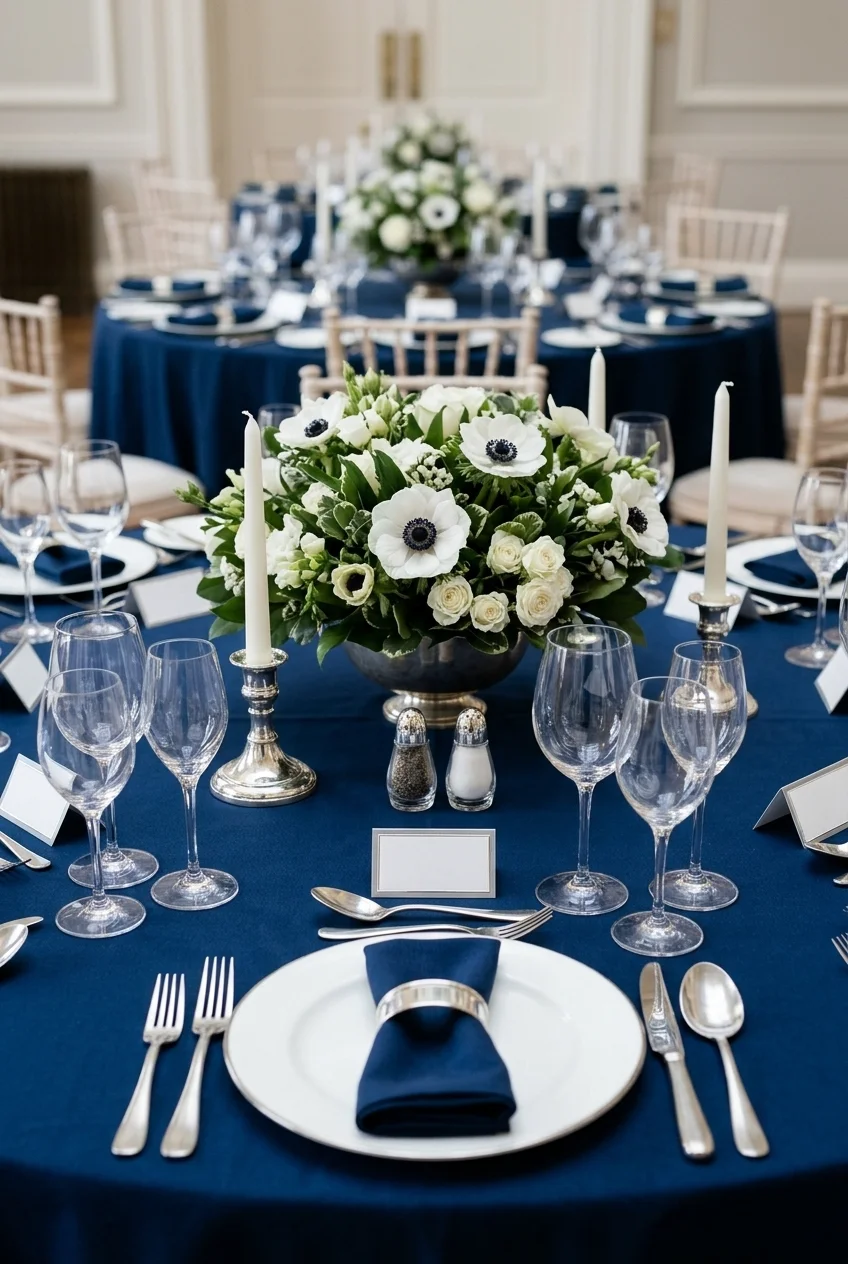
Use midnight blue as the large field on linens or paper, then add brushed silver in flatware, frames, or slim candleholders. White flowers and clear glass keep the palette crisp without turning every surface icy or reflective.
22. Mix Burgundy, Blush, and Aged Brass
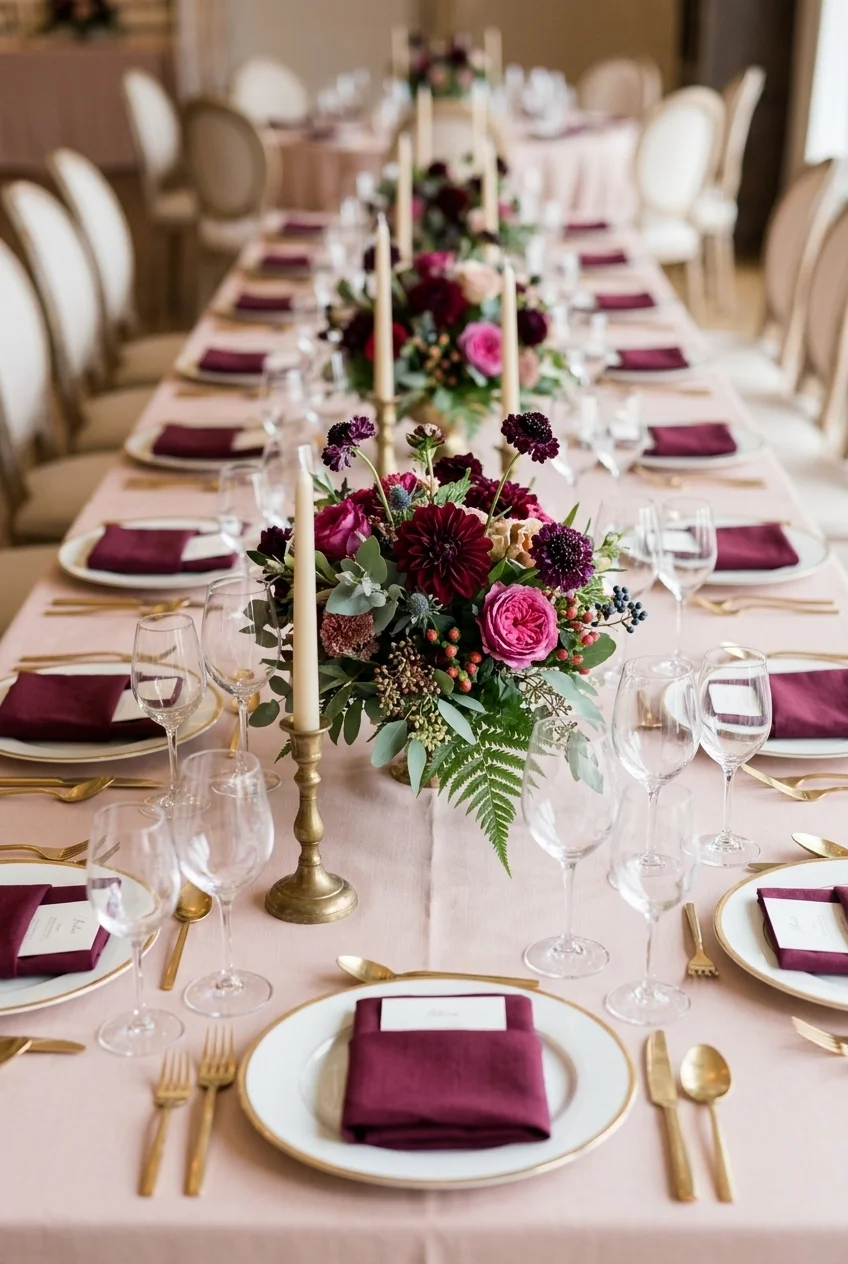
Burgundy gives the room depth while blush softens it and aged brass adds warmth. Put the darkest color in napkins or a few flowers rather than every linen so the tables still photograph with dimension.
23. Combine Forest Green, Plum, and Amber
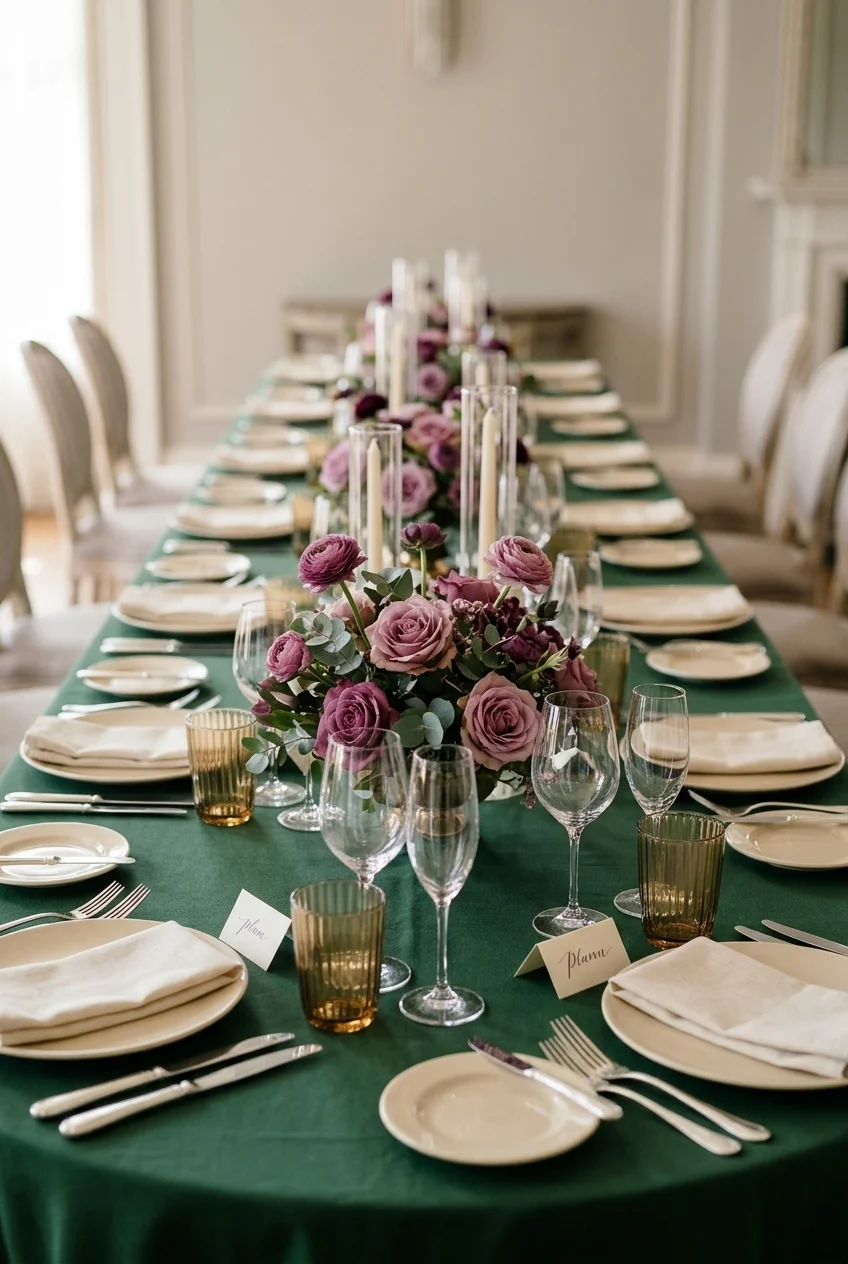
This palette reads wintry without relying on red-and-green holiday cues. Forest linens or menus, plum flowers, and amber glass work best against a quiet neutral room with enough clear glass to prevent heaviness.
24. Use Citrus, Coral, and Sage in Warm Climates
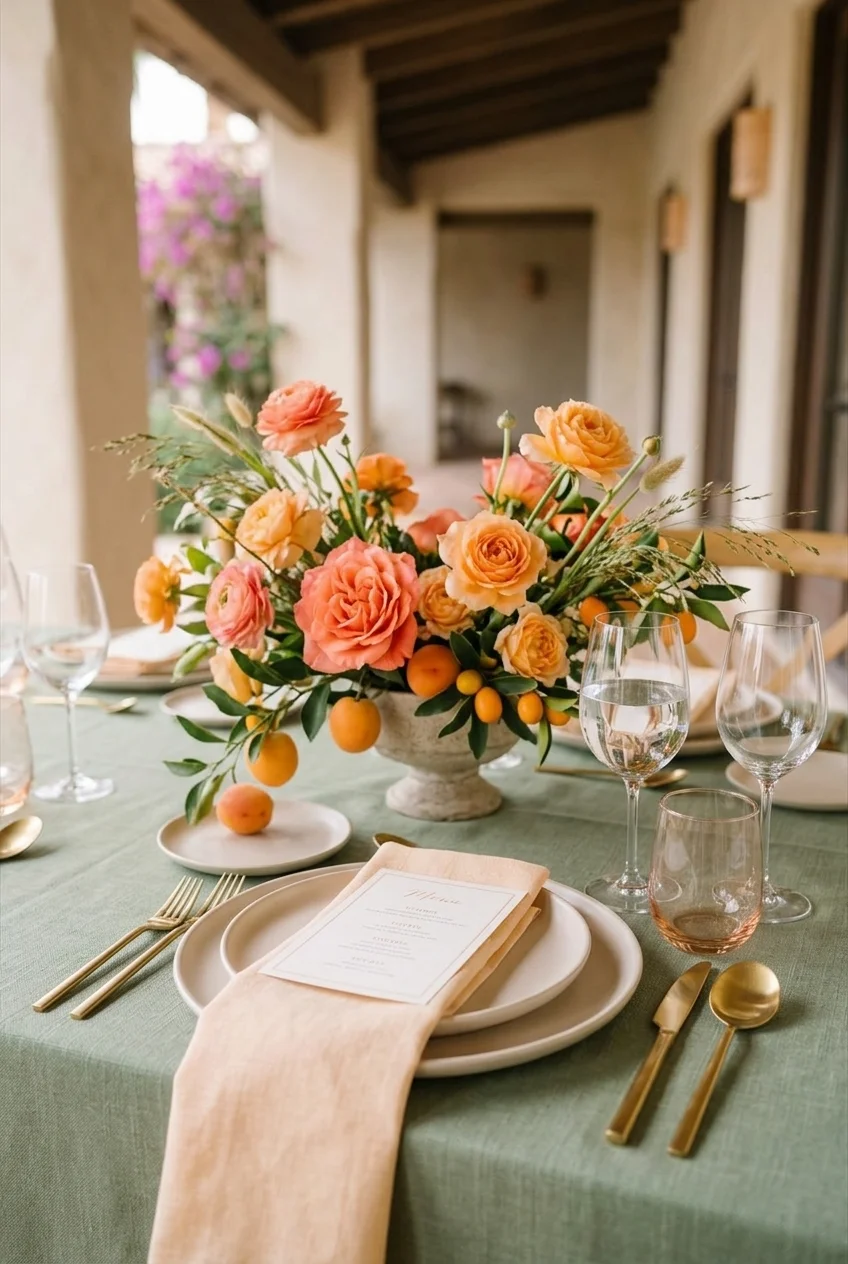
A January wedding in Florida, Southern California, Hawaii, or the desert does not need faux snow. Coral flowers, citrus accents, and sage linens can reflect mild weather while still feeling seasonally grounded and fresh.
25. Build a Black, Ivory, and Clear-Glass Palette
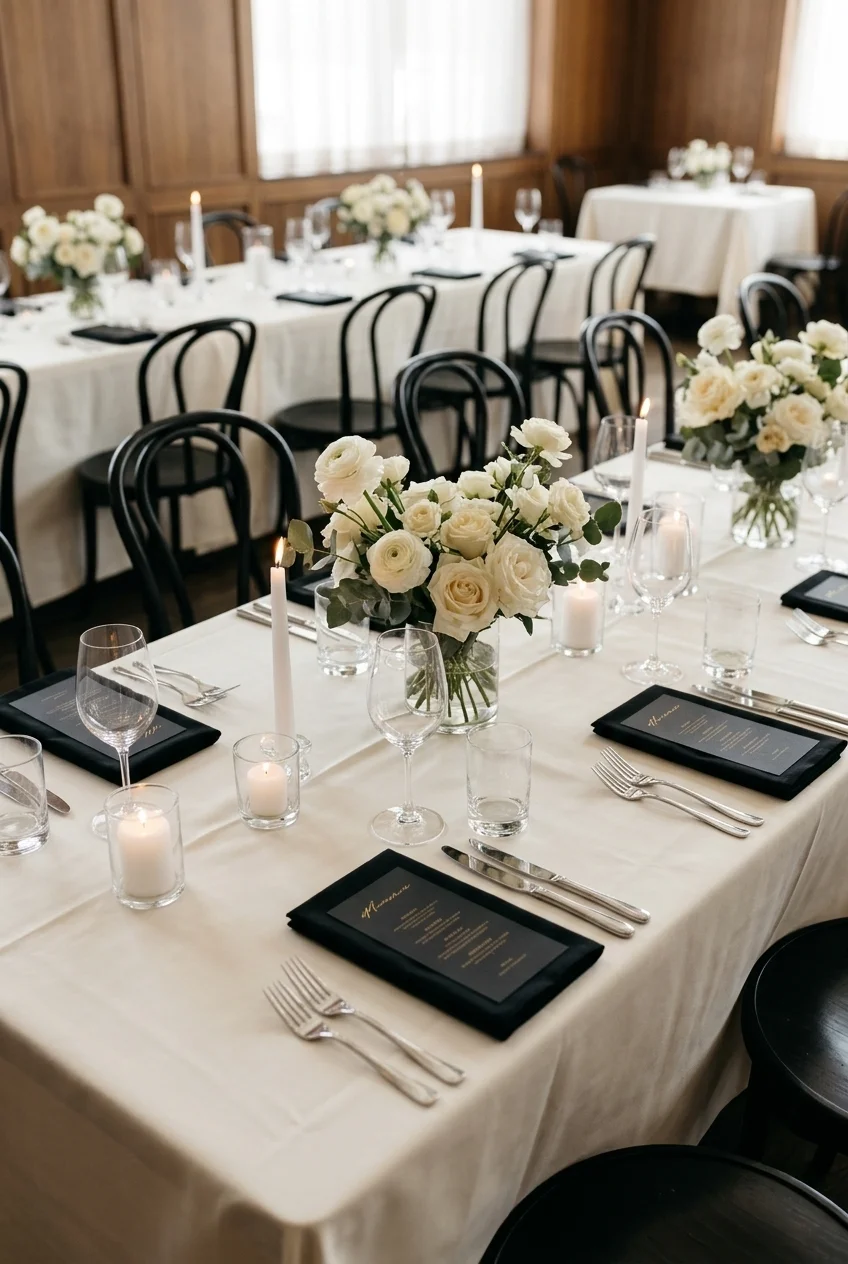
Black makes signs, napkins, or chairs feel graphic; ivory keeps the room softer than stark white; clear glass adds lightness. Repeat each material at least twice so the palette looks intentional rather than assembled from leftovers.
26. Soften Winter With Powder Blue and Cocoa
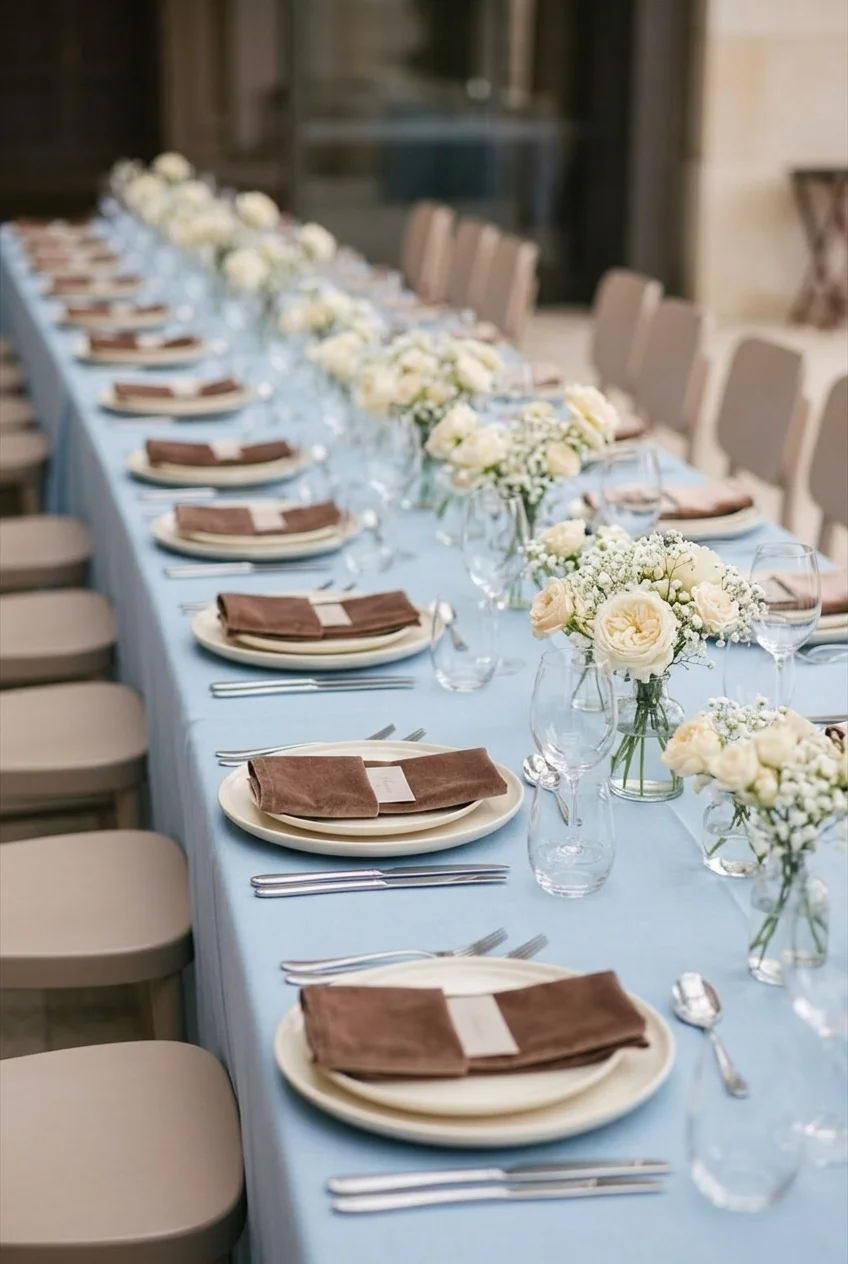
Powder blue feels airy next to cocoa-brown velvet or stationery and warm cream flowers. Keep metallic accents minimal; the appeal comes from the temperature contrast between the cool blue and the grounded brown.
27. Make the January Night Sky the Motif
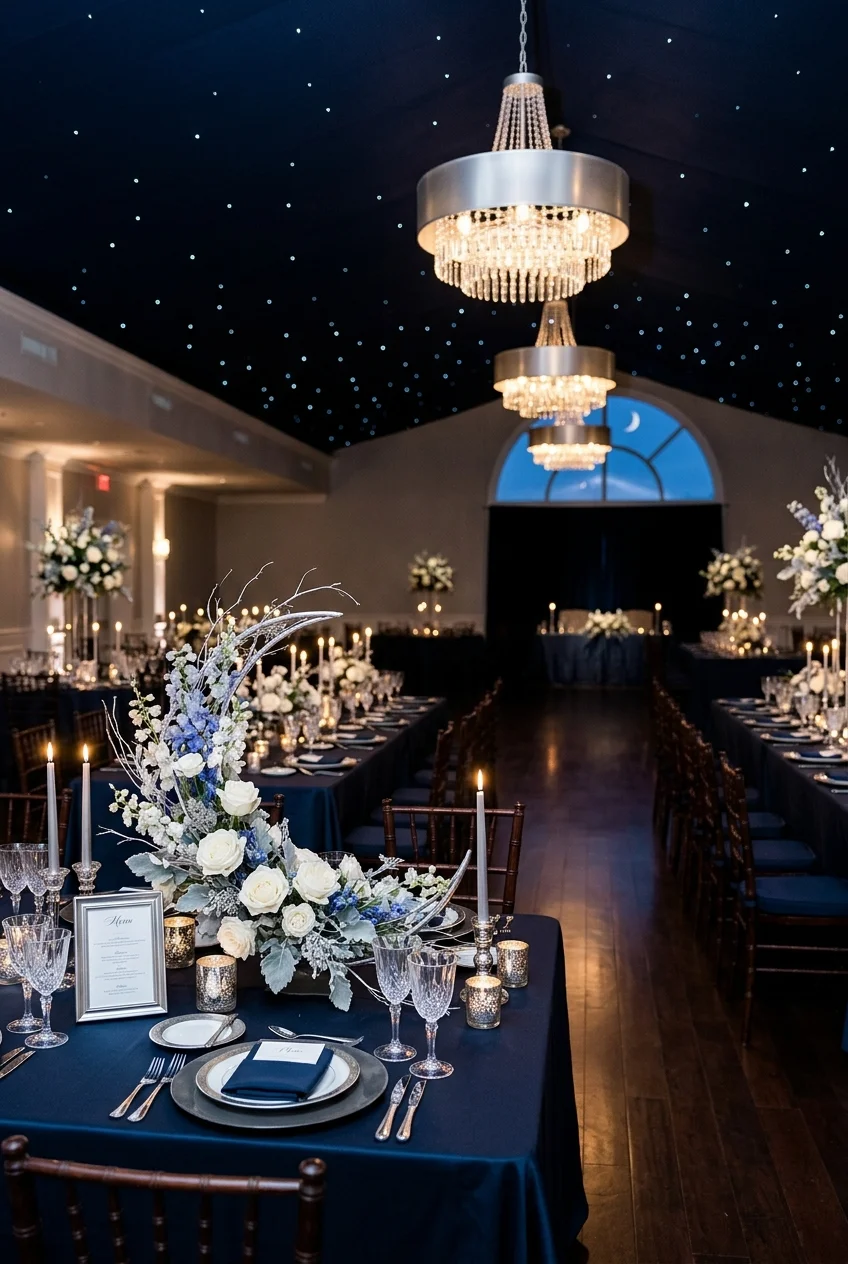
A celestial direction works through a navy ceiling wash, small star-like lights, crescent shapes, and restrained metallic details. Keep constellations or astrology personal and accurate if you name them; generic scattered stars need no scientific claim.
28. Let a Greenhouse Supply the Color
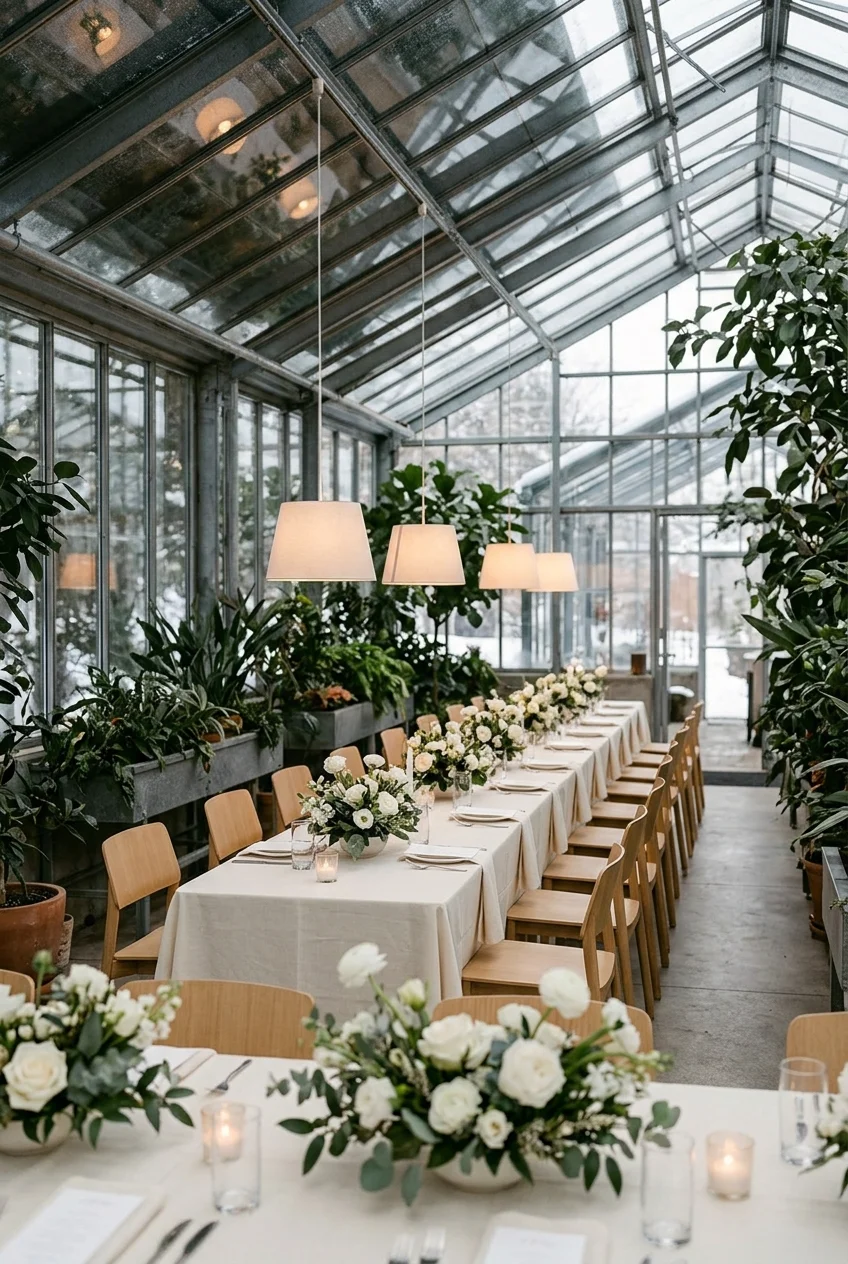
In a conservatory, the plants already provide a strong backdrop. Choose simple linens, low arrangements, and lighting that avoids harsh reflections on glass; confirm the room’s evening temperature and rain-noise plan before booking.
29. Frame the Wedding as a City Evening
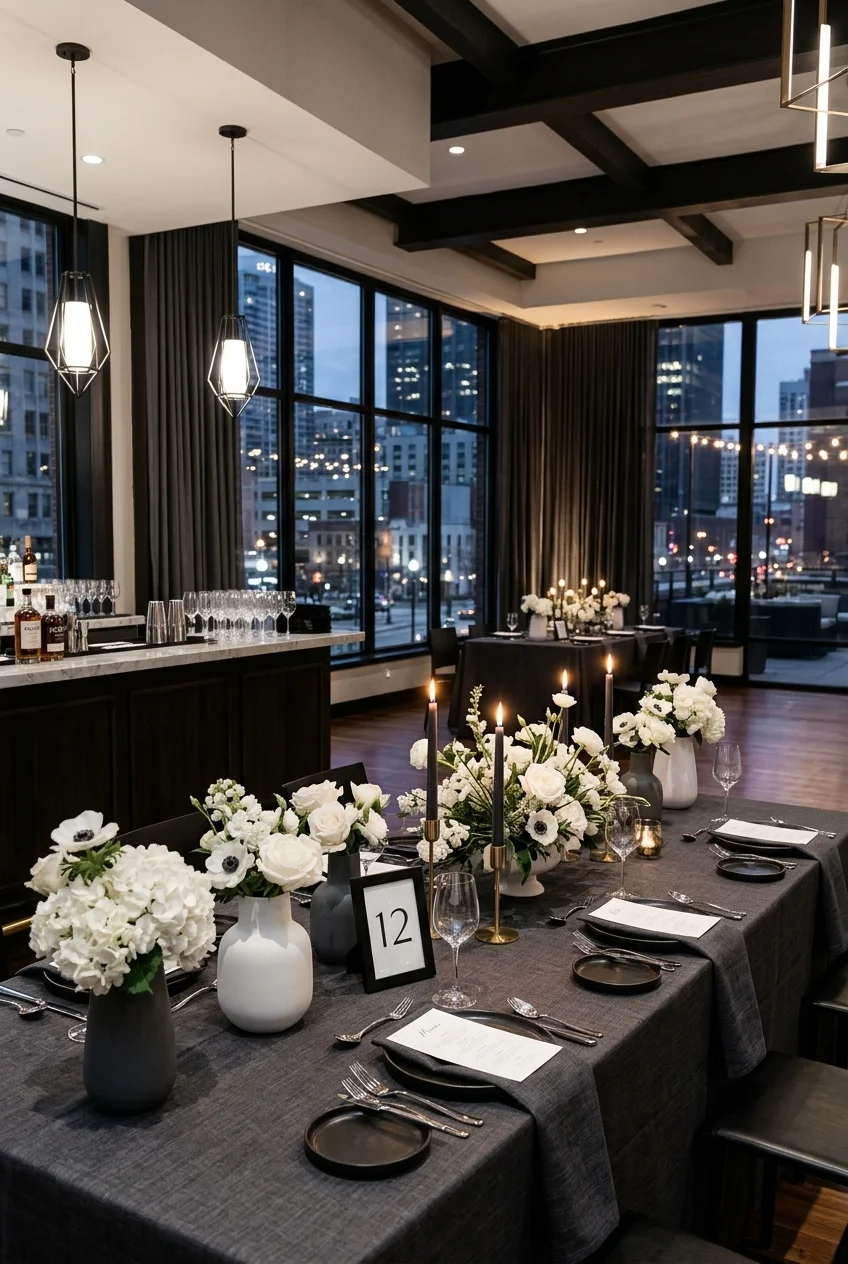
Use a hotel, loft, restaurant, or museum and lean into polished evening details: tailored stationery, directional lighting, dark textiles, and one strong bar or lounge moment. The city itself replaces snow as the seasonal atmosphere.
30. Try a Clean New-Year Reset
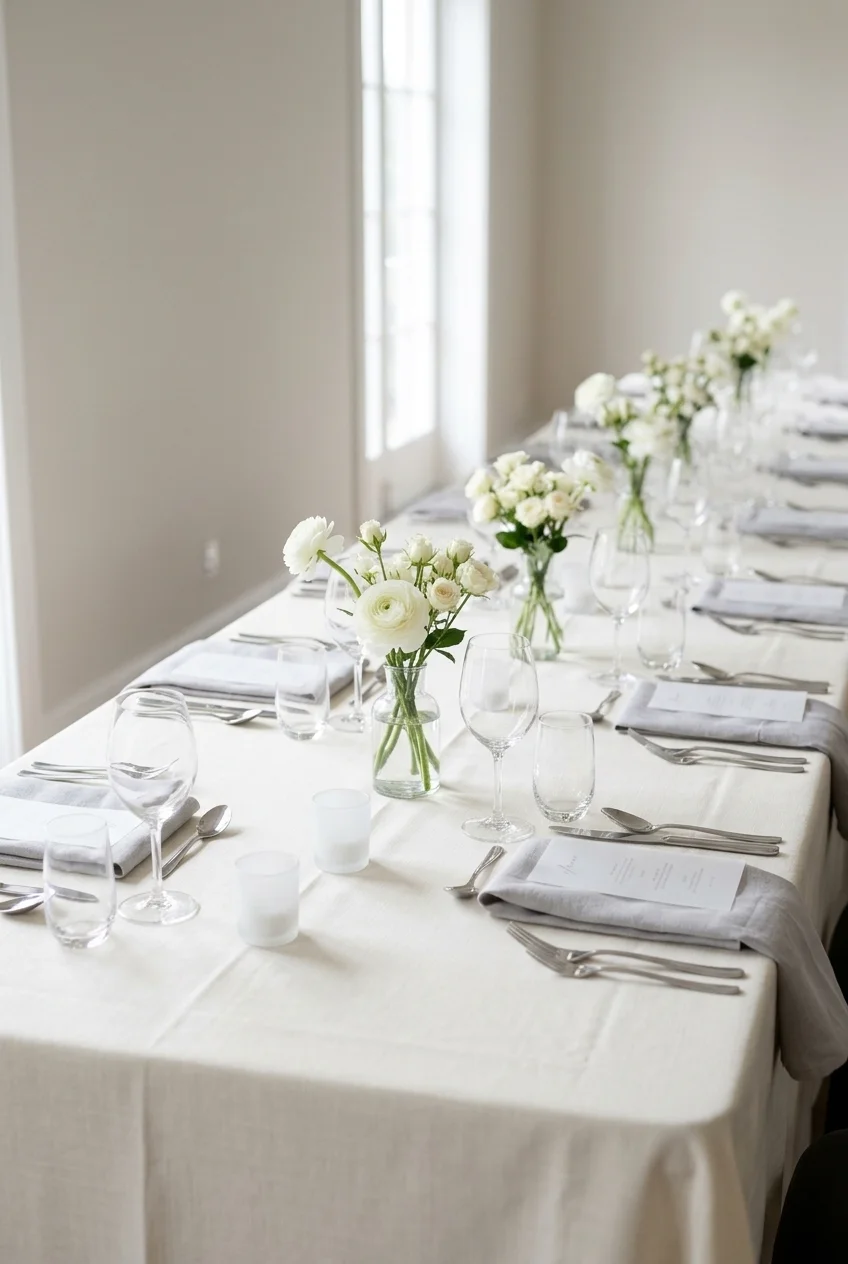
For a calm post-holiday look, reduce the palette and let spacing do the work. Full linens, repeated small arrangements, uncluttered signs, and one textured material can feel fresh without presenting the wedding as a resolution theme.
Design Flowers, Ceremony, and Tables
31. Write a Flexible Winter Flower Brief
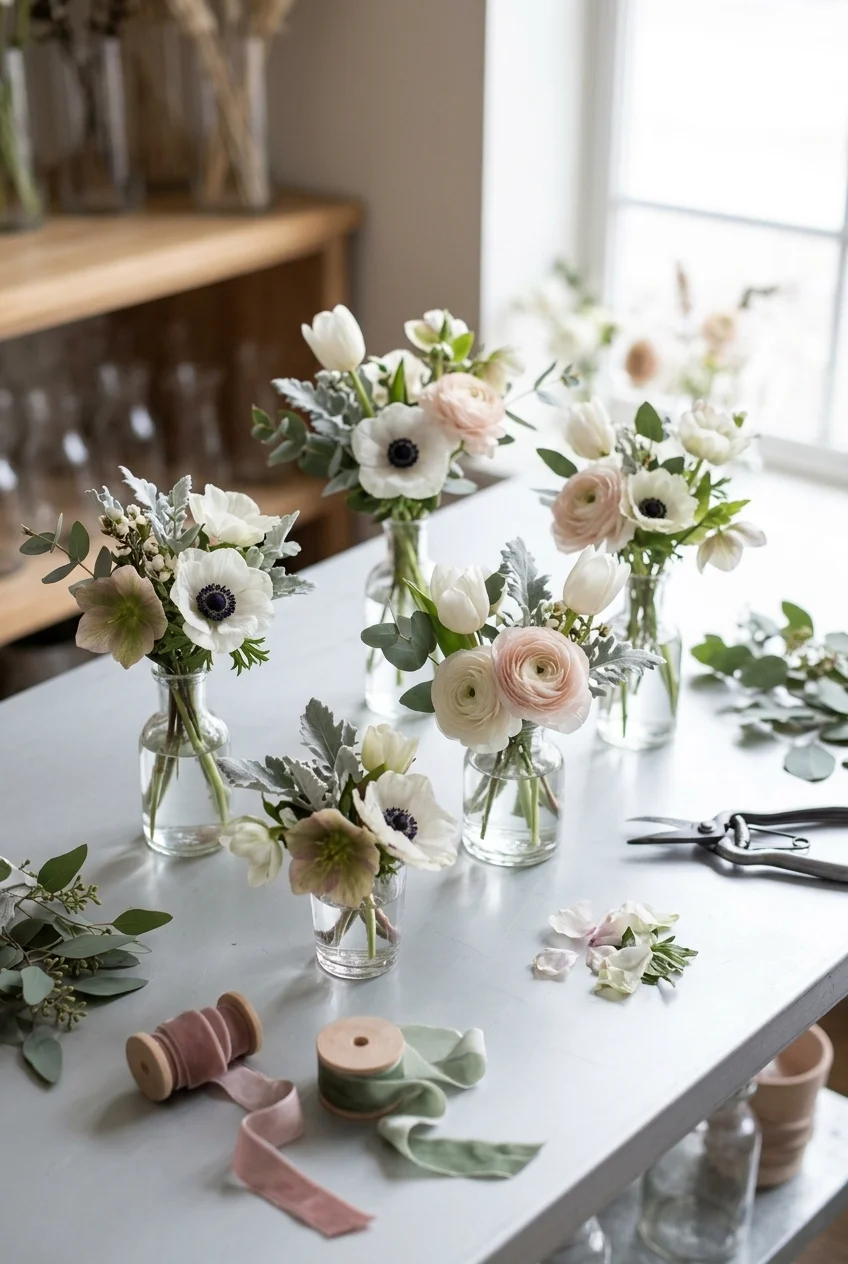
Describe color, shape, movement, and overall fullness before naming exact stems. Anemones, ranunculus, tulips, hellebores, and year-round options may be available in January, but local supply varies, so approve substitutions by role rather than demanding a replica.
32. Use Amaryllis as a Structural Accent
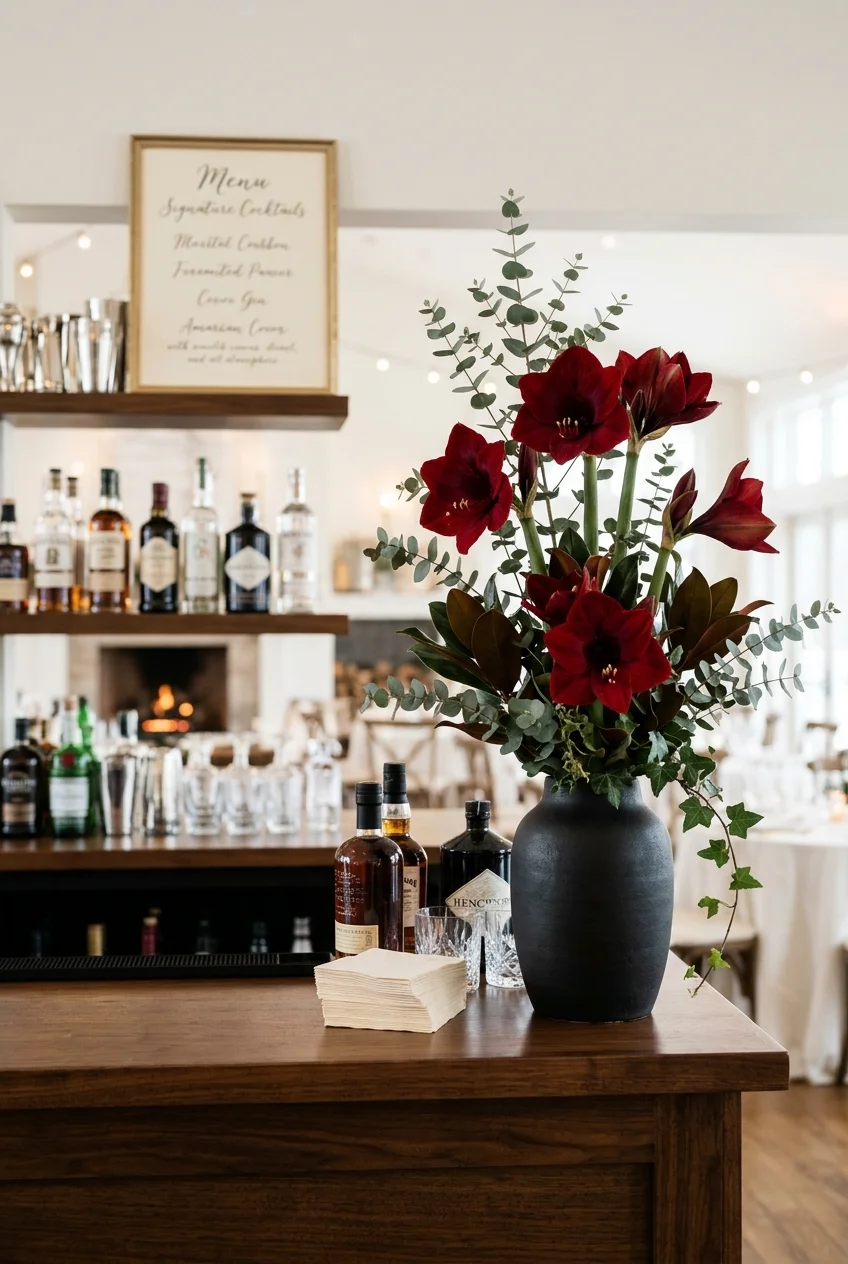
A few amaryllis stems can give an arrangement height and architectural shape without requiring a huge flower count. Place them at the bar, escort display, or ceremony focal point where their scale has room to read.
33. Group Potted Paperwhites for Living Décor
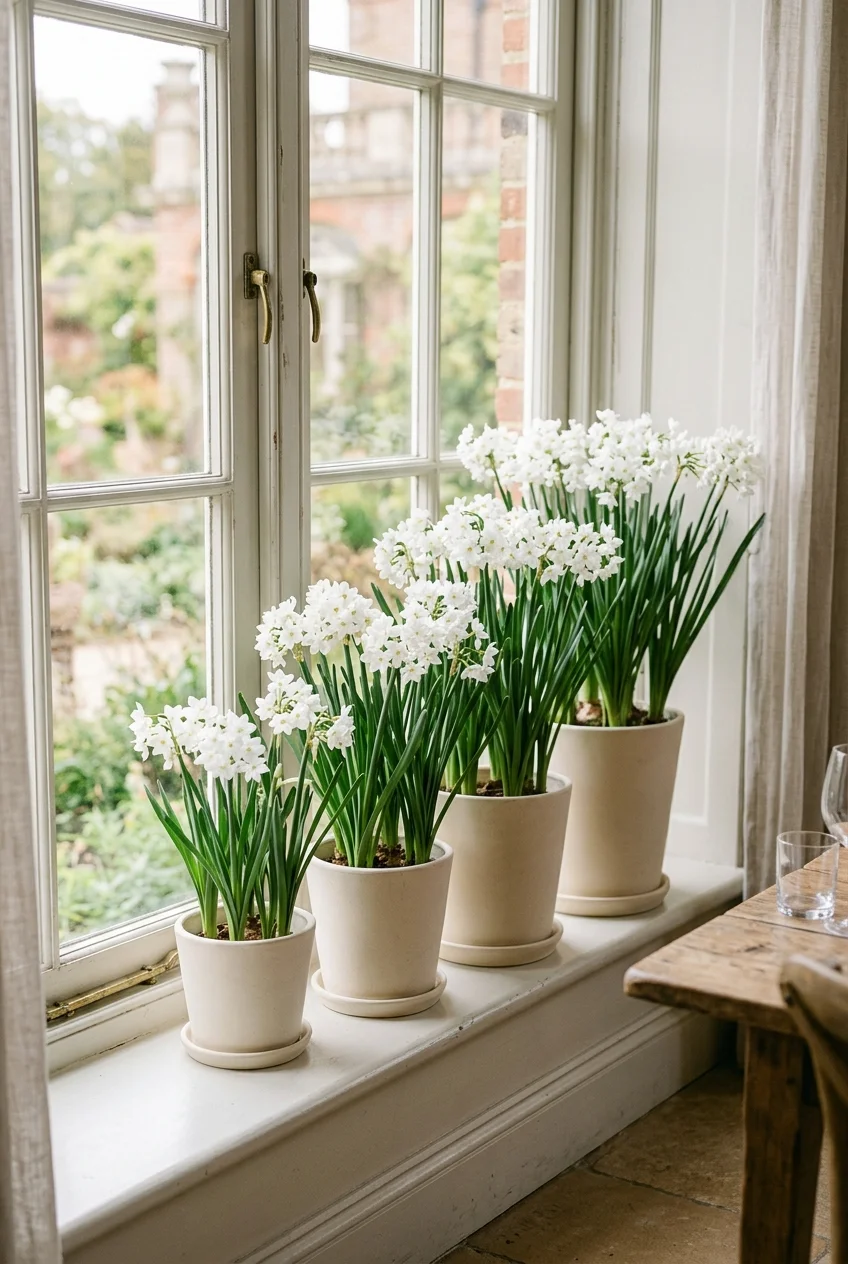
Clusters of potted bulbs suit an entry table, ceremony ledge, or windowsill and can be repurposed after the event. Ask the florist about fragrance, bloom timing, and container drainage before using them near dining tables.
34. Let Bare Branches Provide Height
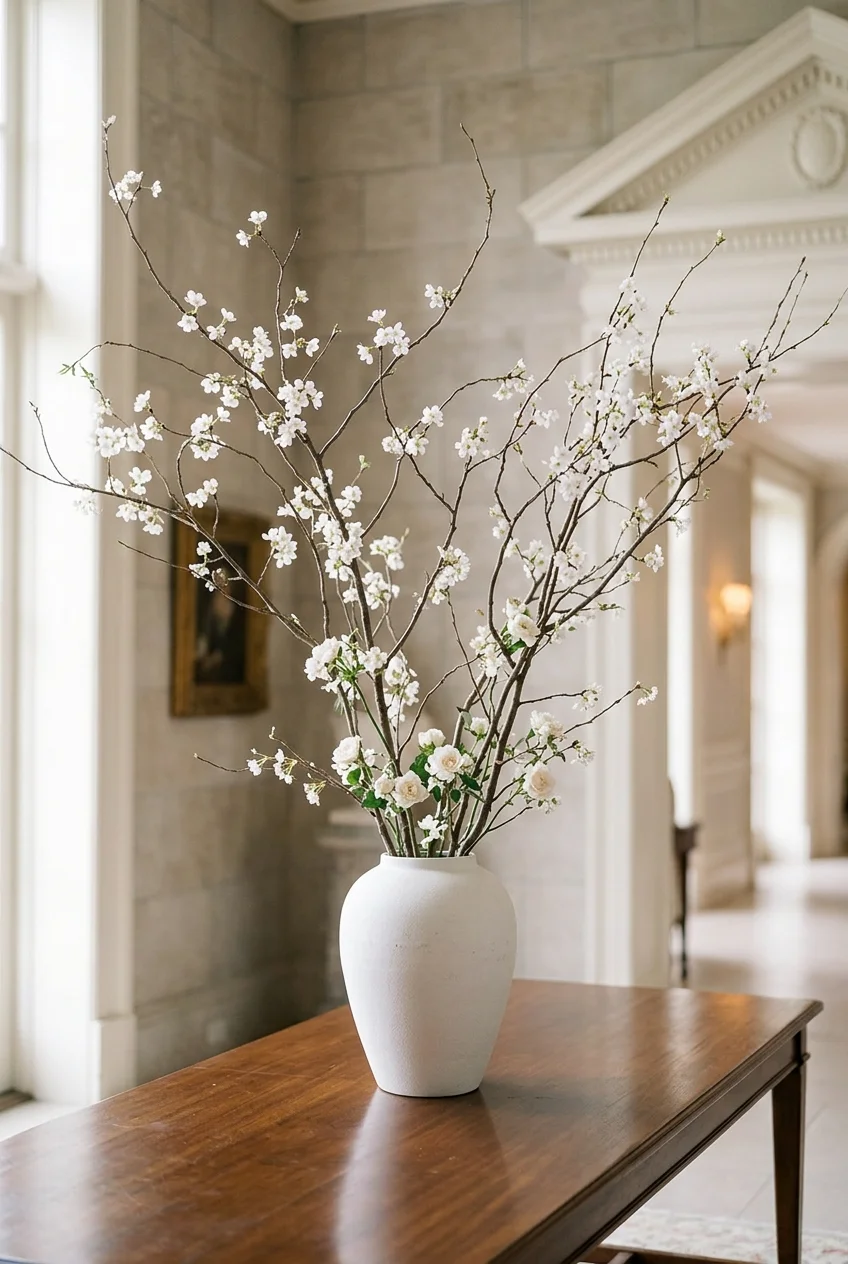
Branch-forward arrangements can fill vertical space with fewer blooms, especially in lofts and ballrooms. Use stable professional mechanics, keep the canopy outside conversation sightlines, and repeat the branches only in a few focal locations.
35. Cluster Bud Vases on Long Tables
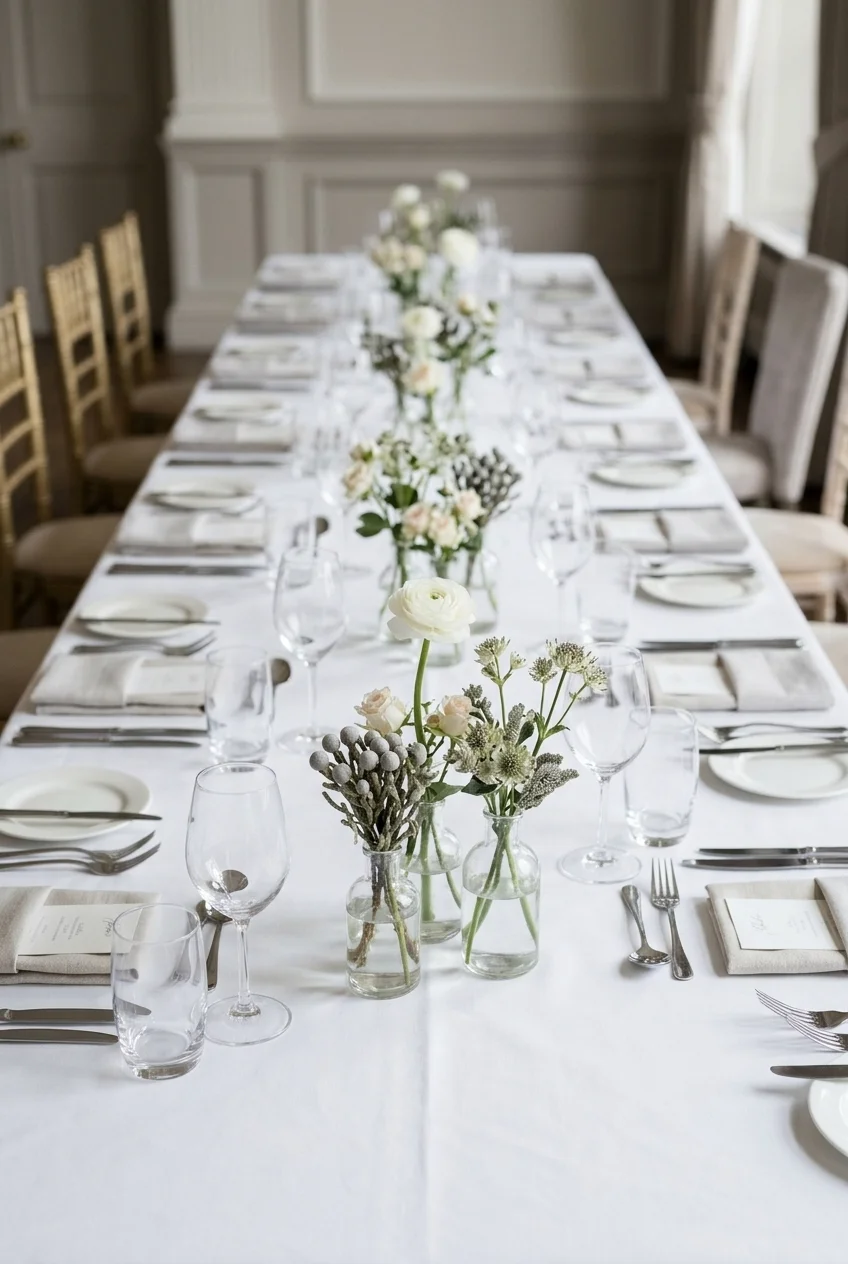
Small vessels spread color down the table and leave room for shared dishes, glassware, or conversation. Vary stem height modestly and group the vases in loose sets instead of placing one identical bottle at every seat.
36. Keep Centerpieces Low and Light Them Warmly
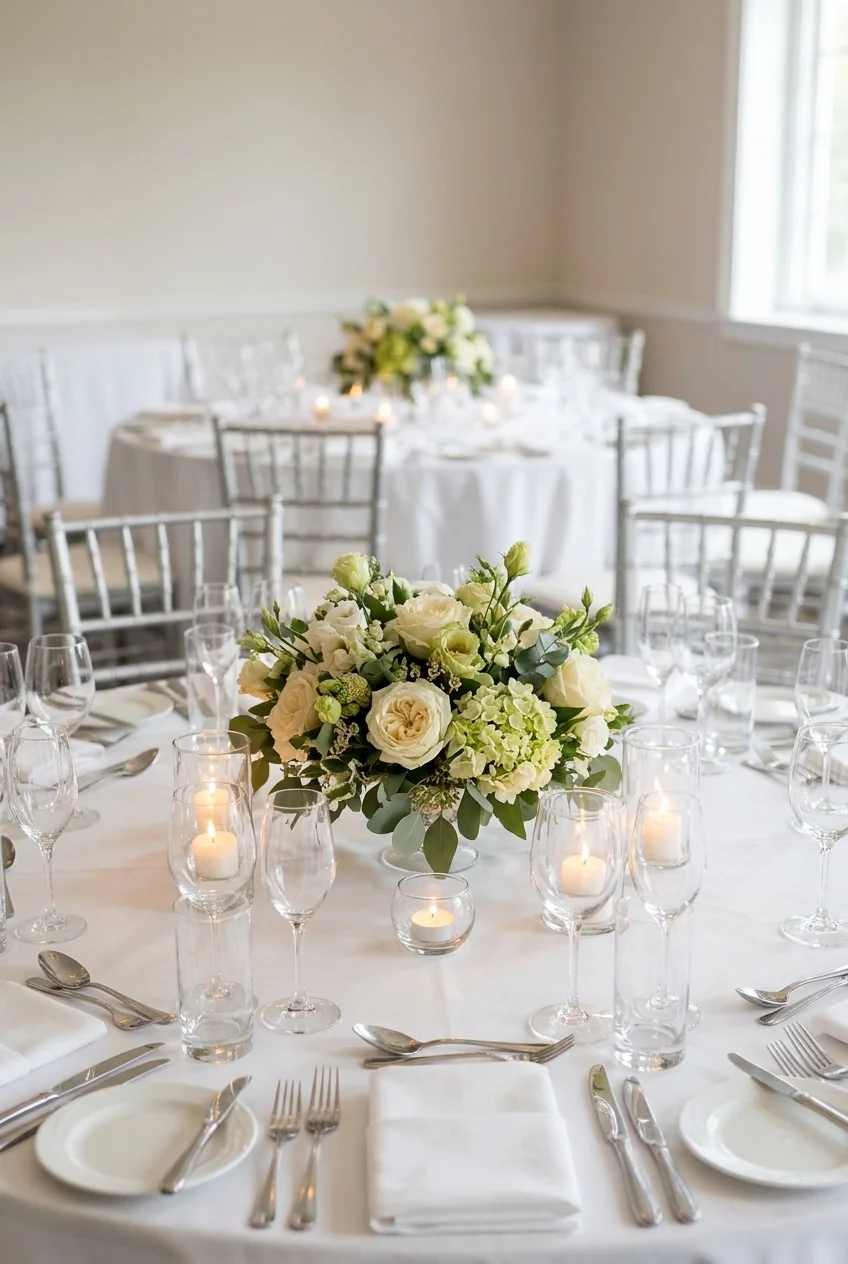
Low flowers preserve conversation and allow modest arrangements to feel abundant across a room. Pair them with venue-approved enclosed candles or soft rechargeable lights, leaving menus, glassware, and serving paths unobstructed.
37. Limit Tall Centerpieces to Focal Tables
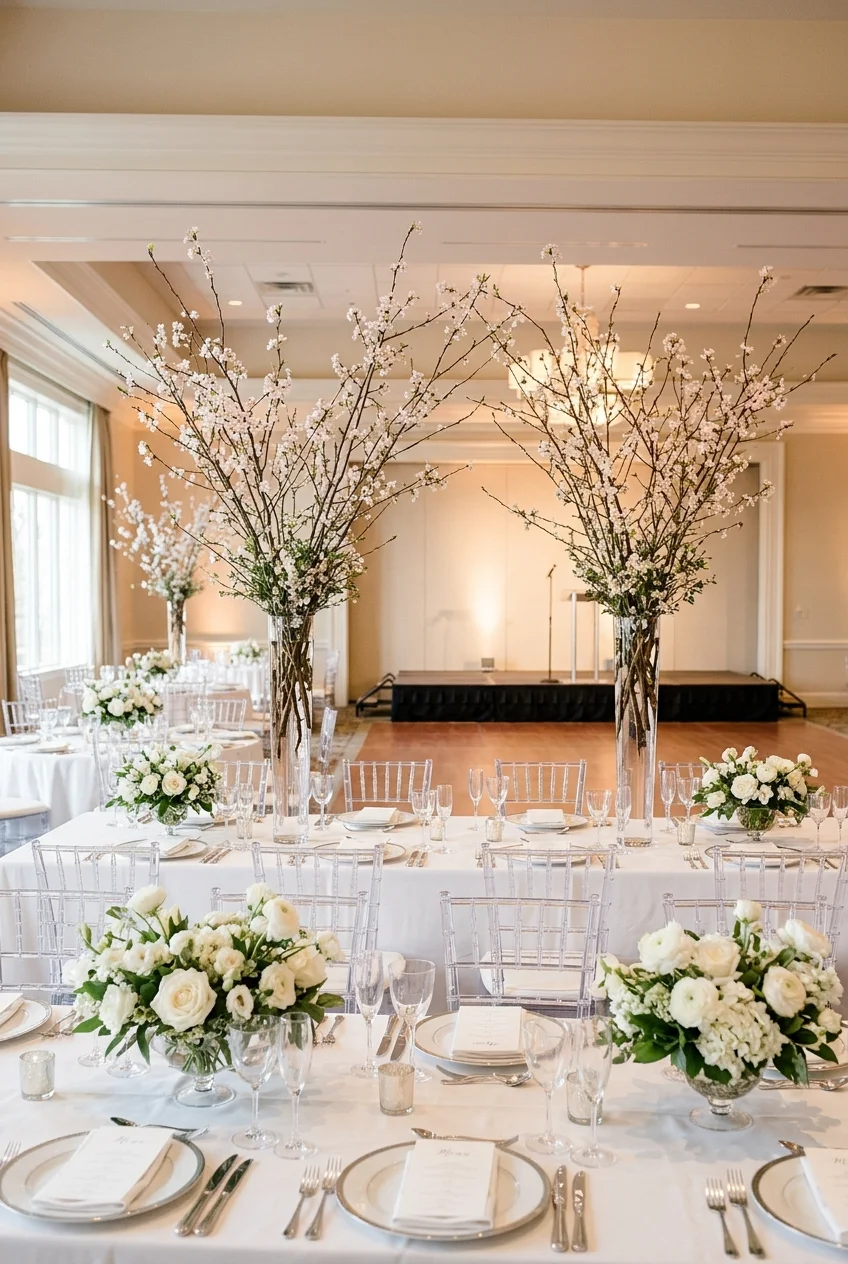
Use tall arrangements where the room needs vertical emphasis, then keep most tables low. This creates visual rhythm, protects the budget, and prevents a forest of arrangements from blocking views of the dance floor or toasts.
38. Layer Linens for Warmth and Depth
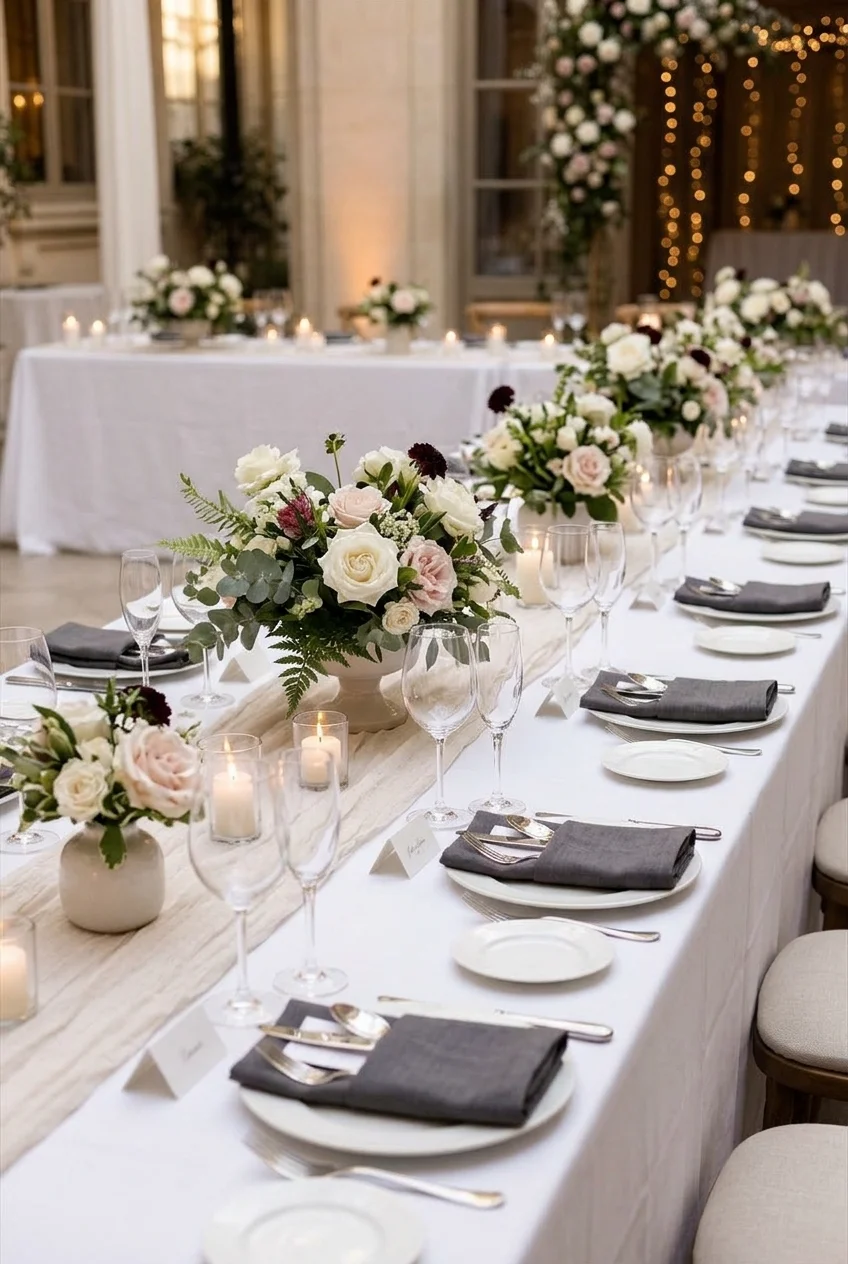
A full tablecloth plus a runner, textured napkin, or velvet accent can make a large room feel warmer without adding more objects. Test the full combination in venue lighting because dark winter colors can merge at night.
39. Use a Supported Arch With Open Sides
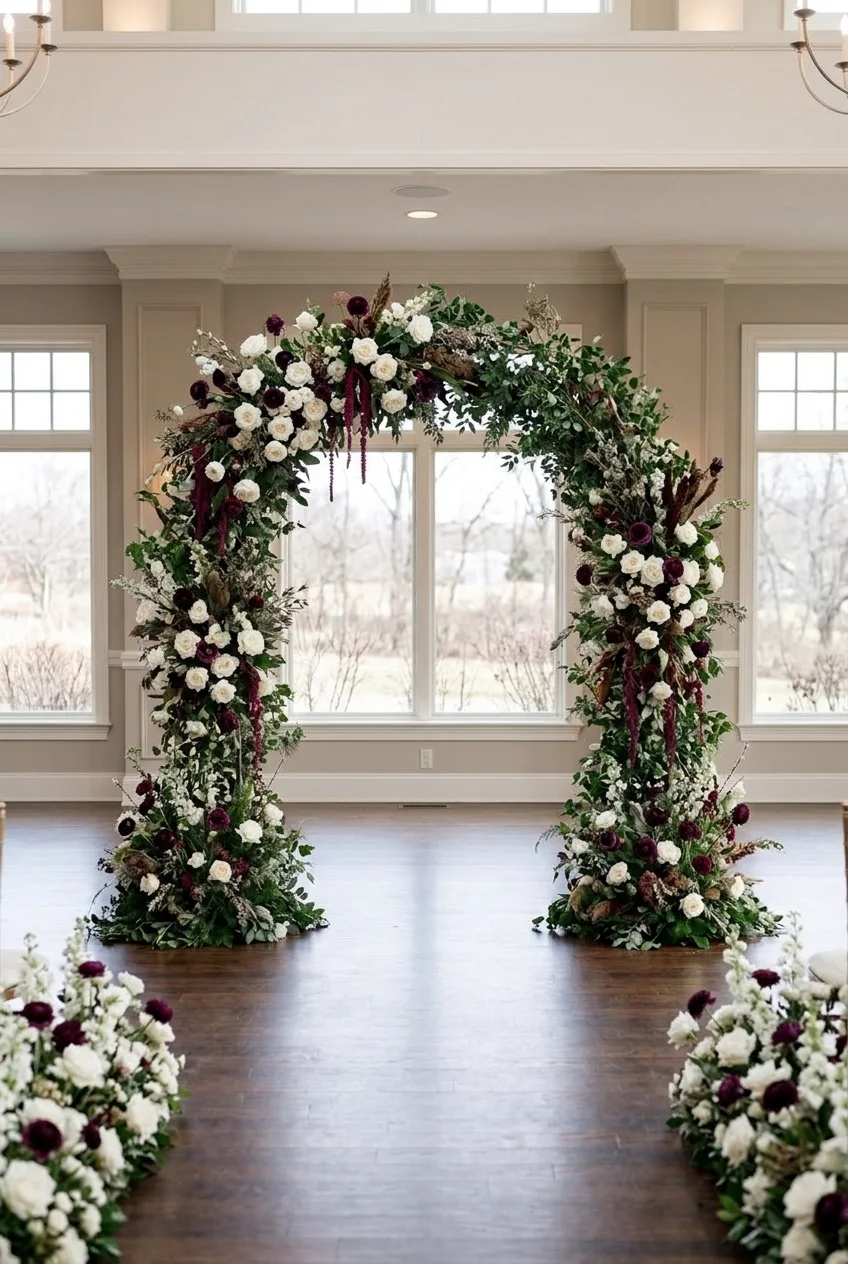
An arch can frame an indoor ceremony without crowding it. Keep the structure stable, leave the couple’s standing area and aisle clear, and concentrate flowers asymmetrically so the design has shape without becoming a solid wall.
40. Turn Draping Into an Indoor Aisle
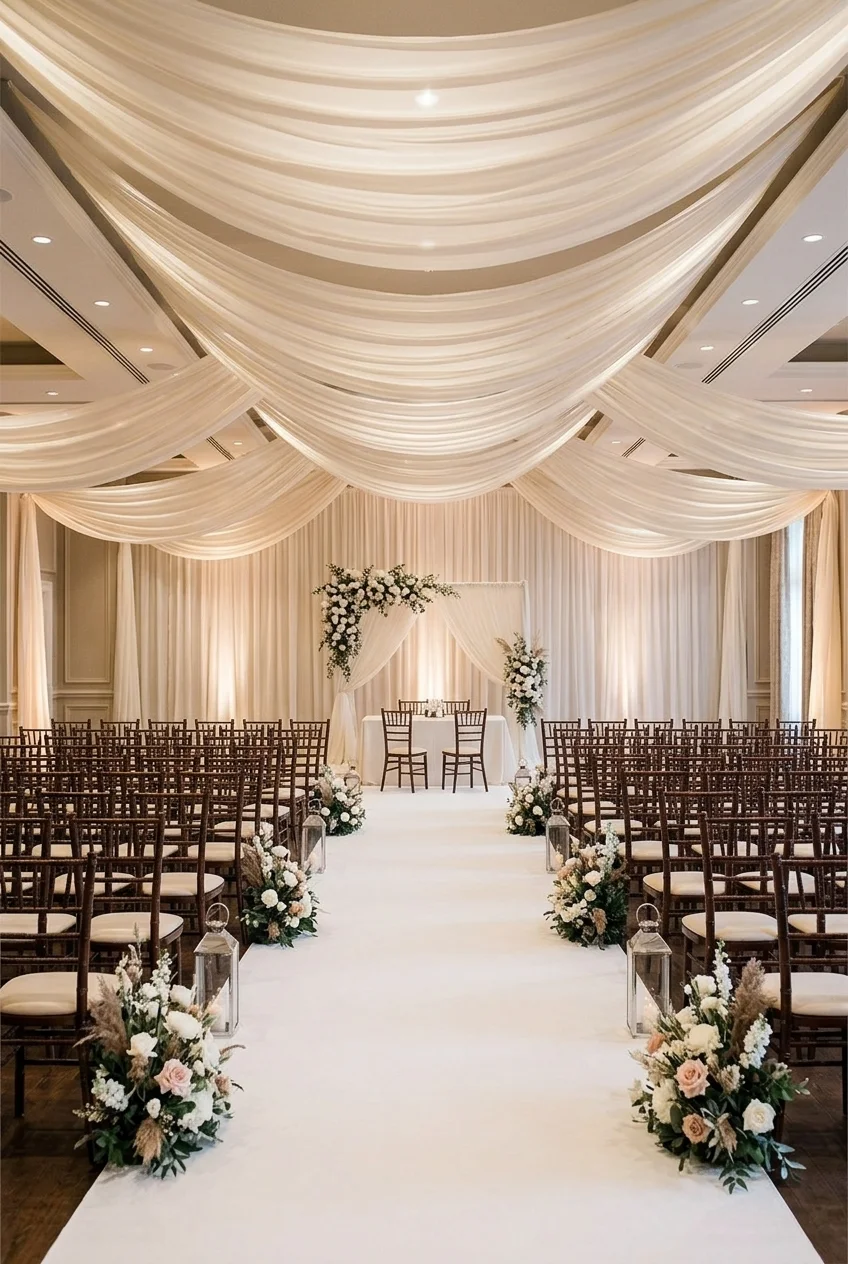
Soft ceiling-to-floor fabric can separate a ceremony zone inside a ballroom or event hall. Keep draping away from exits and service paths, then use restrained flowers so fabric, light, and aisle width do most of the work.
Serve Food and Drinks That Suit the Schedule
41. Offer a Warm Drink at Arrival
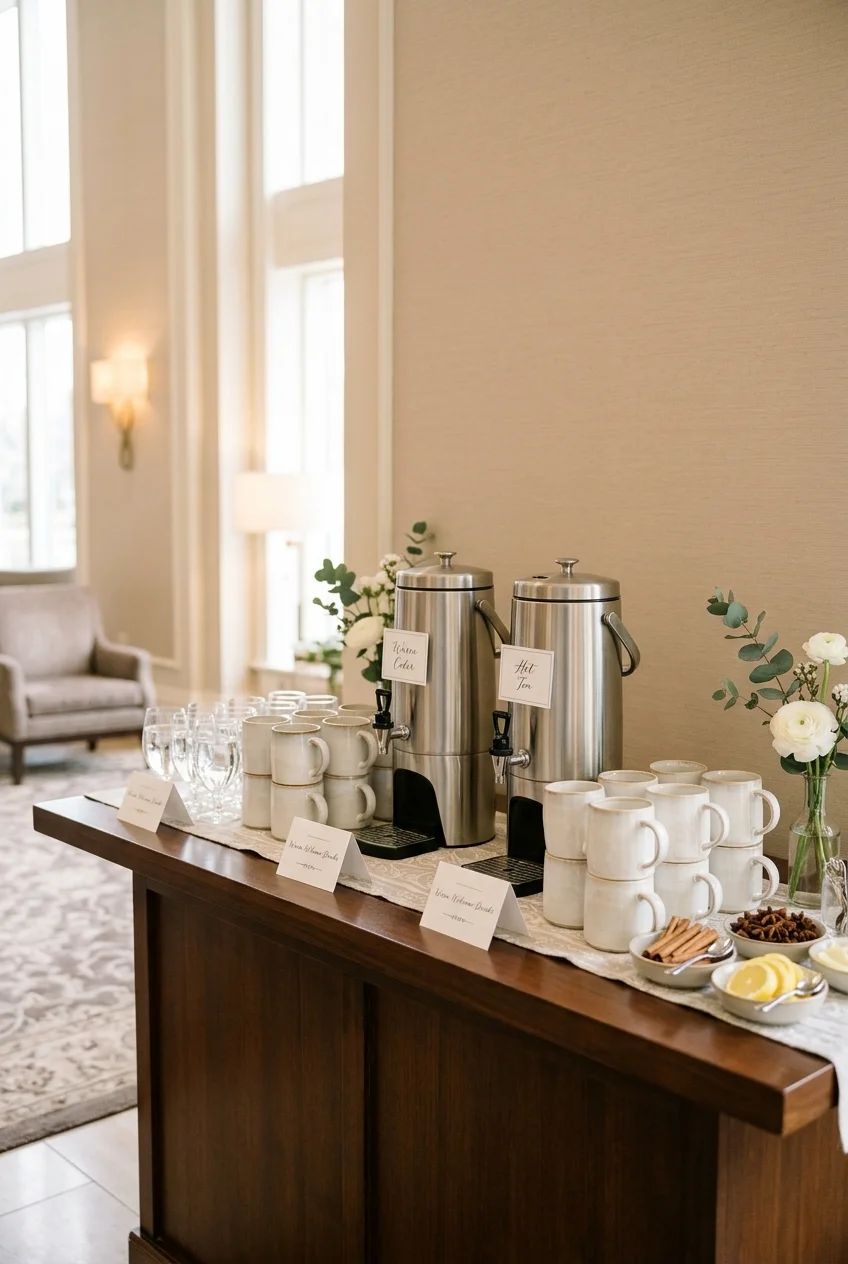
Serve one fast, familiar warm option near coat check, such as cider, tea, or coffee, plus water. Keep the station out of the entry queue and let the caterer manage temperature, replenishment, and allergens.
42. Begin Dinner With a Small Soup Course
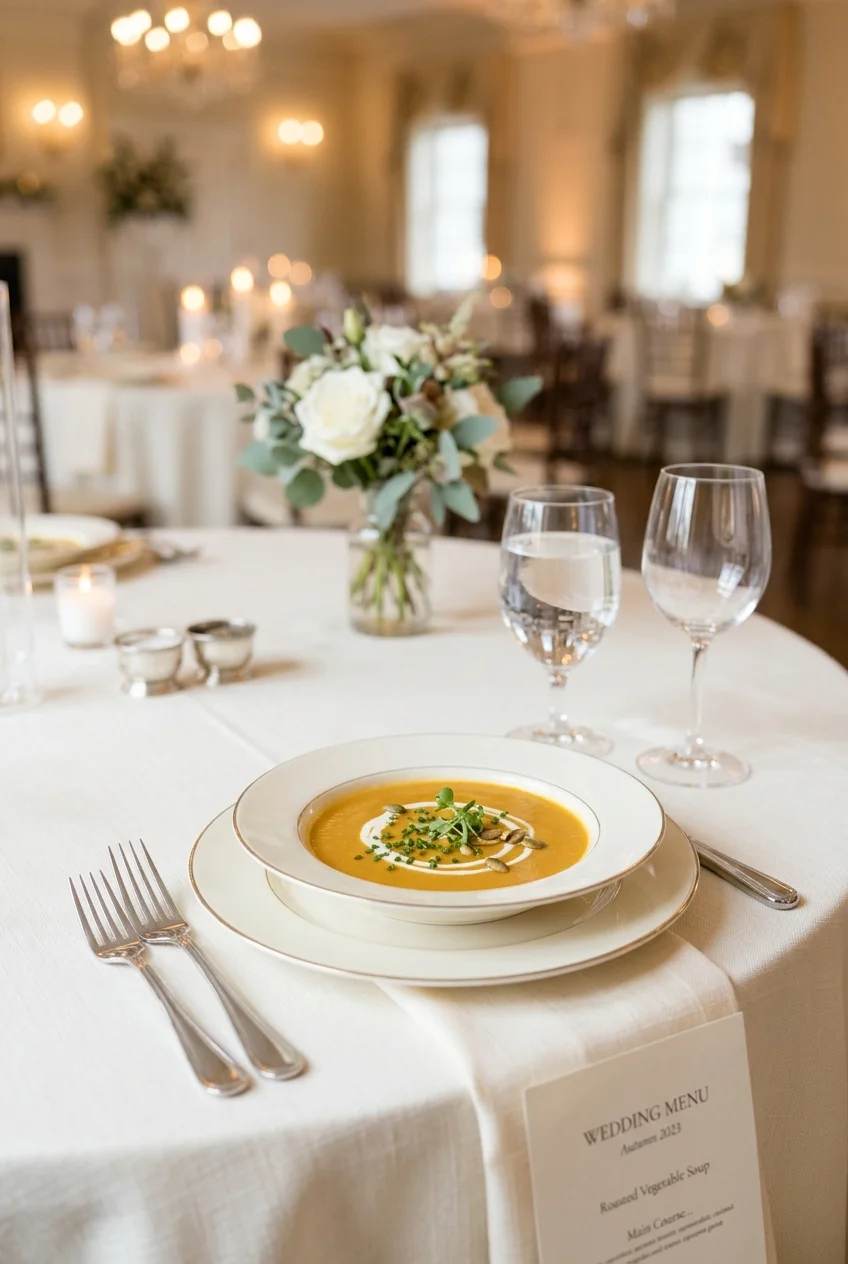
A cup or shallow bowl of soup can feel generous without making the entire menu heavy. Choose a recipe the kitchen can serve consistently to a crowd and provide a clearly equivalent option for dietary needs.
43. Build the Entrée Around Roasted Components
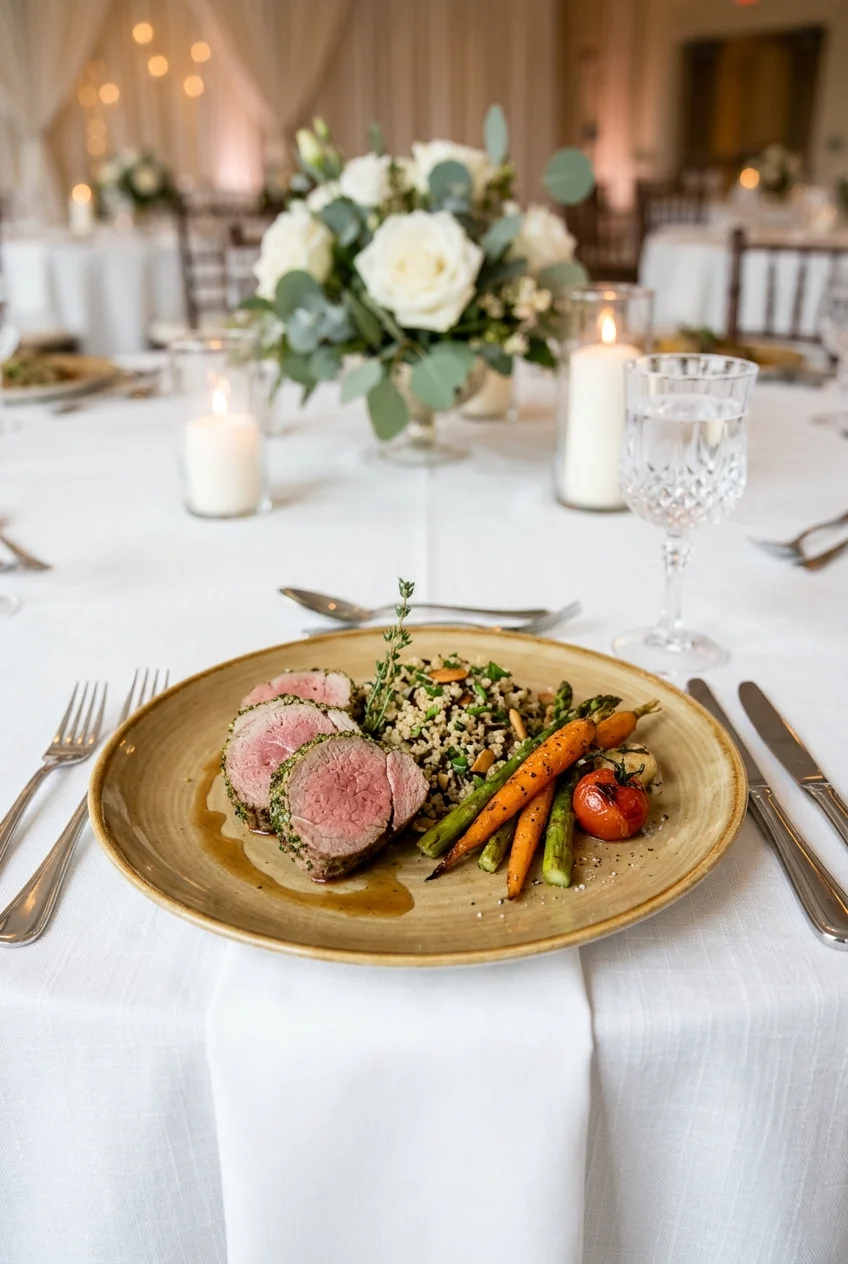
Roasted vegetables, grains, poultry, fish, or braised mains can create a January feel in many climates. Ask the caterer which components hold well for your guest count rather than choosing a dish solely from a styled tasting plate.
44. Use Family-Style Service for a Supper Feel
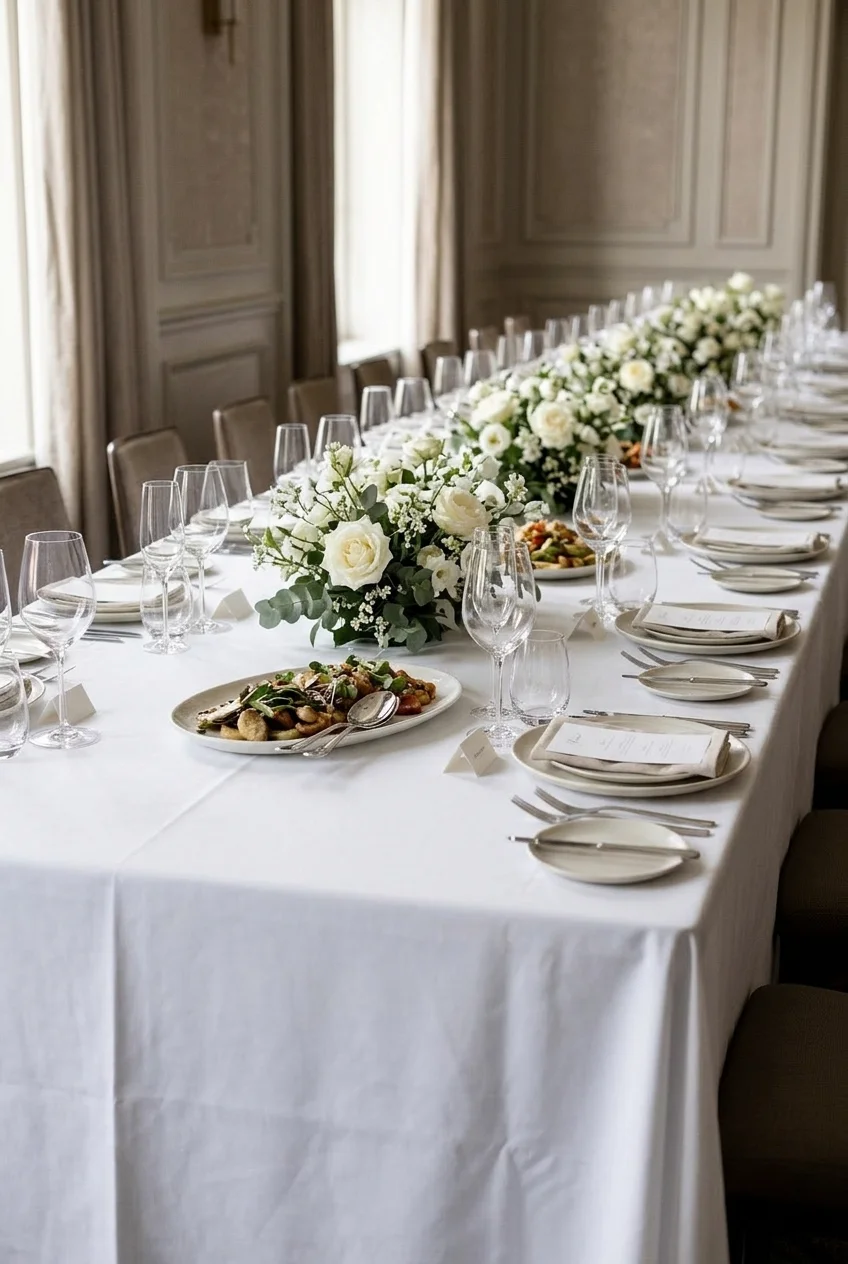
Shared platters can make an indoor reception feel convivial, but the tables need room for them. Reduce centerpiece width, confirm serving quantities and refill flow, and seat guests so platters can move without reaching across décor.
45. Host the Reception in a Favorite Restaurant
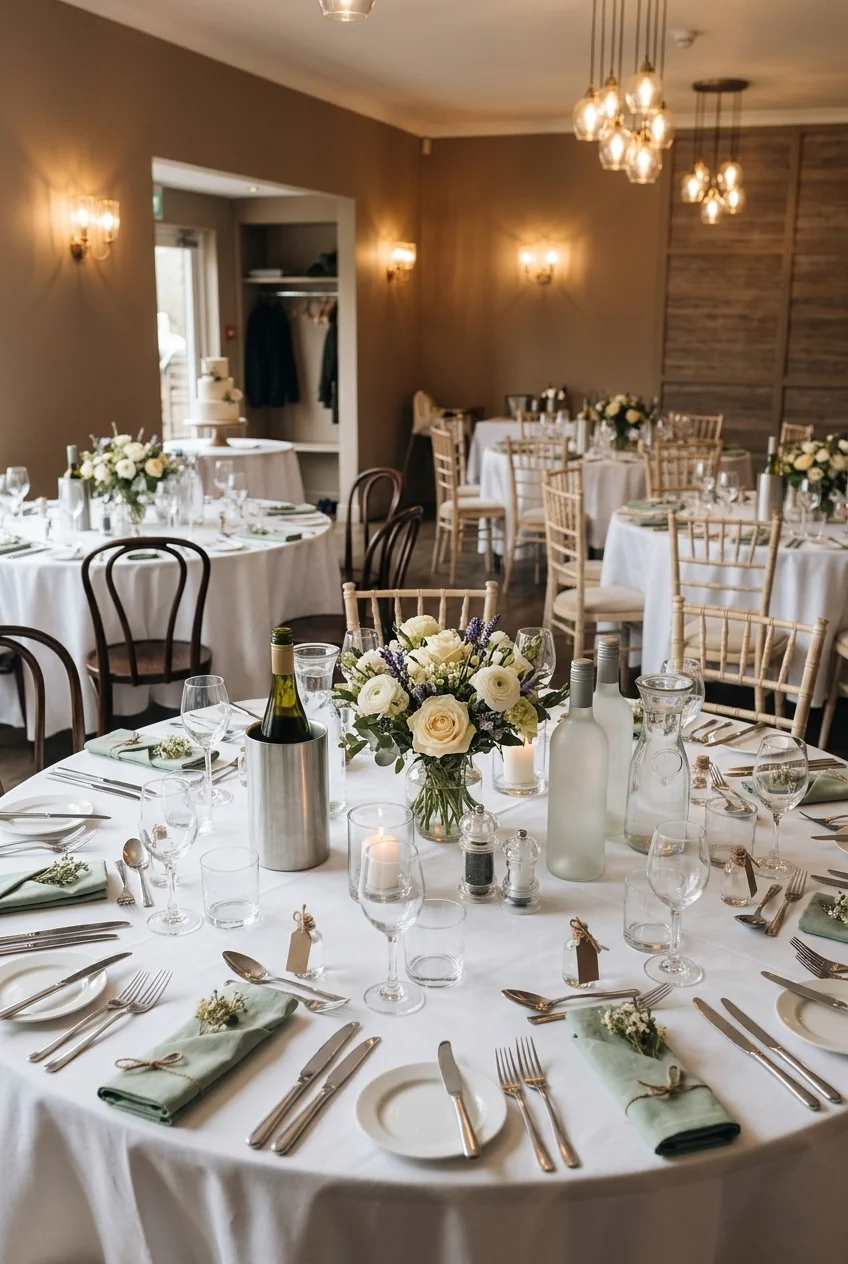
A restaurant can provide built-in atmosphere, service, and a weather-protected setting for a smaller January wedding. Clarify buyout boundaries, speeches, music volume, cake service, accessibility, and where coats and gifts will go.
46. Make It a Brunch Wedding
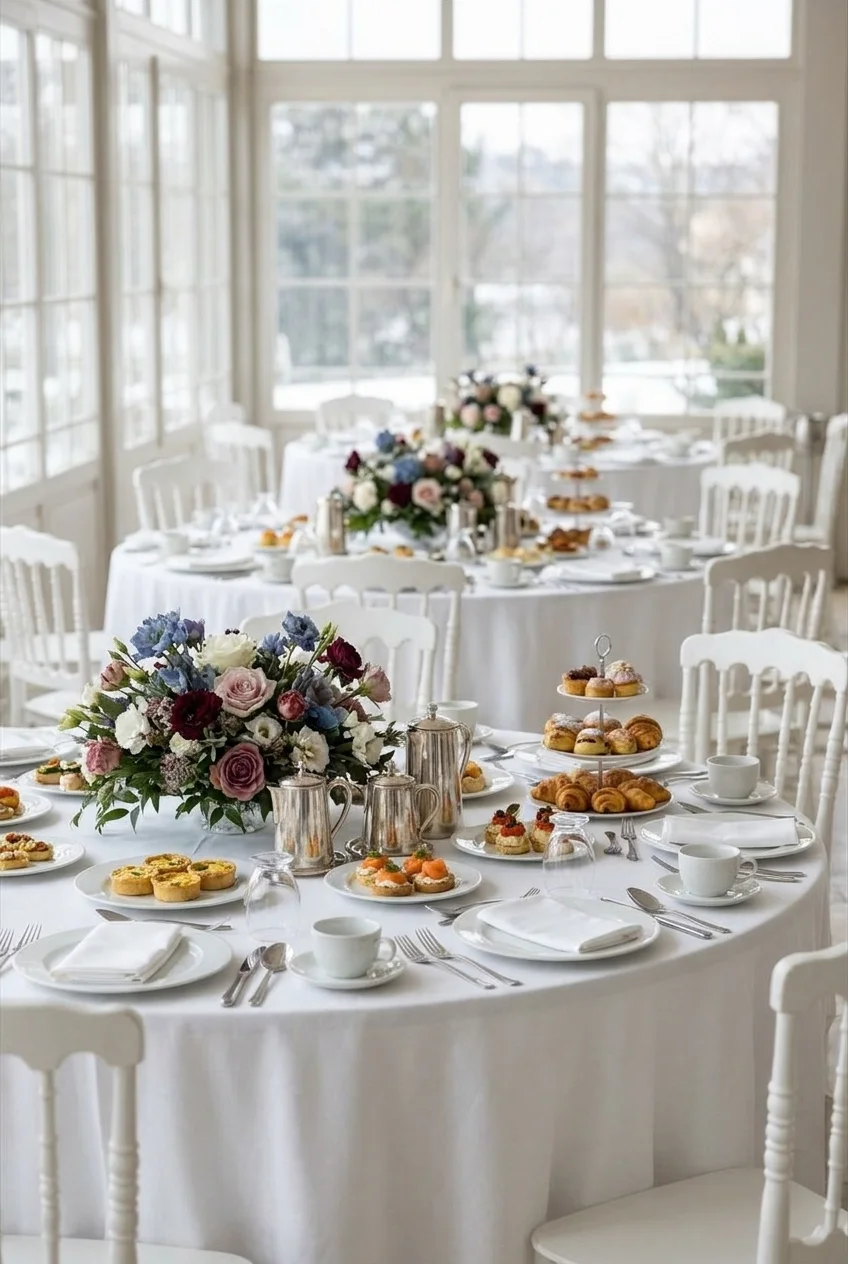
Brunch uses January daylight and can end before the coldest or wettest part of the evening. Give the event a complete arc with a ceremony, substantial meal, cake or pastry moment, music, and an intentional closing time.
47. Create a Real Coffee-and-Tea Bar
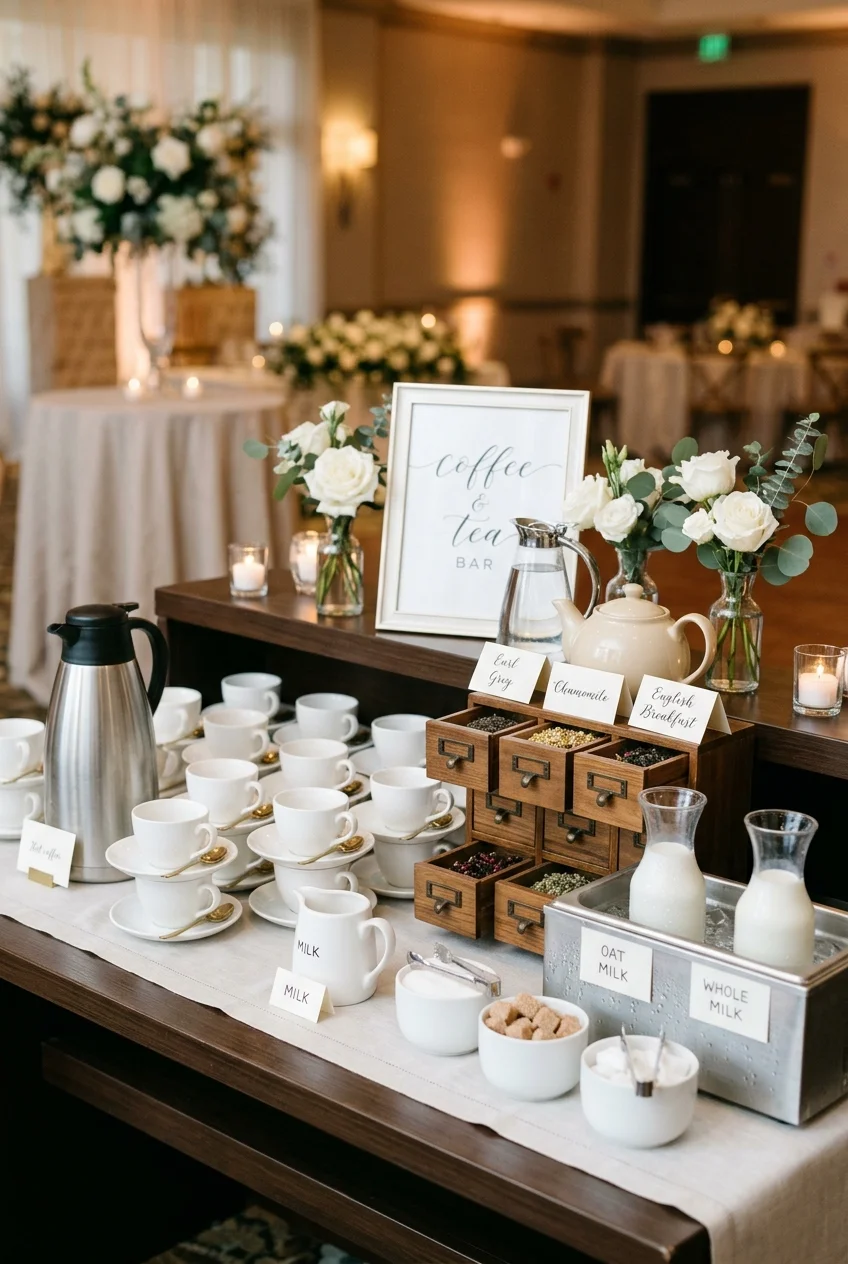
Place coffee and tea where guests can use it after dinner without crossing the dance floor. Offer clear decaf and caffeine-free choices, milk alternatives, sturdy cups, and enough service points to prevent one slow line.
48. Set Up a Streamlined Hot Chocolate Station
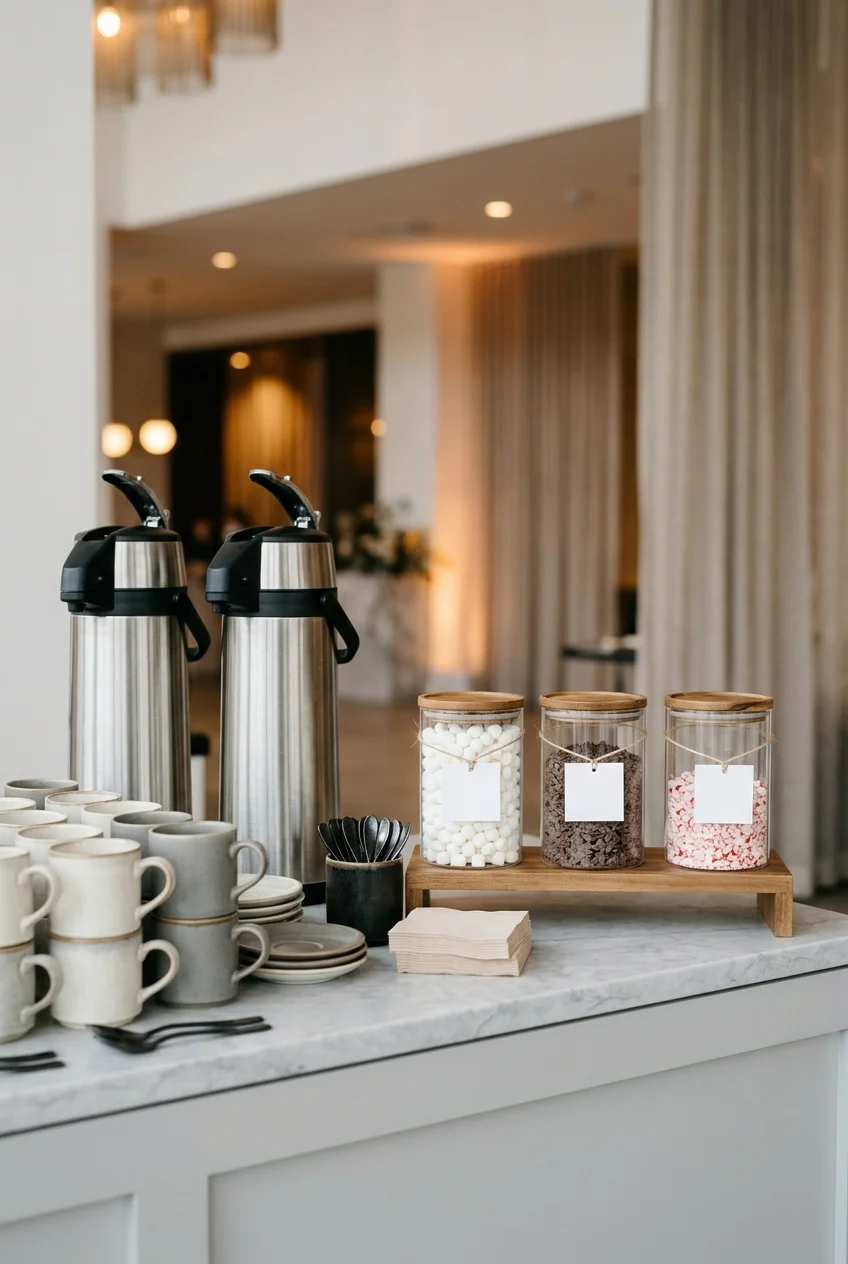
Keep the base drink and toppings controlled so the station stays tidy: one cocoa, one dairy-free alternative if feasible, and a few clearly labeled additions. Position it away from children’s running paths and ask catering staff to handle hot equipment.
49. Feature a Spiced Zero-Proof Signature Drink
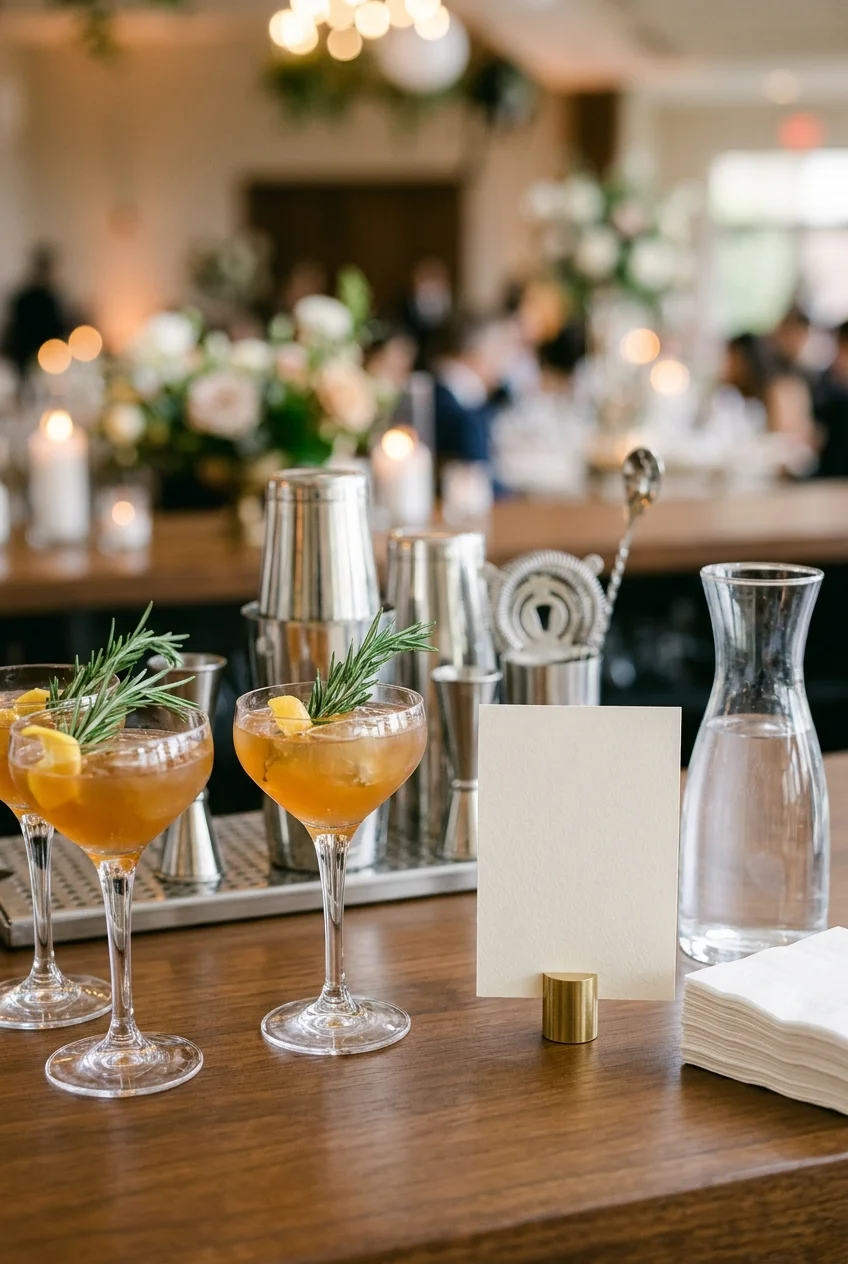
A nonalcoholic signature drink can carry the season through citrus, ginger, tea, herbs, or baking spices. Design it as a finished bar option with its own glassware and garnish rather than a watered-down version of a cocktail.
50. Choose a Small Cake With Berry Accents
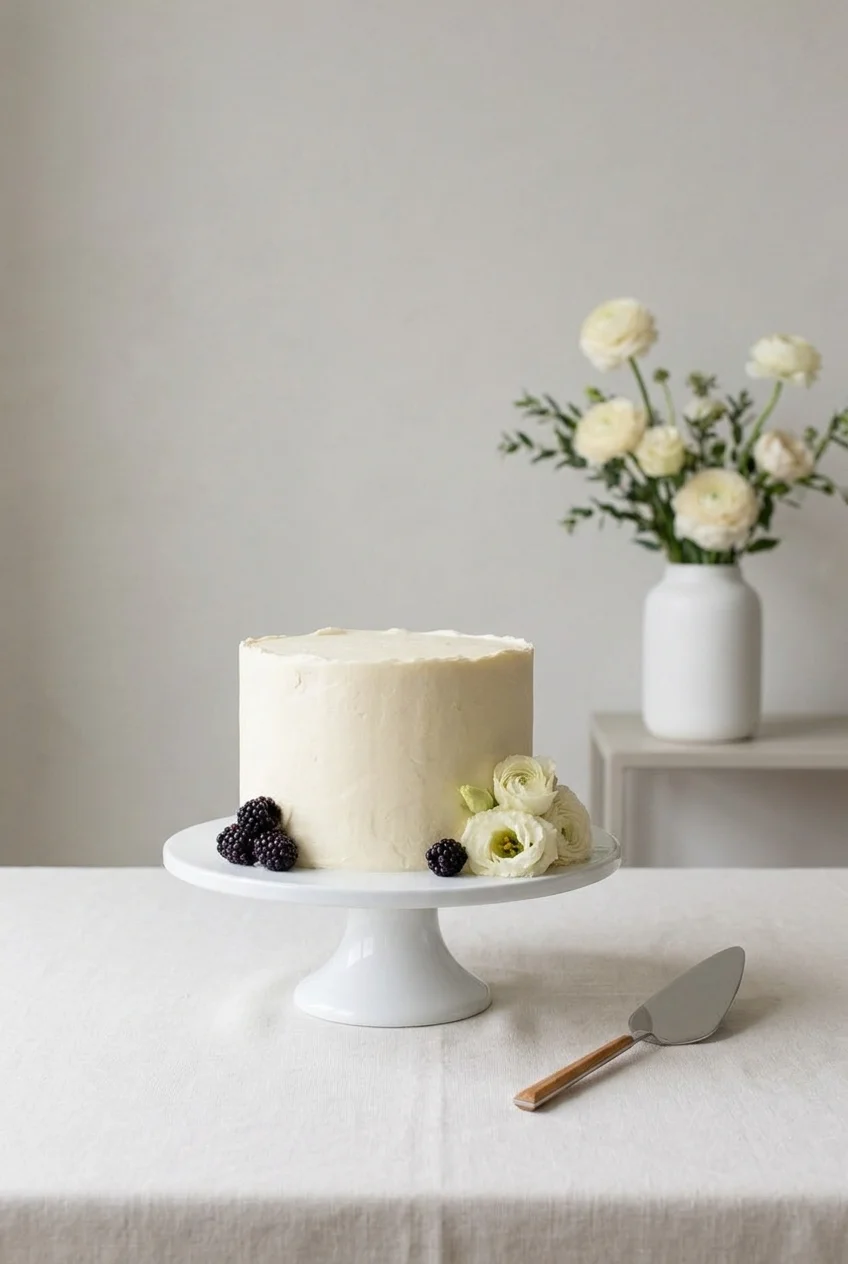
For a smaller guest list or dessert spread, a modest cake can still look complete on a pedestal. Use berries as a color and composition cue, and let the baker confirm what is suitable, stable, and intended for eating.
Dress for Comfort Without Losing the Look
51. Choose Outerwear With the Outfit
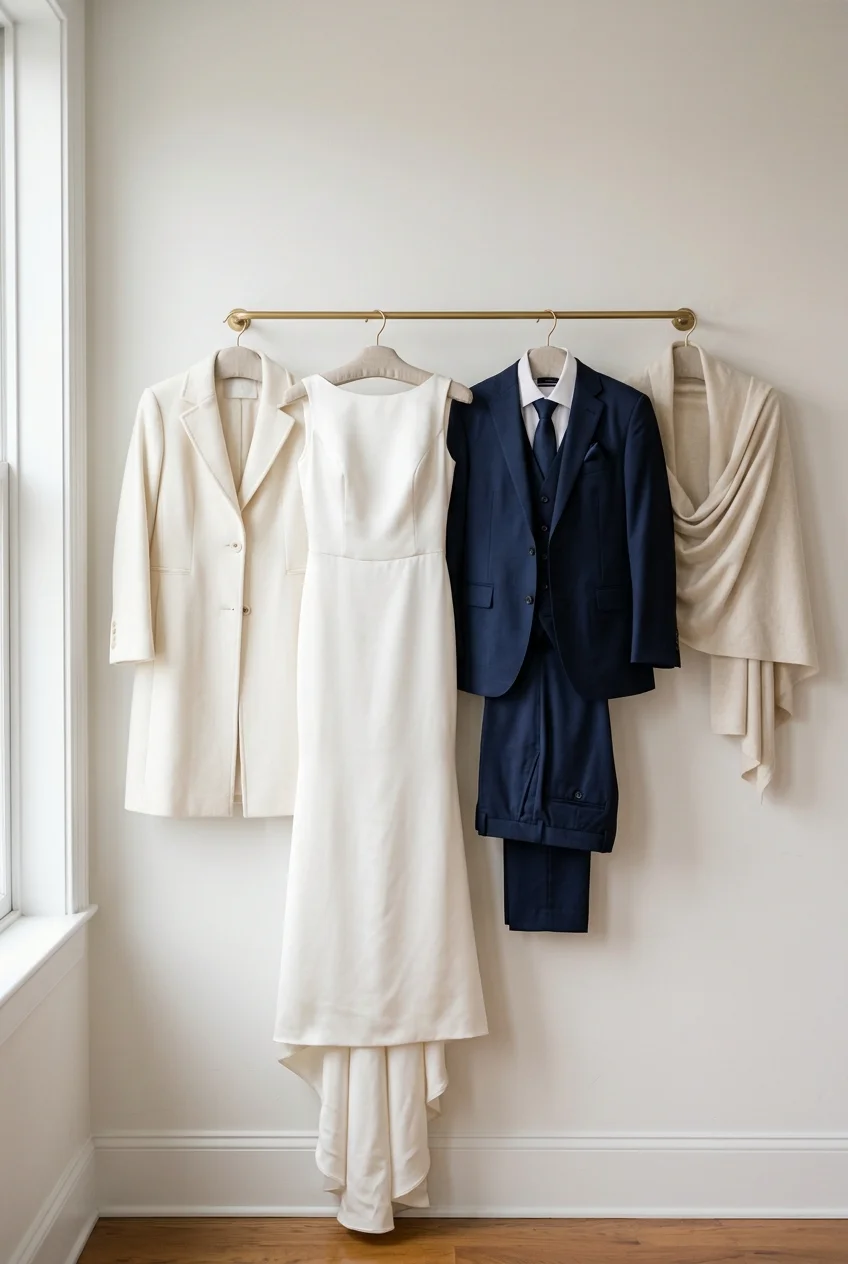
Select a coat, cape, wrap, or tailored jacket during fittings so the neckline, sleeve, hem, and bouquet all work together. Even if it appears only in transit or portraits, intentional outerwear looks better and prevents a frantic last-minute substitute.
52. Give the Wedding Party Flexible Layers
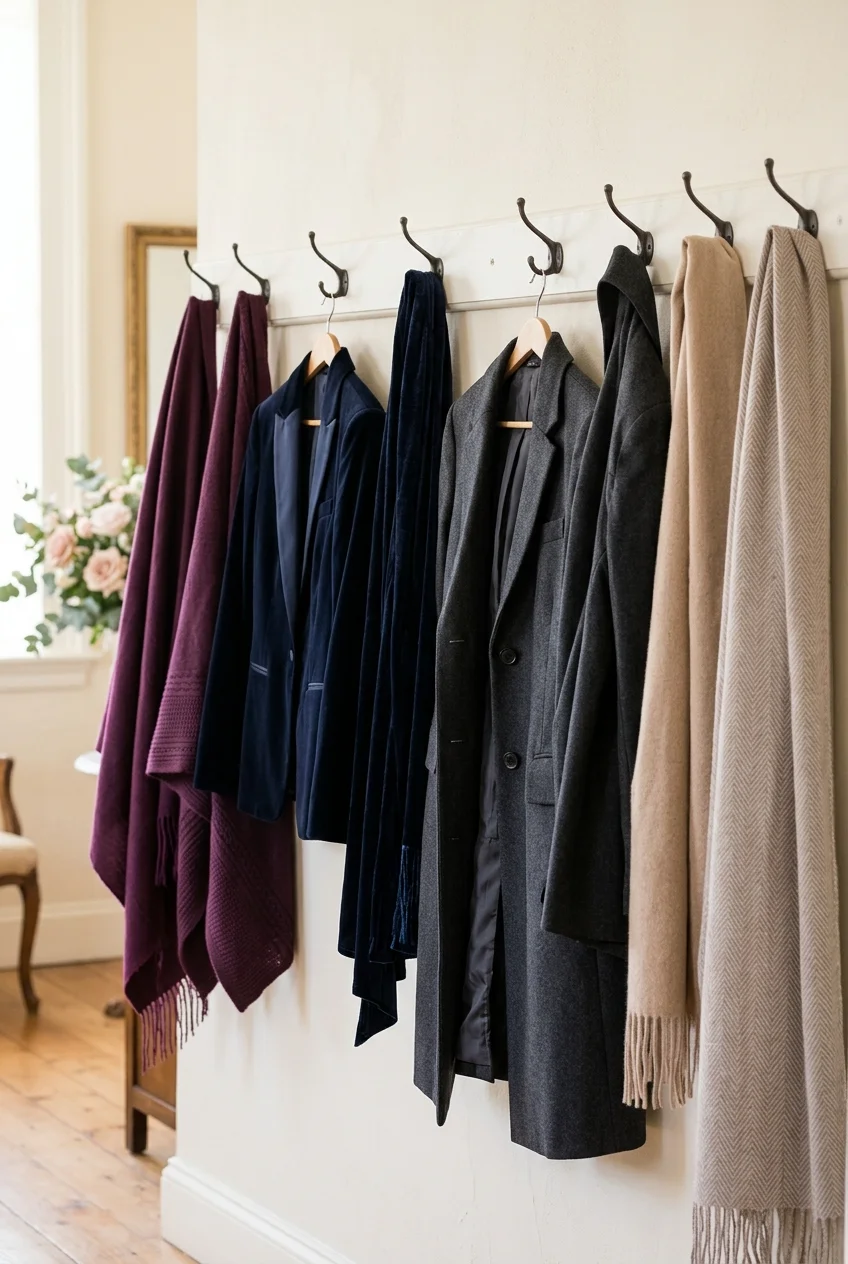
Coordinate layers by color family or material instead of requiring identical coats. A mix of shawls, velvet jackets, and tailored overcoats can suit different bodies and still look cohesive when the group steps outside.
53. Plan Two Pairs of Shoes
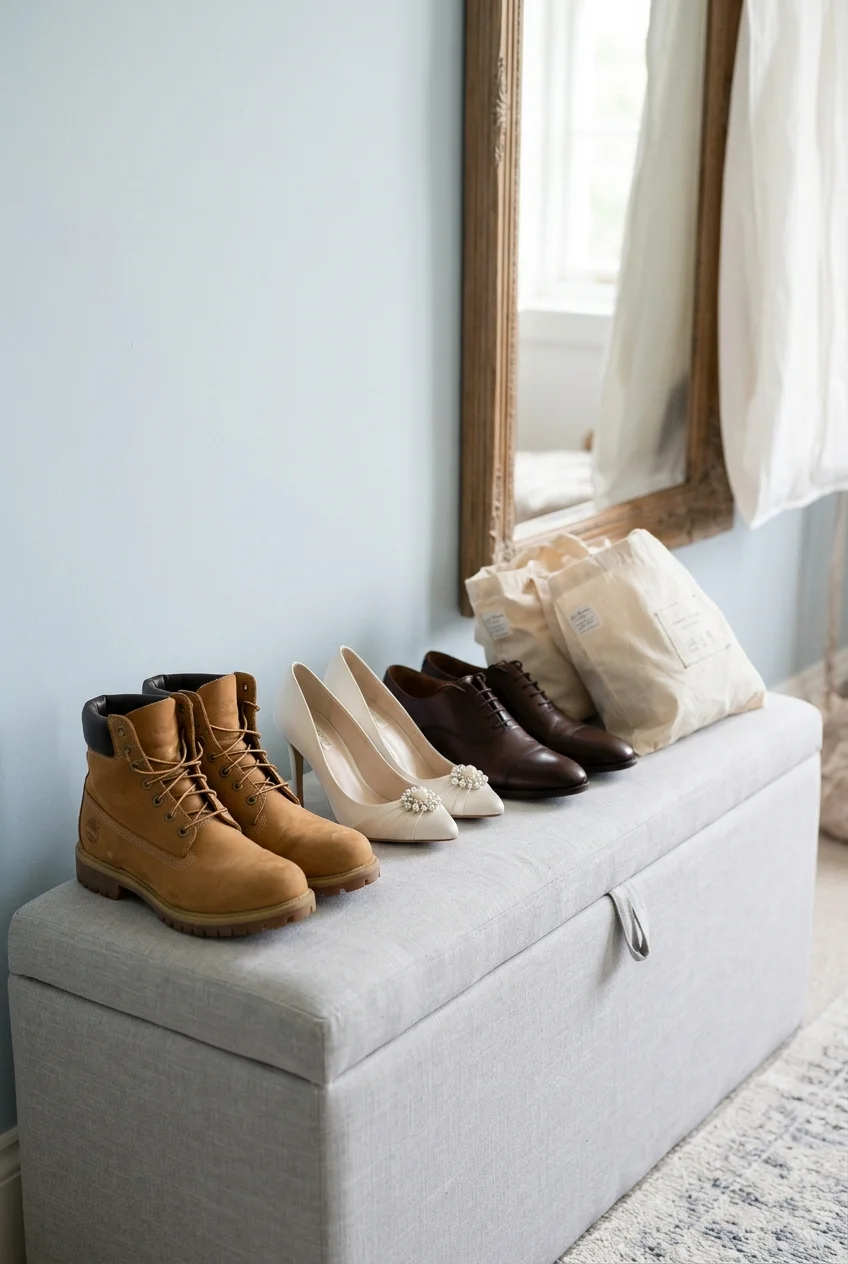
Use weather-appropriate shoes for travel and outdoor portraits, then change into formal or dance shoes indoors. Assign a labeled tote or basket for the switch so footwear does not disappear under a table or in a crowded suite.
54. Explain the Dress Code in Practical Terms
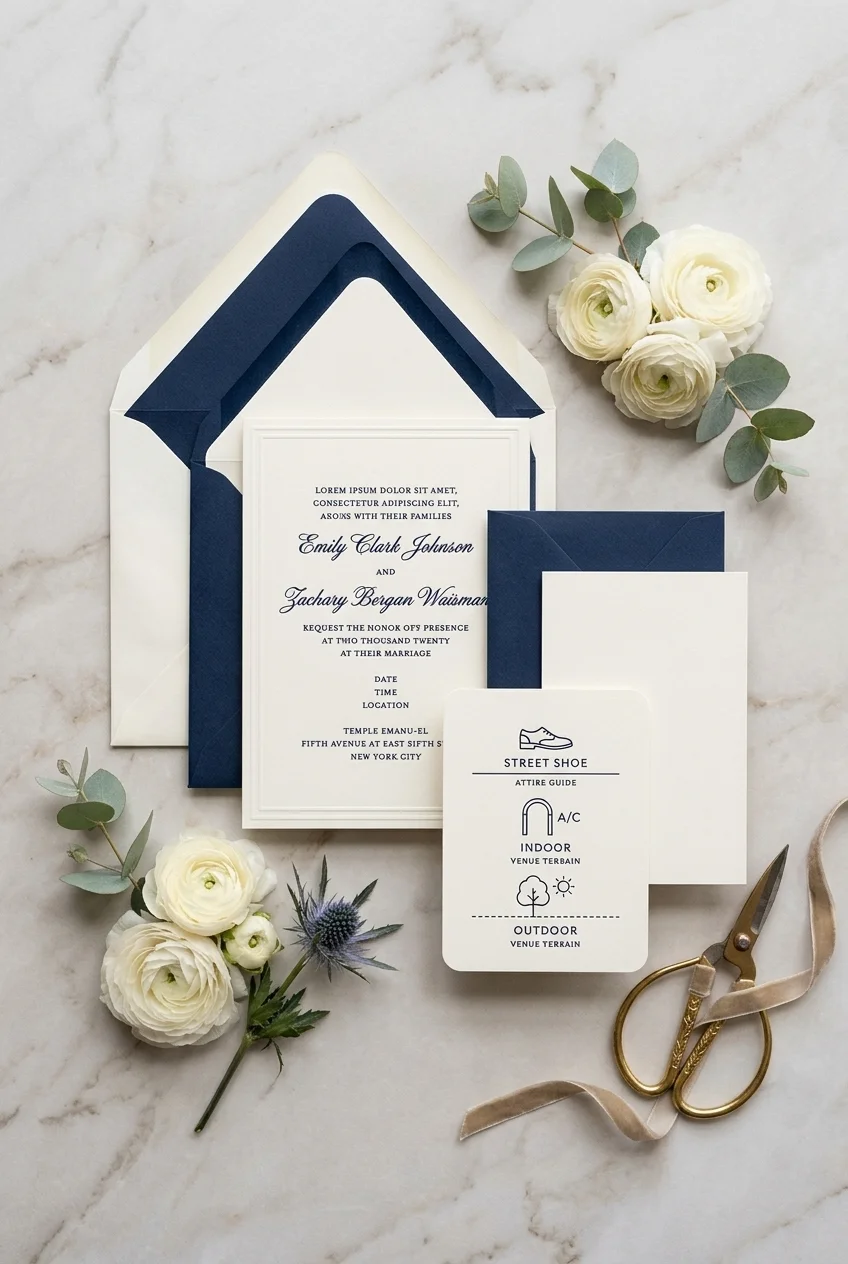
Pair the formality label with useful context: ceremony surface, how much time is outdoors, and whether the venue is heated. Guests can make better choices when “formal” is followed by information they can actually dress for.
55. Offer Blankets Only Where They Will Be Used
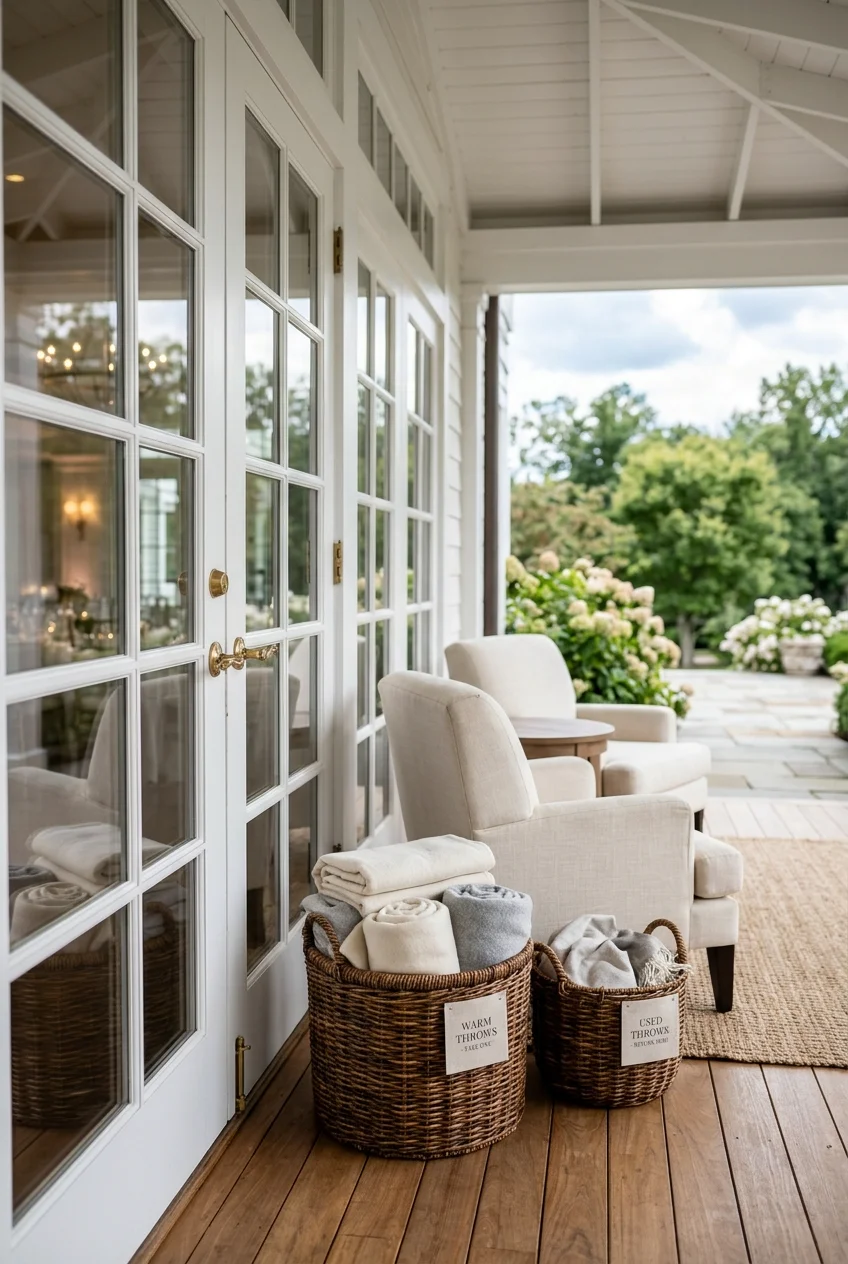
A blanket basket makes sense beside a brief outdoor ceremony, covered terrace, or drafty lounge—not as automatic winter décor. Choose washable throws, keep them dry, and place a return basket where guests naturally reenter.
56. Prioritize a Bright, Comfortable Getting-Ready Room
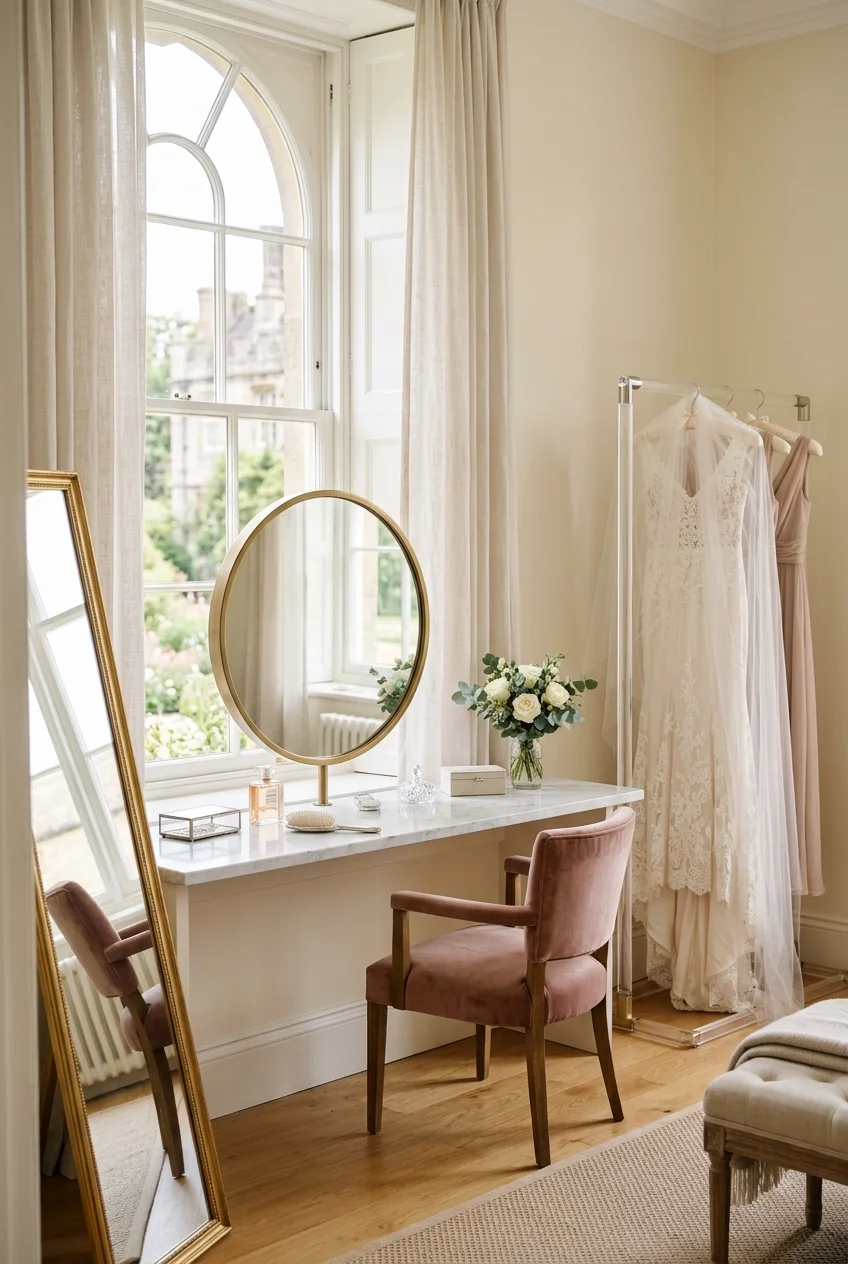
A warm suite with daylight, enough mirrors, outlets, seating, and hanging space is more useful than a photogenic room that cannot support the group. Confirm access time and whether temperature control starts before vendors arrive.
57. Scale the Bouquet to Planned Outerwear
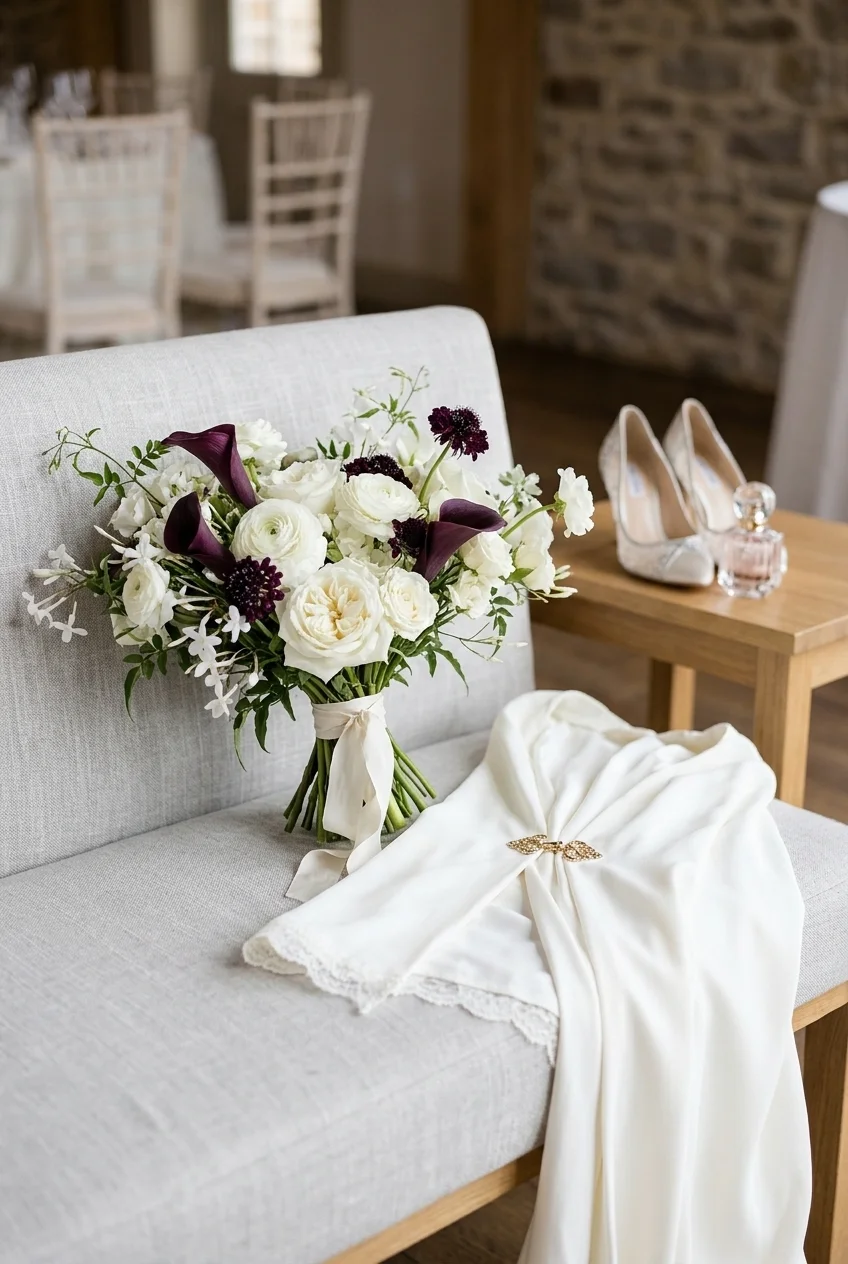
A bouquet that works with bare arms may crowd a cape or structured coat. Bring a photo or sample of the outer layer to the florist and test where the bouquet sits so flowers, sleeves, and fastenings do not compete.
58. Brief Beauty Vendors for Indoor-Outdoor Changes
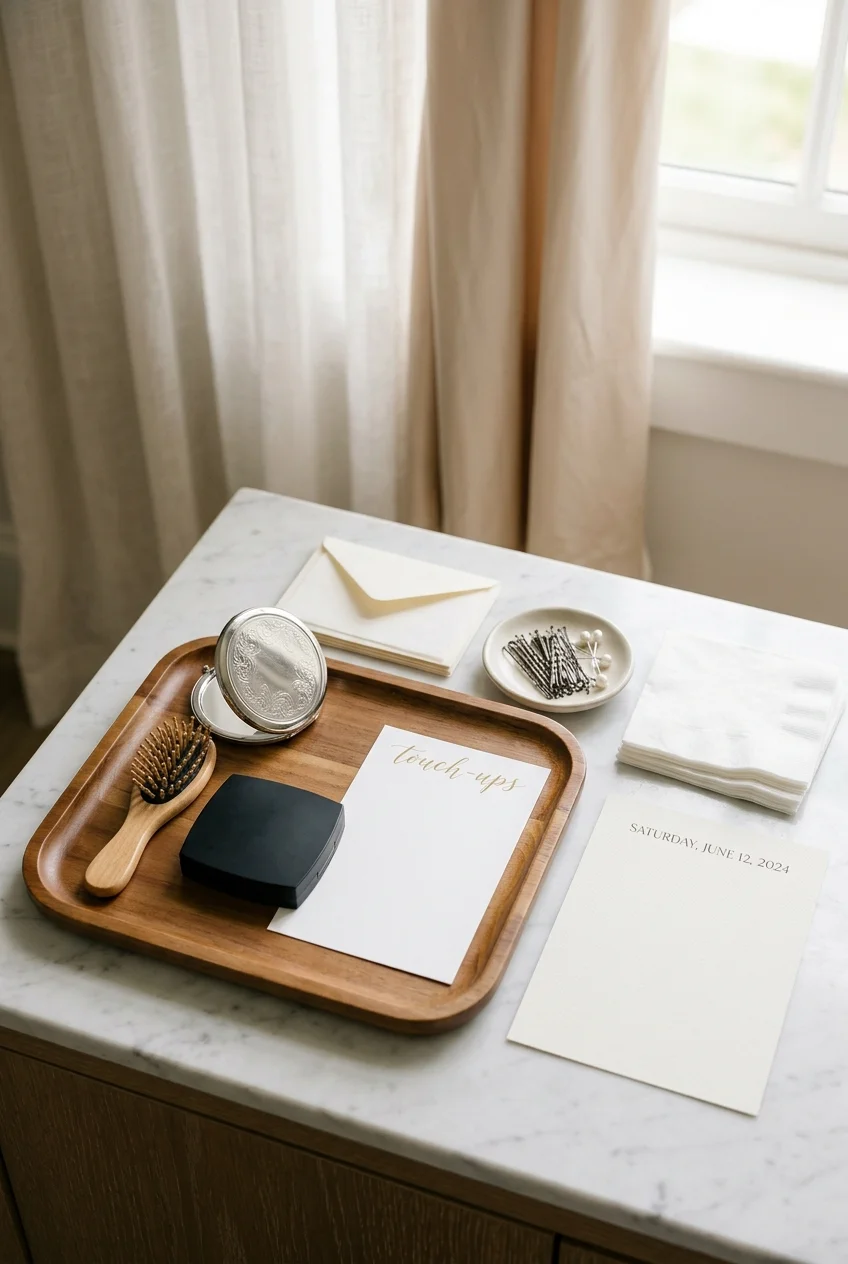
Tell hair and makeup teams about wind, precipitation, heated interiors, and portrait timing. Ask for a practical touch-up plan and choose the style through a professional trial rather than assuming one product or finish handles every condition.
59. Protect Formalwear During Transport
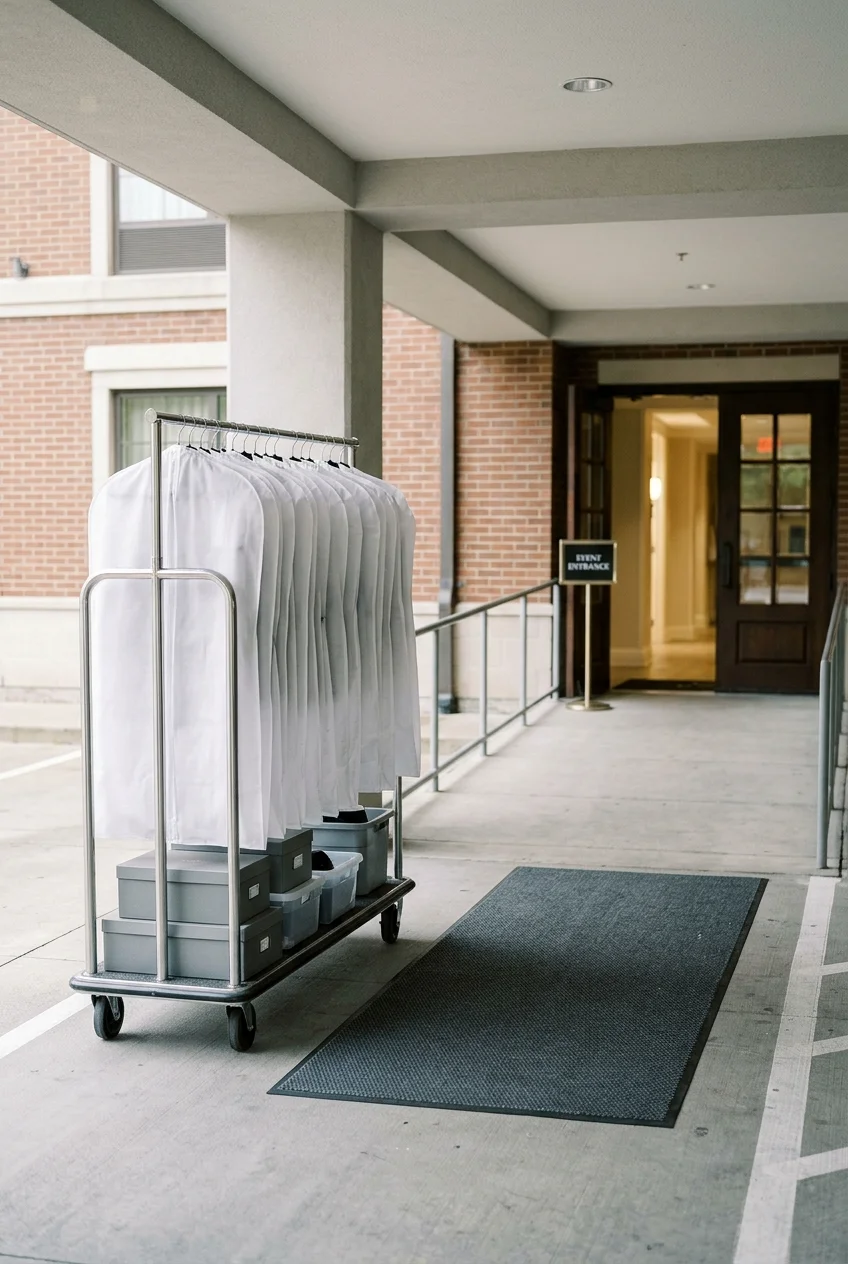
Use garment bags, a clean hanging area, and a covered loading route between hotel and venue. Assign one person to track attire and accessories so trains, hems, suits, and veils are not carried through wet entry traffic.
60. Build a Small Guest Comfort Station
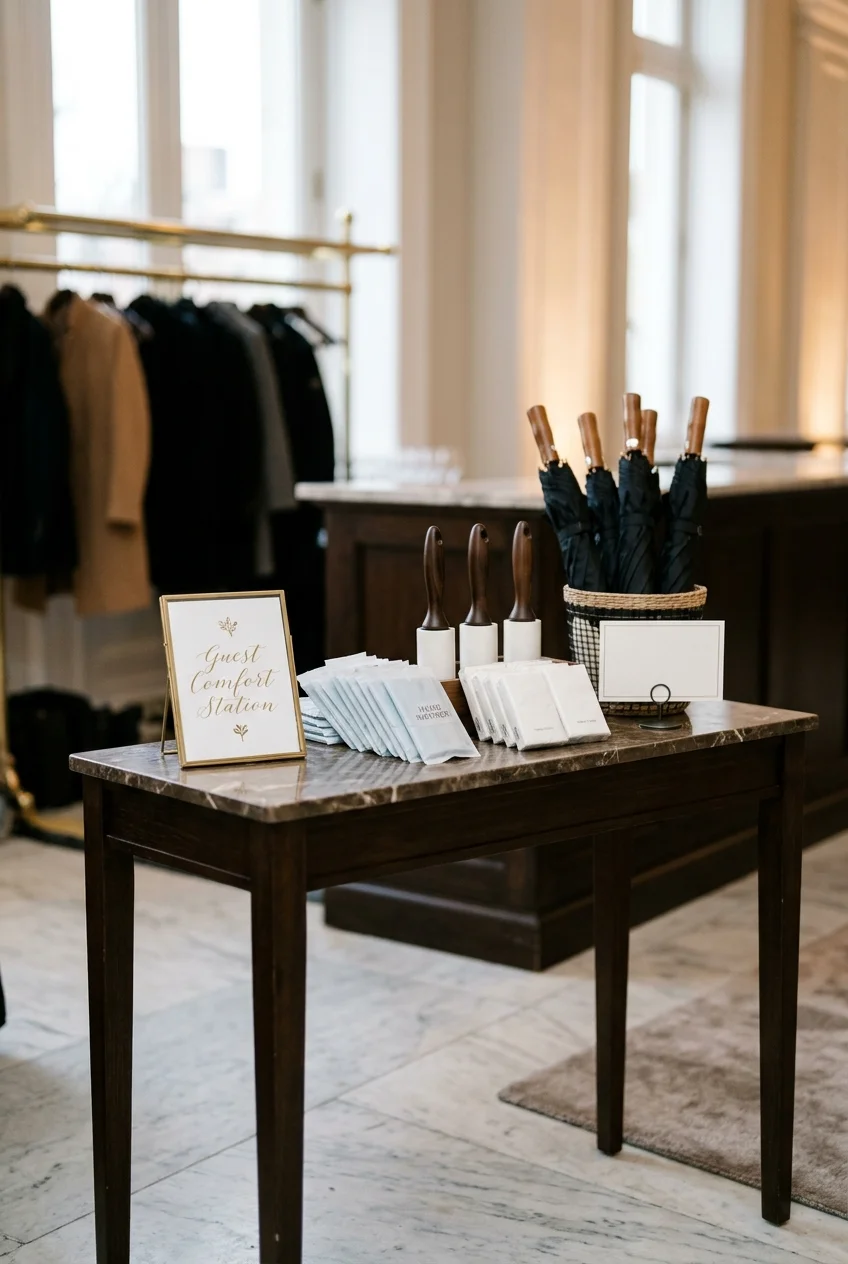
Stock only likely needs for your conditions, such as tissues, lint rollers, umbrellas, hand warmers, or sunscreen in a warm climate. Keep supplies in original safe packaging, avoid medical claims, and place the station near restrooms or coat check.
Guide Guests and Create Memorable Moments
61. Add a Weather-and-Travel Invitation Insert
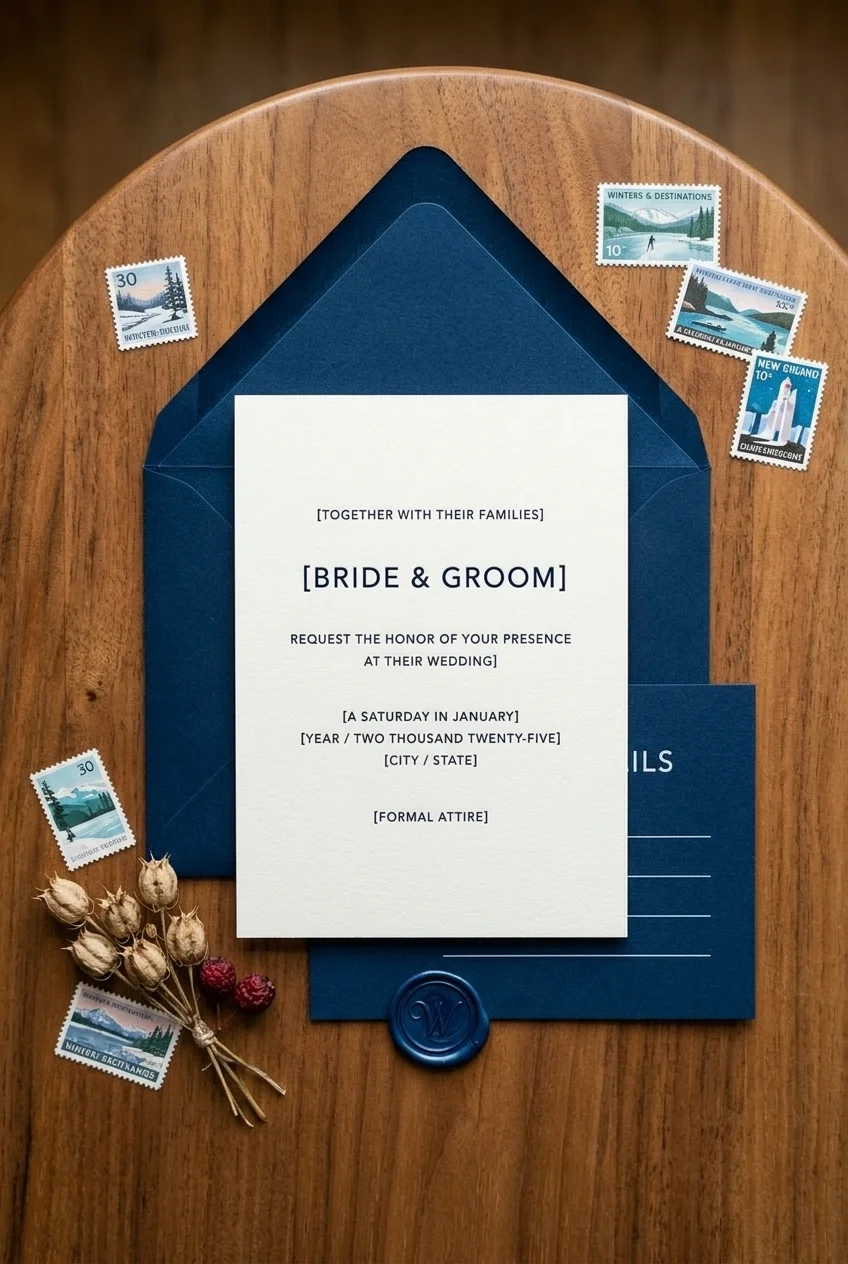
Use a small insert for the hotel area, transportation plan, indoor-outdoor expectations, and the wedding website. Keep changing details online; the paper card should direct guests to the current source rather than promise a forecast months ahead.
62. Use One Wedding-Website Update Banner

Create a single obvious place for weather, shuttle, and venue updates, then tell guests when it will be refreshed. Avoid scattering changes across texts, social posts, and multiple pages where different versions can circulate.
63. Mount the Welcome Sign at the True Arrival Point
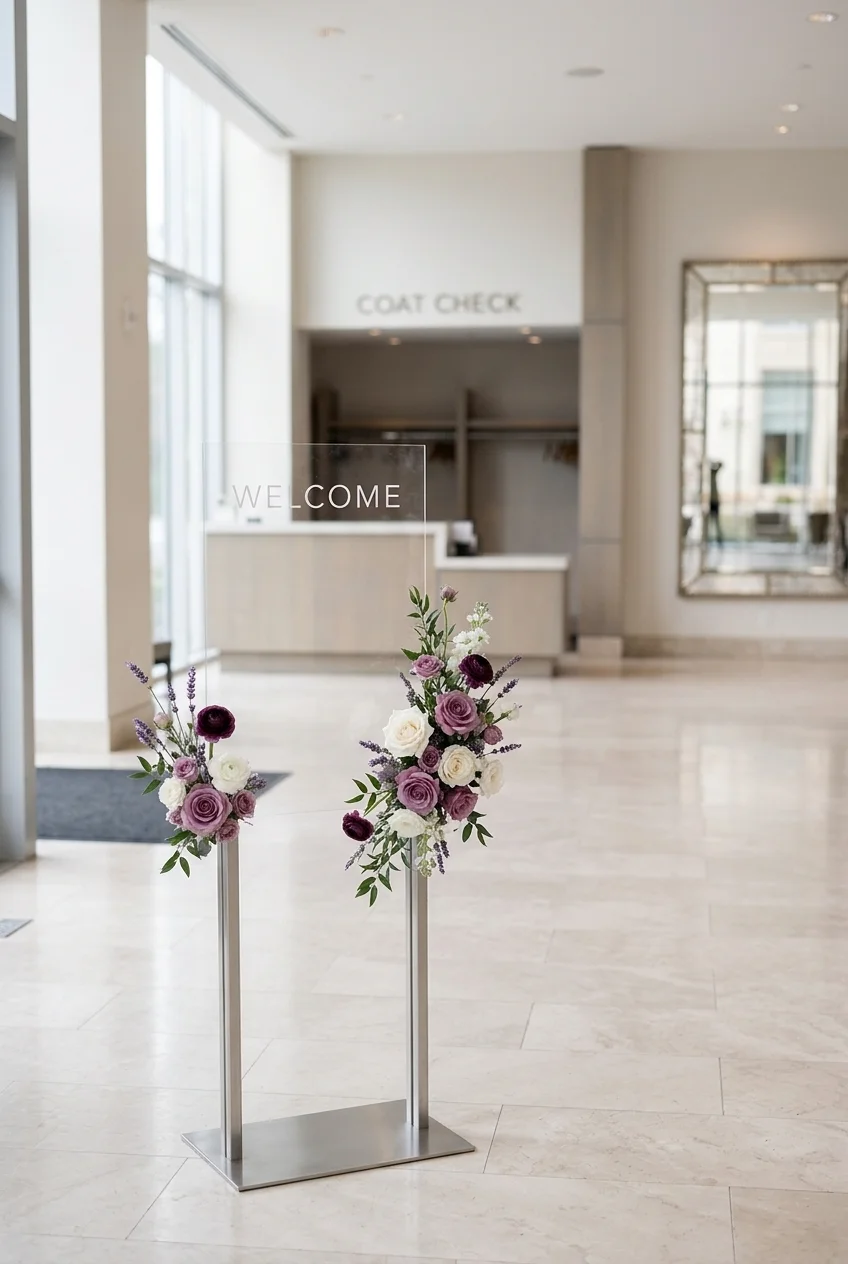
Put the welcome sign where guests finish coat check or enter the event—not outside where weather can damage it or where drivers cannot stop. Keep lettering brief and mount flowers so they do not hide the message or narrow the path.
64. Use a Mirror Seating Chart to Reflect Warm Light
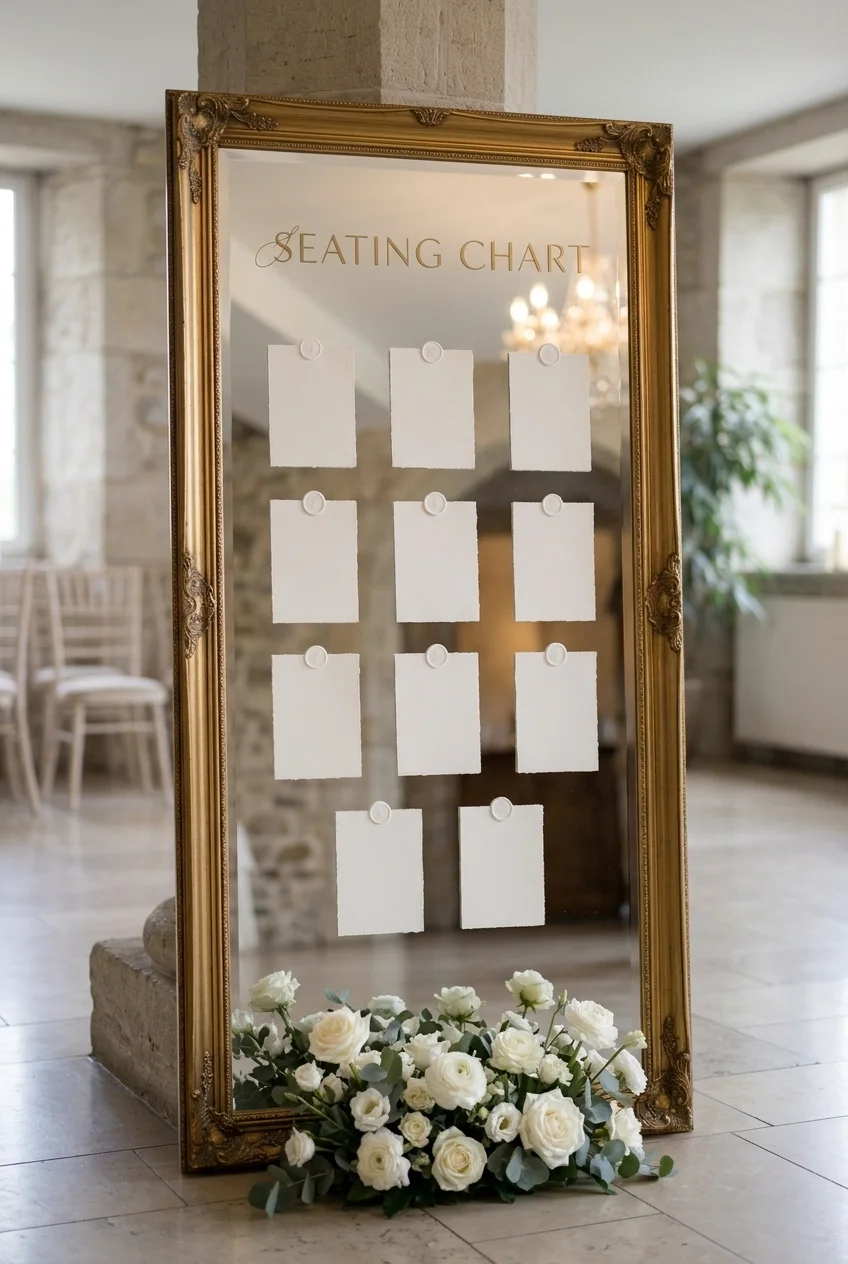
A mirror chart can brighten a darker lobby and feel substantial without another floral installation. Place guest assignments in clean blocks, control reflections during setup, and never position it where people must stand in an entry queue to read it.
65. Raise Table Numbers Above Low Décor
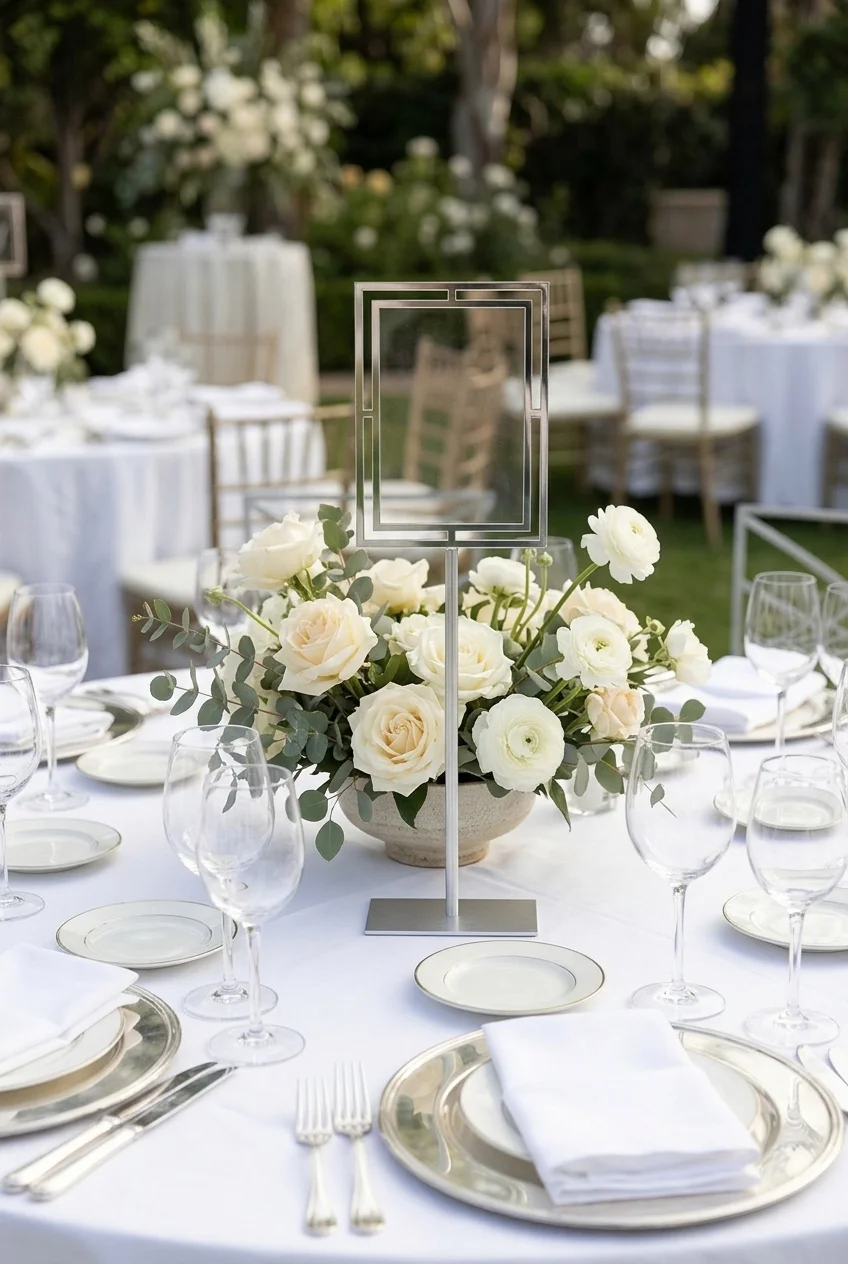
Guests should see table numbers before reaching the chair backs. Use freestanding numbers with consistent height, test them from the room entrance, and keep the base stable without burying it inside flowers or serving platters.
66. Create a Lounge That Supports Conversation
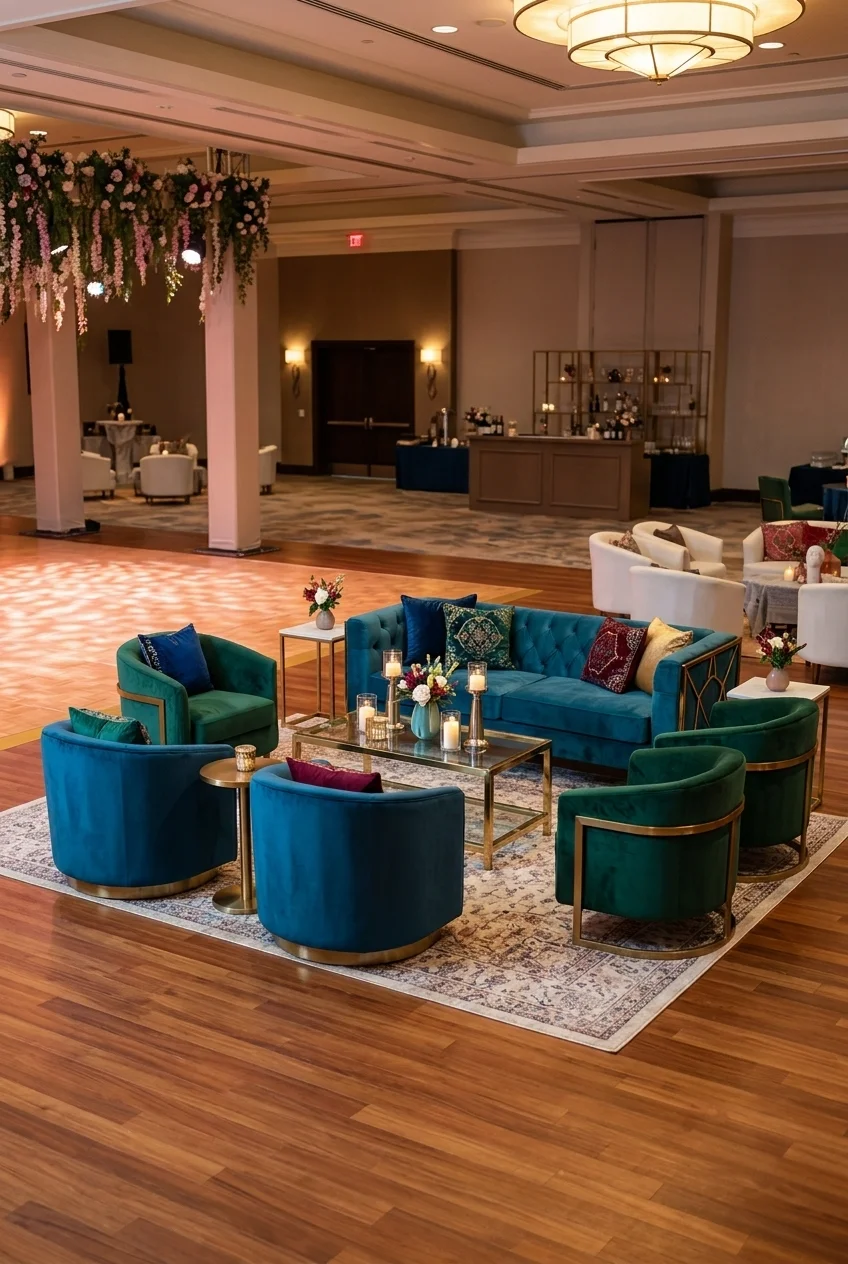
Group sofas and chairs around small tables near, but not inside, the dance floor. Leave an obvious mobility route and enough surfaces for drinks; a January lounge is useful because guests may spend more of the evening indoors.
67. Set Out a Photo Guest Book With Space to Work
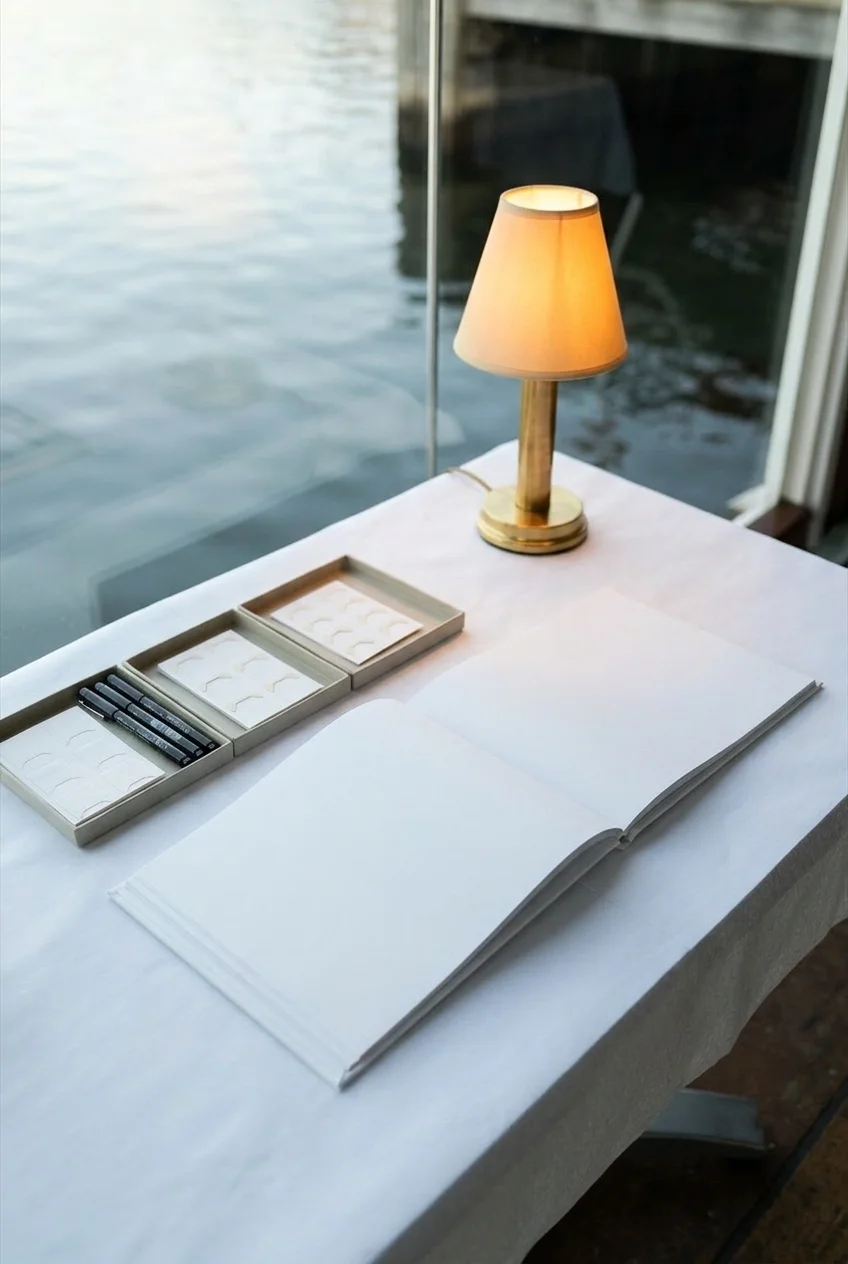
Whether guests add instant photos or written notes, give the book a flat surface, reliable light, spare pages, and a defined spot for finished materials. Keep the station out of drink traffic and assign someone to check supplies.
68. Add a Quiet Indoor Game Nook
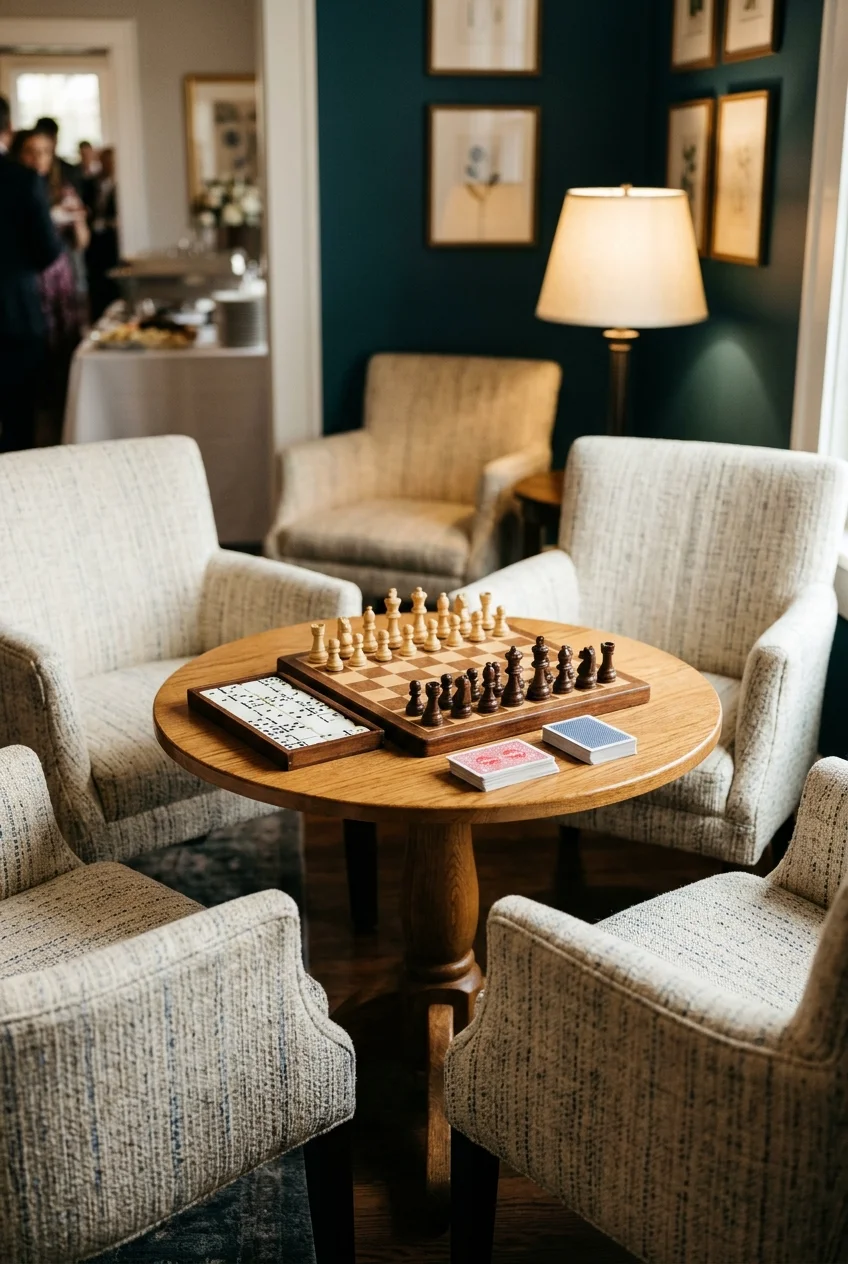
Choose compact tabletop games that guests can understand without an emcee, then place them in a lounge or cocktail area away from dinner service. Limit the selection so pieces remain organized and the station feels inviting rather than cluttered.
69. Plan a Venue-Approved Indoor Finale
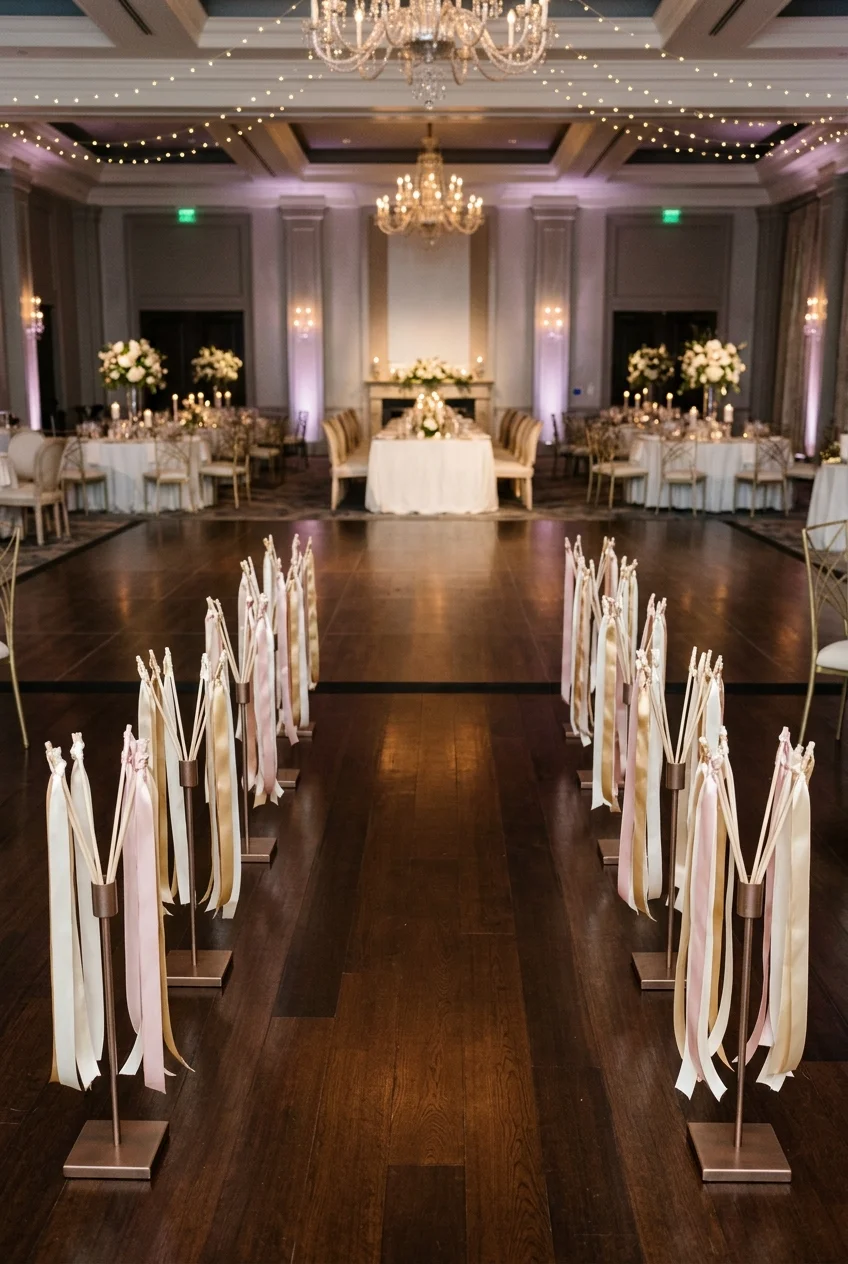
A last dance, ribbon-wand tunnel, cold-spark alternative managed by the venue, or permitted confetti moment can deliver a finale without sending everyone into bad weather. Choose one option only after confirming cleanup, alarms, surfaces, and venue rules.
70. Make a Champagne Tower a Staffed Moment
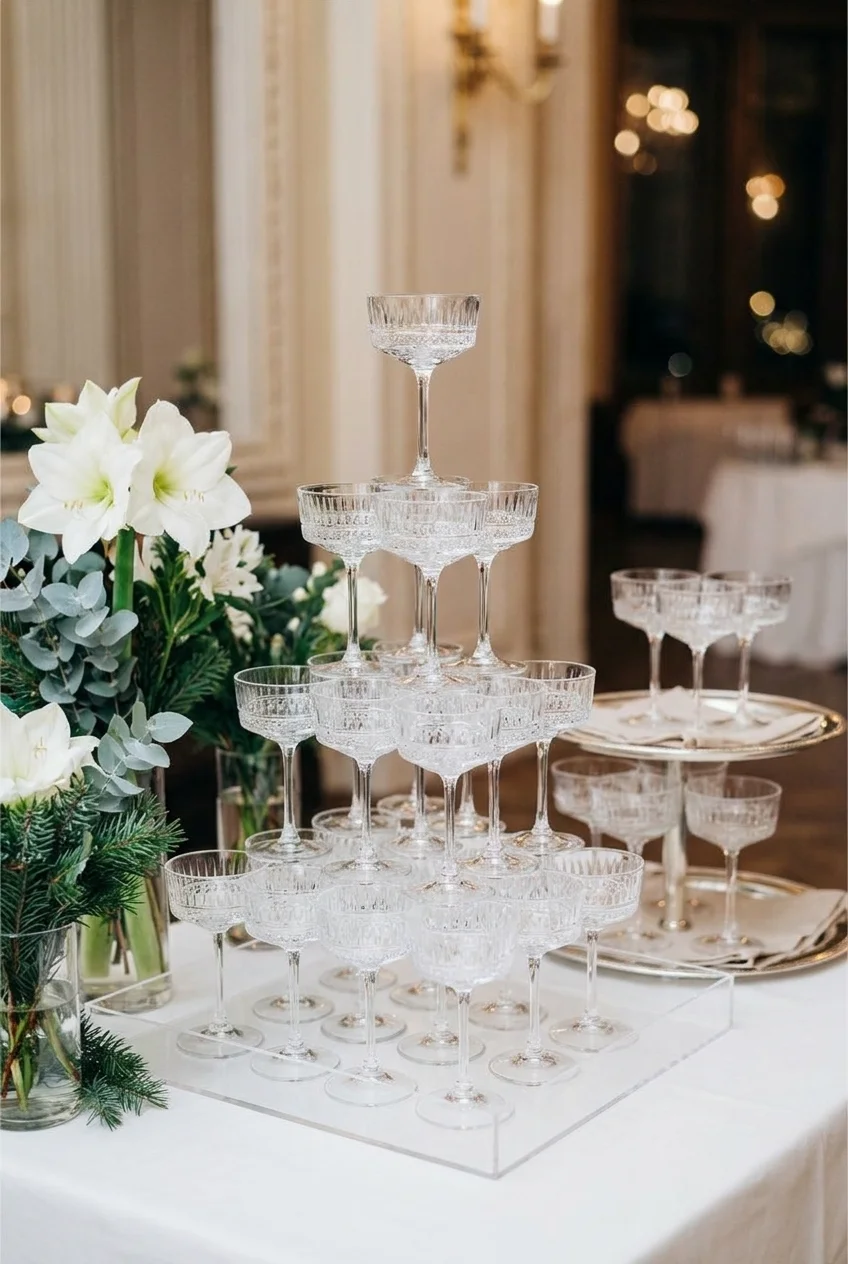
Treat a coupe tower as a brief, professionally assembled reception feature rather than unattended décor. Place it on a level protected surface, keep the guest route clear, and let venue or catering staff control setup, pouring, and breakdown.
Is January a good month for a wedding?
Yes, when the venue and timeline suit the local climate. January can support indoor celebrations, mild-weather destinations, daytime events, and snow-focused weekends, but the date itself does not guarantee lower prices, snow, or easier availability.
Are January weddings less expensive?
Sometimes, but not automatically. Venue and vendor demand varies by market, holiday weekend, destination, and service. Compare complete proposals, including heating, transportation, coat check, weather backups, rentals, and guest lodging, before treating January as a budget shortcut.
What colors work for a January wedding?
Choose colors that fit the room and location. Midnight blue and silver, burgundy and blush, green and plum, black and ivory, powder blue and cocoa, or coral and sage in a warm climate can all feel appropriate without relying on Christmas red and green.
How should we handle possible snow or ice?
Create decision points with the venue and planner, keep hotel and event locations close, add travel buffers, and name one update channel for guests. If official warnings make travel unsafe, prioritize safety and follow local authorities and contracted vendor policies.
What flowers are practical for a January wedding?
Availability depends on region and supplier, but florists may work with anemones, ranunculus, tulips, hellebores, amaryllis, paperwhites, greenery, branches, and year-round flowers. Brief the desired color, shape, and fullness, then allow informed substitutions.
What time should a January wedding start?
Work backward from local sunset, portrait priorities, travel conditions, and meal style. An earlier ceremony helps with natural-light photographs and daytime travel, while a later start can suit a deliberately lit city or restaurant celebration.
How can we keep guests comfortable without overdoing the winter theme?
Focus on function: short transfers, a real coat check, dry entrances, clear dress guidance, conditioned indoor rooms, warm drinks, and limited outdoor exposure. Blankets, faux snow, evergreens, and holiday décor are optional styling choices, not January requirements.
This post may contain affiliate links: full affiliate disclosure.