
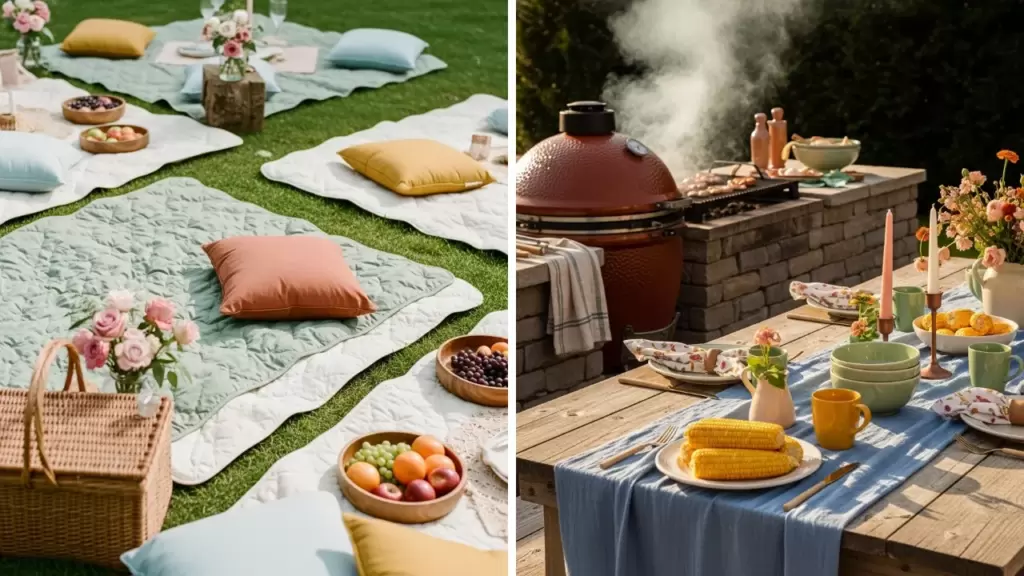
Planning a family reunion involves balancing tradition with fresh activities that appeal to every generation.
These ideas focus on building connections through shared history, friendly competition, and relaxed social settings that accommodate various budgets and locations.
Classic Reunion Themes & Atmosphere
1. Classic Family Picnic
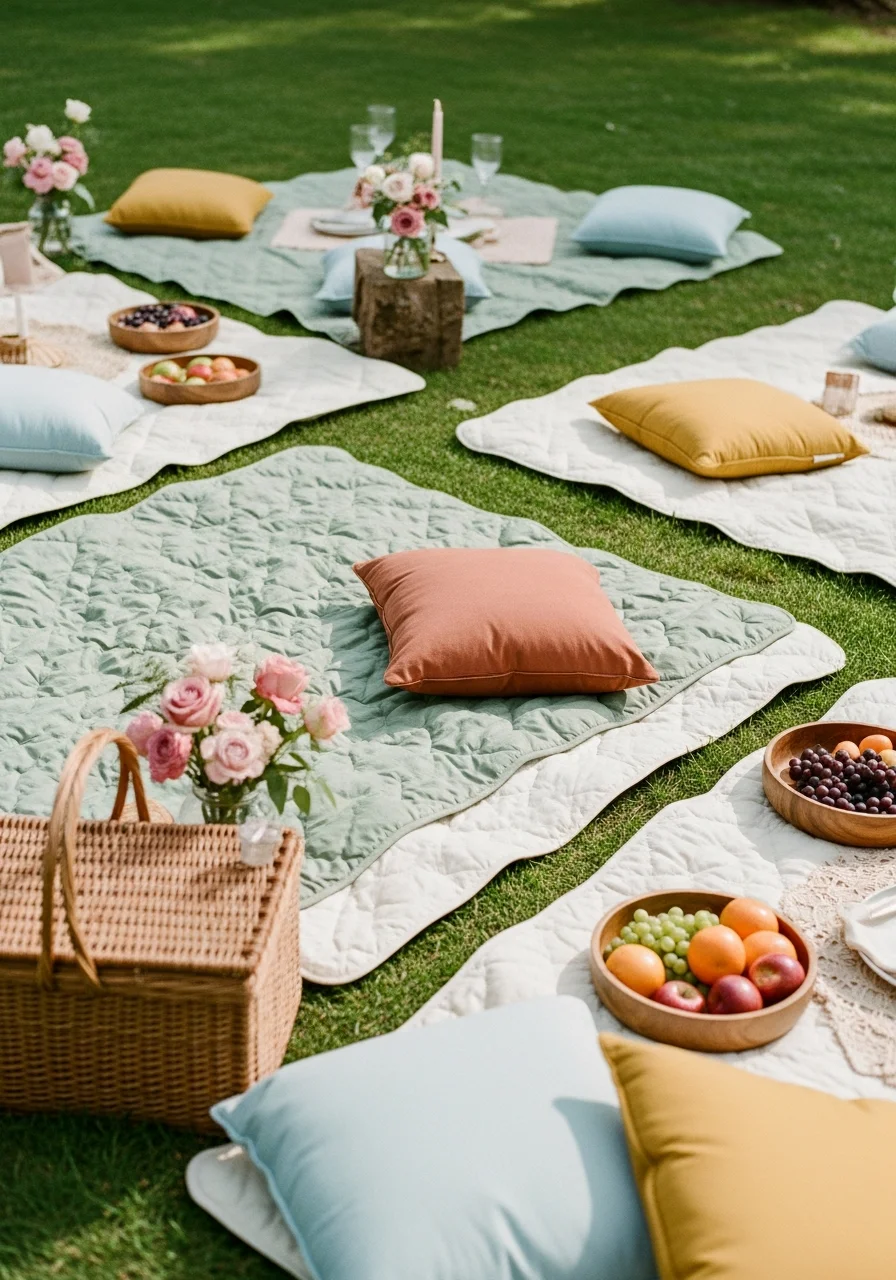
Gather for a relaxed outdoor meal with blankets and lawn games.
Public parks offer a low-cost venue where children can play freely while adults converse nearby.
Reserve a pavilion with electrical outlets to keep slow cookers warm or to power a small music player.
2. Backyard BBQ Cookout
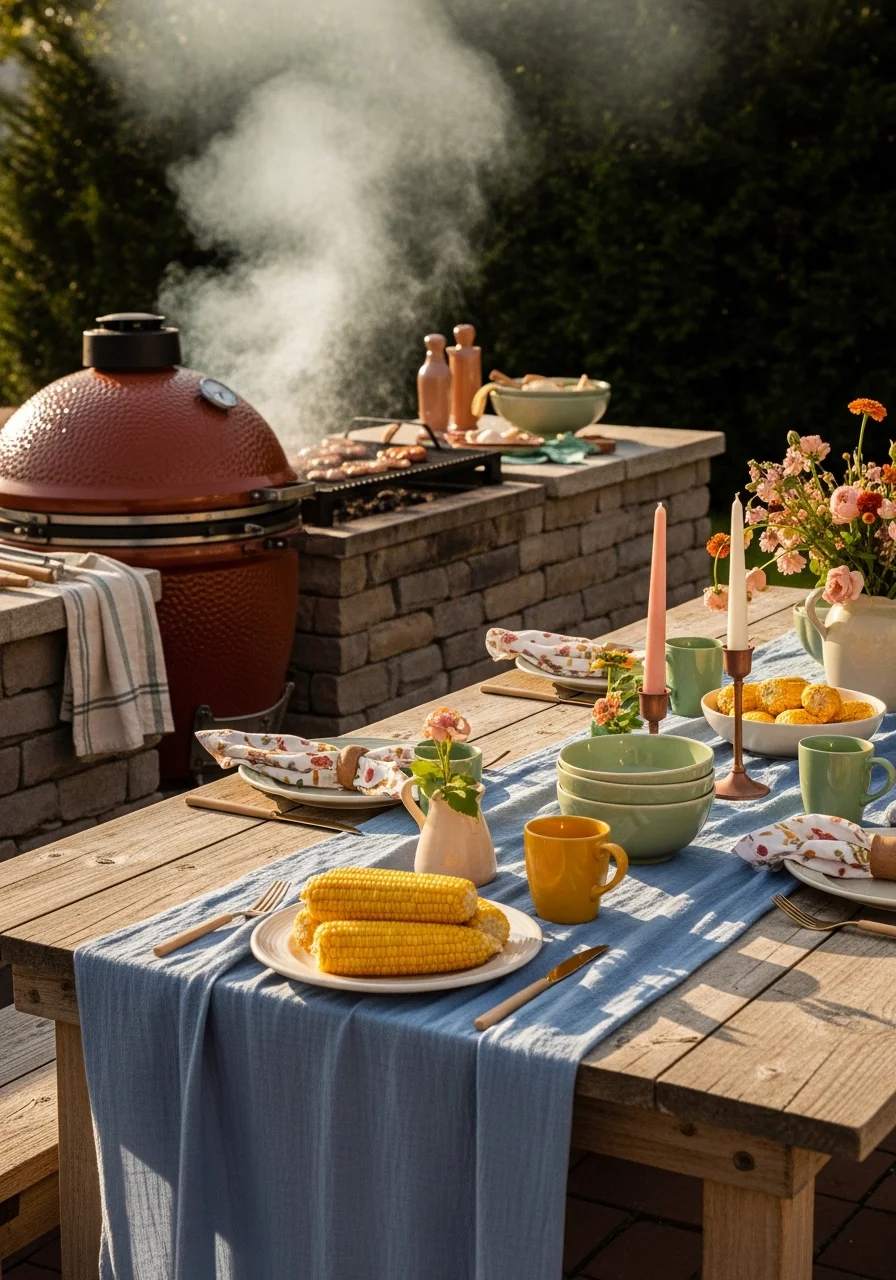
Host a casual home-based gathering with grilled favorites and music.
The familiar setting of a family home reduces travel stress and provides easy access to indoor amenities for elderly guests.
Set up a self-serve drink station with large dispensers to minimize the time spent hosting during the event.
3. Outdoor Movie Night
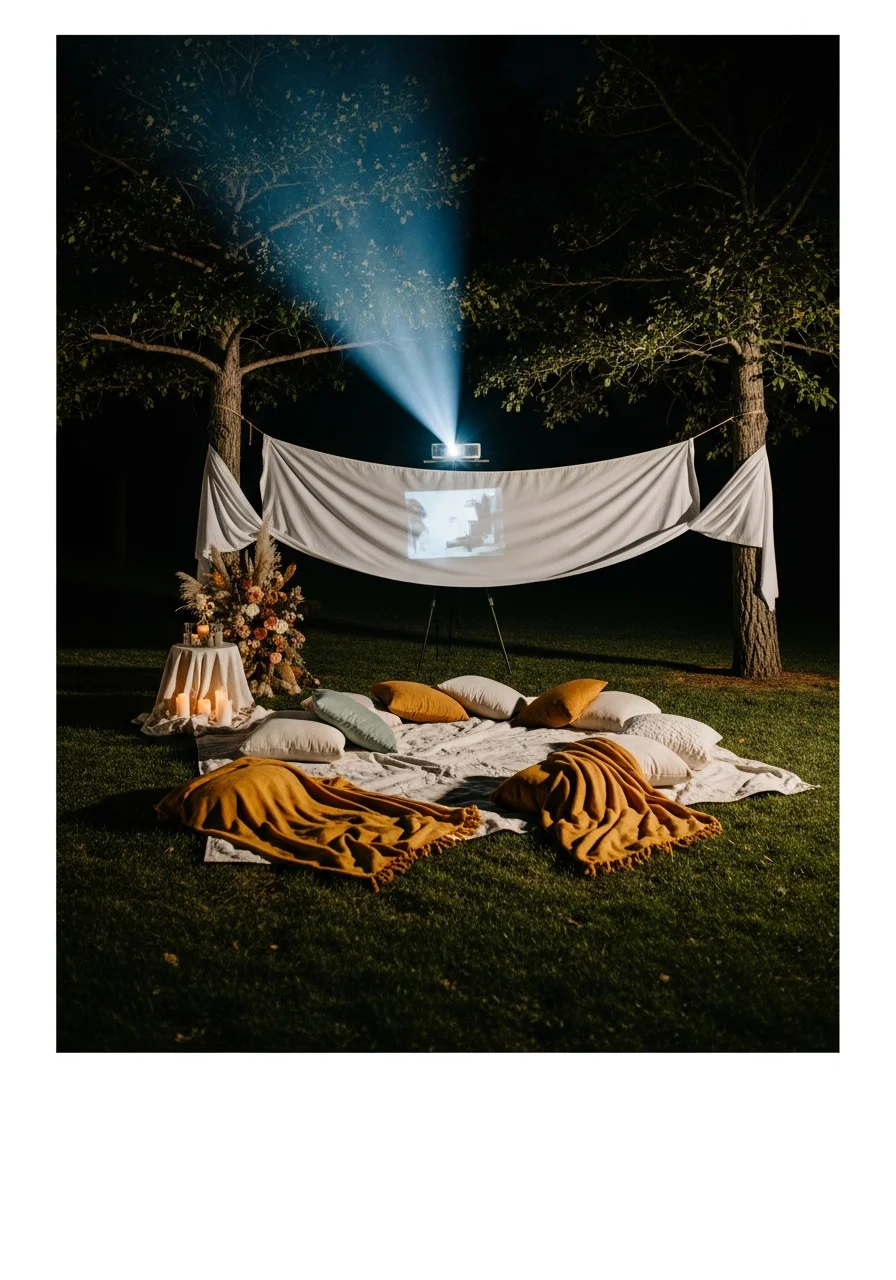
Project a film or family videos onto a screen under the stars.
This provides a low-energy activity at the end of a busy day, allowing everyone to relax together.
If a professional screen isn’t available, a clean white bedsheet stretched tight against a fence or wall works effectively.
4. Decades Theme Party
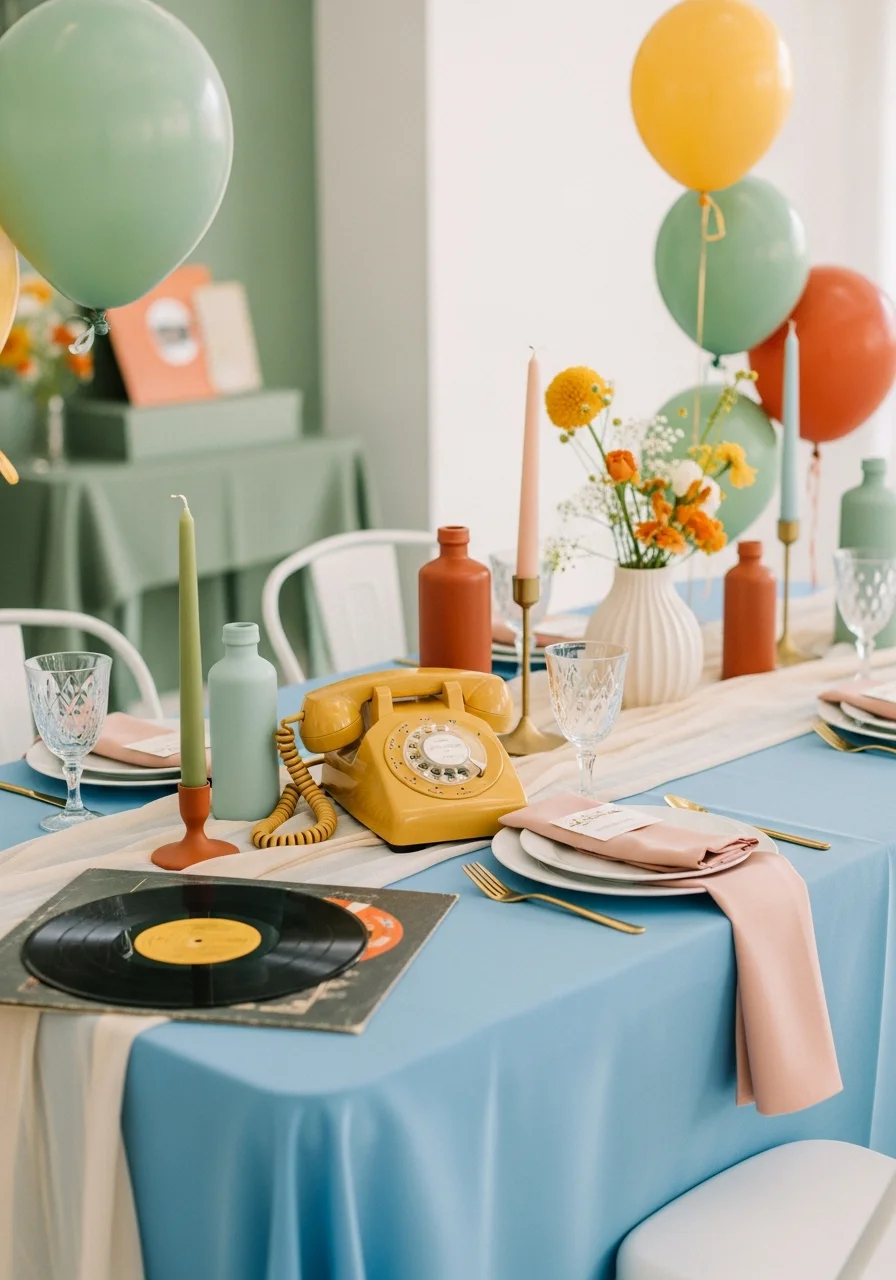
Choose a specific era for costumes, music, and decor.
Themes provide a fun icebreaker and encourage guests to share stories about what life was like during that time period.
Select a decade that is meaningful to the family’s history, such as the year the grandparents were married.
5. Family Talent Show
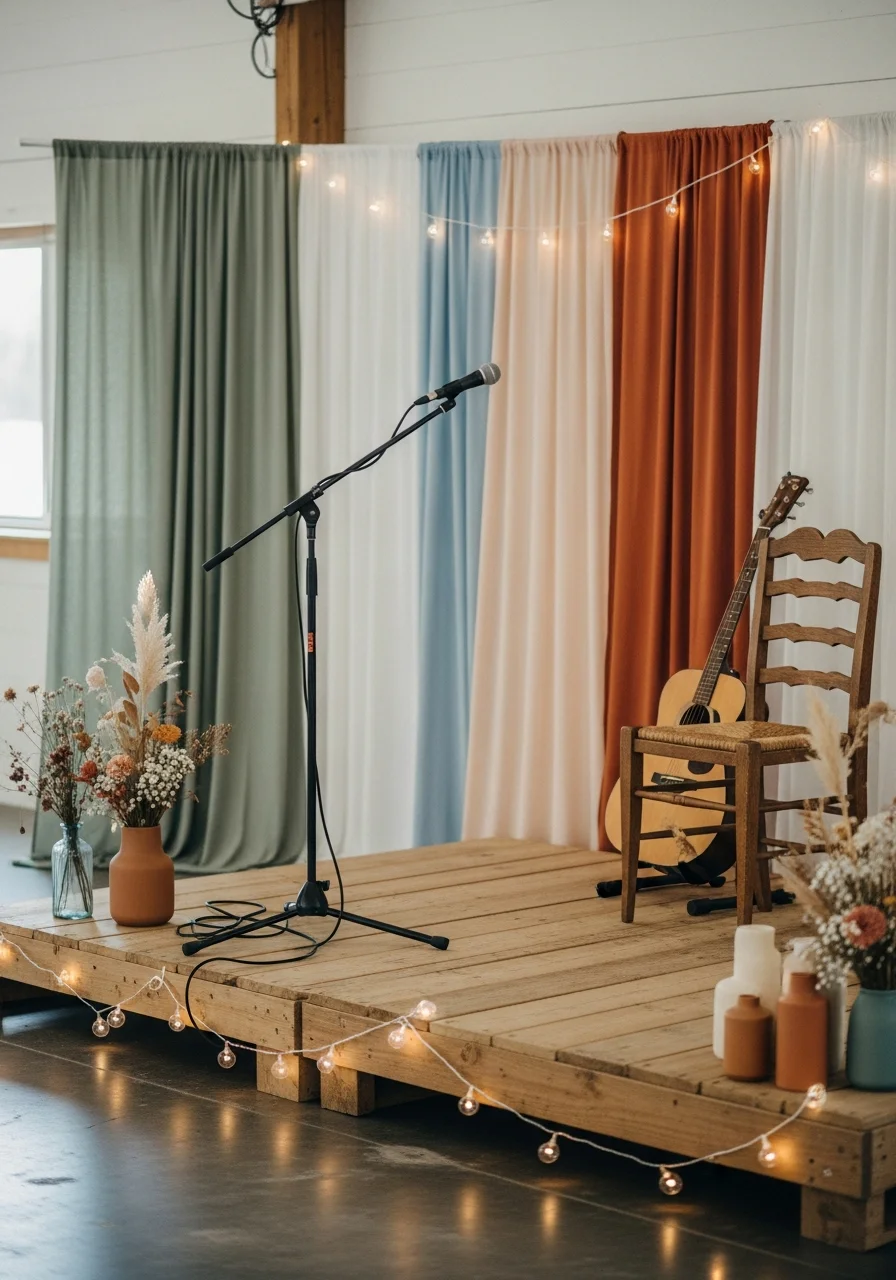
Create a stage for family members to share their skills and hobbies.
A talent show highlights the unique personalities of each family member and builds confidence in younger children.
Keep performances short (under 3 minutes) to ensure the show moves quickly and keeps everyone engaged.
6. Family Karaoke Night
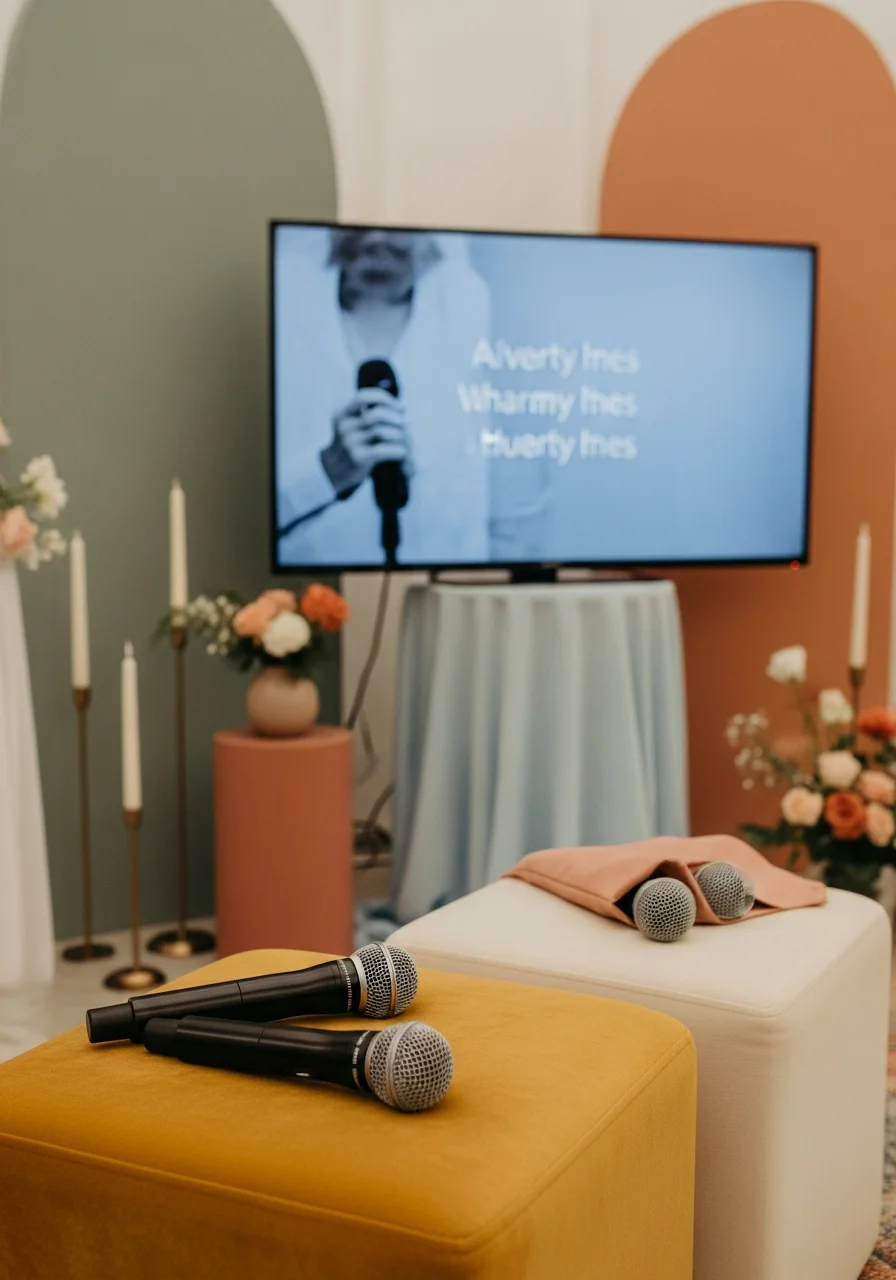
Sing along to popular songs using a home karaoke machine or app.
Music bridges generational gaps, as attendees can choose songs from their own era to share with the group.
Create a ‘duets’ category to encourage older and younger relatives to perform together.
7. Family Awards Ceremony
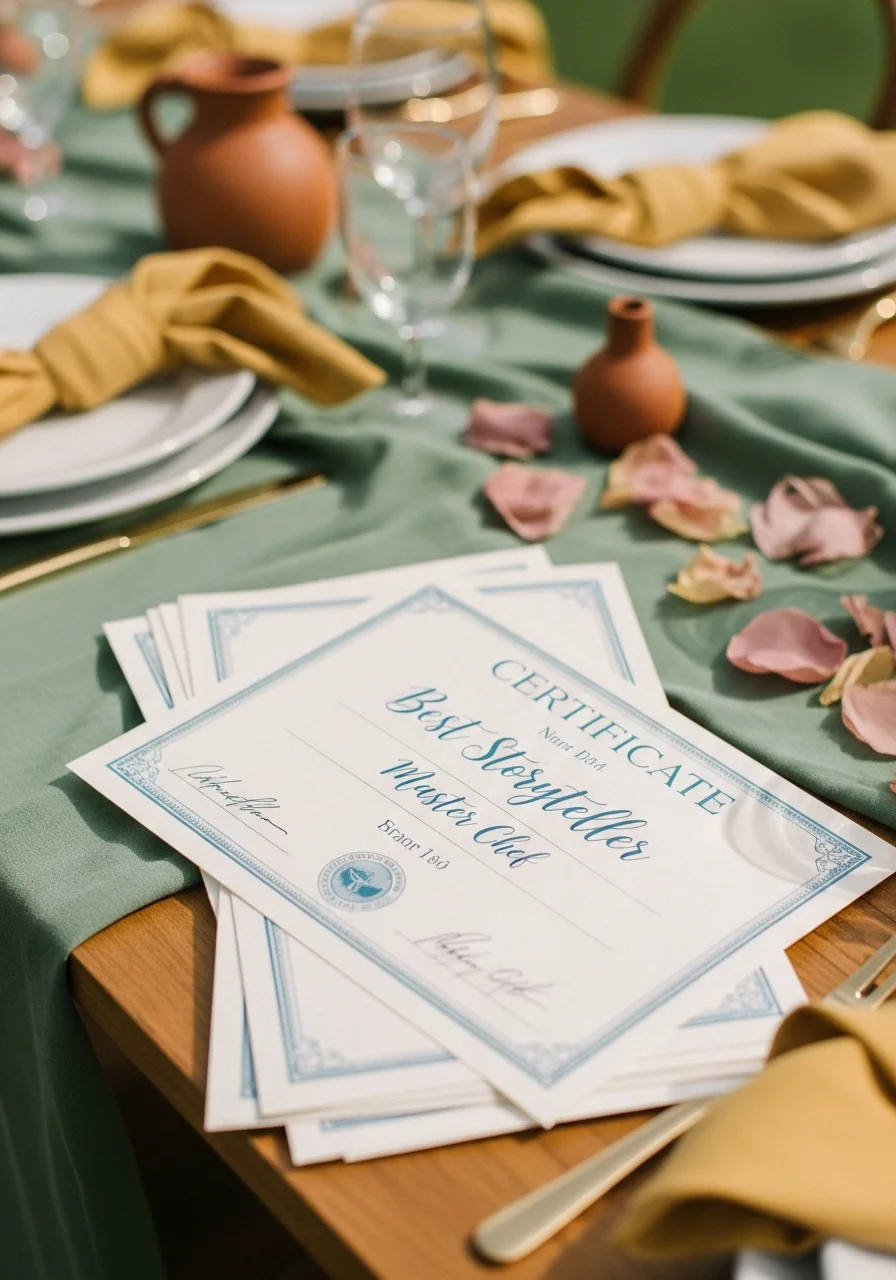
Give out humorous or sentimental awards to various family members.
Awards recognize individual personalities and ensure everyone feels seen and appreciated by the group.
Use simple printable certificates or small trophies from a local craft store to keep the ceremony lighthearted.
8. Reunion Brunch

Host a mid-morning meal with breakfast favorites.
Brunch is often more relaxed than dinner and allows guests who live nearby to attend without staying late into the night.
A waffle or pancake bar with various toppings is an easy way to accommodate different dietary preferences.
9. Outdoor Breakfast Gathering

Meet for coffee and pastries in a local park or backyard.
Morning events are often cooler and quieter, which is ideal for older relatives who may tire easily in the afternoon heat.
Provide a variety of teas and juices alongside coffee to cater to all ages and preferences.
10. Family Dance Party
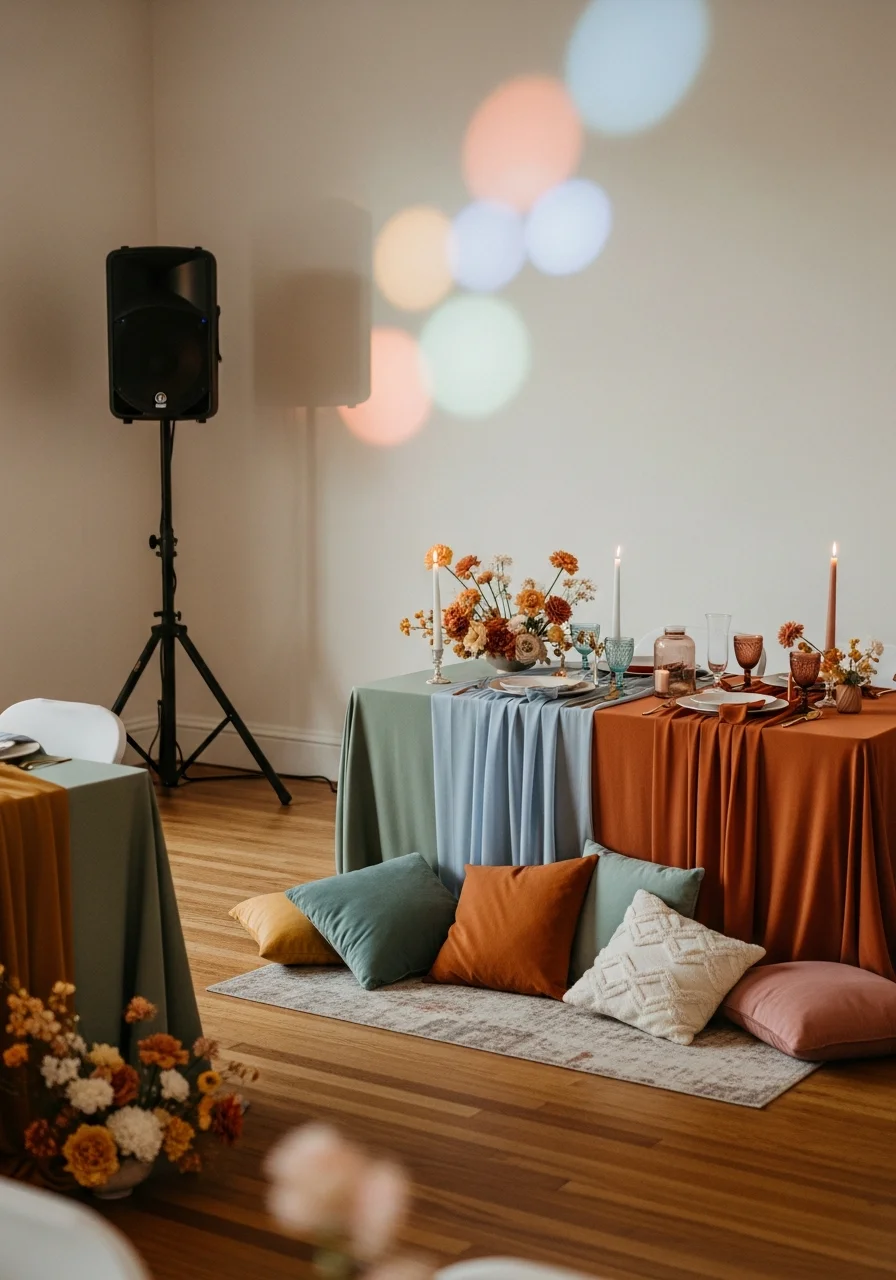
Create a playlist with hits from the last several decades.
Dancing is a high-energy way to celebrate and allows everyone to share the music that defined their youth.
Ask each family branch to submit three ‘must-play’ songs before the event to ensure the playlist is diverse.
11. Open-House Reunion
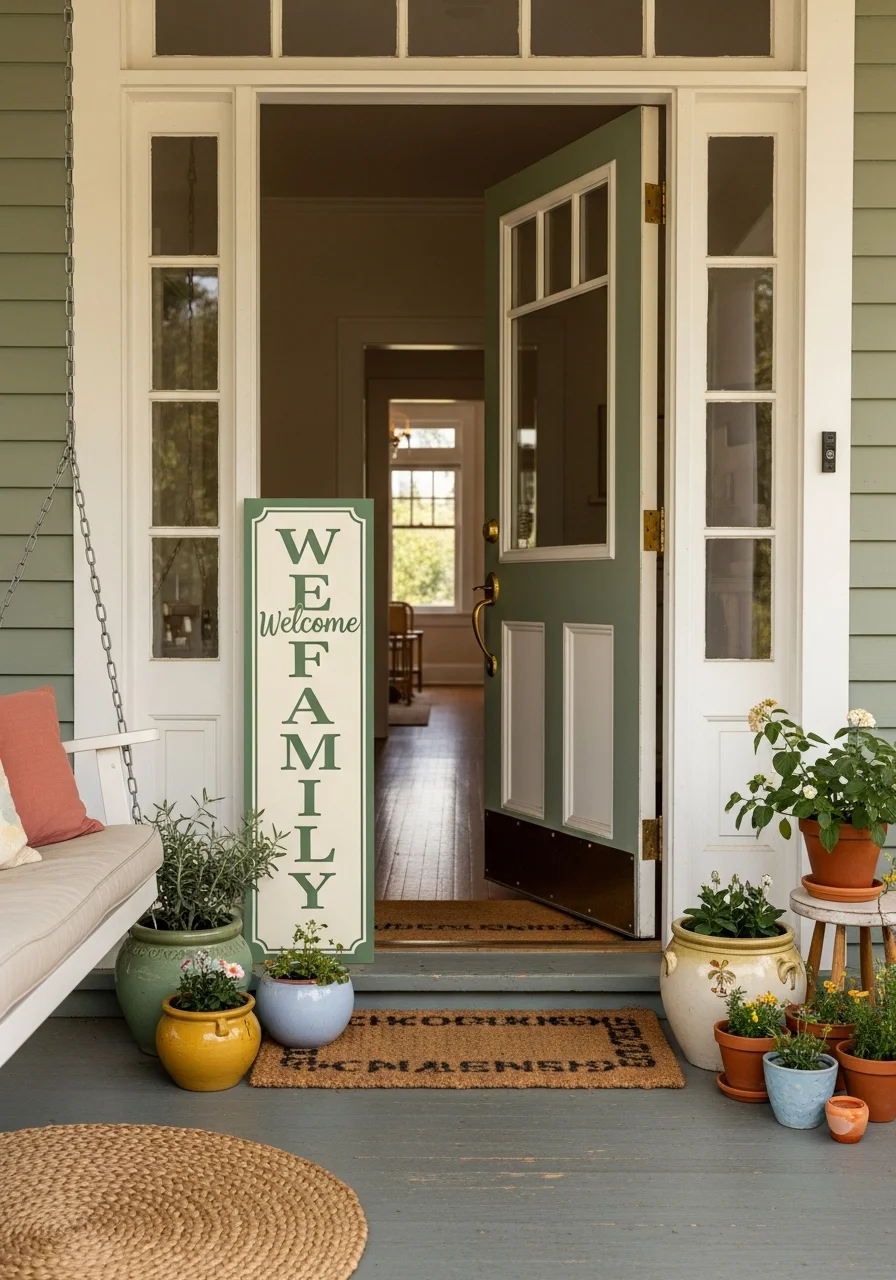
Set a time window where guests can come and go as they please.
This flexible format is ideal for families with busy schedules or those traveling from different distances.
Provide ‘grab and go’ snacks like trail mix or fruit so guests can eat whenever they arrive.
Interactive Games & Friendly Competition
12. Family Olympics Day
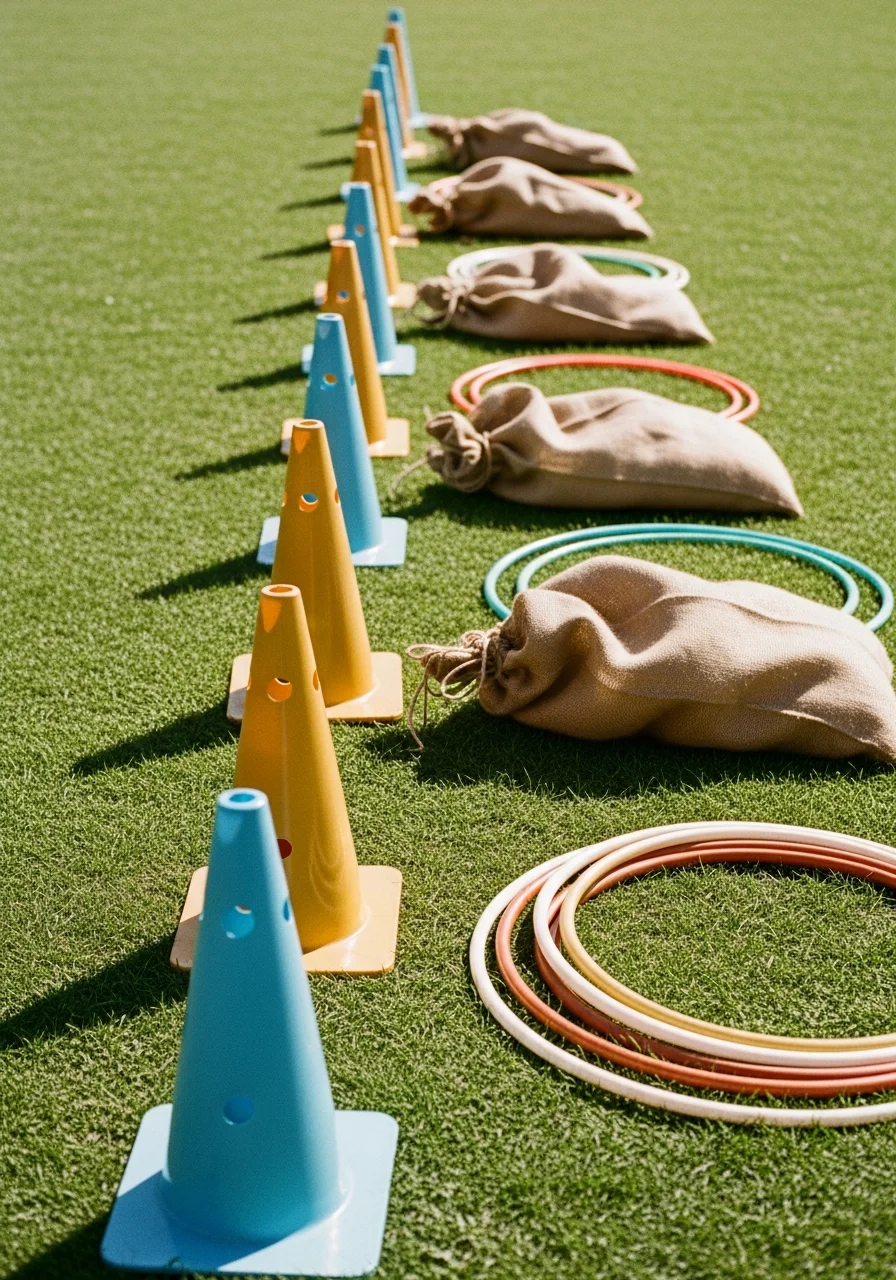
Organize a series of lighthearted team-based physical challenges.
Grouping family members from different branches together on teams fosters new bonds outside of immediate households.
Include low-impact games like ring toss or bean bag games so older relatives and young children can participate equally.
13. Family Game Night
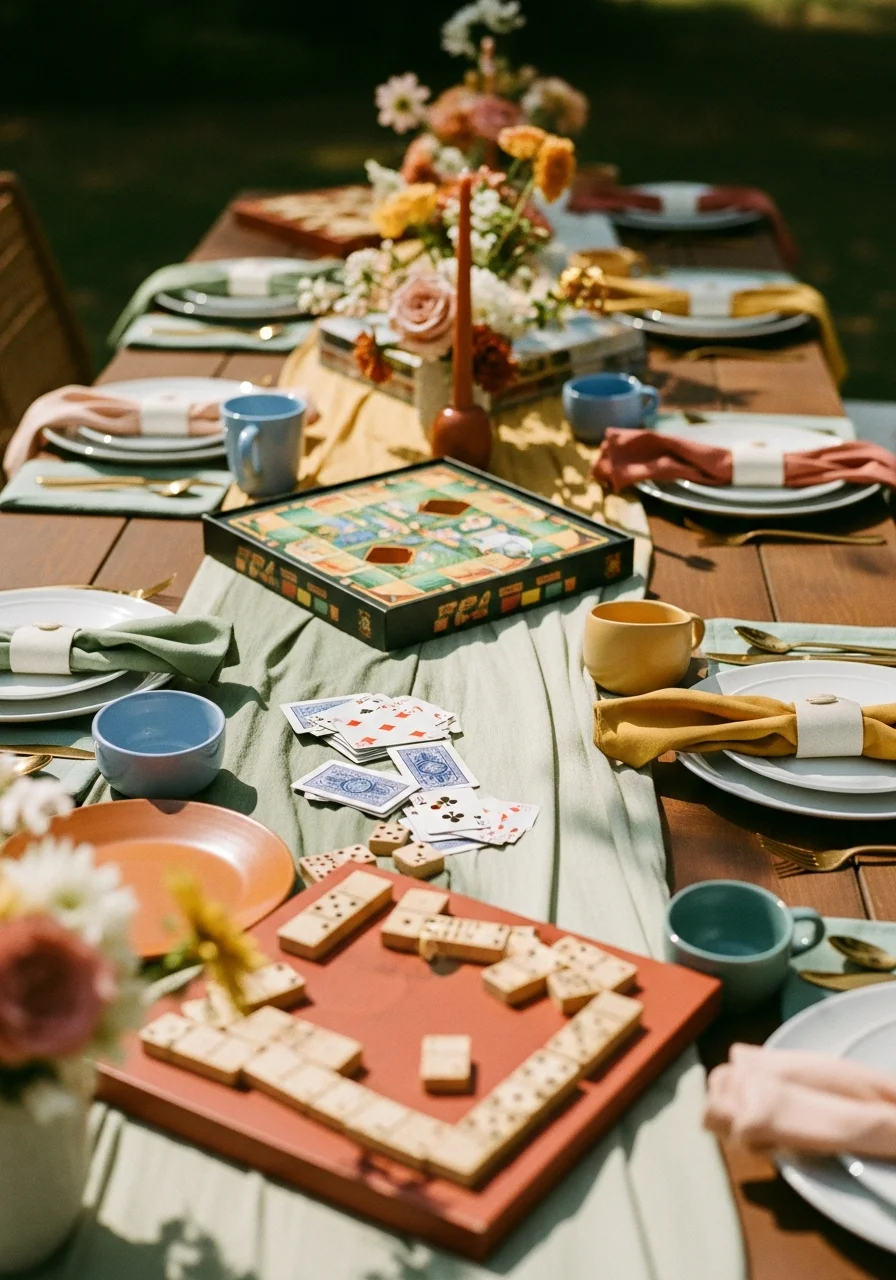
Set up stations for board games, cards, and trivia.
Indoor games are an excellent backup plan for inclement weather and provide a way for different generations to compete fairly.
Include classic games like checkers or chess that older generations can teach to the younger children.
14. Family Trivia Challenge
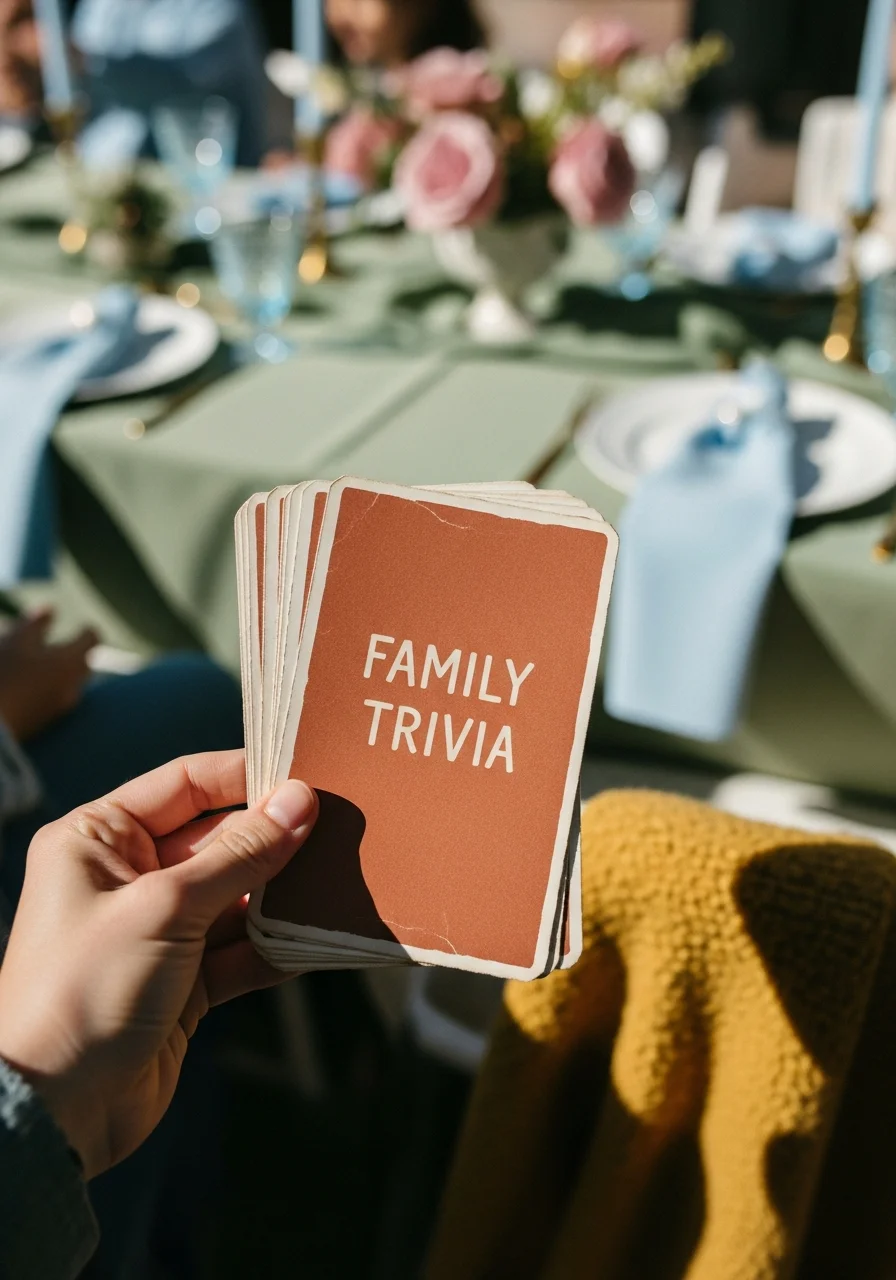
Host a quiz focused on family history and fun facts.
Trivia rewards those who know family lore, sparking conversations as the ‘correct’ answers are revealed.
Mix historical questions with current facts to ensure younger family members can contribute to their team’s score.
15. Family Scavenger Hunt
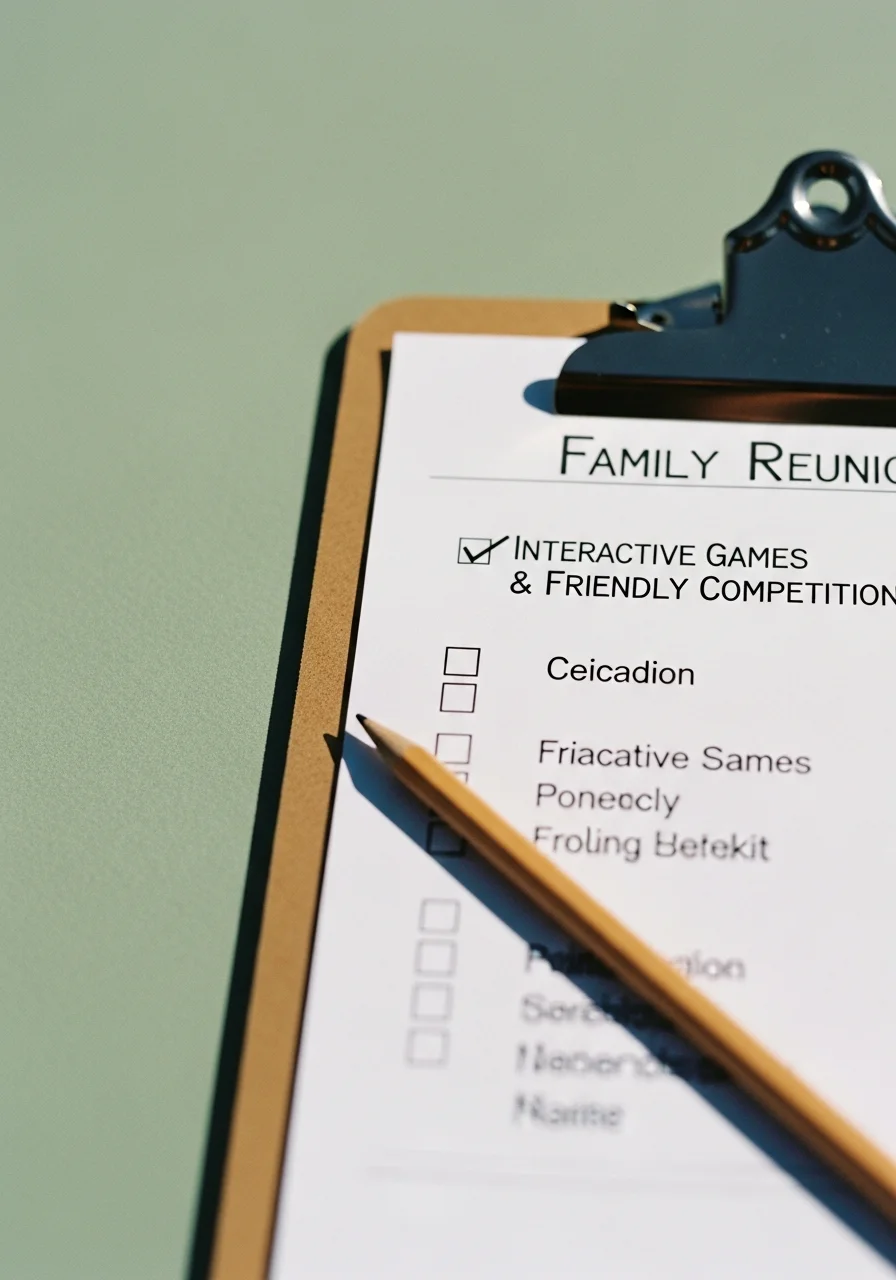
Create a list of items or tasks related to family members.
This encourages movement and interaction as guests must talk to one another to find specific answers or items.
Include tasks like ‘find a cousin who shares your middle name’ to spark deeper conversations.
16. Outdoor Lawn Games
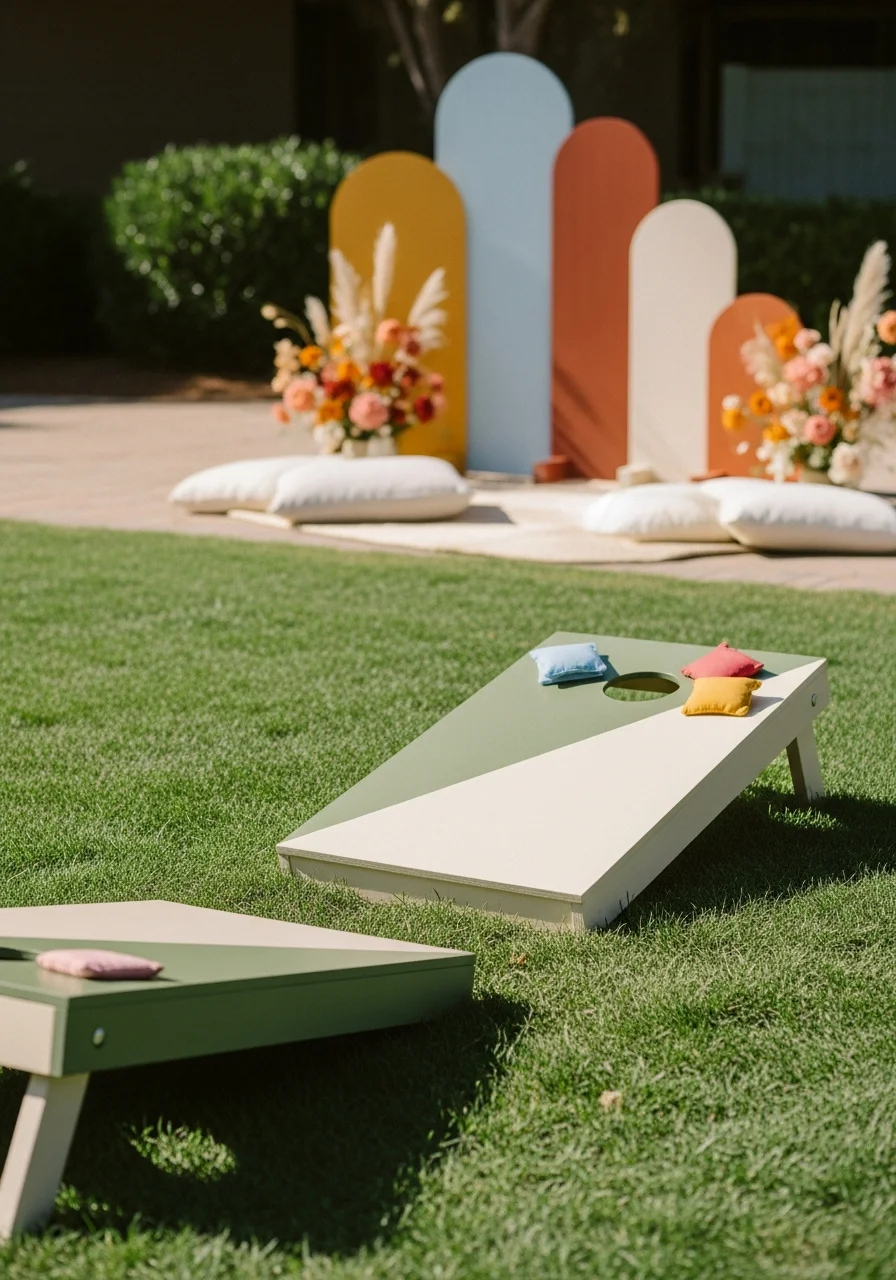
Set up classic wooden games like cornhole or giant Jenga.
Lawn games are physically accessible and allow for casual conversation while playing.
Place the games in a shaded area so guests can play comfortably for longer periods.
17. Family Field Day
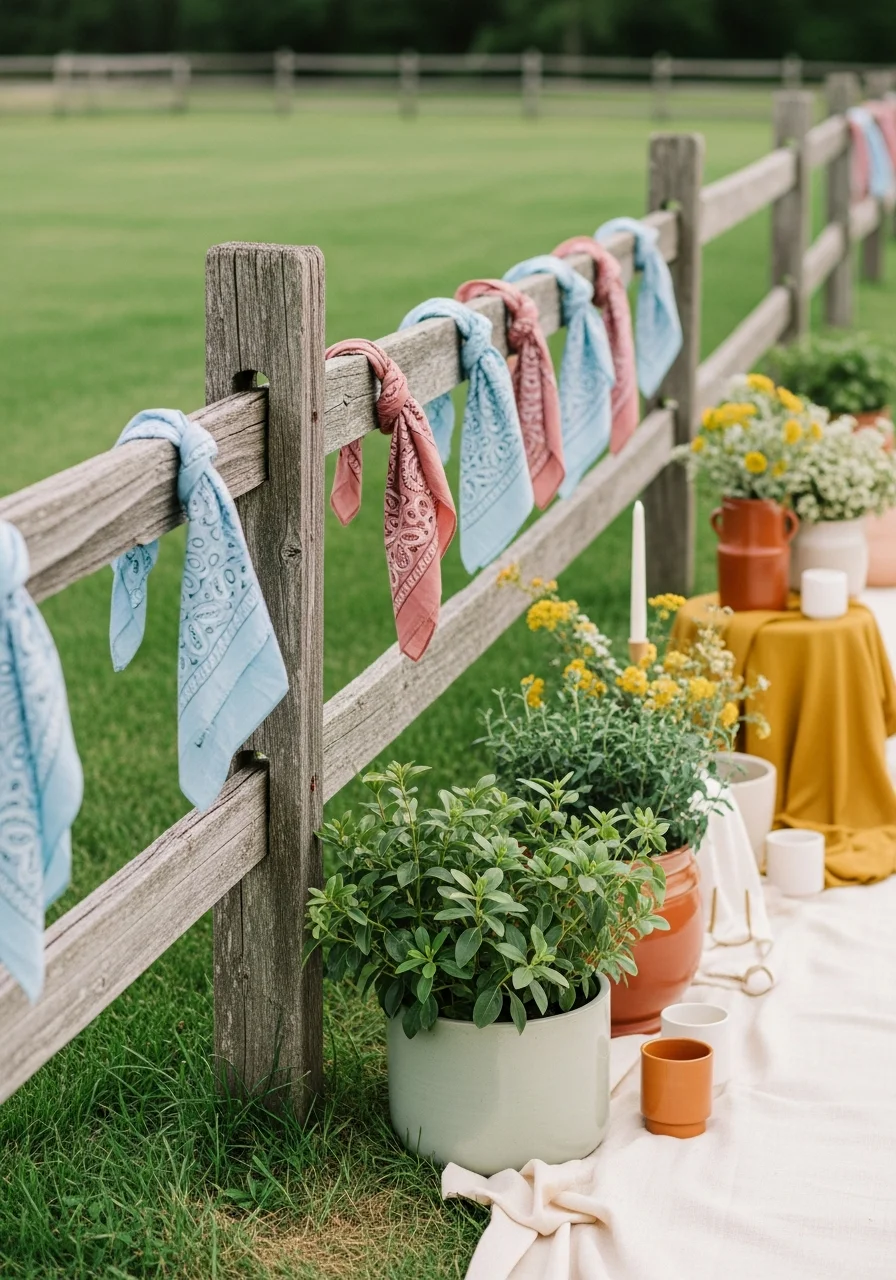
Organize structured races and team sports on a local field.
High-energy activities are perfect for burning off energy and creating a lively, festive atmosphere.
Provide colored bandanas to distinguish between different teams and make for great group photos.
18. Reunion Bingo
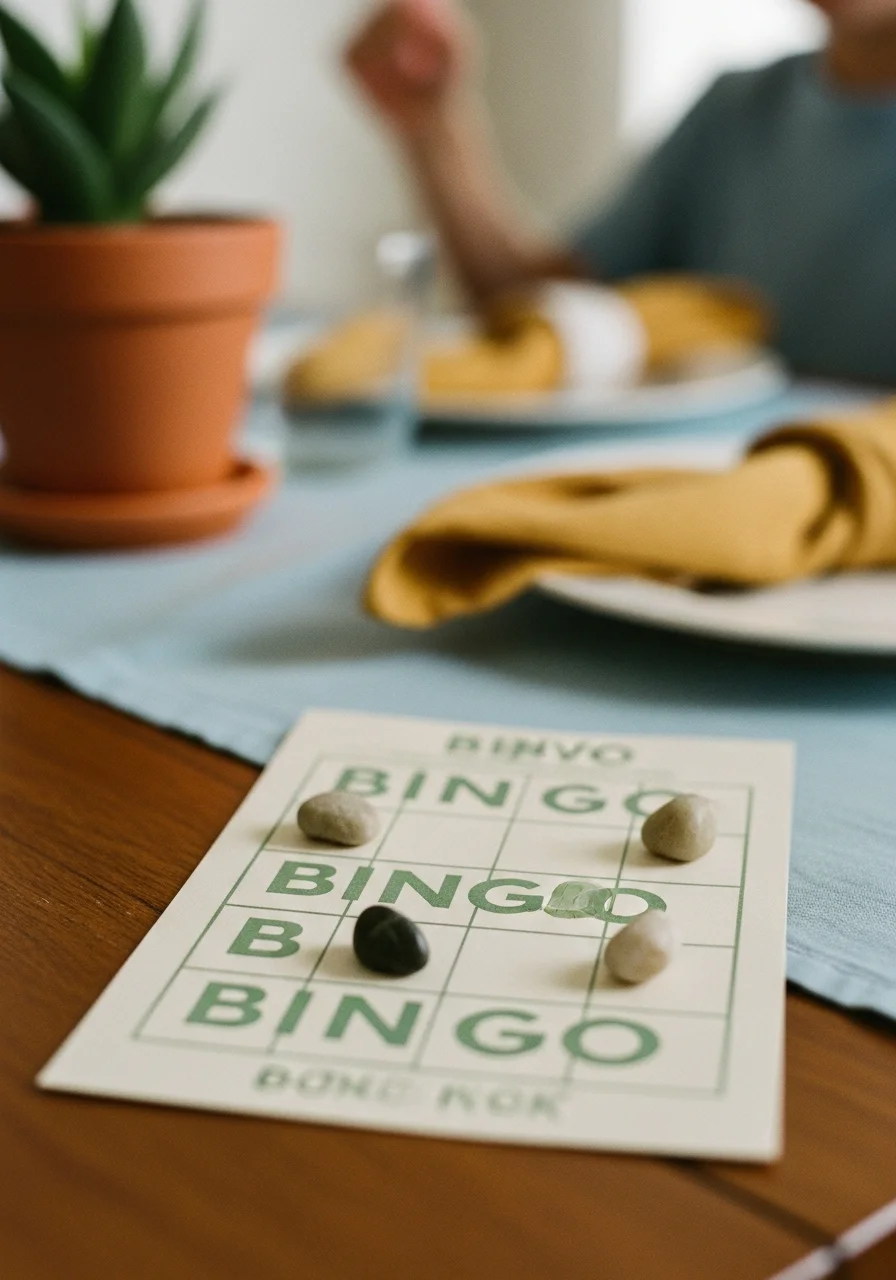
Play bingo with cards featuring family traits or history.
This encourages guests to talk to people they don’t know well to find the person who matches the ‘bingo’ square.
Use squares like ‘has more than four siblings’ or ‘lives in a different state’ to prompt introductions.
19. Family Sports Tournament
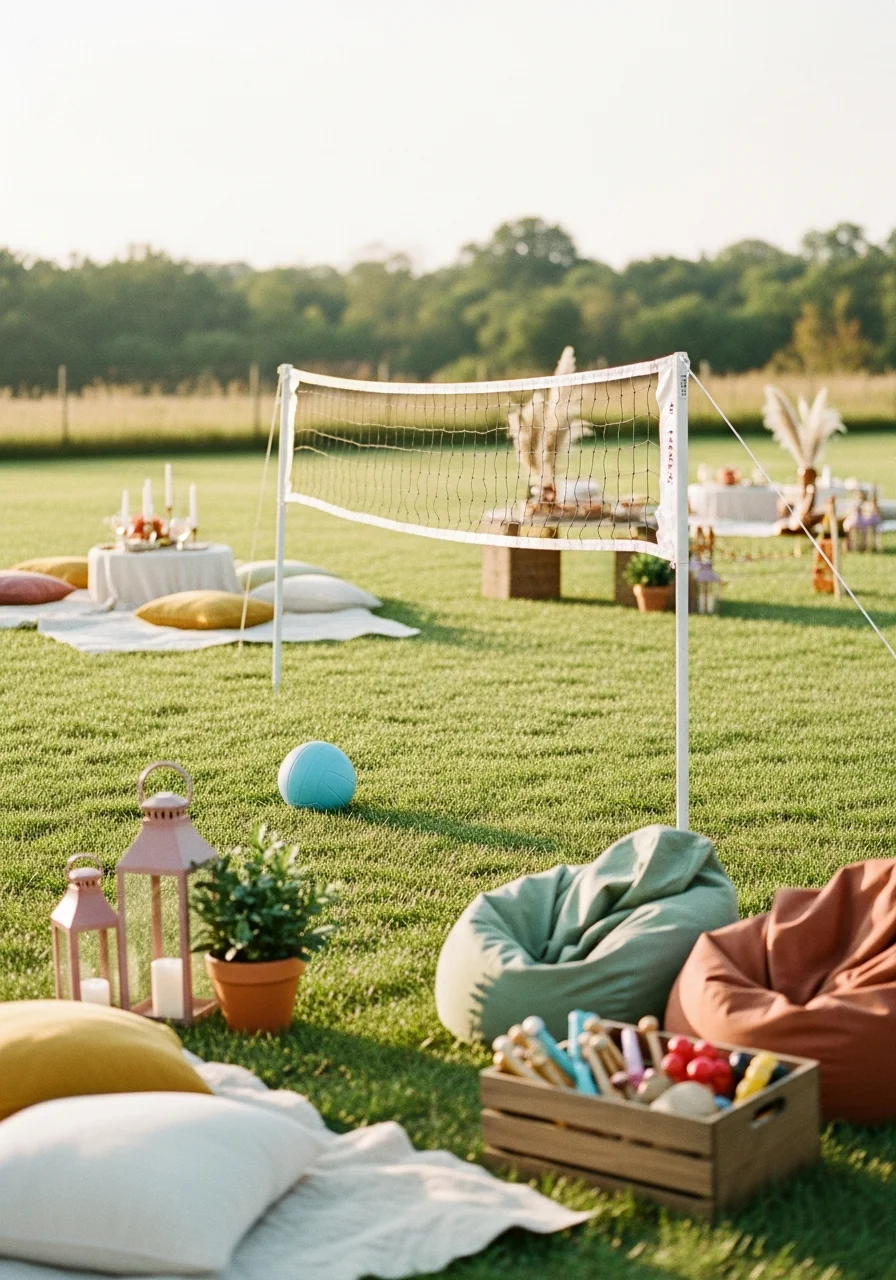
Host a friendly game of softball, volleyball, or kickball.
Structured sports provide a focus for competitive energy and give spectators something to cheer for.
Ensure there is a ‘cheering section’ with chairs and shade for those who prefer not to play.
20. Family Dessert Contest
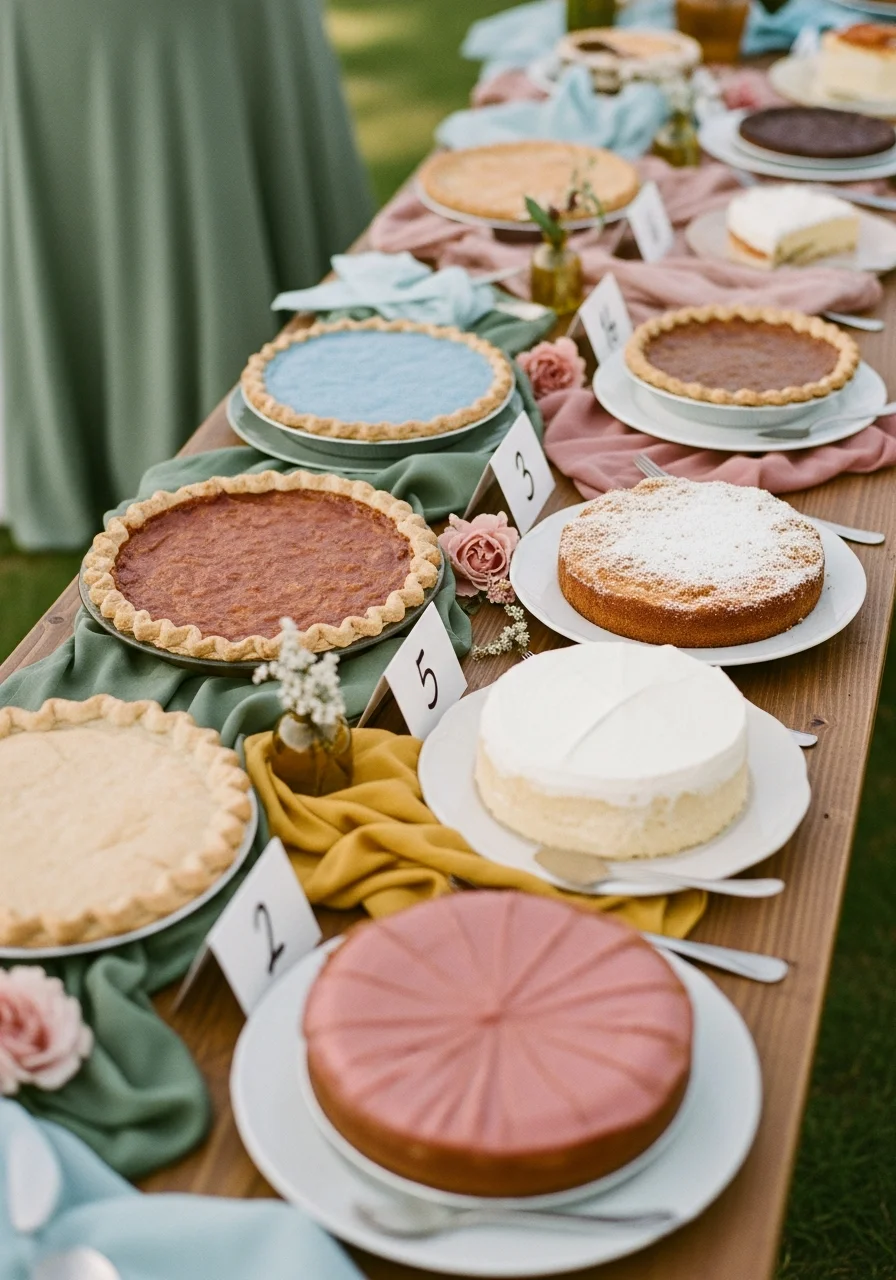
Invite guests to bring their best sweet treat for a blind tasting.
A contest adds a fun element of competition to the meal and ensures a wide variety of desserts.
Provide small paper cups so guests can take ‘taster’ portions of multiple entries without getting too full.
Honoring Heritage & Storytelling
21. Memory Table Display
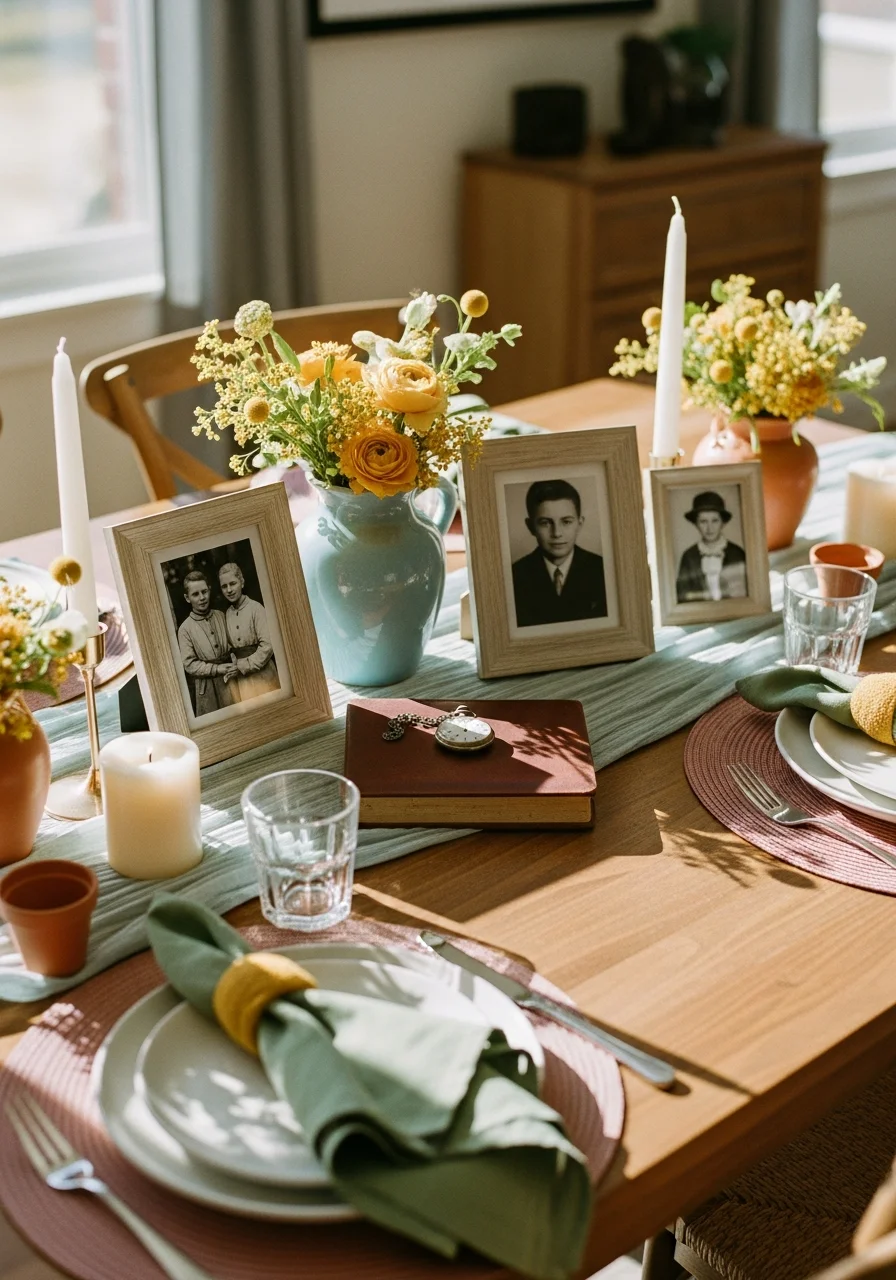
Curate a collection of physical keepsakes and historical family documents.
A visual timeline allows younger generations to see the tangible history of their ancestors in a quiet, reflective space.
Use clear plastic sleeves for old letters or fragile photos to protect them from spills or fingerprints during the event.
22. Family Storytelling Circle
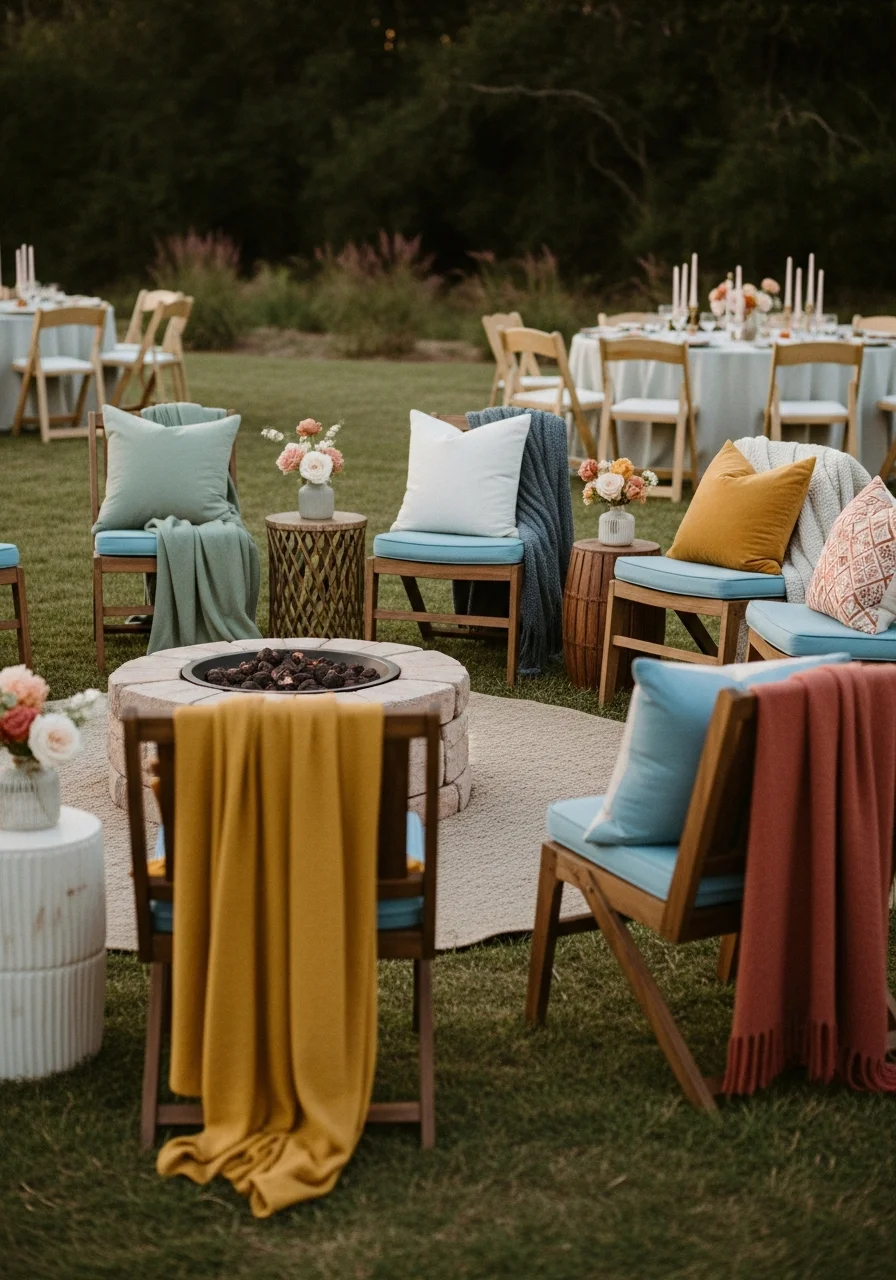
Dedicate time for elders to recount specific memories and life lessons.
Oral traditions preserve family history that might not be recorded in written documents or genealogy charts.
Set up a semi-circle of comfortable chairs in a quiet corner to ensure speakers can be heard clearly by the group.
23. Generations Photo Wall
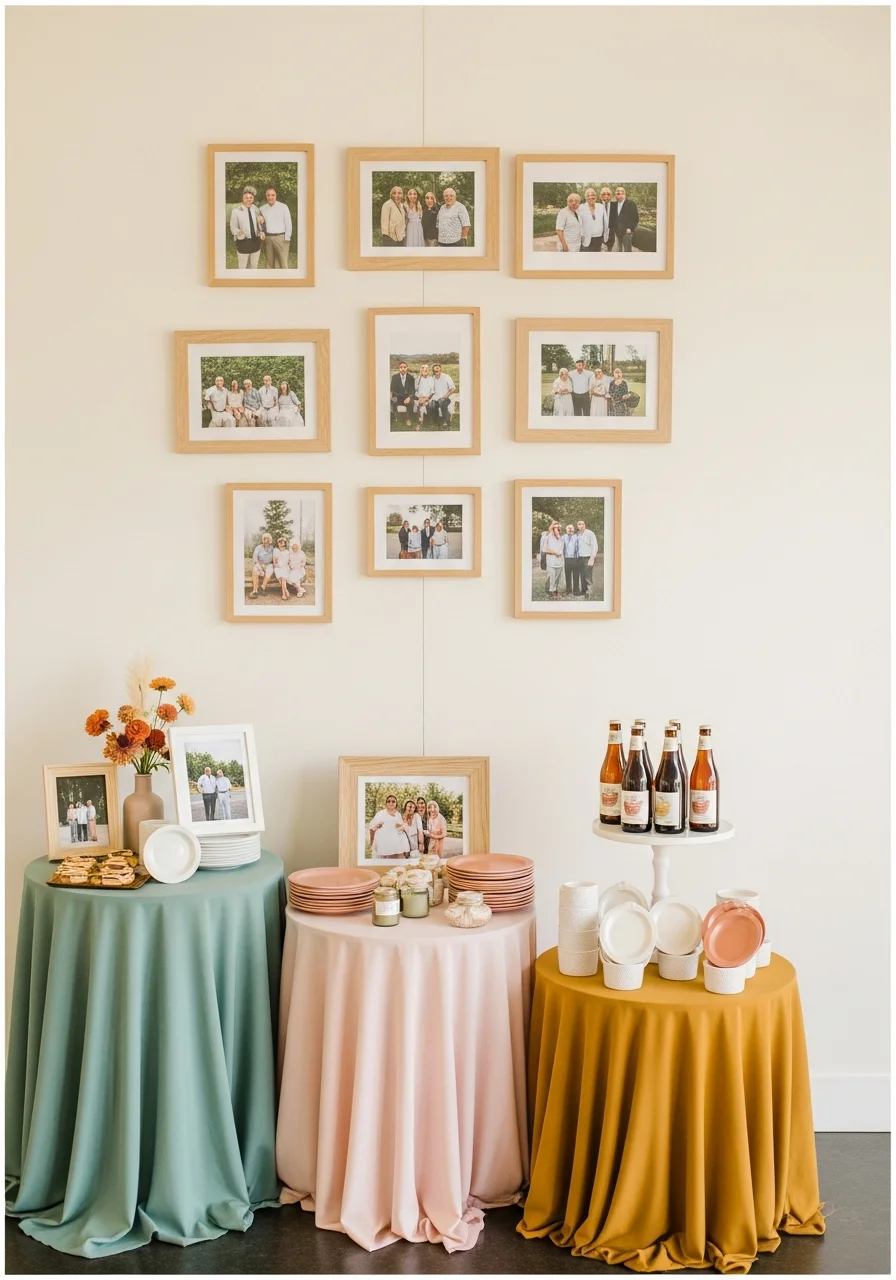
Create a visual gallery of ancestors and current family members.
Seeing physical resemblances across generations helps children feel a stronger sense of belonging and identity.
Organize the photos by family branch or timeline and use removable adhesive to avoid damaging the venue walls.
24. Family Tree Station

Display a large chart where guests can add their own information.
Interactive genealogy encourages attendees to contribute their knowledge and see how they connect to others present.
Provide fine-tip markers in varied colors so each family branch can use a specific shade to mark their additions.
25. Memory Jar Activity
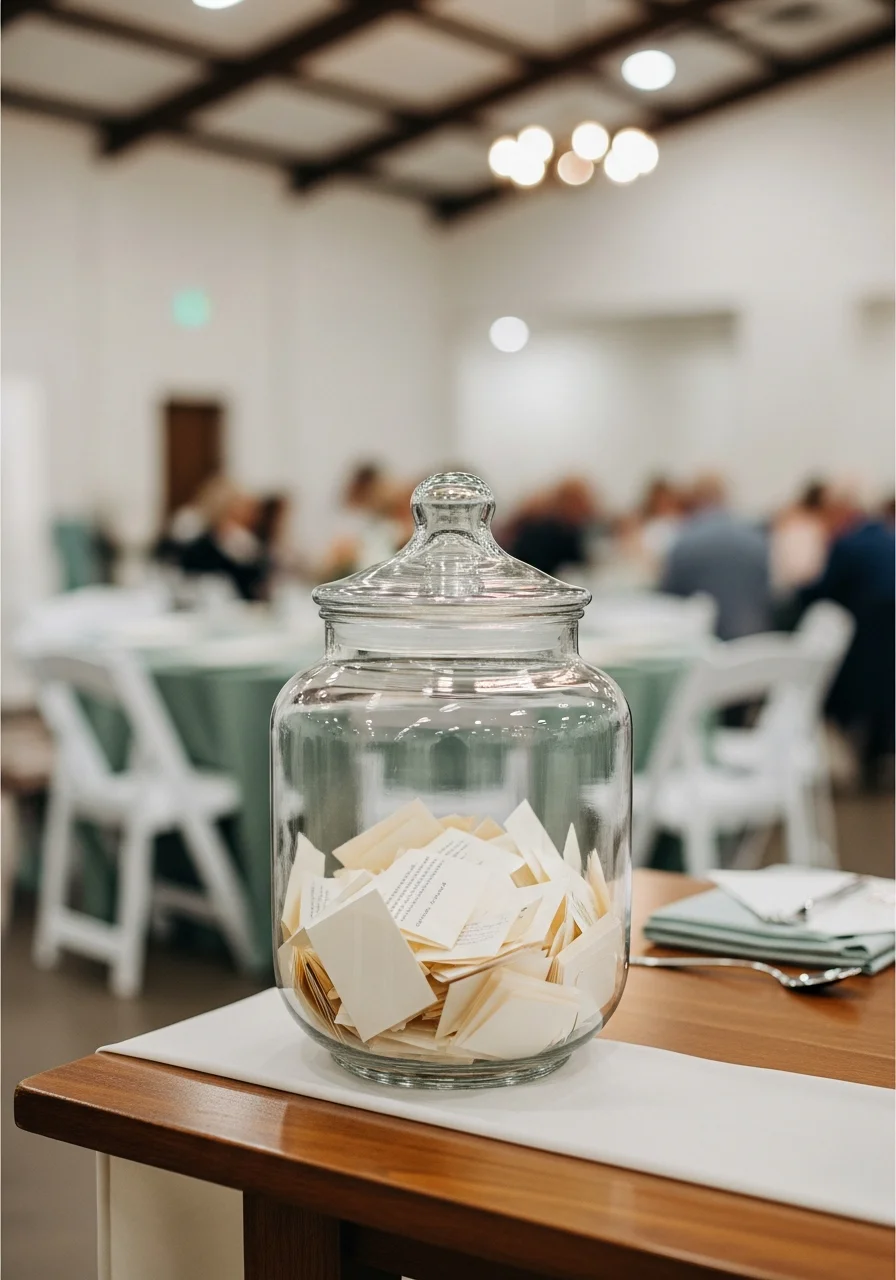
Collect written memories and notes in a central glass jar.
This allows introverted family members to contribute their thoughts and stories in a low-pressure way.
Read the memories aloud during the final meal of the reunion to end the event on a sentimental note.
26. Family History Presentation
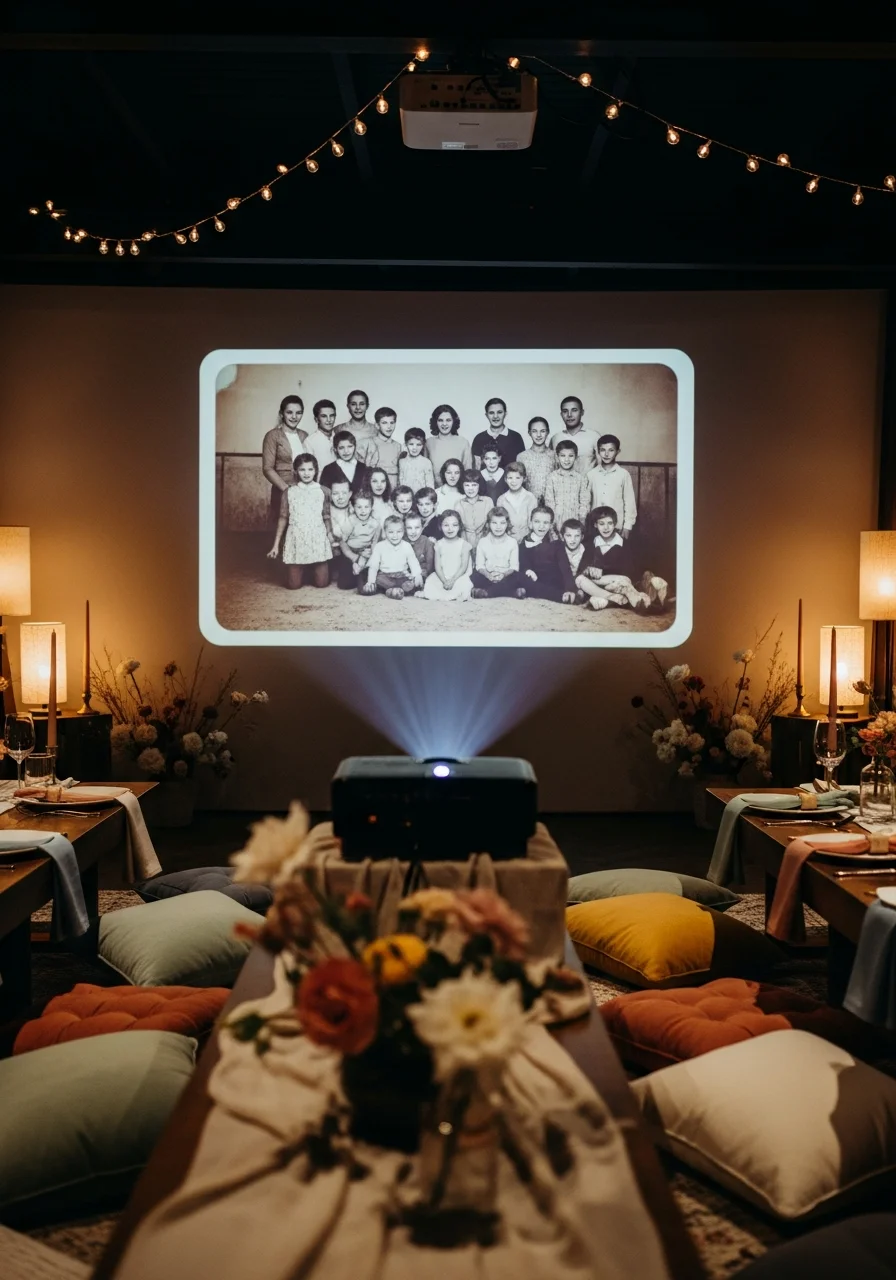
Share a slideshow or short video of the family’s journey.
A visual presentation can condense decades of history into an engaging format that is easy for children to understand.
Focus on ‘firsts’—like the first family home or the first person to graduate college—to highlight milestones.
27. Generational Interview Booth
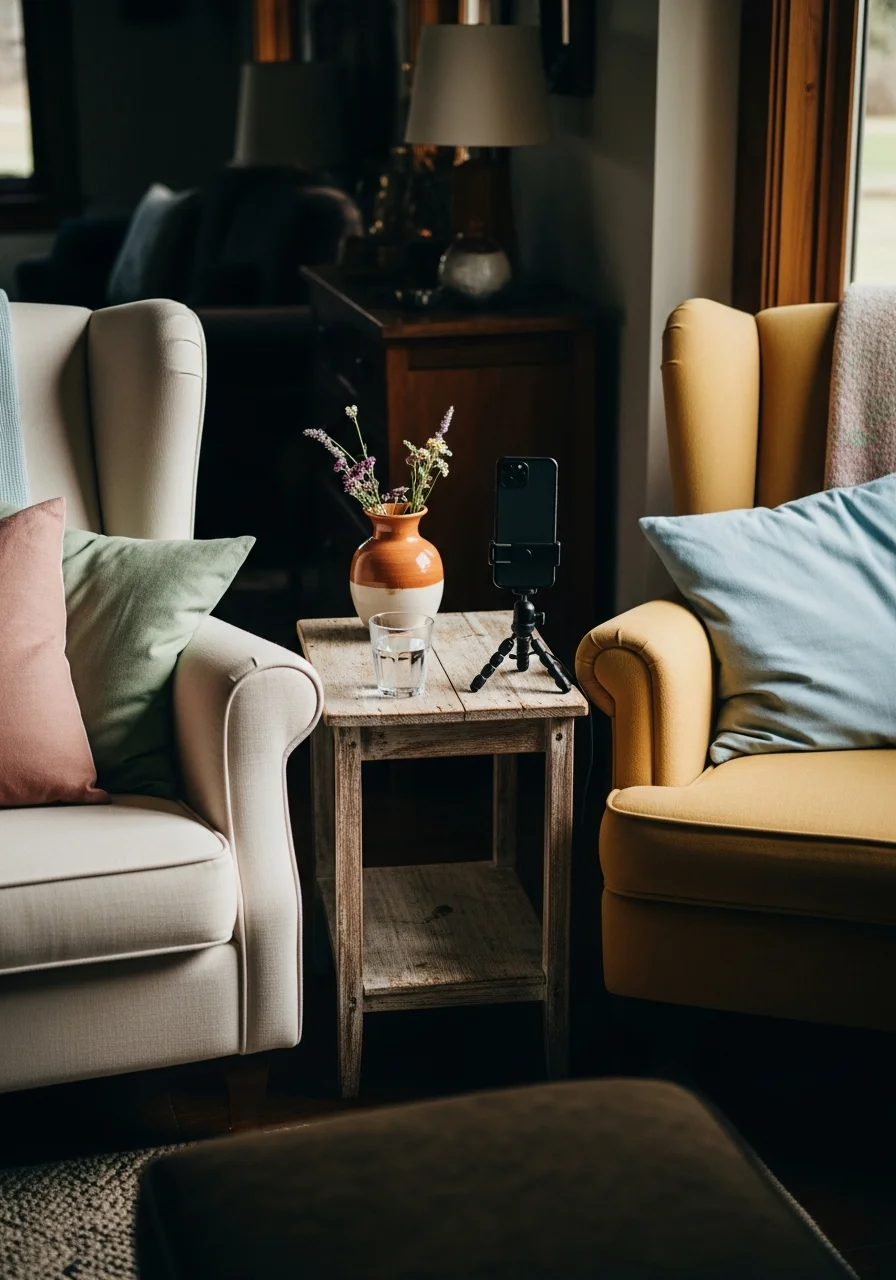
Record video or audio interviews between children and elders.
Interviews provide a structured way for younger family members to learn about the past and preserve the voices of their elders.
Provide a list of suggested questions, such as ‘What was your first job?’ to help kids start the conversation.
28. Family Photo Session

Schedule time for formal group and family branch portraits.
High-quality photos are a lasting legacy of the event and are often the only time everyone is in one place.
Take the large group photo early in the event while everyone’s clothes and energy are still fresh.
Food Traditions & Culinary Sharing
29. Potluck Dinner Reunion
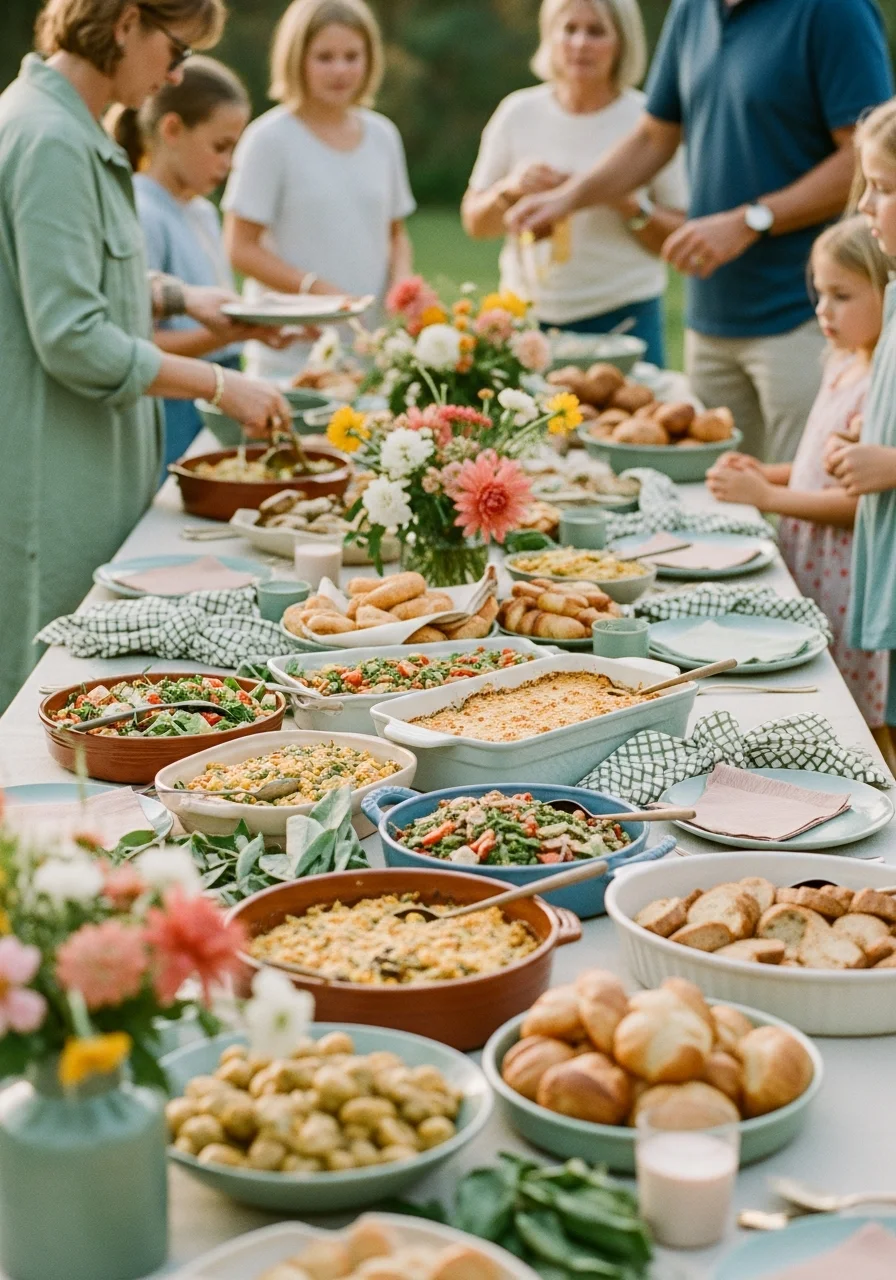
Coordinate a meal where every household contributes a specific dish.
Sharing the food preparation reduces the financial and logistical burden on the host while showcasing diverse cooking styles.
Use an online sign-up sheet to categorize contributions by ‘mains,’ ‘sides,’ and ‘desserts’ to avoid duplicate dishes.
30. Family Recipe Swap
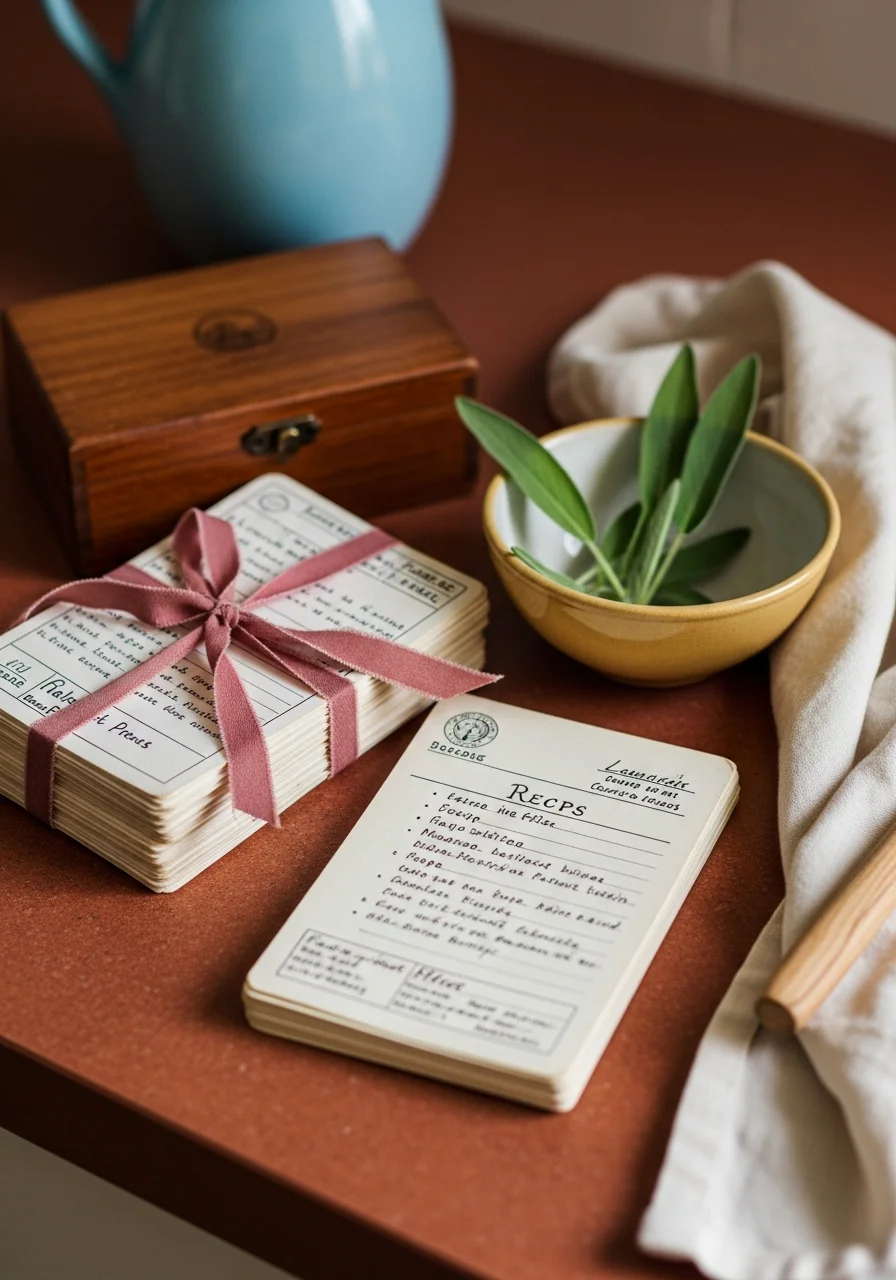
Exchange printed copies of cherished family recipes.
This preserves culinary heritage and ensures that signature family flavors are passed down to younger generations.
Provide a small binder or box for guests to store the collected recipe cards they receive throughout the day.
31. Heritage Food Night
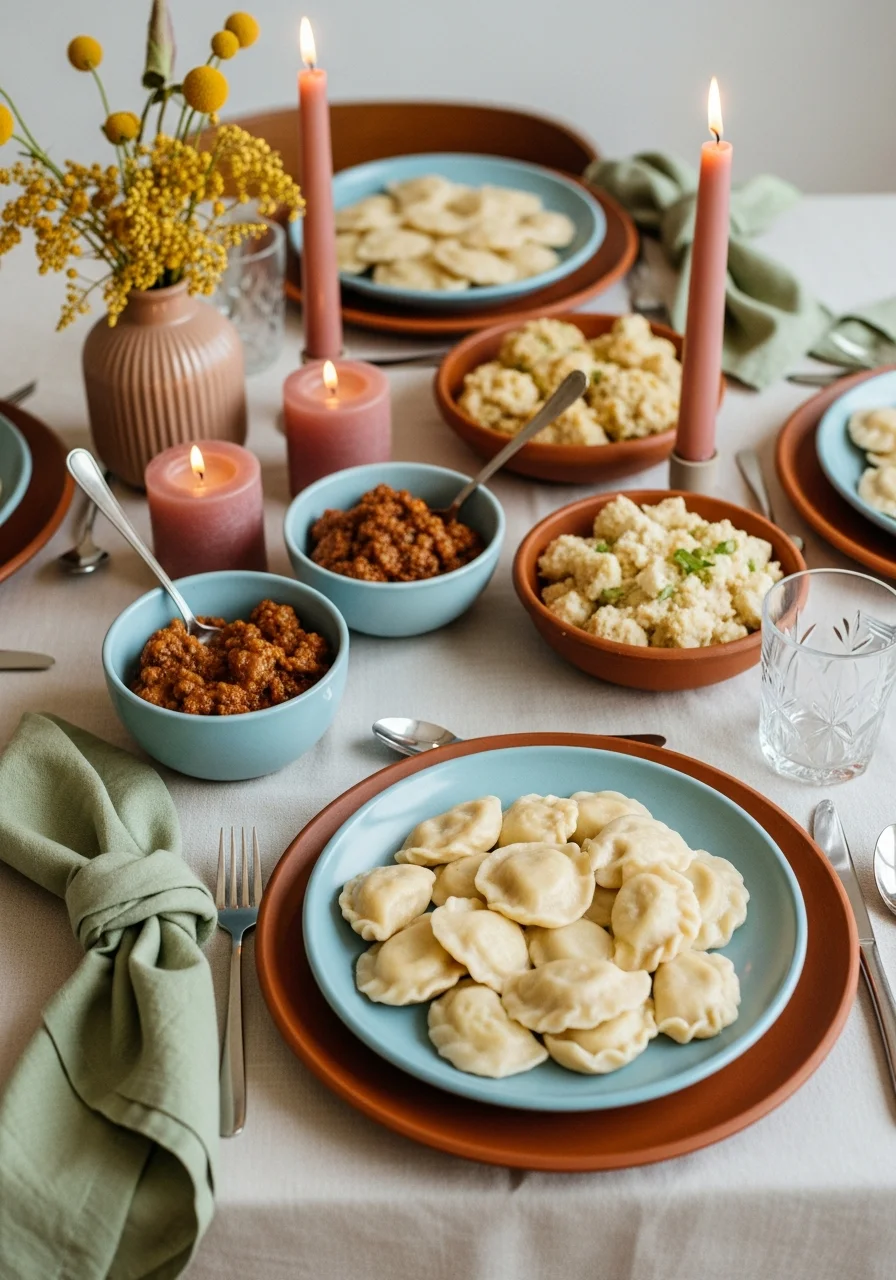
Serve a menu based on the family’s cultural or regional roots.
Food is a powerful link to ancestors and provides a way to celebrate family diversity through taste and tradition.
Display a small card next to each dish explaining its significance or which ancestor originally made it.
Keepsakes, Crafts & DIY Memories
32. Matching Family T-Shirts

Provide coordinated shirts featuring a family name or reunion year.
Identifiable clothing makes it easier to keep track of large groups in public spaces and serves as a functional souvenir.
Use a single ink color on a neutral shirt like cream or soft gray to keep printing costs affordable for all families.
33. DIY Photo Booth
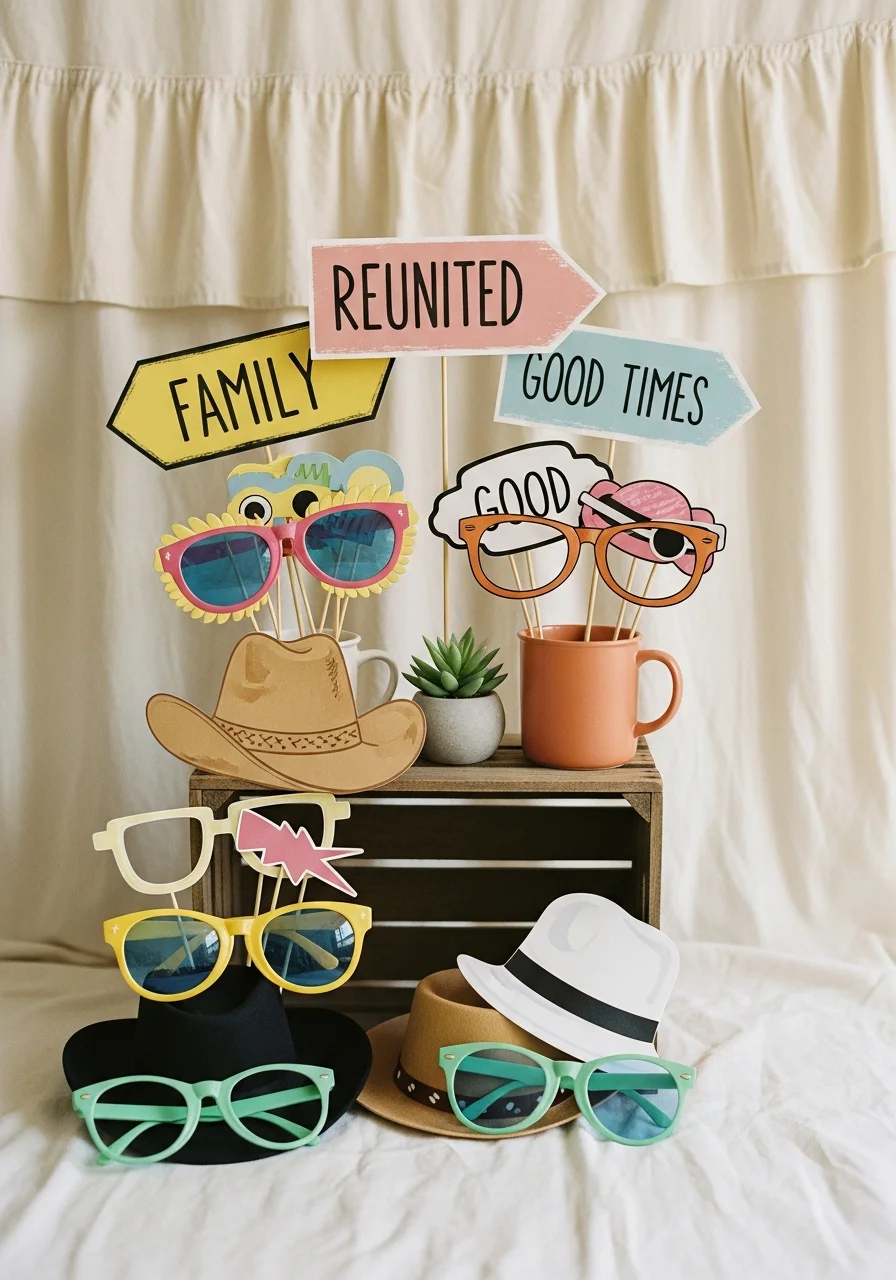
Set up a backdrop with props for candid family portraits.
Self-serve photos provide immediate entertainment and digital memories that can be shared instantly after the event.
Use a simple fabric backdrop in a neutral color like cream to ensure family members’ faces and outfits stand out.
34. Welcome Bag Station
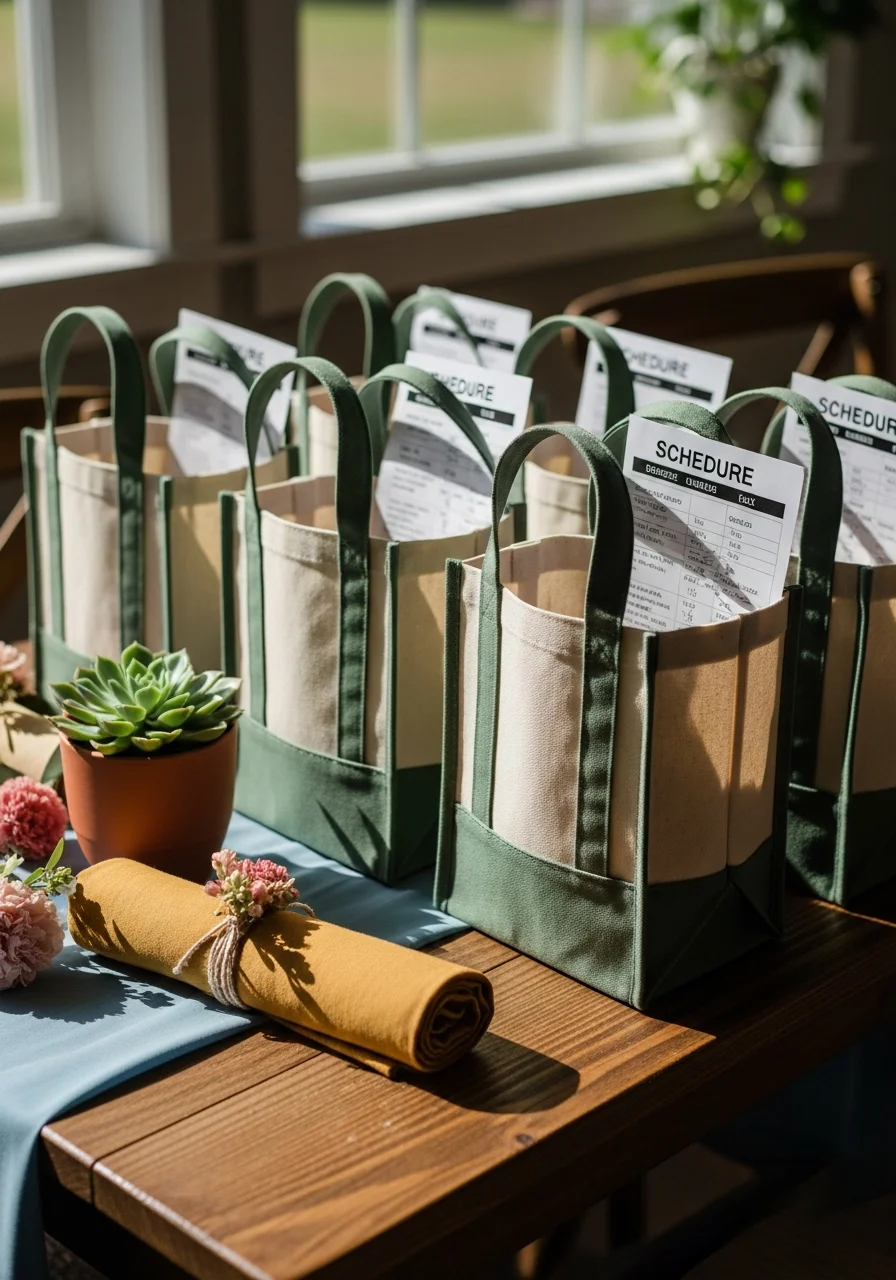
Provide guests with essentials and a schedule upon arrival.
Bags help out-of-town guests feel oriented and prepared for the planned activities.
Include a printed itinerary and a map of the venue or local area to help people navigate the weekend.
35. Family Name Tag Game
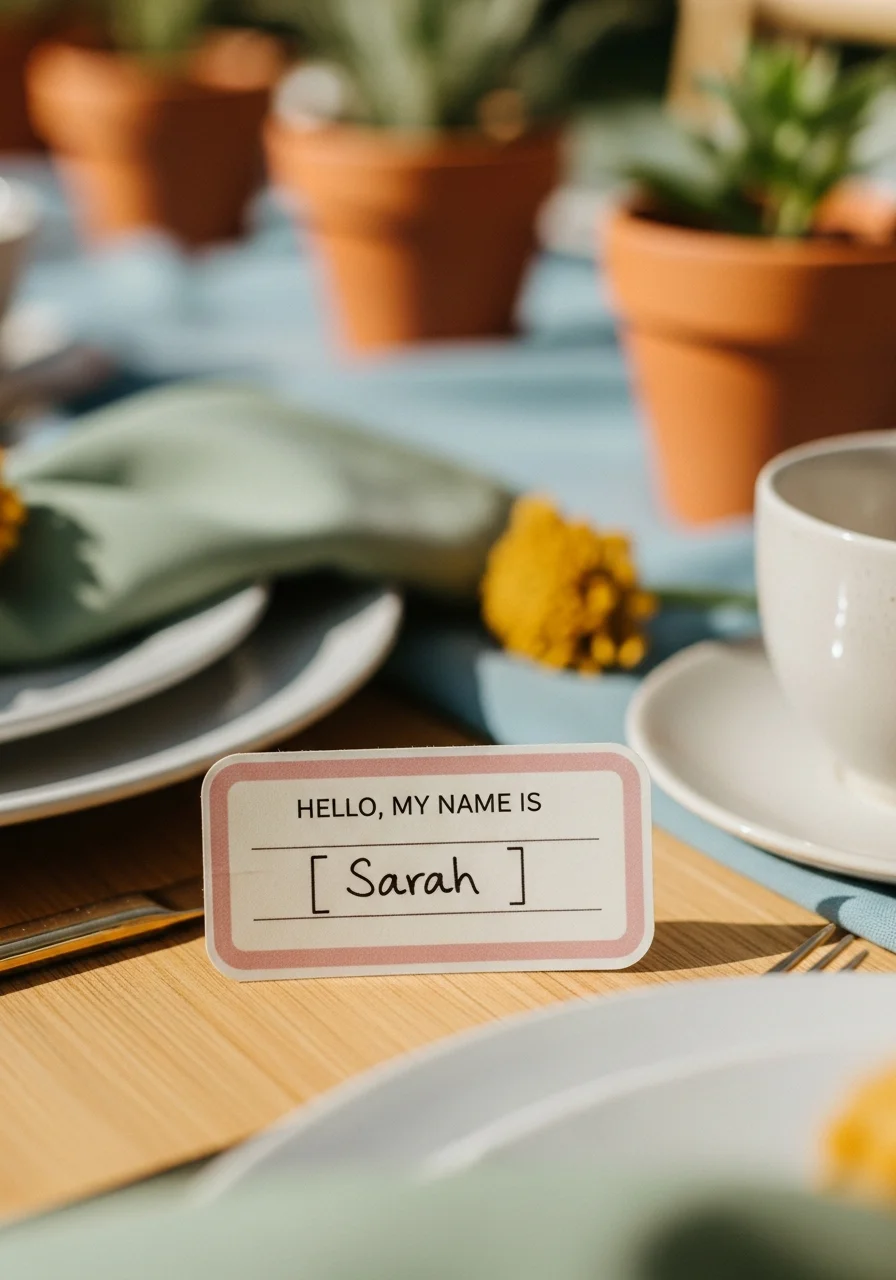
Use name tags that include a fun fact or family connection.
Tags are essential for large reunions where distant cousins may not have met before or don’t recognize one another.
Add a line that says ‘Ask me about…’ to give people an easy conversation starter.
36. Family Time Capsule
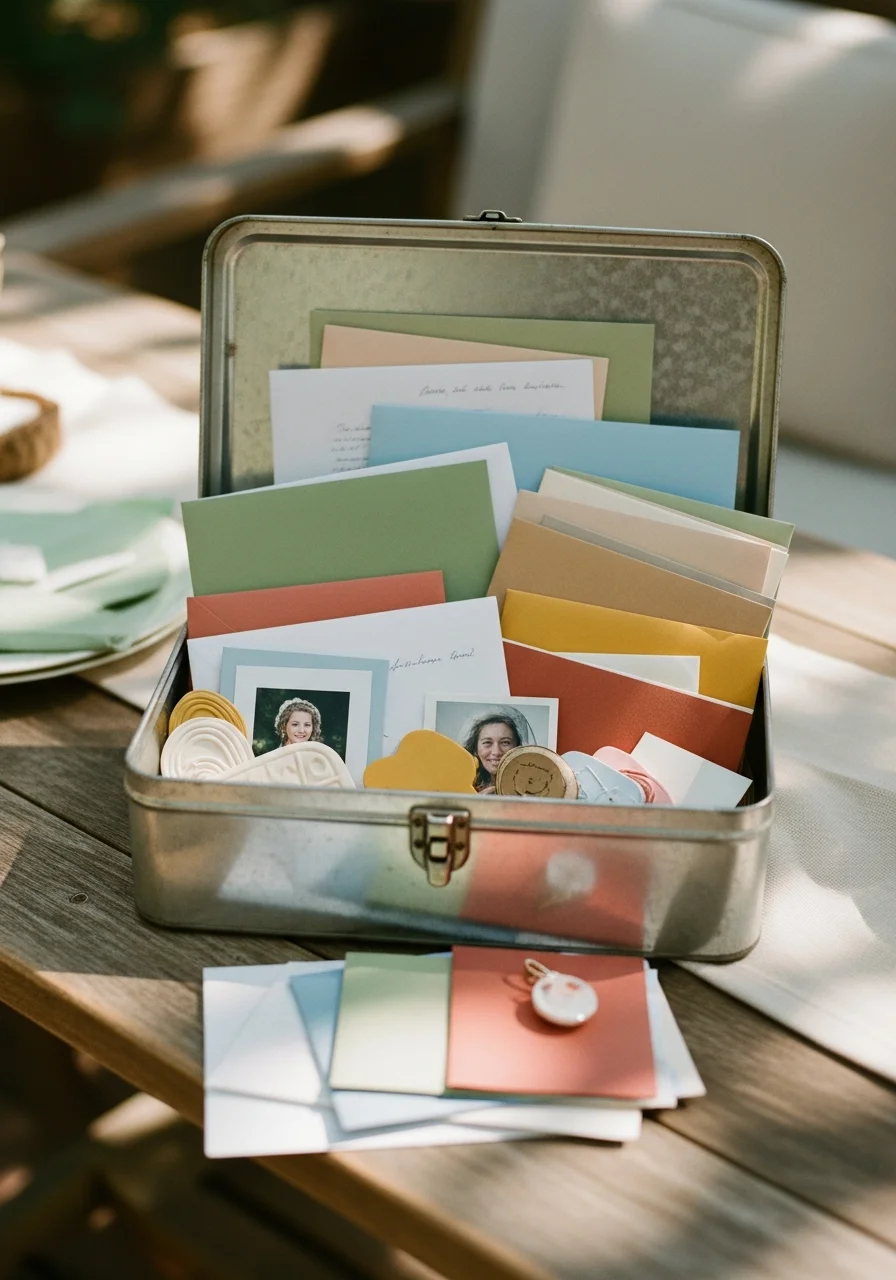
Bury or store items to be opened at the next major reunion.
This creates a sense of continuity and gives the family a reason to gather again in the future.
Include a current newspaper or a list of ‘popular things’ from the current year to provide historical context.
37. Family Craft Table
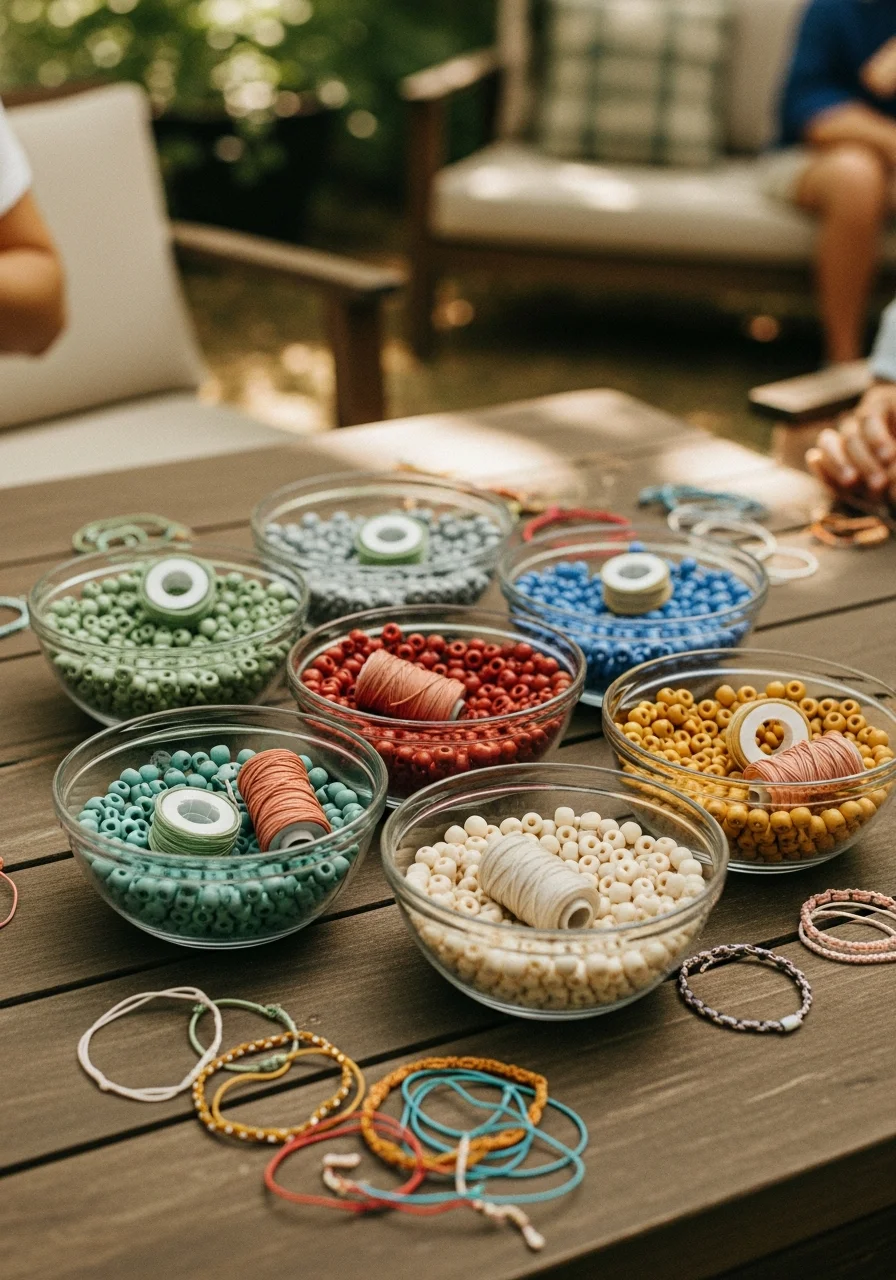
Set up a station for making bracelets, ornaments, or frames.
Crafting provides a quiet activity for those who need a break from large group interactions.
Choose ‘mess-free’ crafts like bead-stringing or sticker-decorating to keep the venue clean.
38. Family Puzzle Table
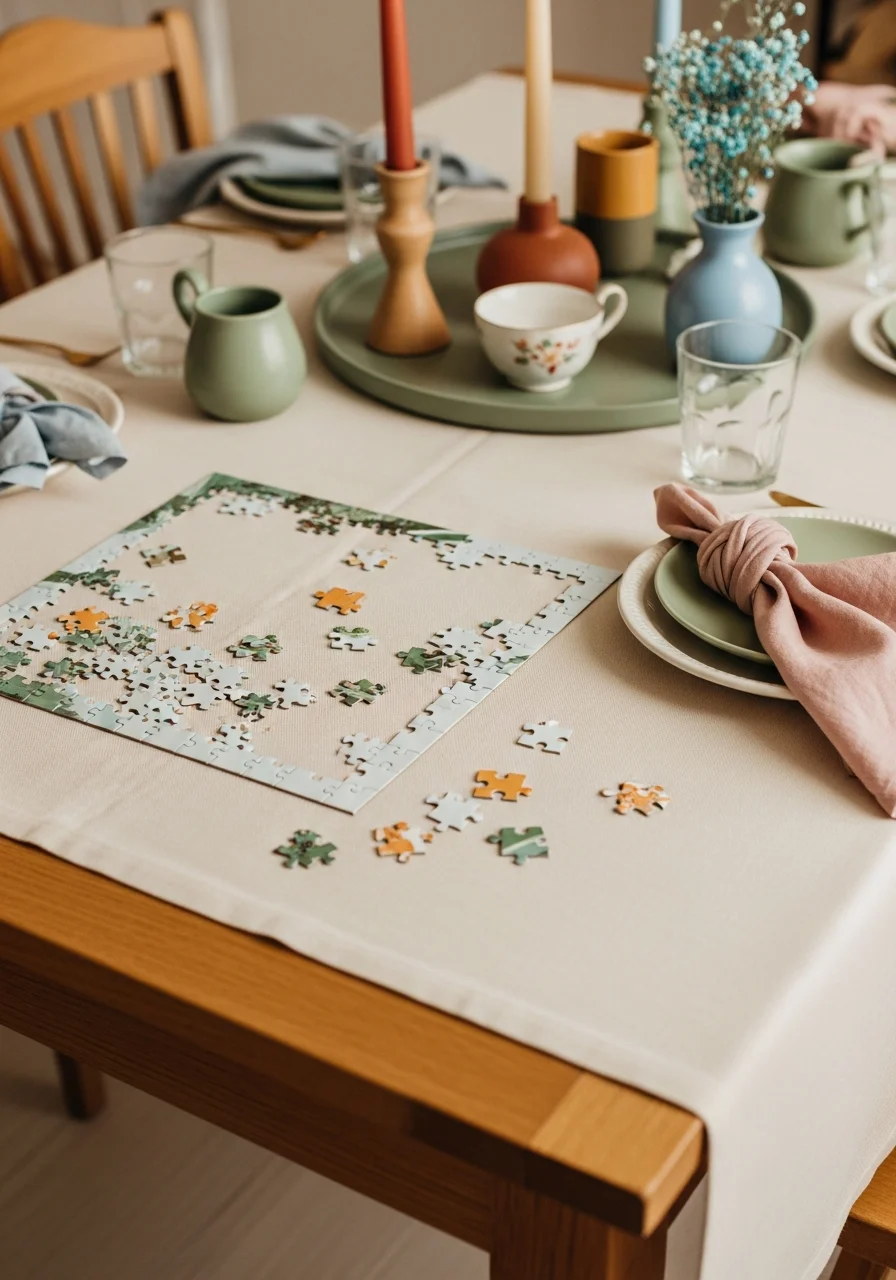
Set out a large jigsaw puzzle for people to work on together.
Puzzles are a low-pressure way for people to sit together and talk without the need for constant eye contact.
Choose a puzzle with a image of a landscape or a custom photo of the family home for extra meaning.
39. Family Memory Book

Assemble a book of photos and stories during the event.
The book becomes a permanent record of the reunion that can be digitized and shared with everyone later.
Have a polaroid camera at the table so guests can take a photo and immediately glue it into the book with a note.
40. Kids Activity Zone
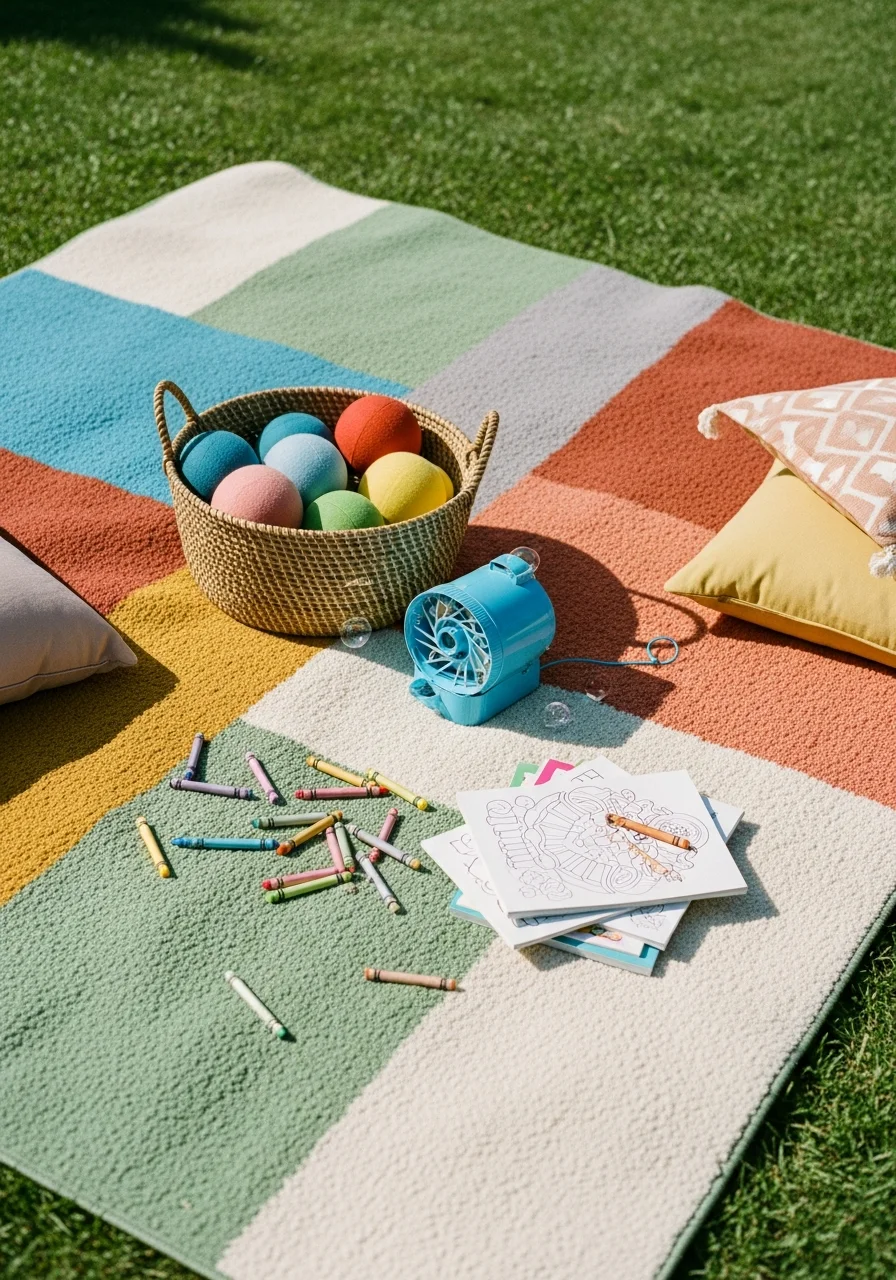
Designate a safe area filled with toys and age-appropriate games.
Keeping children entertained in one spot makes it easier for parents to supervise while still participating in adult conversations.
Include ‘quiet’ items like coloring books and puzzles for when kids need a break from active play.
Destination & Multi-Day Logistics
41. Camping Weekend Reunion
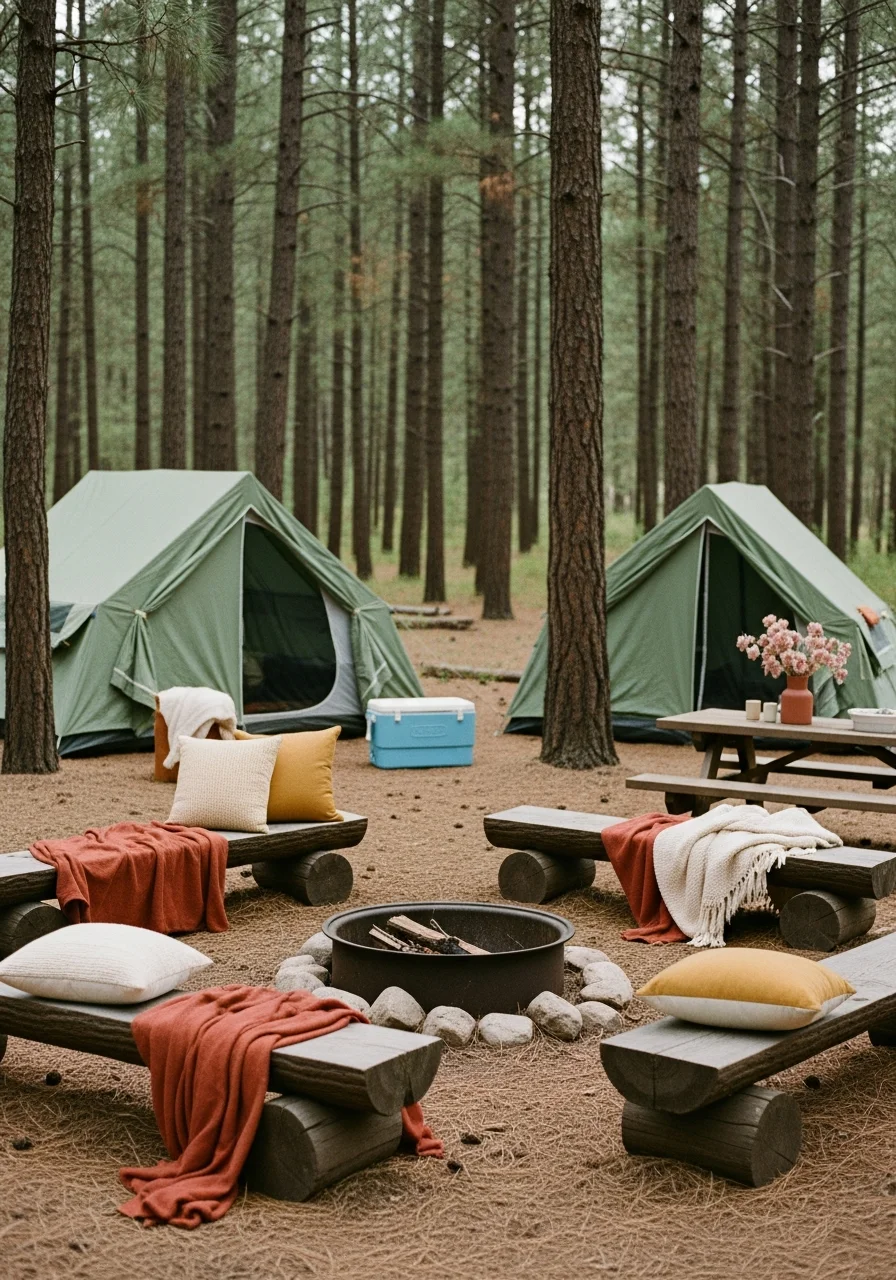
Book a group campsite for an immersive nature experience.
Camping is often more affordable than hotel stays and encourages constant interaction through shared chores like fire-building.
Look for campgrounds with ‘group loops’ that allow tents and trailers to face a central communal fire pit.
42. Lake House Reunion
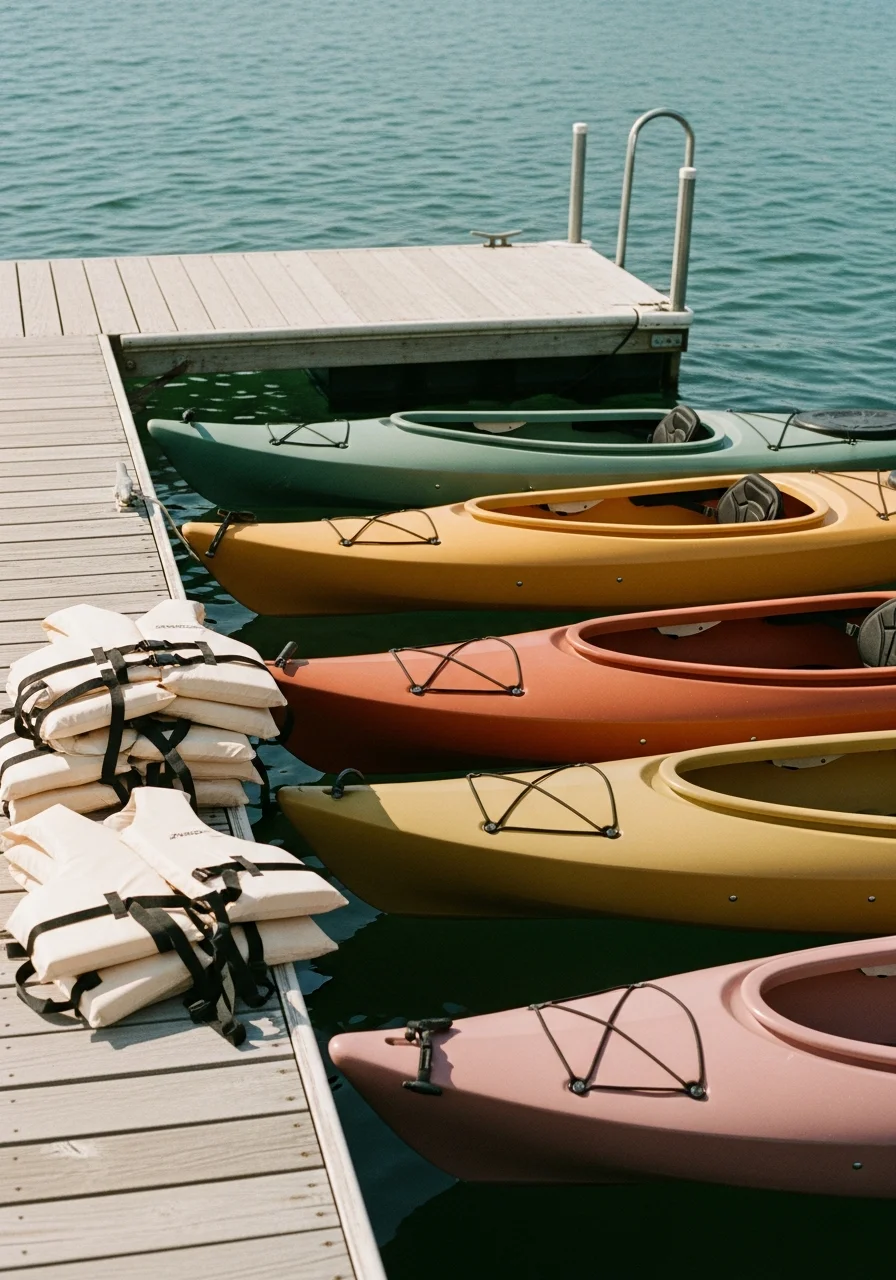
Rent a large waterfront property for water-based activities.
A single location with a kitchen and multiple bedrooms allows for a mix of group activities and private downtime.
Verify the availability of life jackets and water safety equipment with the rental host before arrival.
43. Beach Family Reunion
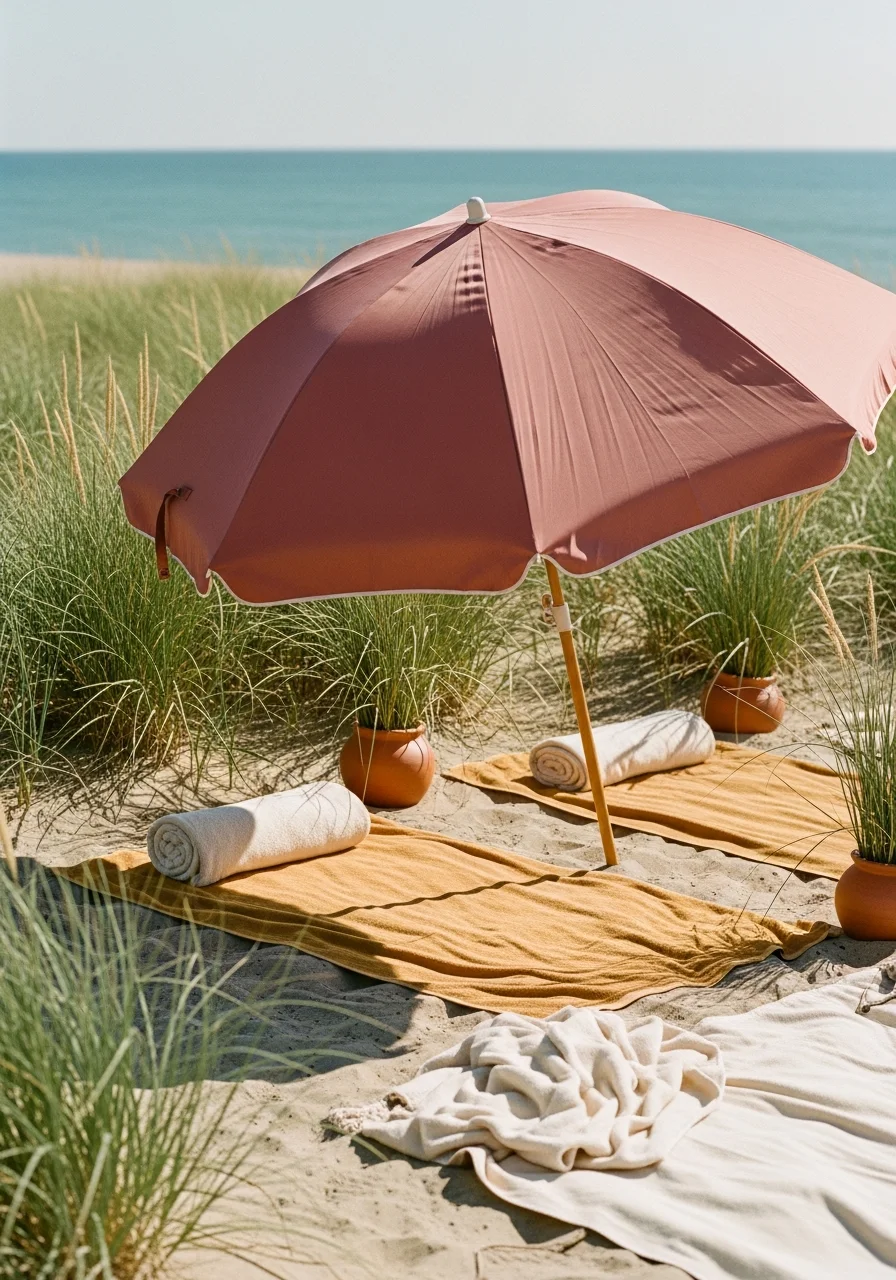
Host a day or weekend at the shore with sand-based games.
The beach provides built-in entertainment for all ages, from building sandcastles to relaxing under umbrellas.
Set up a central ‘base camp’ with a large canopy and plenty of water to serve as a meeting point for everyone.
44. Cousins Sleepover Night

Designate a specific area for younger relatives to stay together.
Concentrating the children in one area allows them to bond and gives parents a chance to socialize separately.
Provide a ‘midnight snack’ basket with popcorn and fruit to make the evening feel like a special event.
45. Bonfire Night
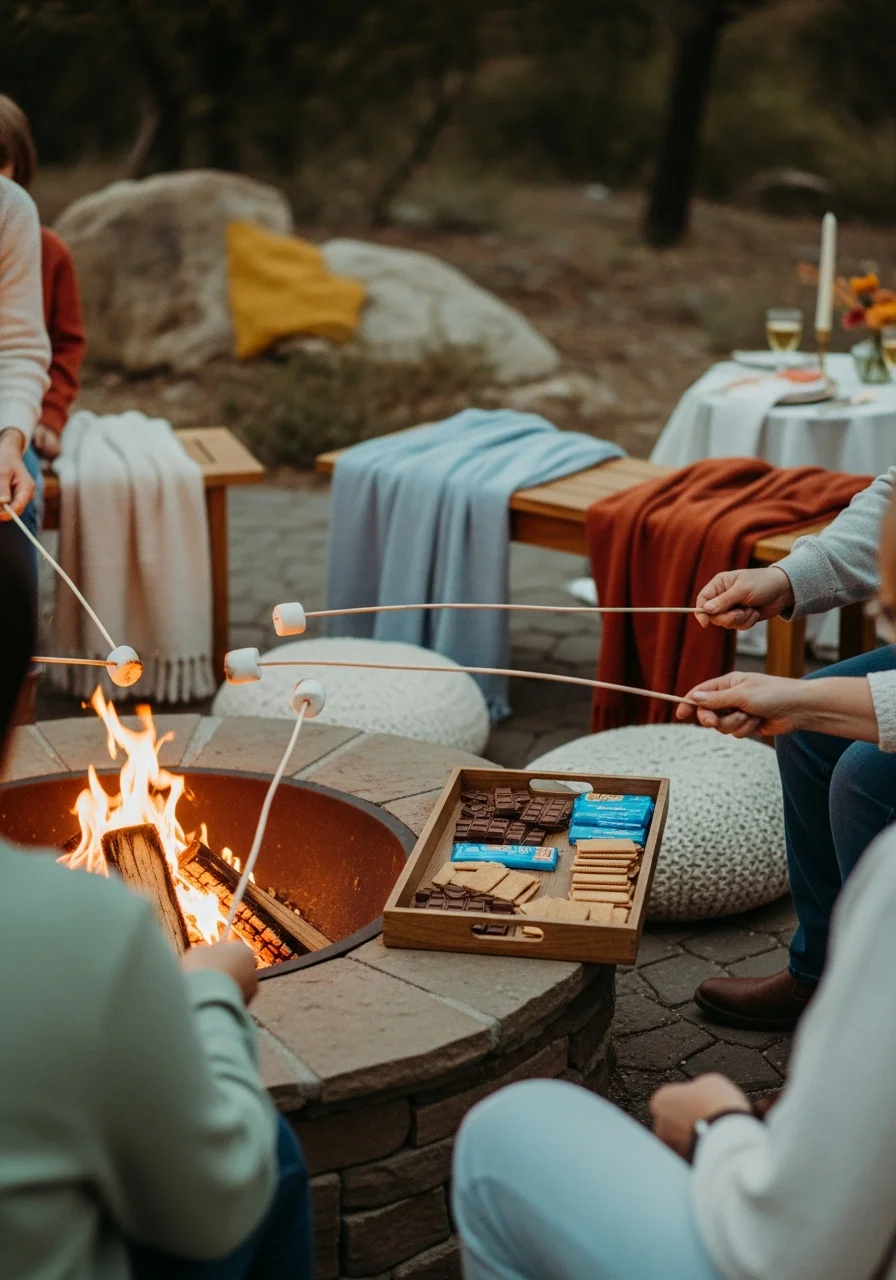
End the day with a fire, music, and roasted treats.
Gathering around a fire naturally encourages storytelling and a slower pace of conversation.
Prepare ‘S’mores kits’ in individual bags to keep the process clean and organized for children.
46. Matching Color Theme
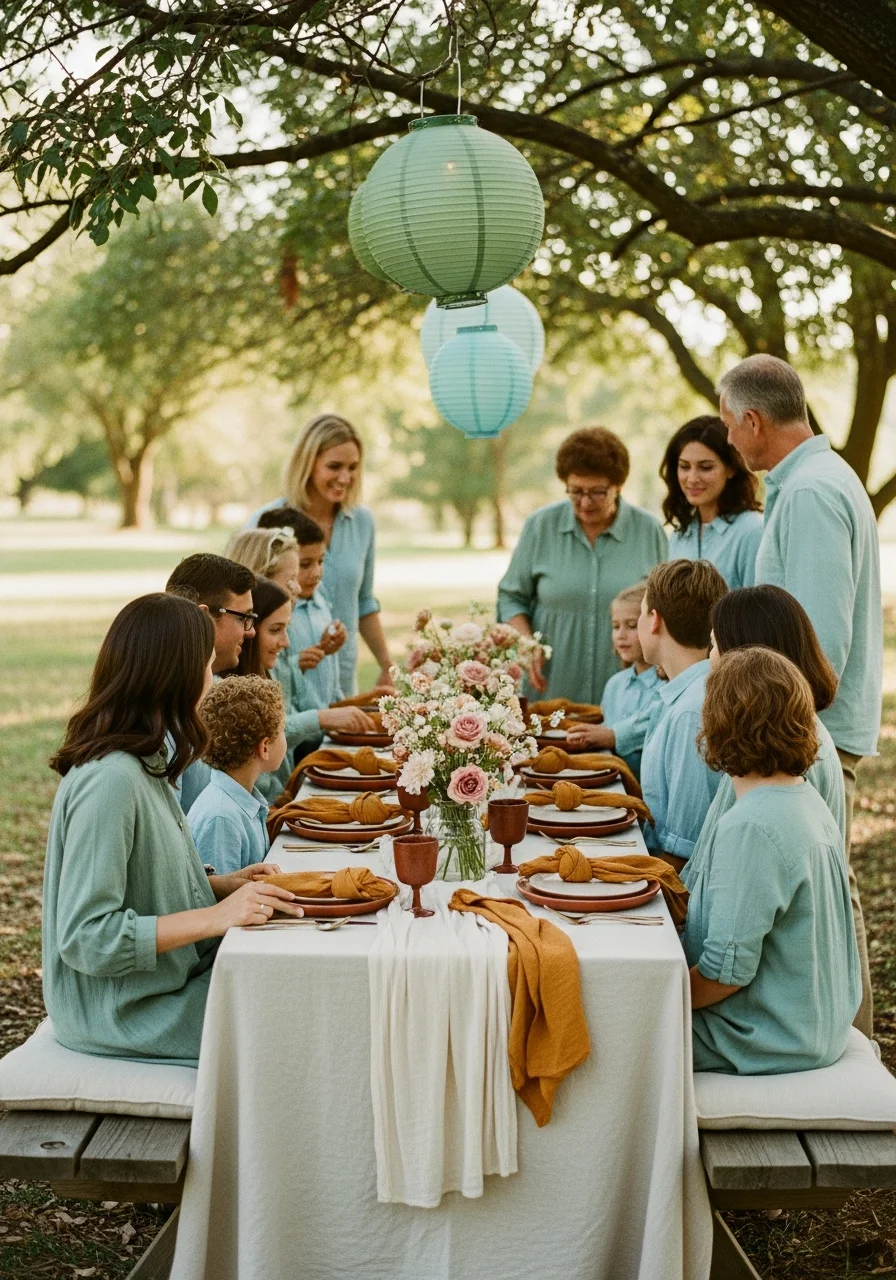
Assign a specific clothing color to each branch of the family.
Colors make it easy to identify family units in large group photos and during team activities.
Suggest common colors like blue, green, or red so guests can easily find items they already own.
47. Backyard Camping Night
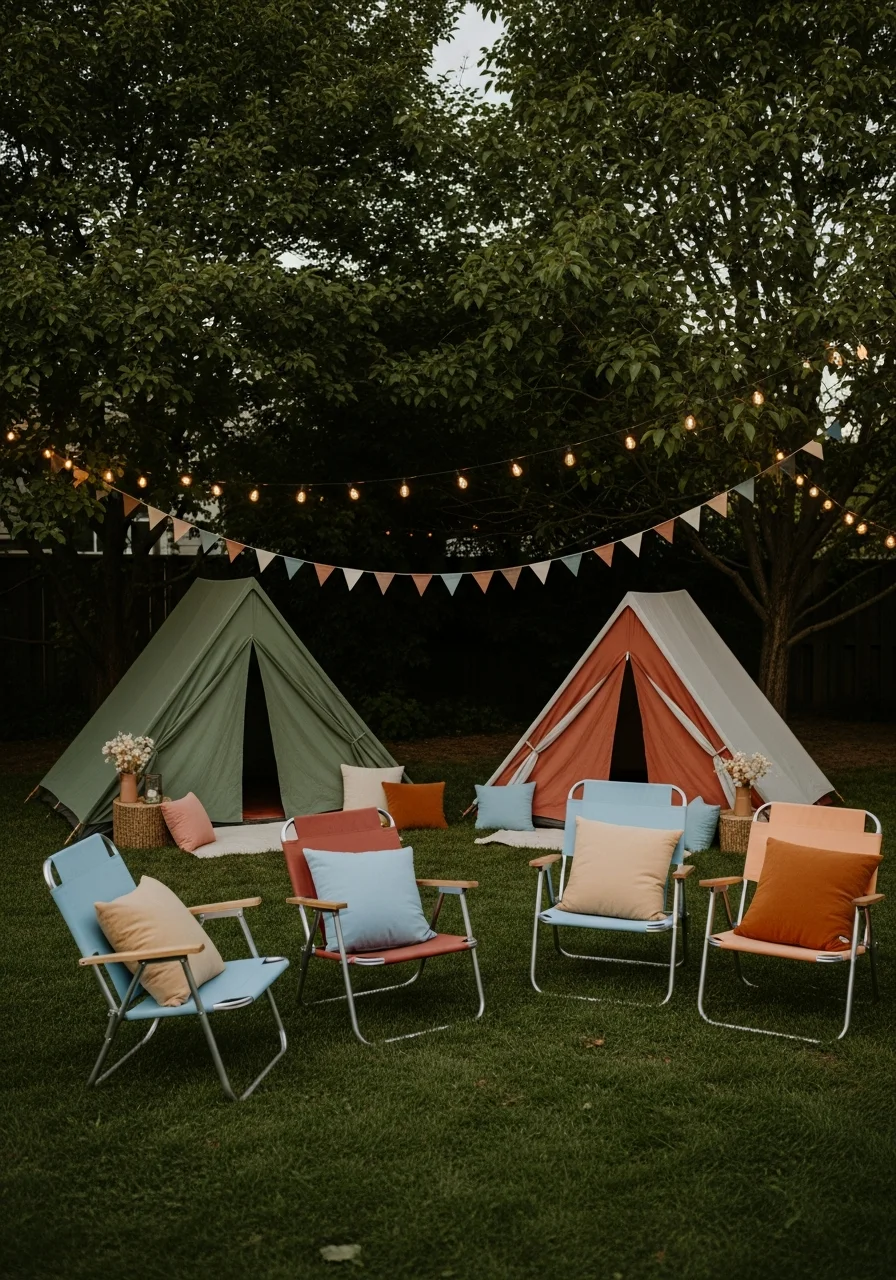
Set up tents in a family member’s yard for an overnight stay.
This offers the fun of camping with the convenience of a nearby kitchen and bathroom.
Set up a ‘charging station’ indoors for phones and cameras so guests stay connected.
48. Travel Destination Reunion
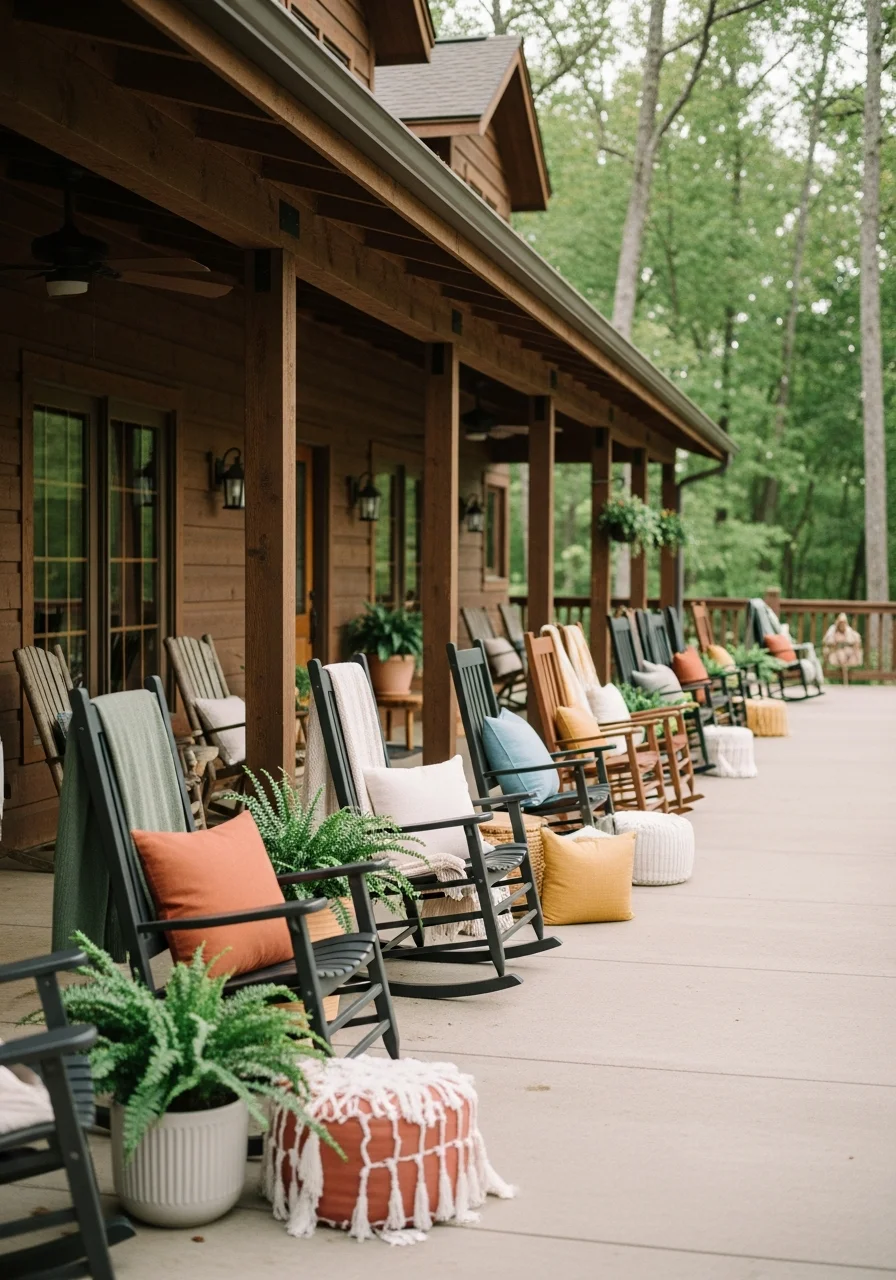
Gather at a central vacation rental or resort.
A destination reunion turns a one-day event into a shared vacation, allowing for deeper connections over several days.
Choose a location with a variety of housing options, from hotel rooms to cabins, to fit different budgets.
49. Family Volunteer Day
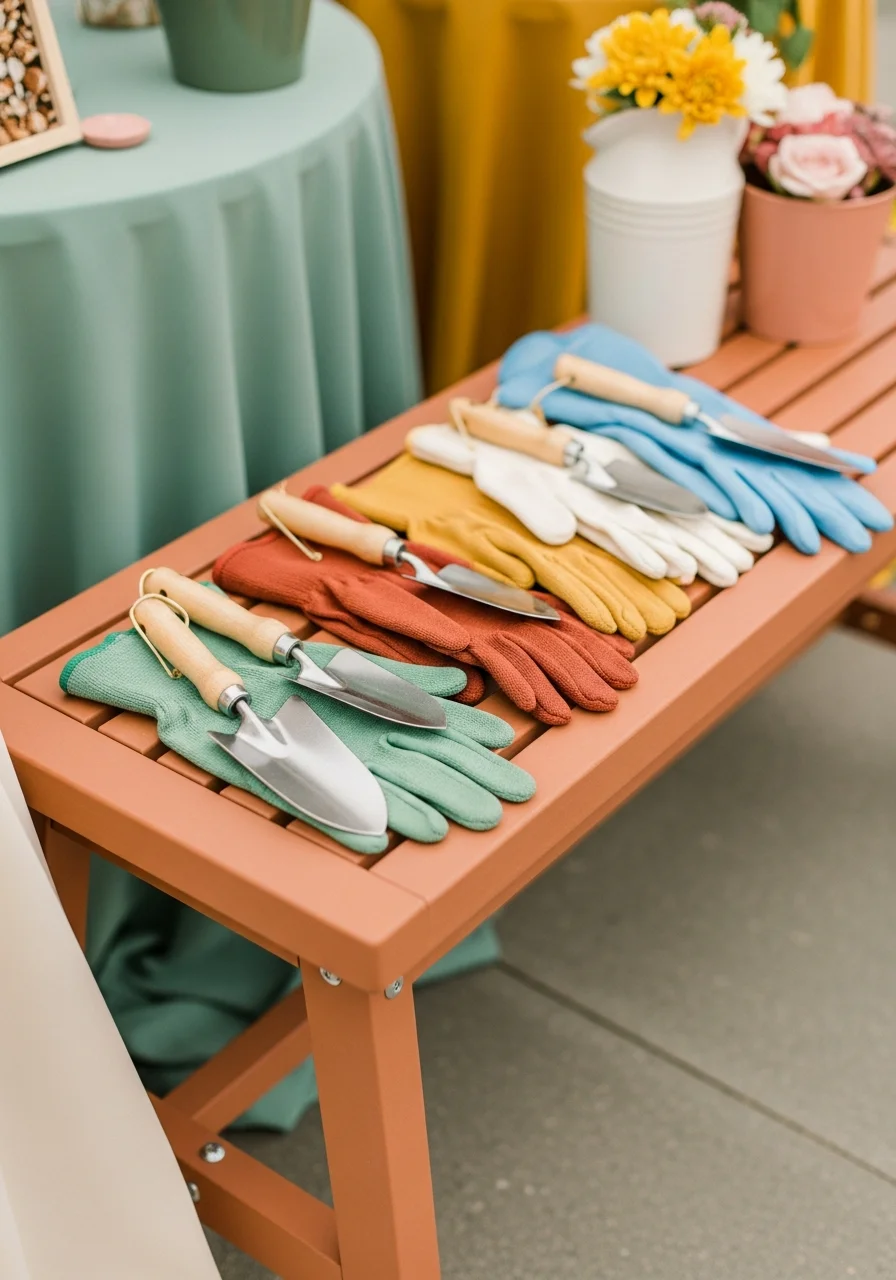
Spend a few hours working together on a local service project.
Working toward a common goal builds teamwork and reinforces family values of community and service.
Select a project that offers tasks for all ages, such as sorting canned goods or planting flowers in a park.
50. 3-Day Reunion Weekend
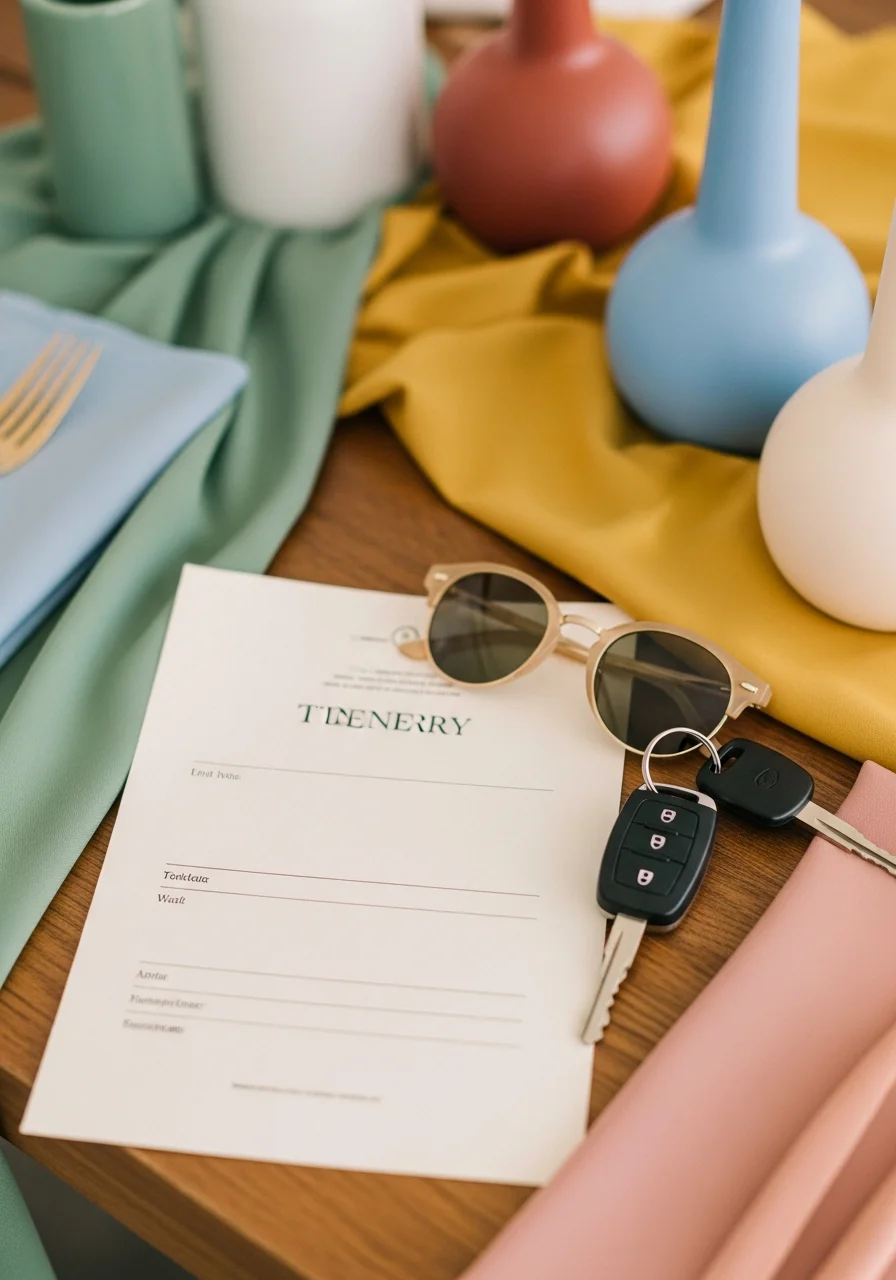
Follow a structured schedule of welcome, activity, and farewell.
Spreading events over three days prevents ‘social burnout’ and allows for more meaningful one-on-one time.
Keep the first night low-key with a simple pizza or pasta dinner to allow for staggered arrival times.
Frequently Asked Questions
How do I choose a date that works for everyone?
Utilize digital polling tools to provide three specific weekend options to the family. Start this process 6 to 12 months in advance to account for varying work schedules and school calendars. While holiday weekends offer extra travel time, consider that these dates often coincide with higher travel costs and busier venues.
What is a reasonable budget per person for a family reunion?
A range of $25 to $75 per person often covers food, venue rentals, and basic activities for a single-day event. For multi-day gatherings, focus on cost-saving measures like potluck dinners, shared lake house rentals, or camping to keep the event accessible for families with different income levels.
How can I make sure the oldest and youngest family members are both included?
Design an itinerary that balances high-energy games with seated activities. For example, pair a Family Olympics with a Storytelling Circle or a Family Tree Station. Ensure the venue has ample shade and accessible seating for seniors, and set up a DIY craft table or photo booth to keep children engaged during downtime.
What are the best ways to collect money for a large family event?
Digital payment platforms and mobile apps are efficient for tracking contributions. Establish a clear payment schedule with a deposit deadline to secure venues and a final payment date for food and supplies. Providing a transparent breakdown of costs helps family members understand how their contributions are being used.
How far in advance should I start planning a destination reunion?
Planning should begin 12 to 18 months before the event date. This lead time is necessary for booking large-scale accommodations like campgrounds or multi-unit lake houses and allows out-of-town relatives to find affordable flights and manage their vacation time.
This post may contain affiliate links: full affiliate disclosure.