
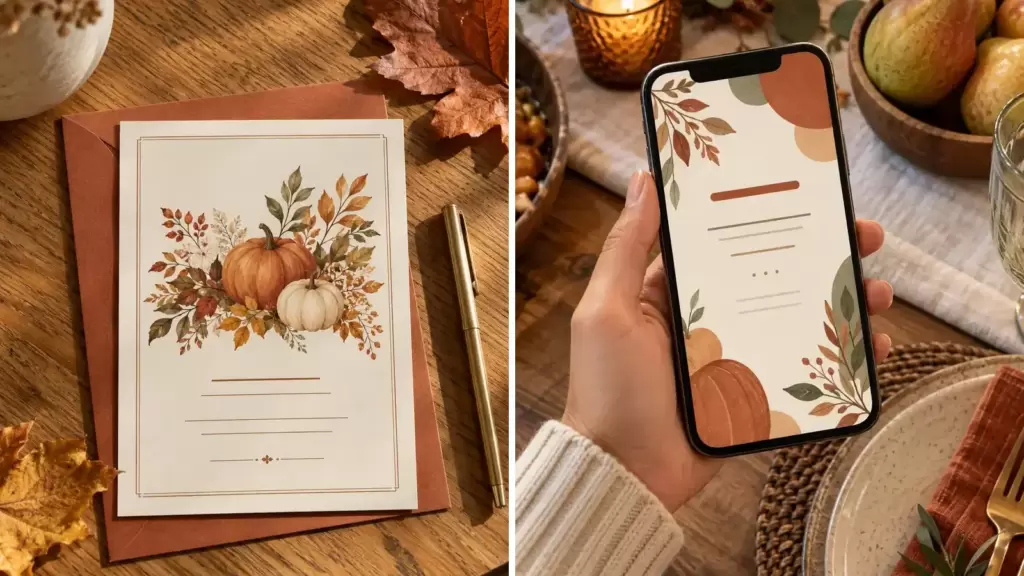
A good Friendsgiving invite does more than share a date. It sets the mood, explains what guests should bring, and makes it easy for everyone to respond without digging through a long group chat.
These Friendsgiving invite ideas cover paper and digital formats, funny and heartfelt wording, potluck planning, specific party themes, and low-cost DIY options. Choose the concept that fits your group, then add the exact time, address, RSVP deadline, food plan, and any accessibility or dietary details your guests need.
Smart Ways to Send a Friendsgiving Invite
Start with the format your guests are most likely to notice and use. A beautiful invitation only works when people can find the details and respond easily.
1. Mail a Classic 5-by-7 Flat Card
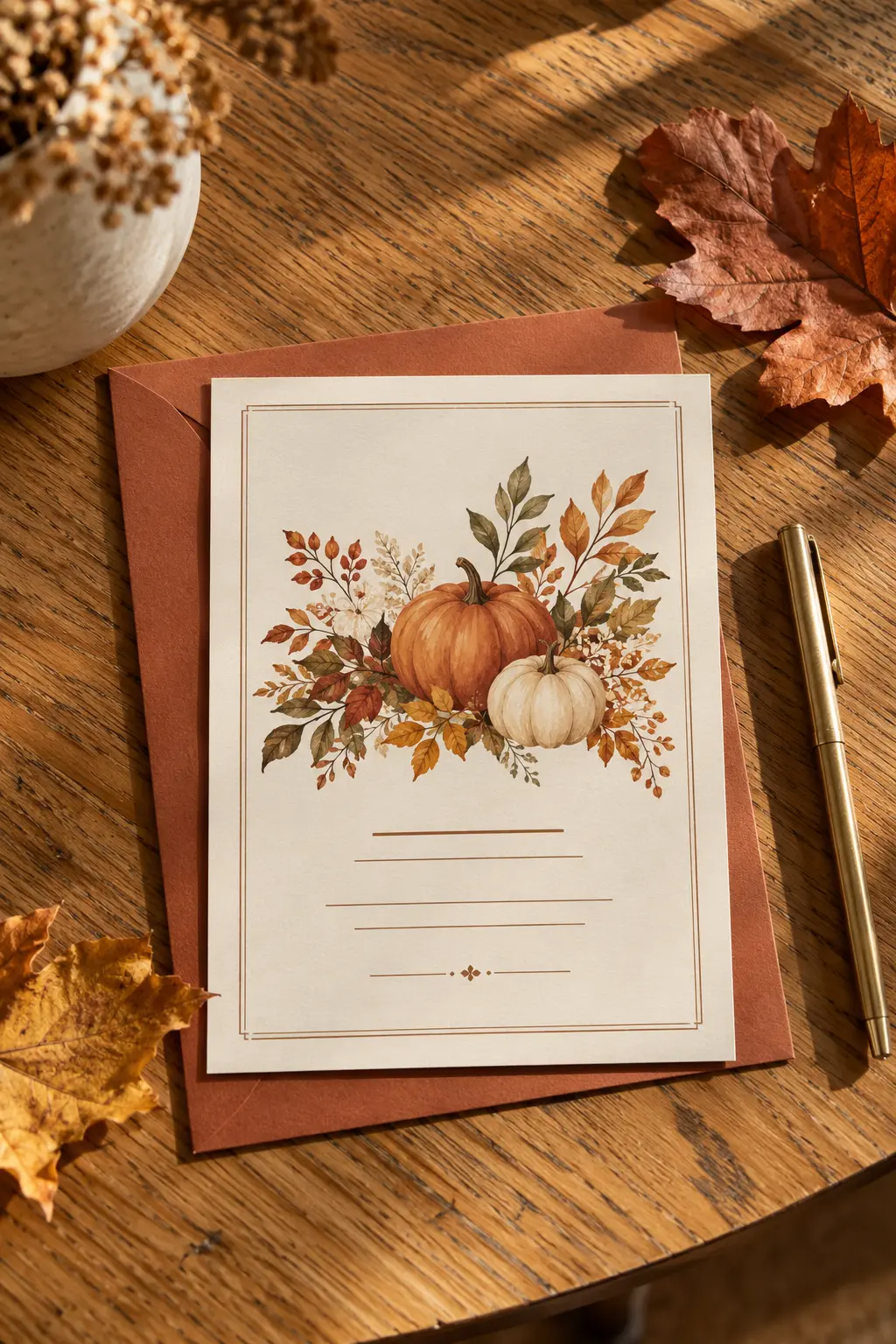
Choose a flat card when you want the gathering to feel intentional without becoming formal. Keep the front focused on the event, then place the address, RSVP deadline, potluck note, and contact information in a clean block below.
2. Design a Phone-First Vertical Invite
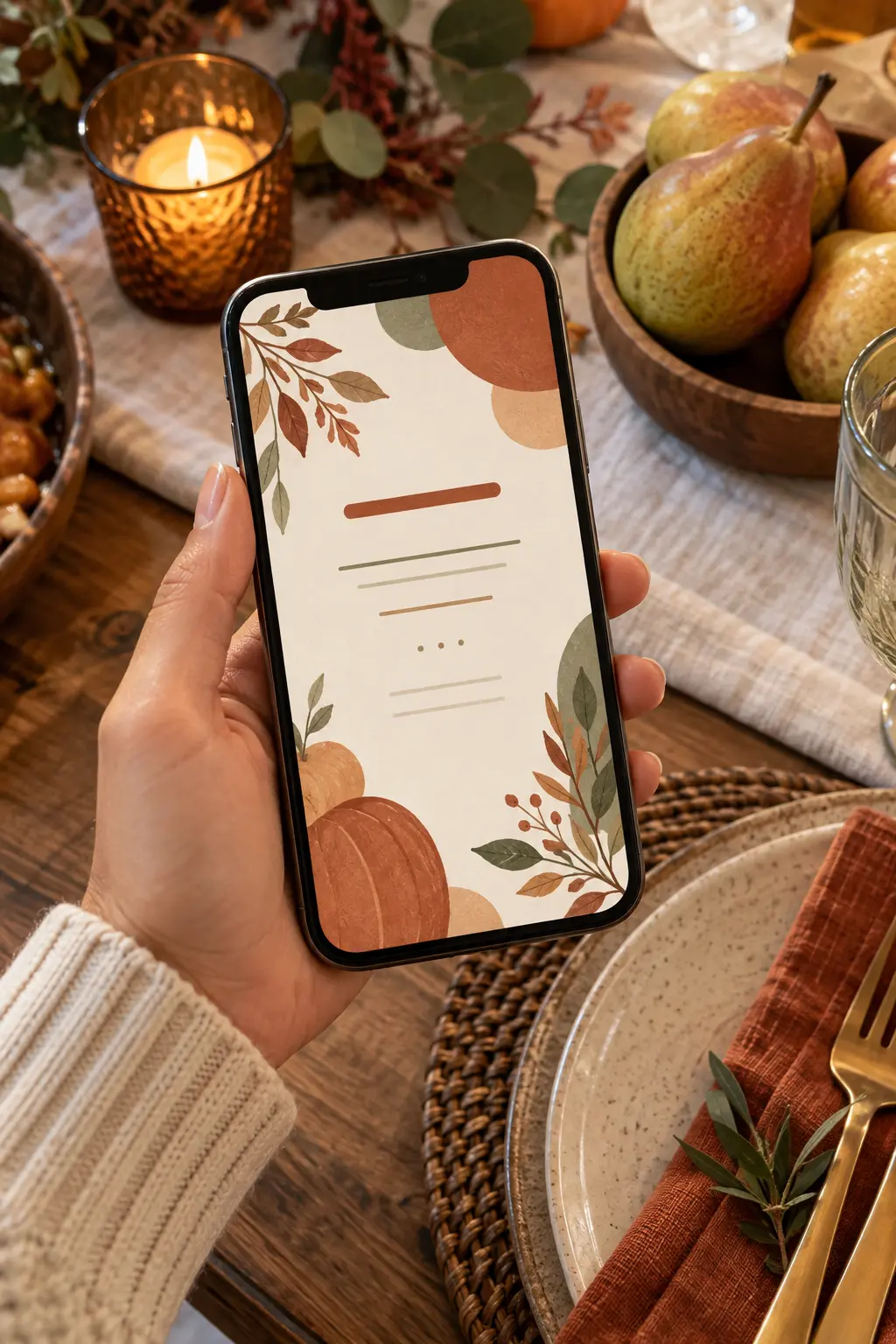
Build a tall invitation that reads clearly on a phone and can be sent by text or messaging app. Use one strong image, large type, and only the essential details so guests do not have to zoom.
3. Lead With a Group-Text Mini Invite
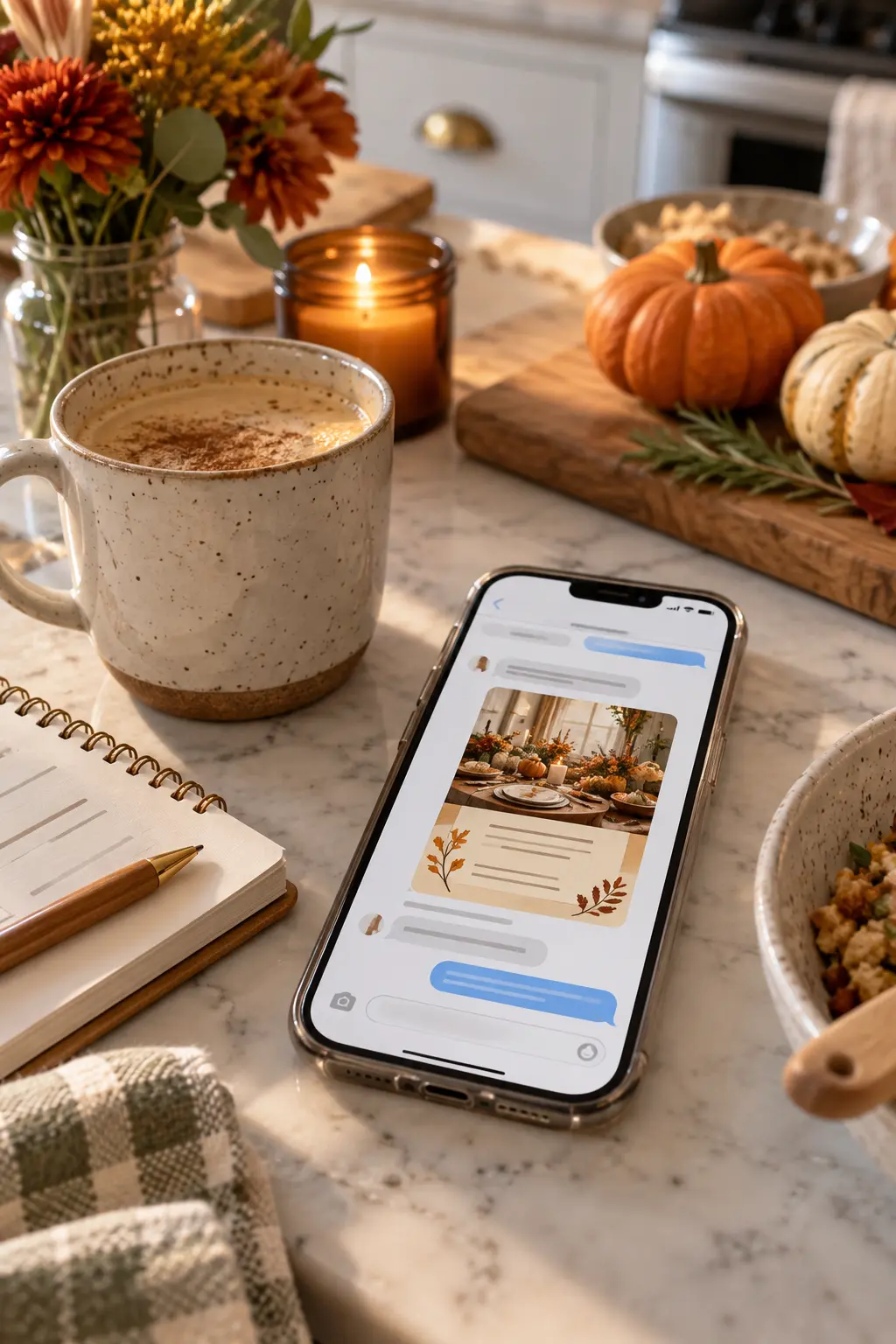
Send a compact image card at the top of the group text, followed by a plain-text copy of the date, time, address, and RSVP request. The image creates excitement while the text remains searchable later.
4. Create an Email Invitation With a Clear Summary
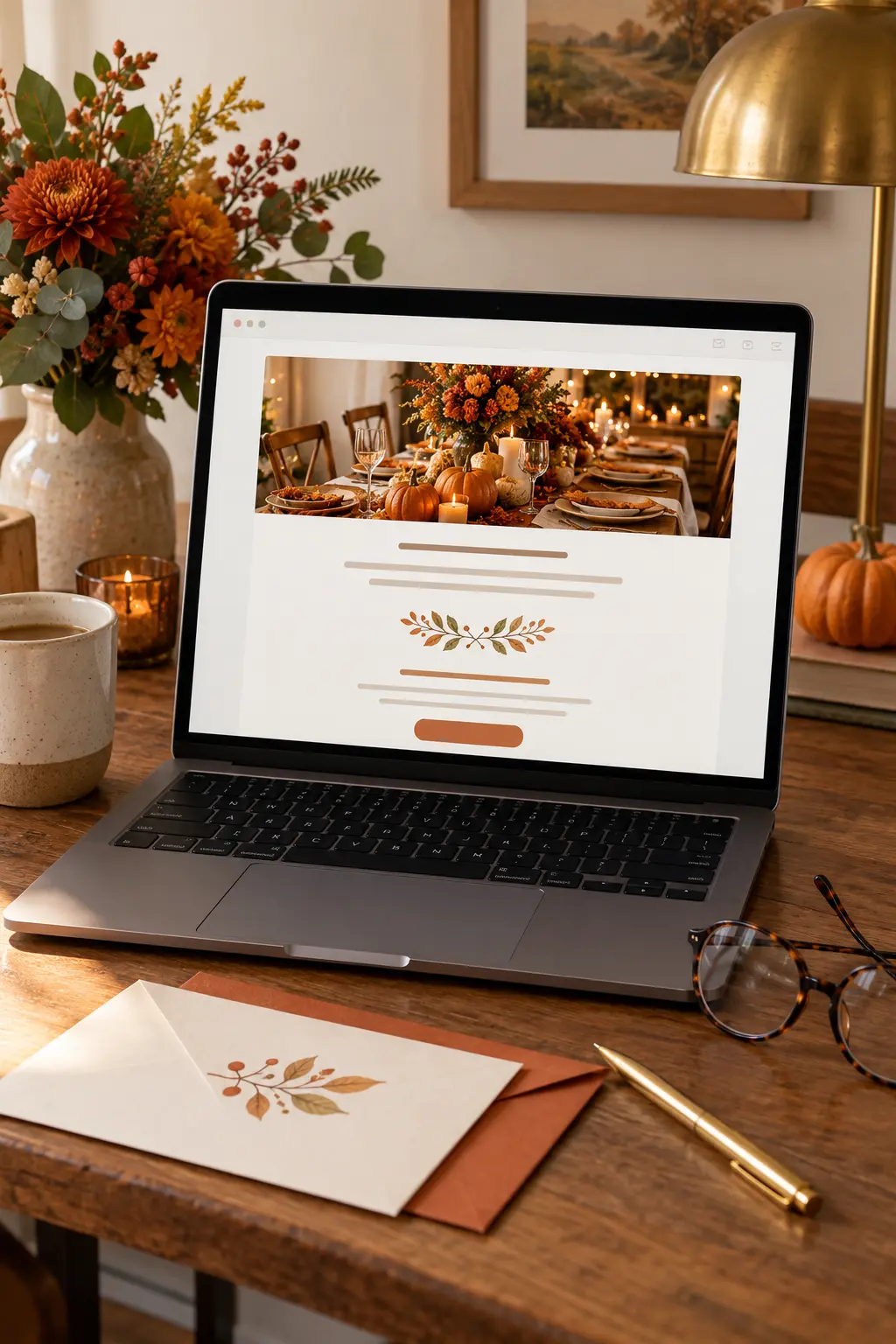
Email works well for a mixed-age guest list or a group that needs more detail. Put the key logistics near the top, then use the rest of the message for parking notes, food assignments, or a link to the potluck list.
5. Use an Interactive RSVP Page
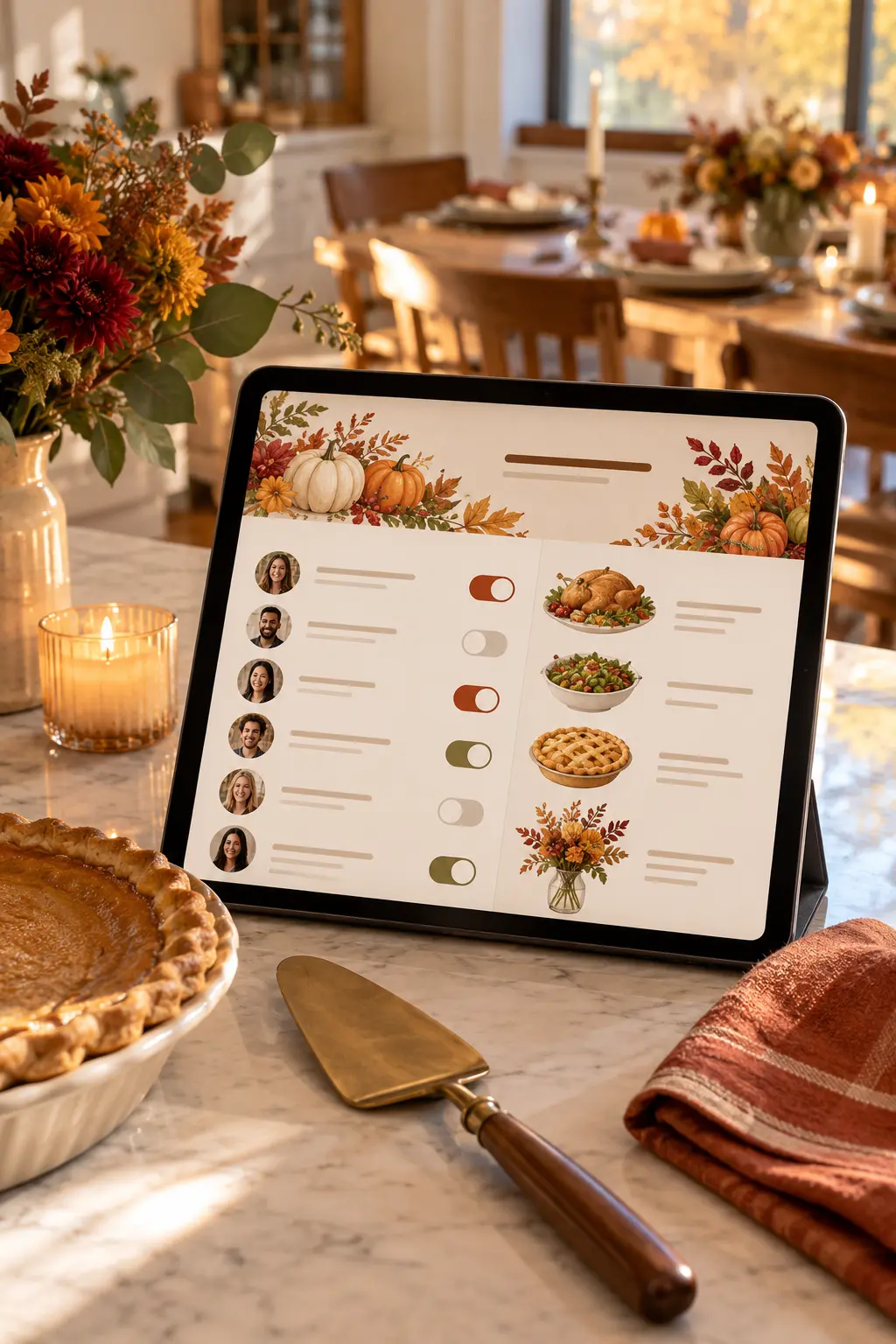
Choose an online invitation page when you want guest counts, dietary answers, and updates in one place. Keep the response form short and make sure guests can open it without creating a new account when possible.
6. Share an Animated Story Invite
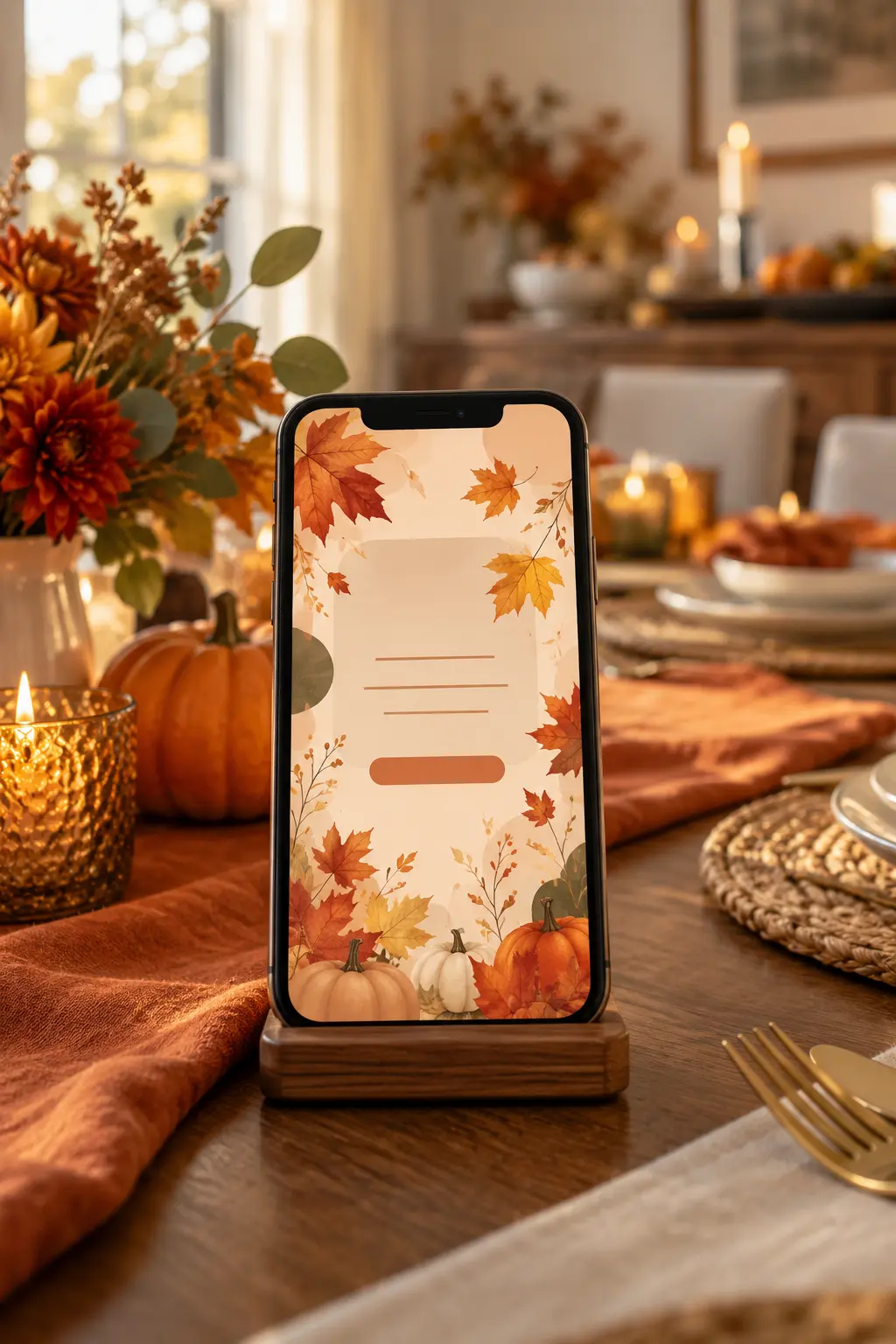
A short animated invitation feels festive in an Instagram Story or private social post. End on a still frame long enough for guests to capture the date, location, and RSVP method.
7. Send a Casual Friendsgiving Postcard
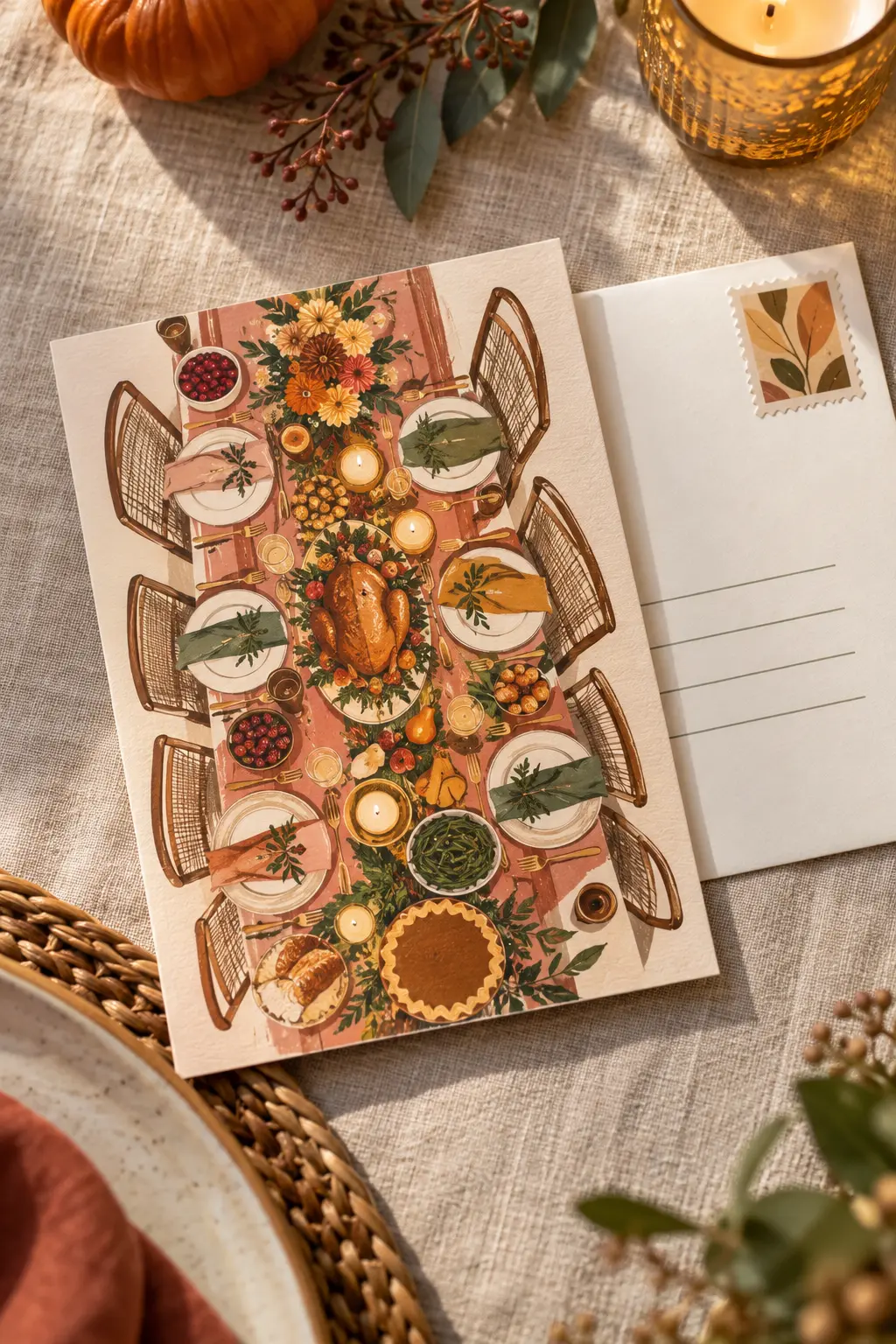
A postcard gives you the charm of real mail with less paper and no separate envelope. Reserve the back for a short personal note and repeat the RSVP contact clearly so it does not get lost near the address area.
8. Make a Small Folded Invitation
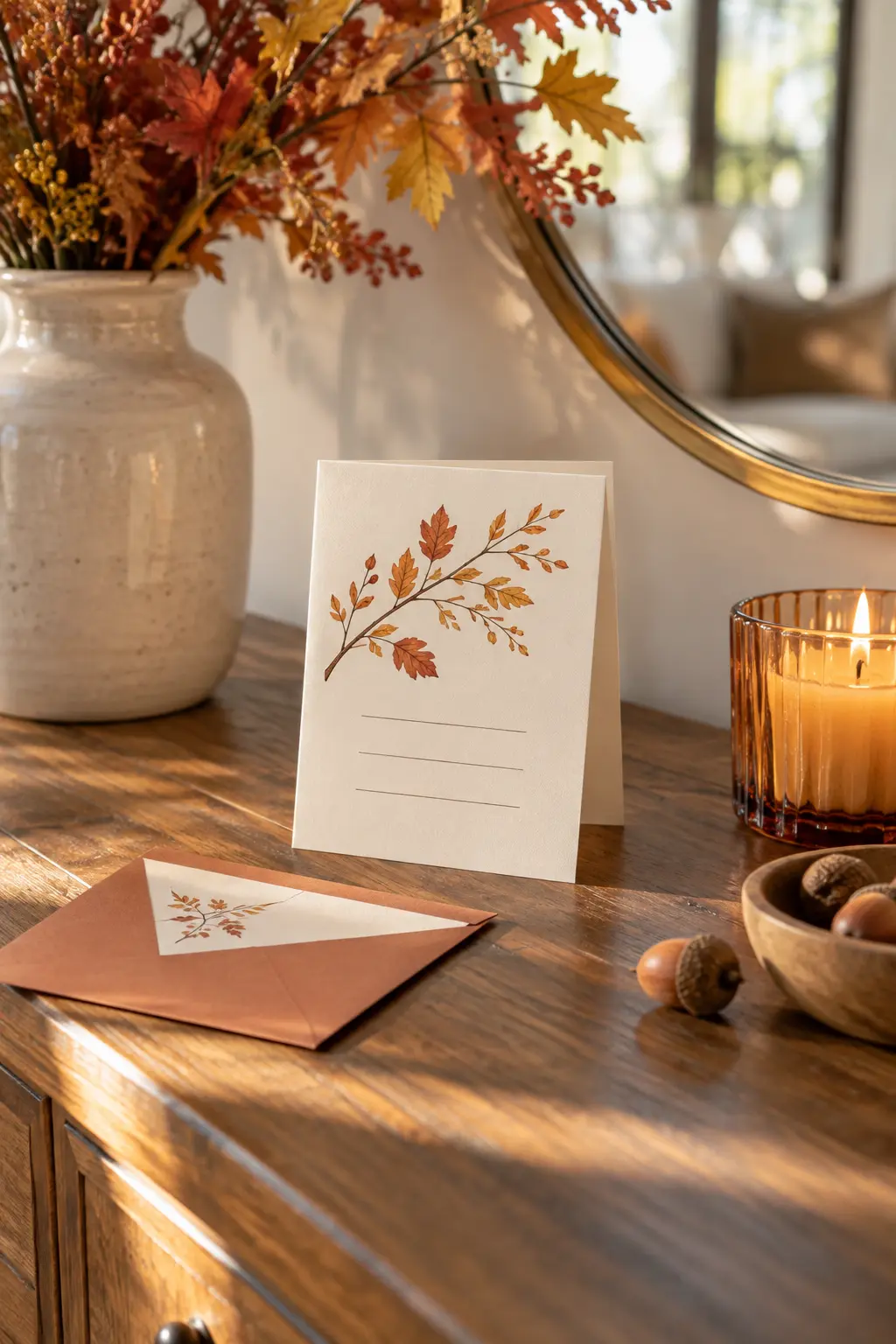
Use the cover for a simple visual and place the practical details inside. This format gives you room for a warm welcome, dish instructions, and a reminder about when dinner will actually be served.
Wording Directions That Fit Different Friend Groups
Match the voice of the invitation to the way your group already communicates. Even a funny invite should keep the logistics direct and easy to spot.
9. Center the Message on Gratitude
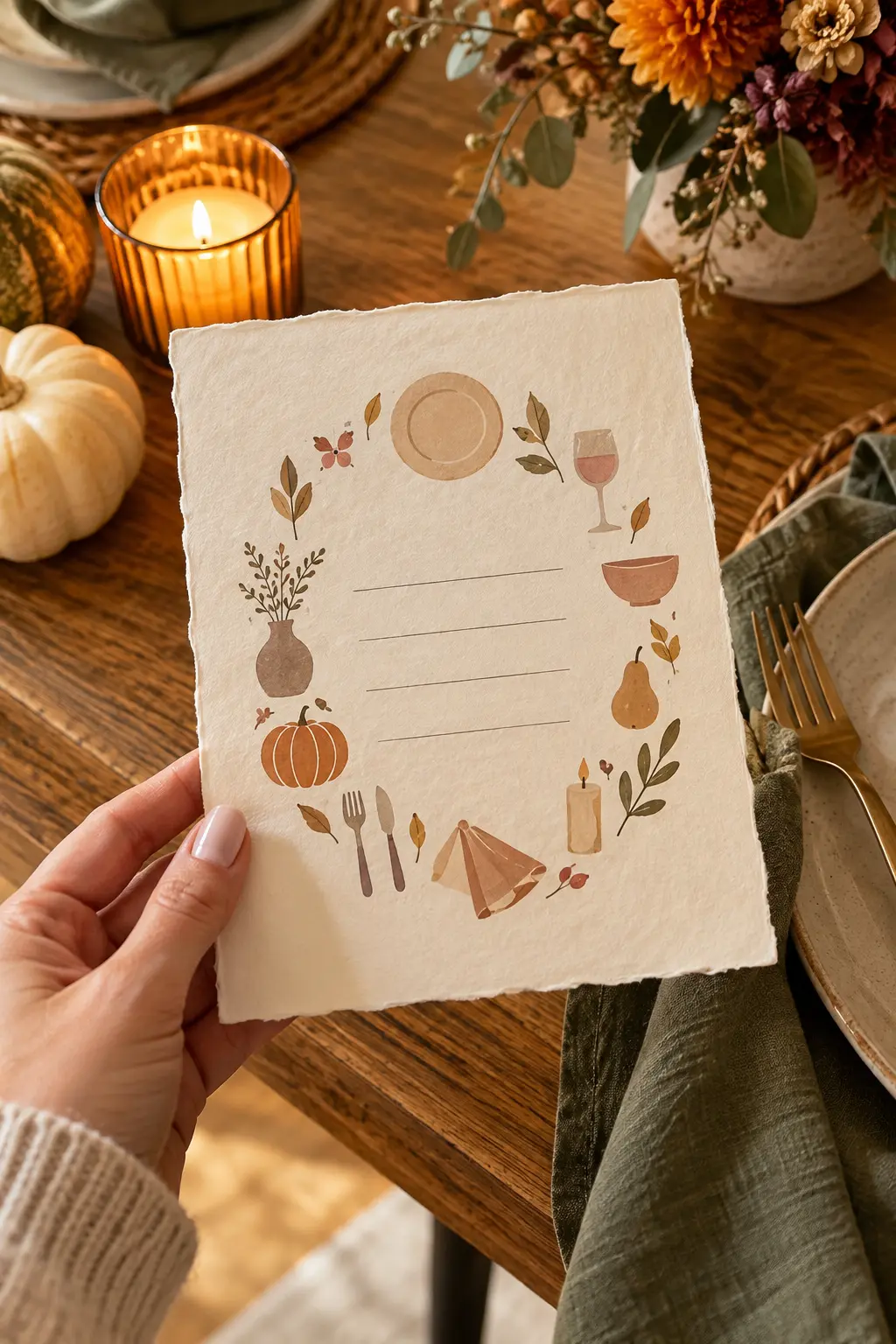
Open with a sincere line about being grateful for the friends who feel like family. Follow it immediately with the date, arrival time, meal time, and what the host is providing.
10. Keep It Playful With Pie-and-Pals Energy
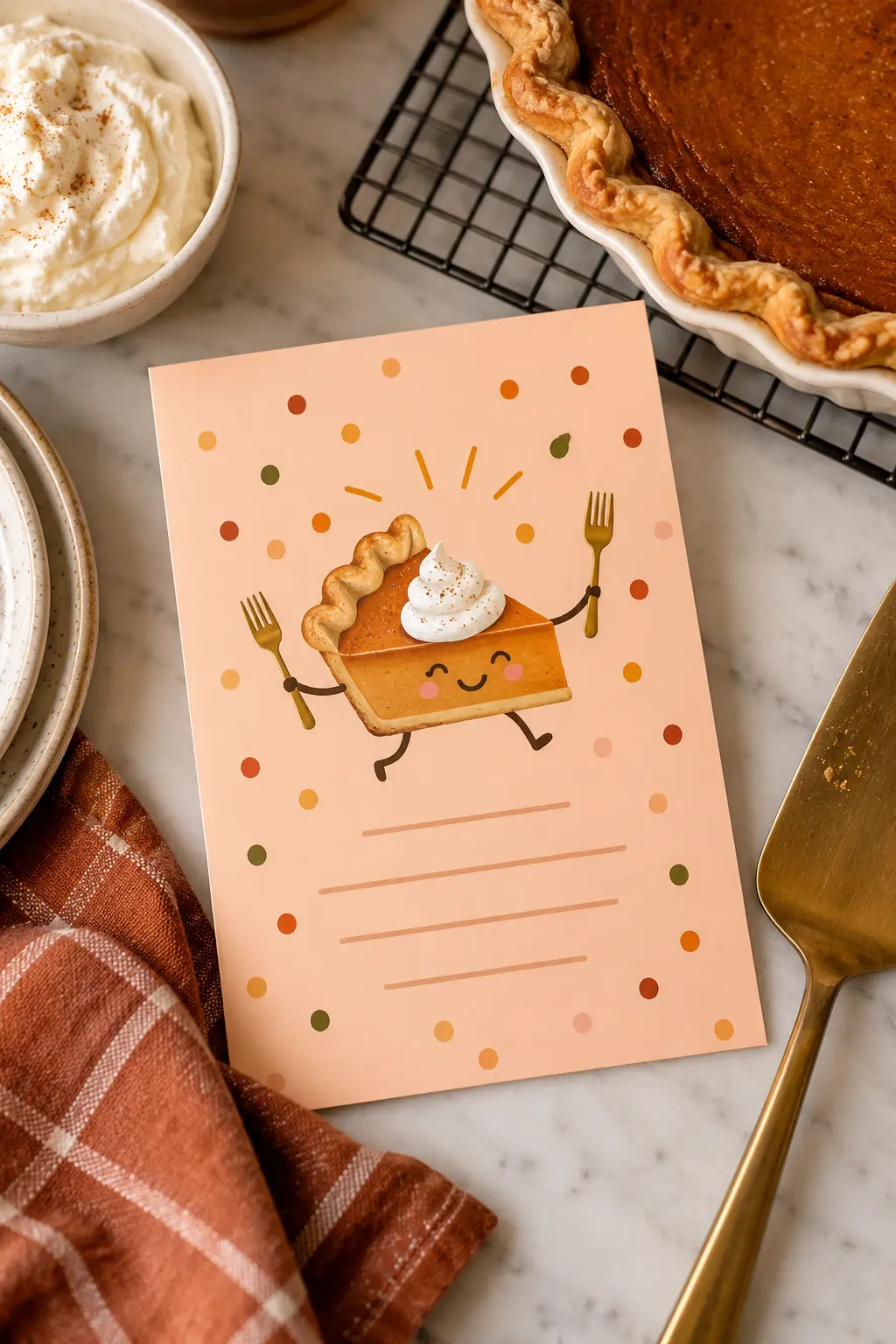
Use one light food pun or inside joke as the hook, then switch to straightforward instructions. The humor should make the invitation memorable, not hide whether guests need to bring a dish.
11. Put the Logistics First
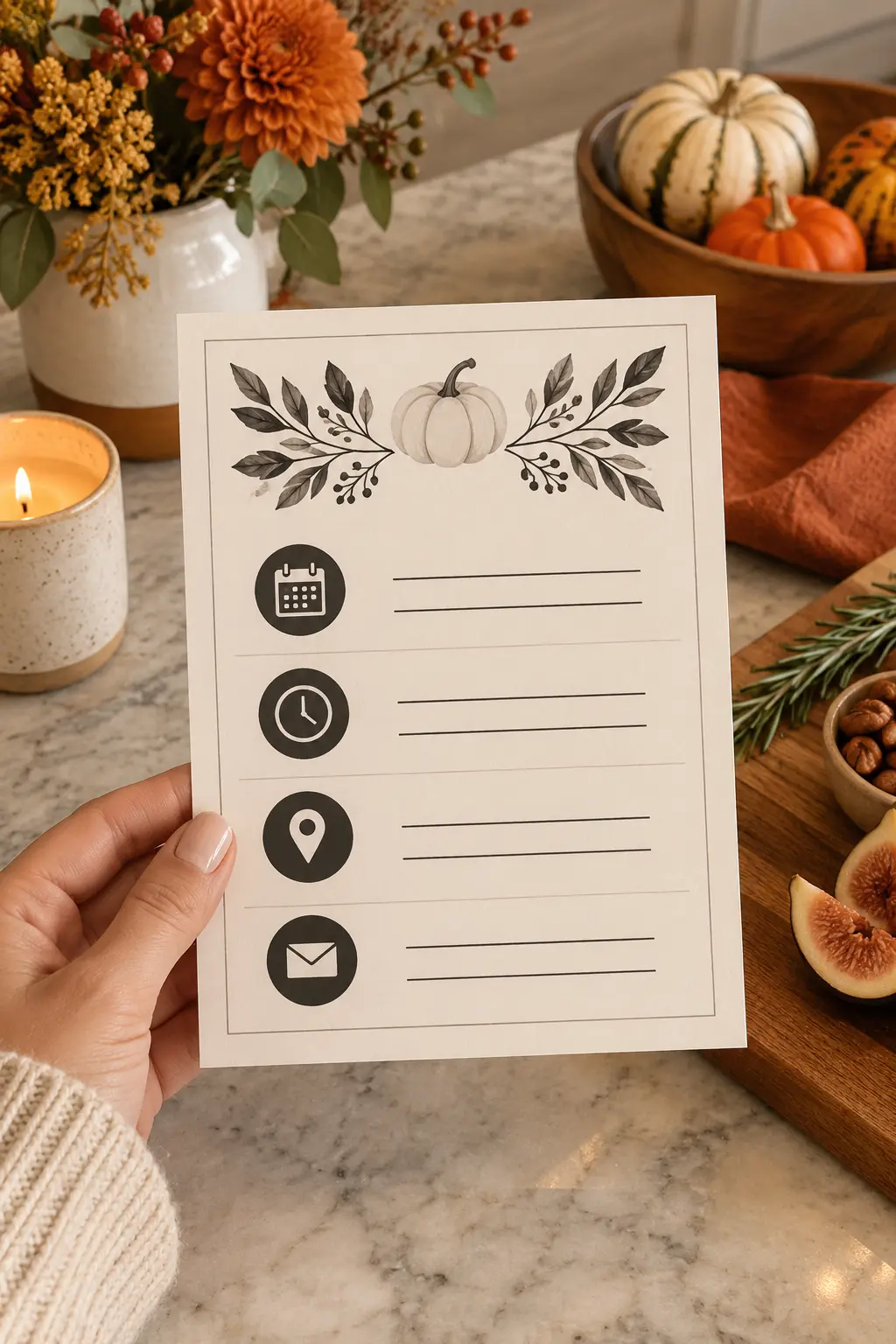
For a busy group, lead with the event date, arrival window, meal time, address, and response deadline. Add the friendly welcome underneath so nobody has to search through a paragraph for the essentials.
12. Use Elevated Dinner-Party Wording
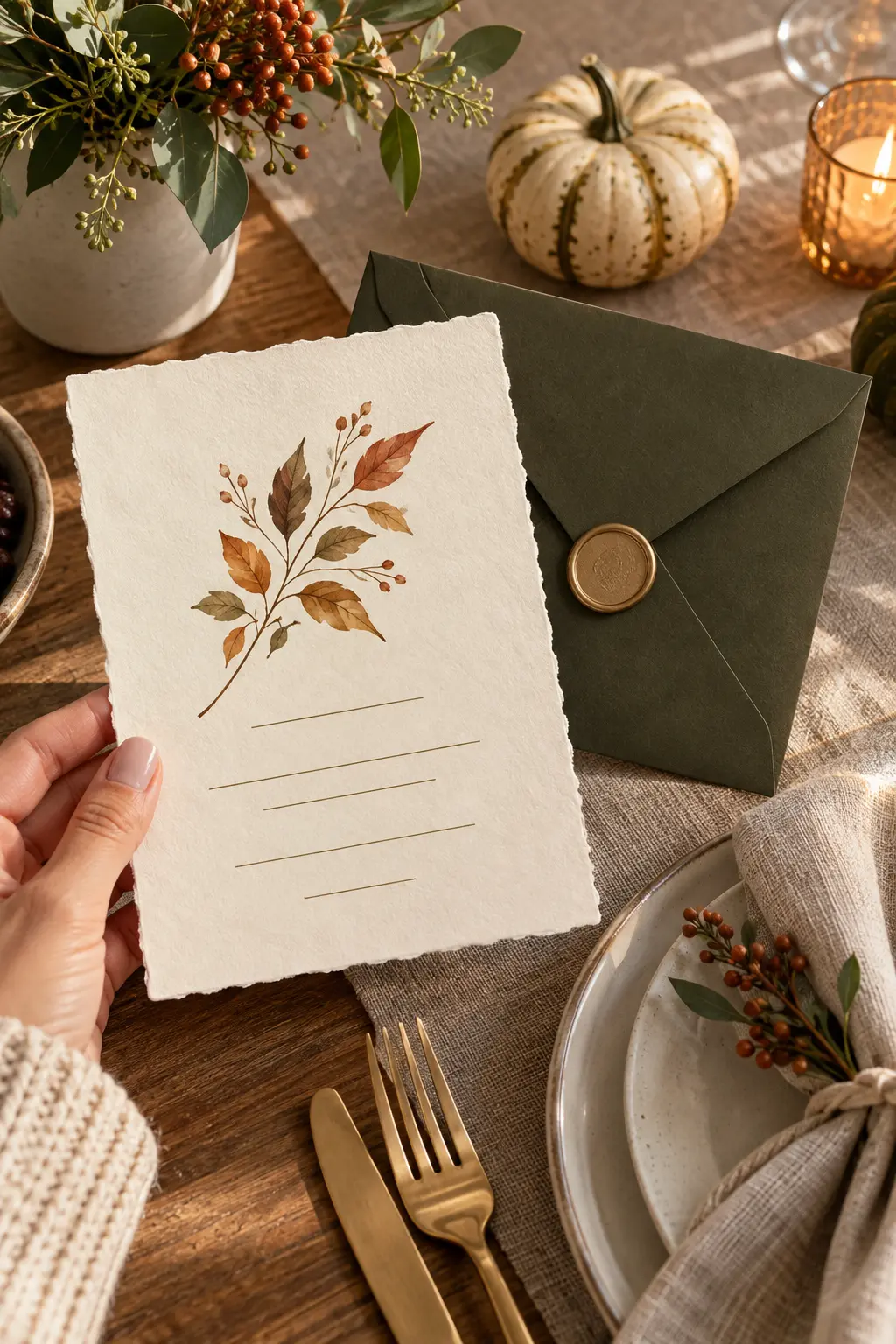
Invite guests to an evening of dinner and gratitude when you are planning a seated meal. Mention the dress direction, cocktail start time, and whether the host has the full menu covered.
13. Write a No-Drama, All-Dinner Invite
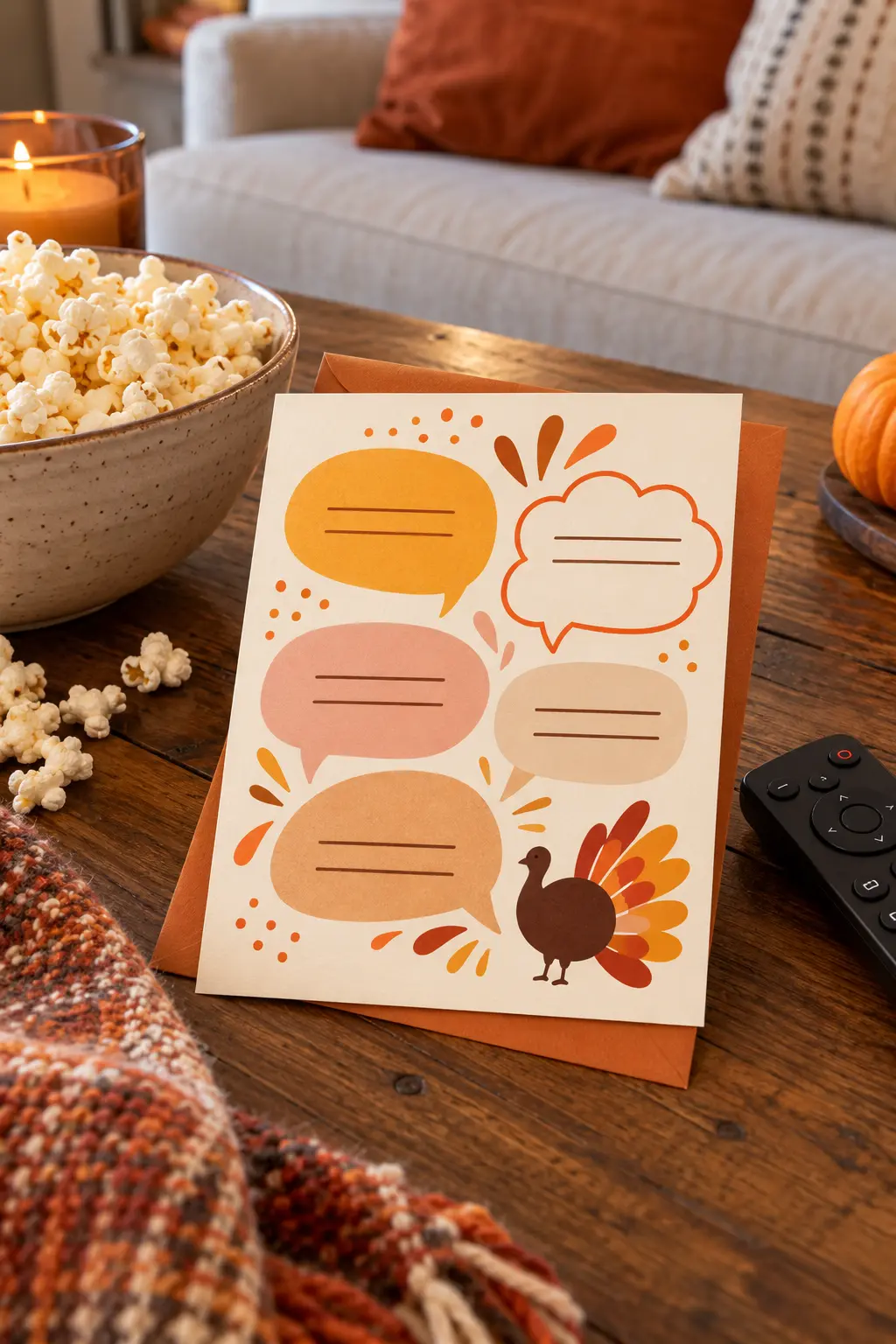
A gentle joke about leaving family drama at the door can fit a close group that shares the same humor. Keep it kind and avoid wording that could make a new guest feel like an outsider.
14. Celebrate Your Chosen Family
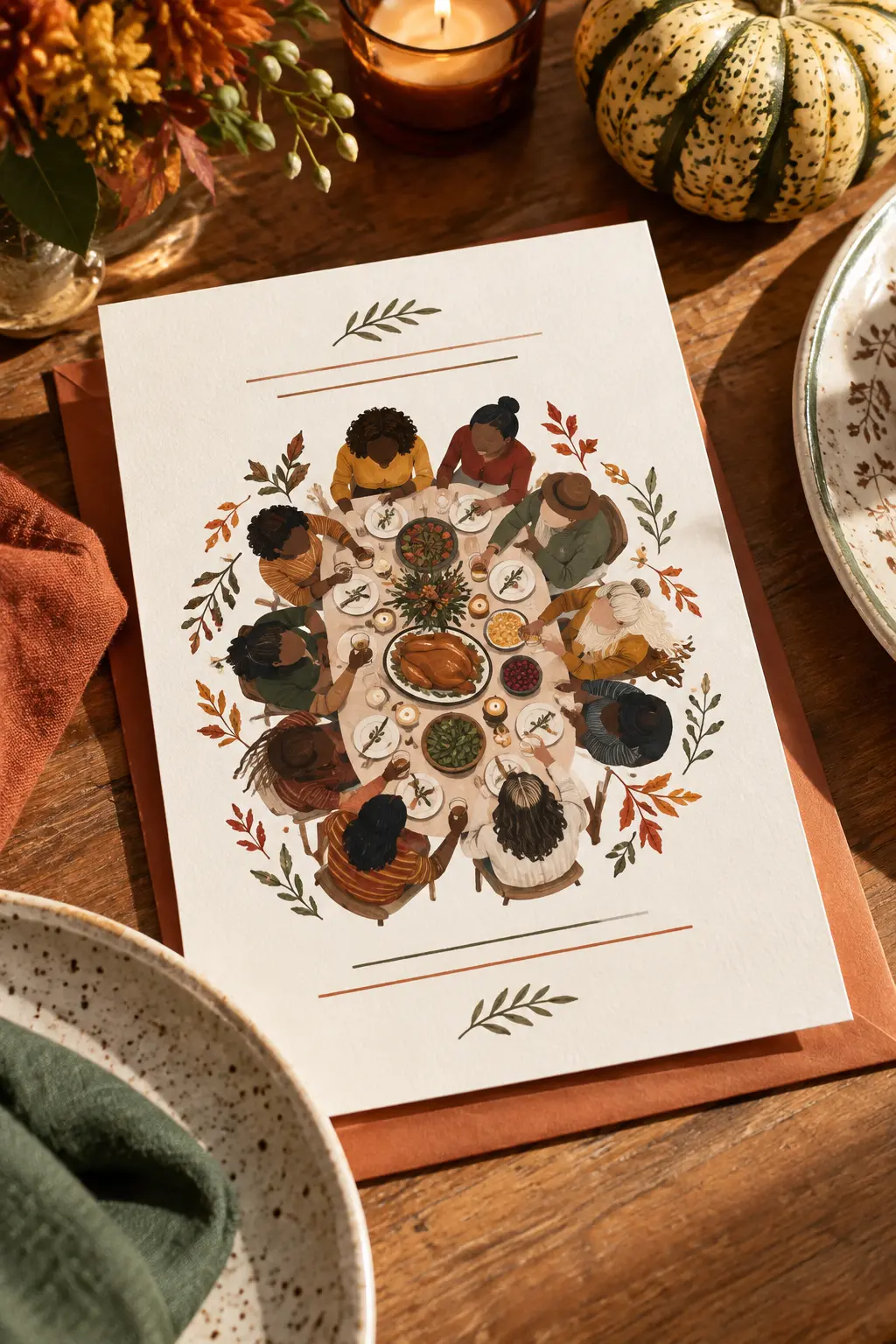
Frame the gathering as a celebration of the people you chose and the traditions you are building together. This tone is especially meaningful for friends spending the holiday away from relatives.
15. Explain Friendsgiving for First-Time Guests
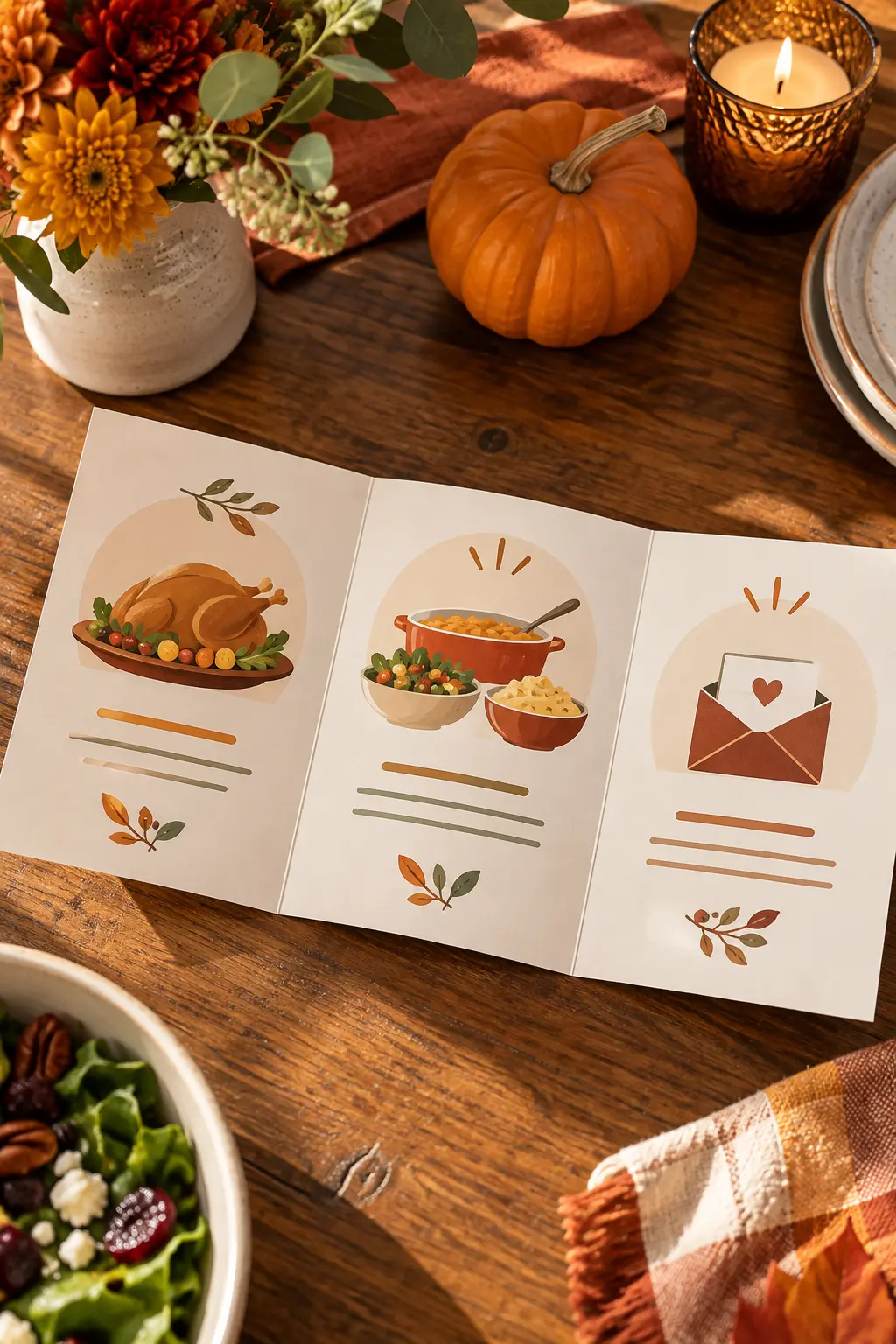
Briefly explain that Friendsgiving is a relaxed Thanksgiving-style meal with friends and say whether it is a potluck. Include exactly how dish claims work so a newcomer can participate without guessing.
16. Send a Warm Last-Minute Invitation
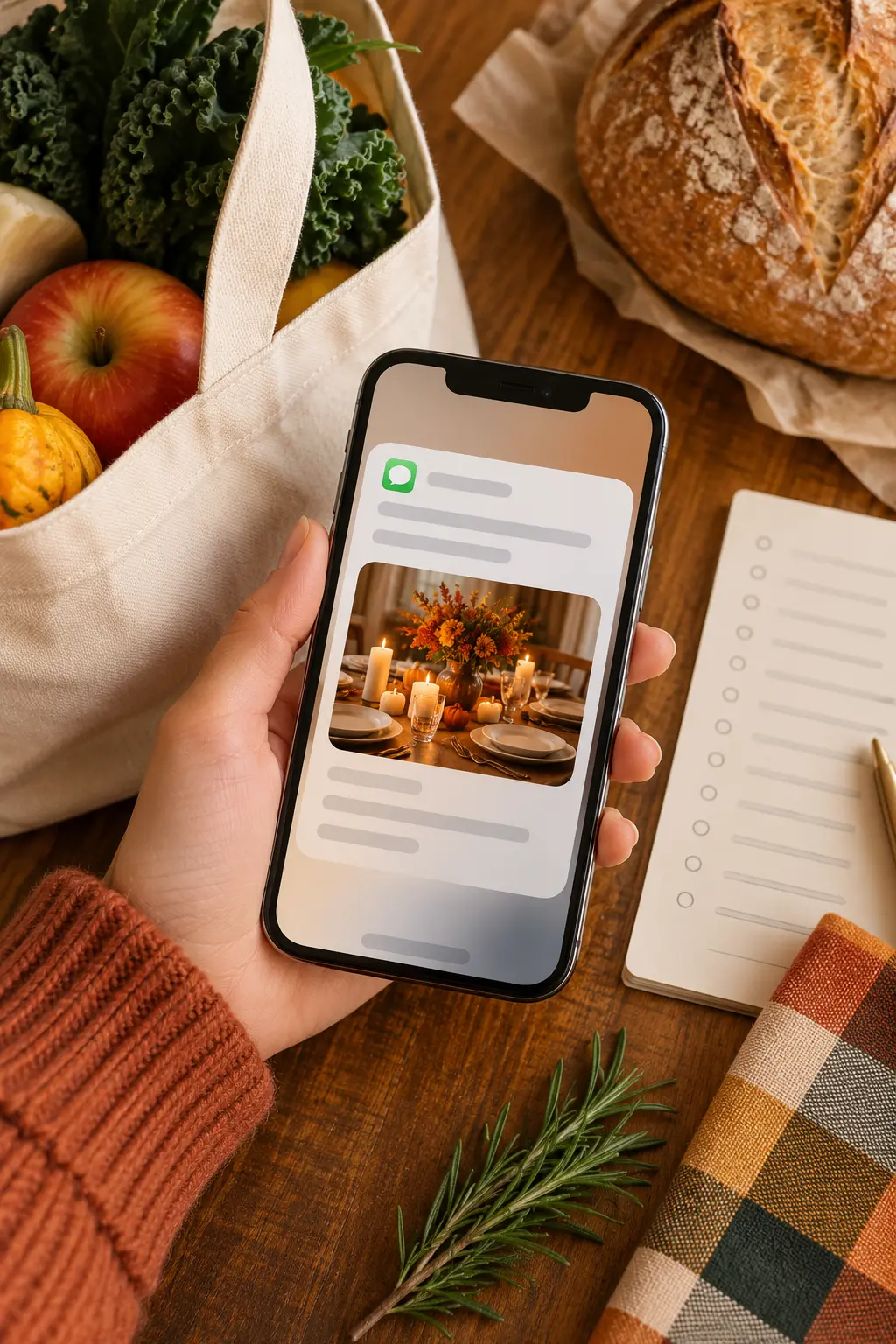
Be honest that the plan came together quickly and make the invitation feel genuine, not like a backup request. Say that guests are welcome to come empty-handed if the short notice makes bringing food difficult.
Distinct Friendsgiving Invitation Design Concepts
Use the design to preview the kind of gathering you are hosting. These concepts range from quiet and modern to nostalgic, playful, and highly themed.
17. Try an Asymmetrical Editorial Layout
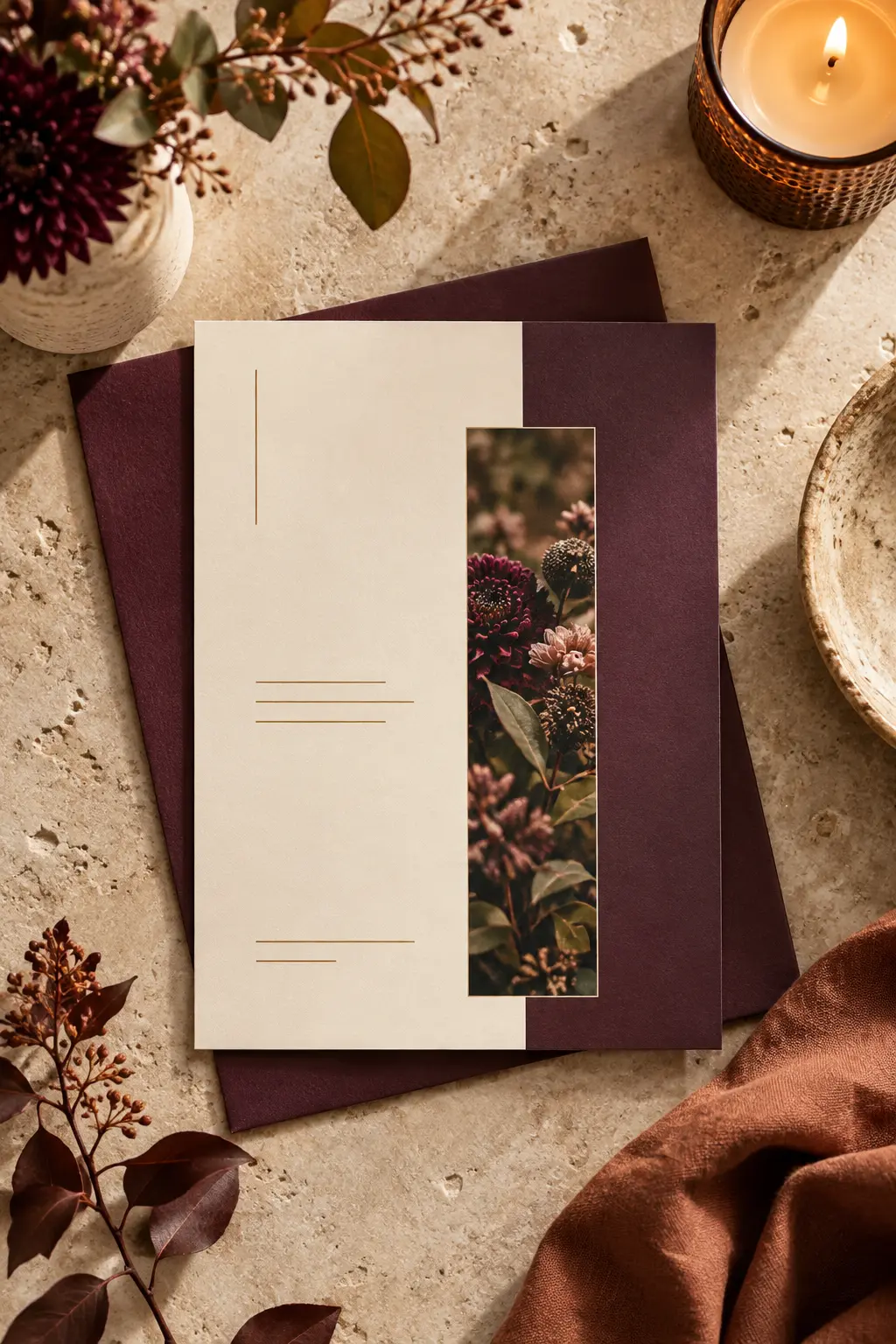
Pair one narrow photo strip with strong blocks of color and generous open space. The layout feels current and polished while leaving a clear column for the event details.
18. Frame the Details With Painted Fall Produce
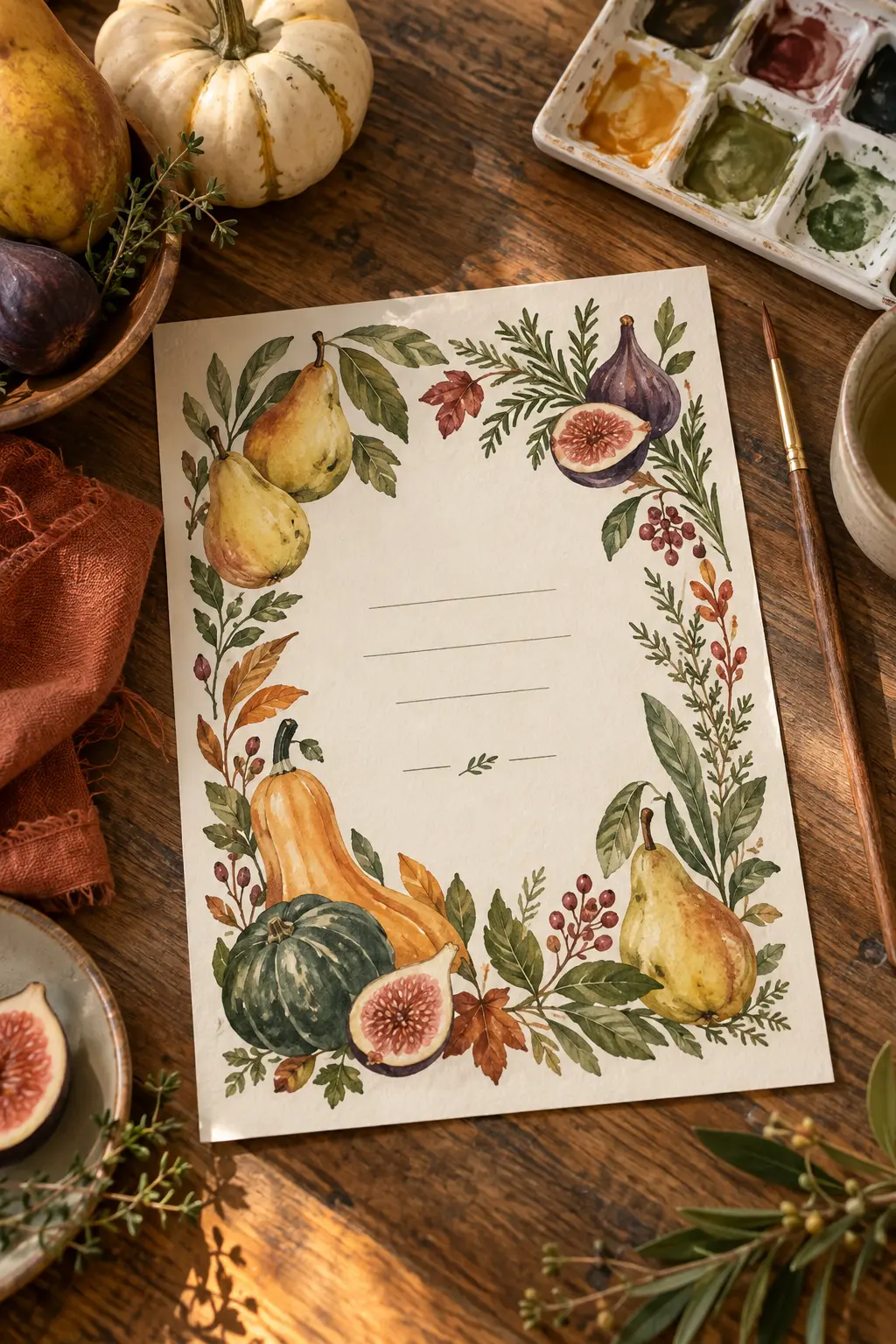
Use watercolor pears, figs, herbs, and squash instead of a predictable turkey graphic. The produce border works for both a relaxed potluck and a more styled dinner party.
19. Choose a Cozy Gingham Card
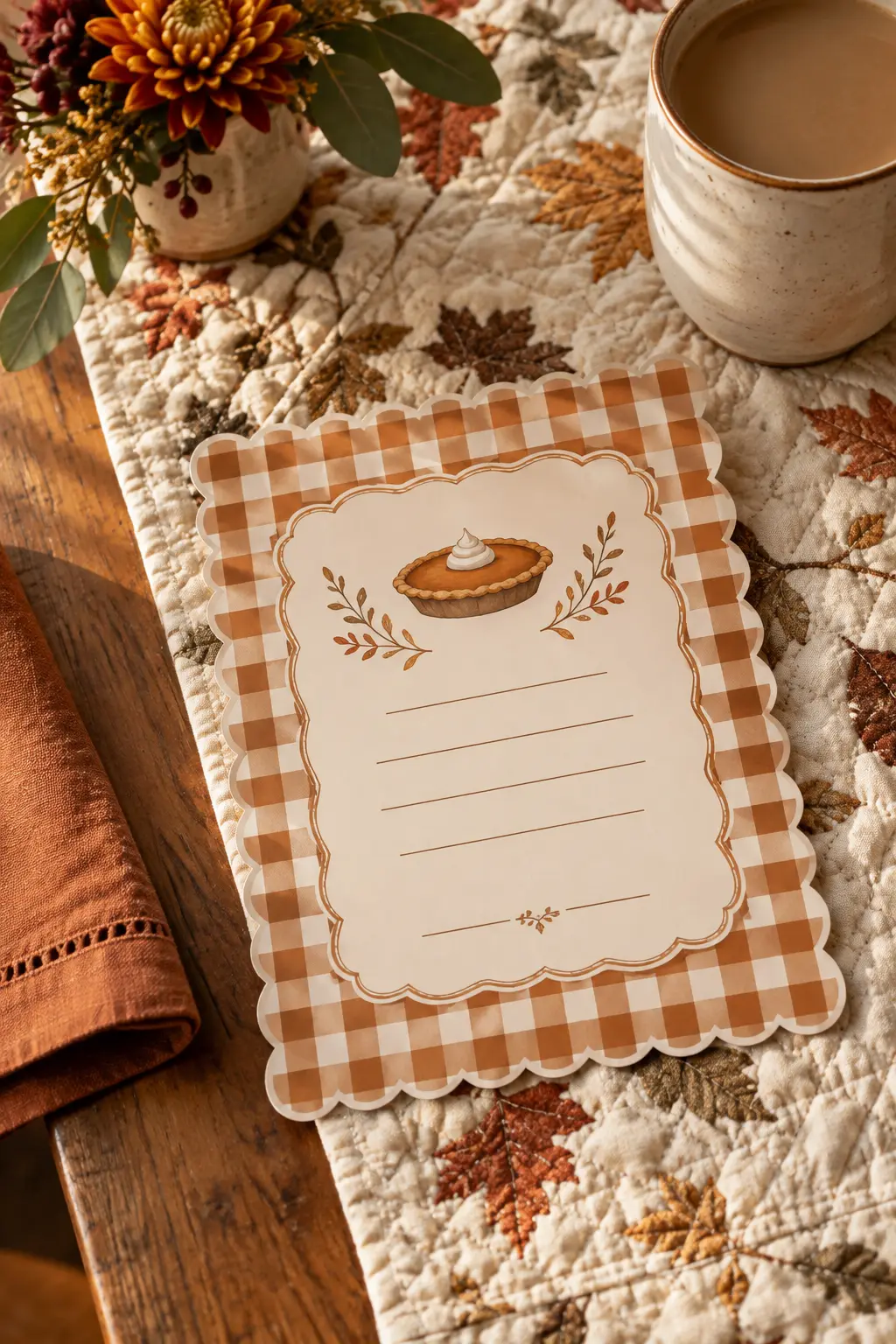
Warm gingham instantly suggests a casual table and homemade food. Add one small pie or plate illustration, then keep the rest of the design uncluttered so the pattern does not compete with the details.
20. Illustrate the Table From Above
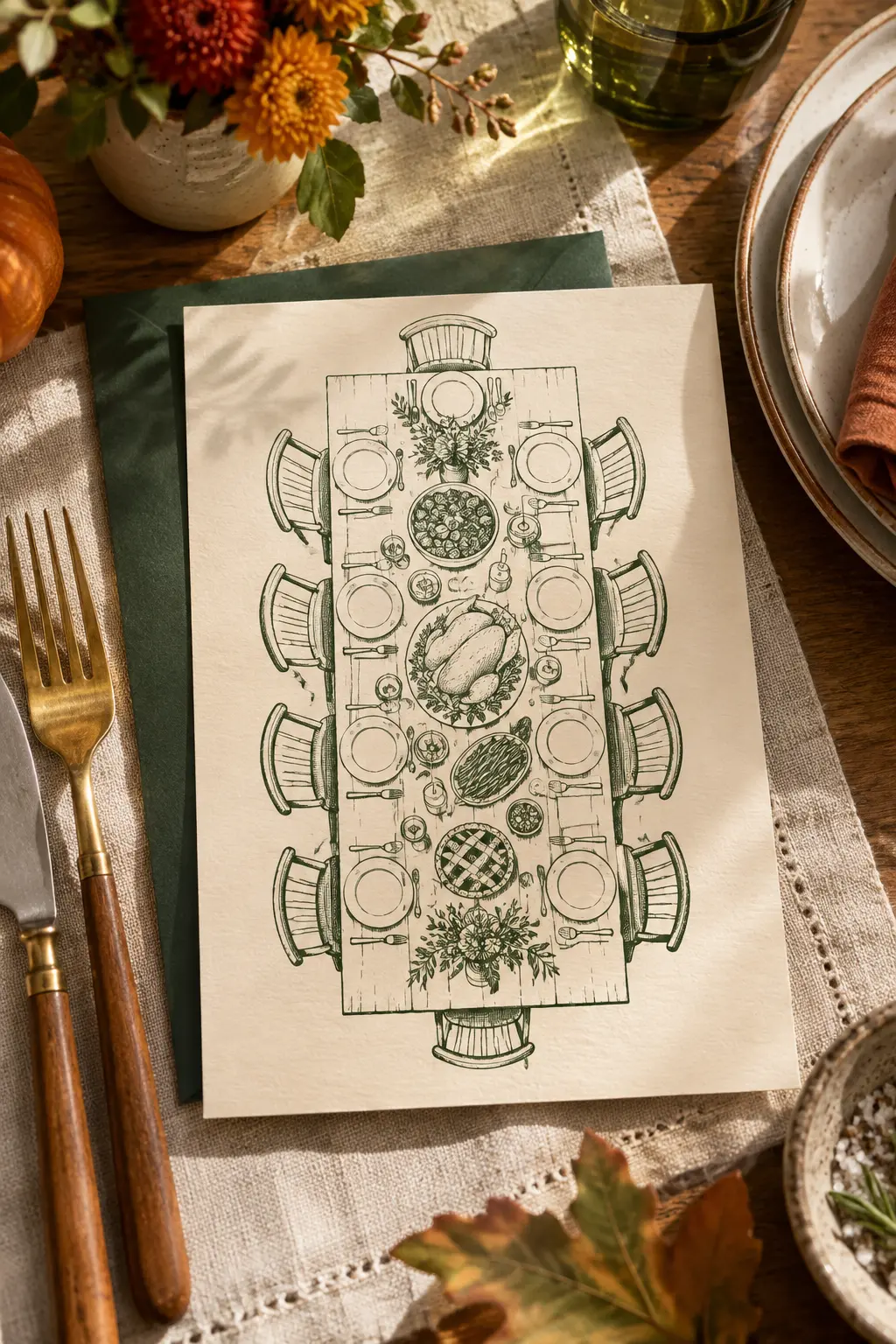
Draw a long table with mismatched plates, serving bowls, and enough chairs for the group. This concept keeps the focus on gathering together instead of on a single holiday symbol.
21. Borrow the Look of a Retro Grocery Circular
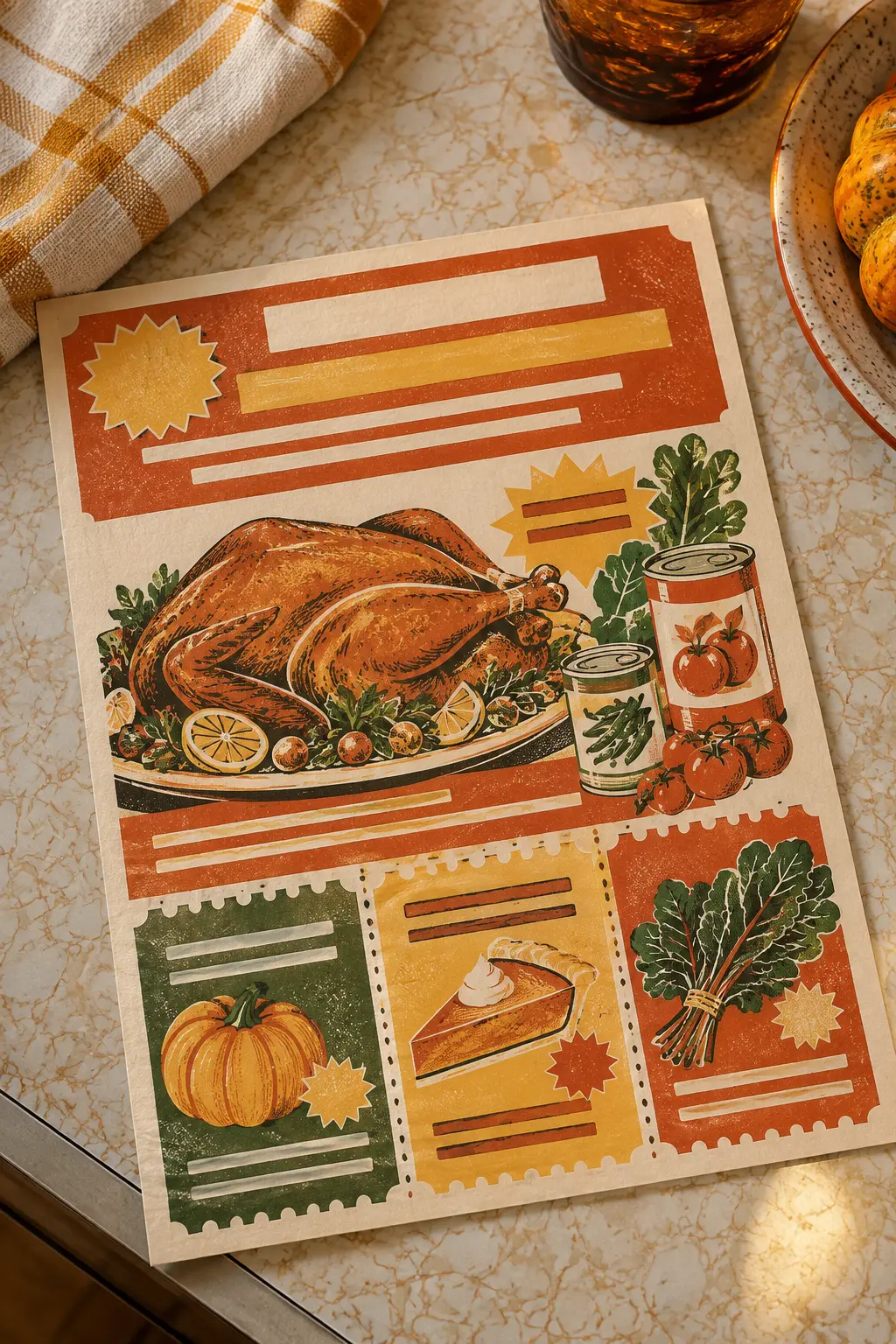
Use bold blocks, produce illustrations, and coupon-like borders for a nostalgic, energetic design. It is a smart fit for a casual potluck where the food is part of the fun.
22. Go Dark and Candlelit
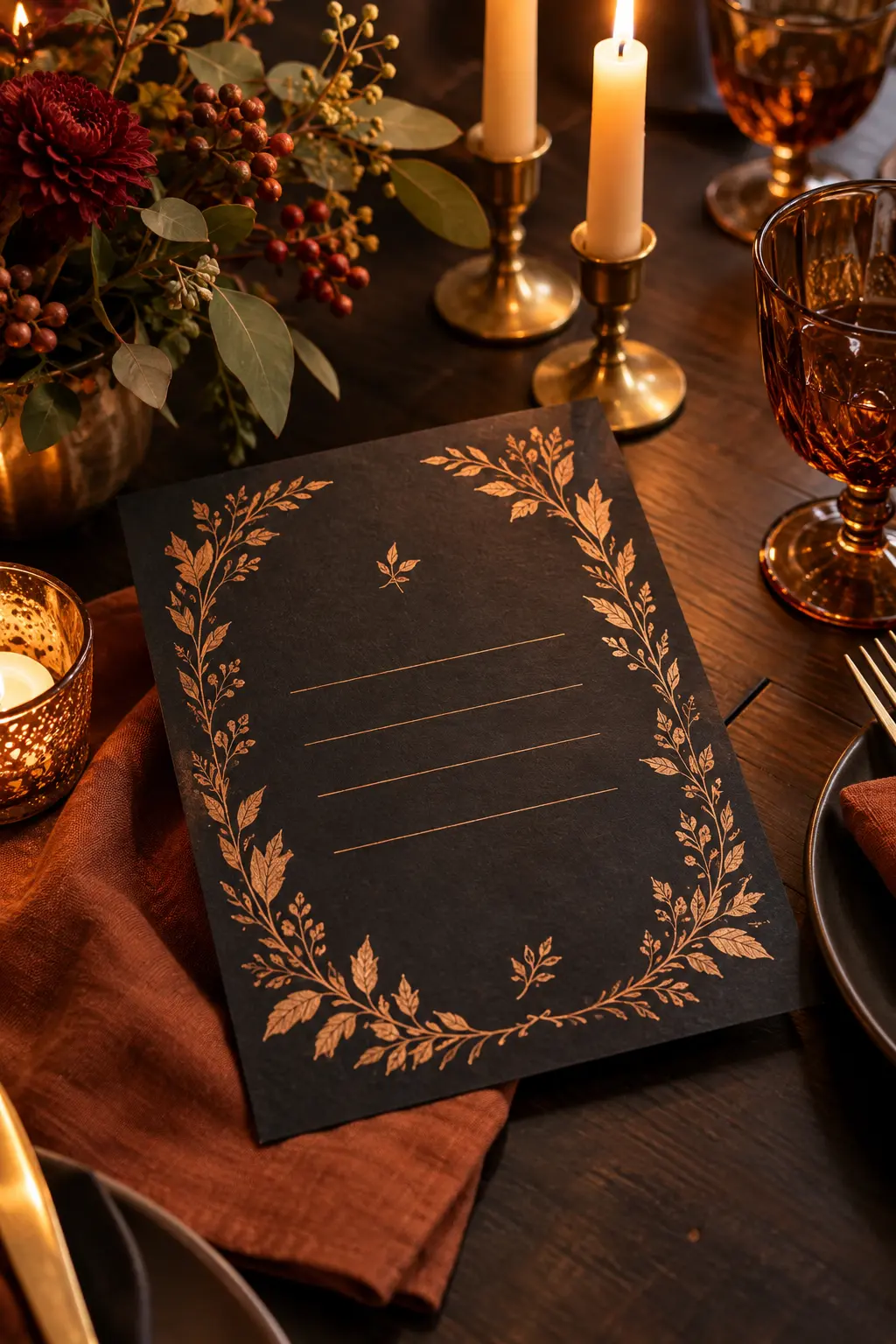
Set copper or cream details against black paper for an intimate evening feel. Use this design when the gathering includes candlelight, cocktails, or a seated dinner rather than a daytime buffet.
23. Mix Disco Sparkle With Harvest Details
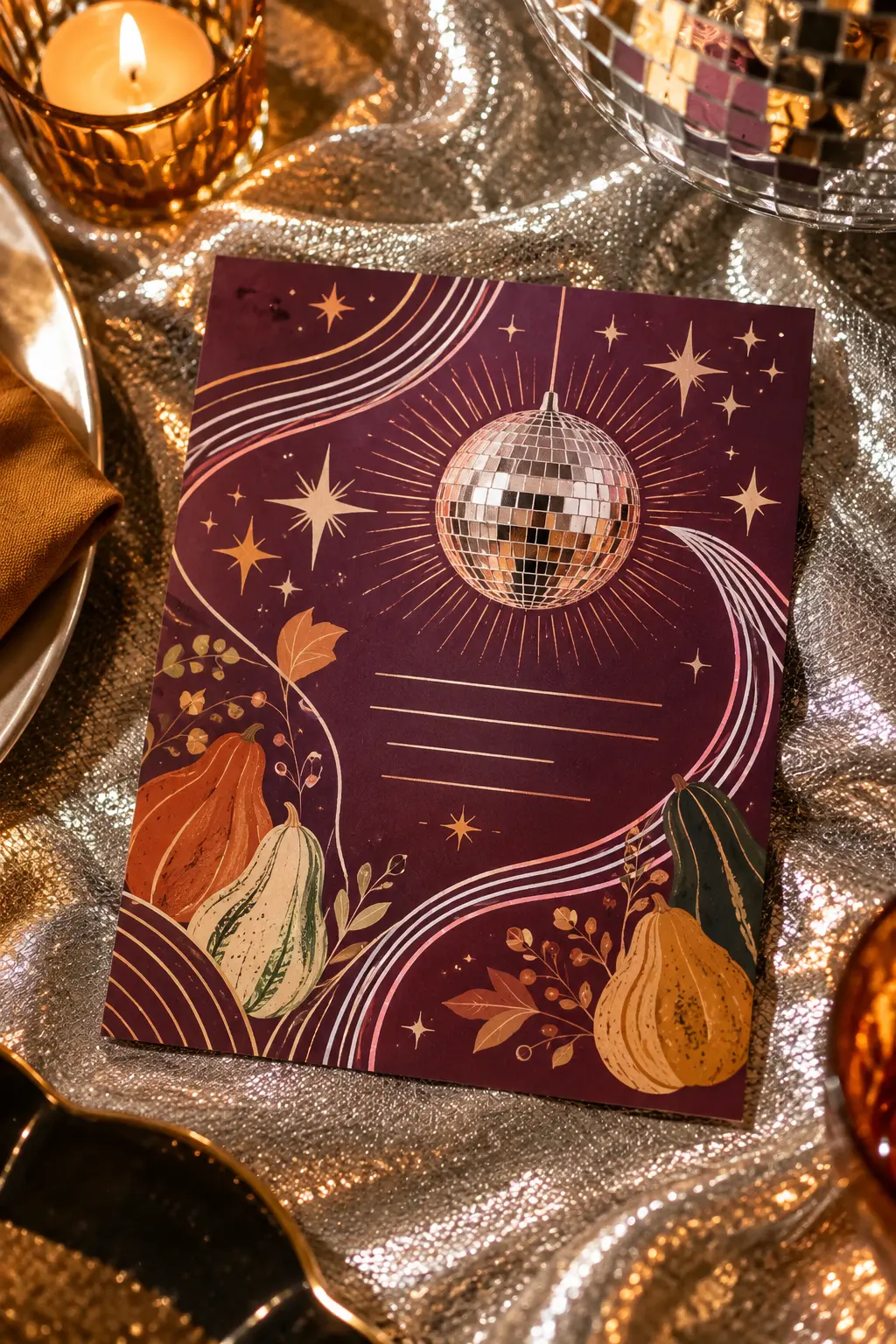
Combine a small mirrored ball with squash, stars, and curving shapes for a party-forward look. It signals that the night will continue after dinner without turning the invite into a generic club flyer.
24. Let One Pressed Leaf Do the Work
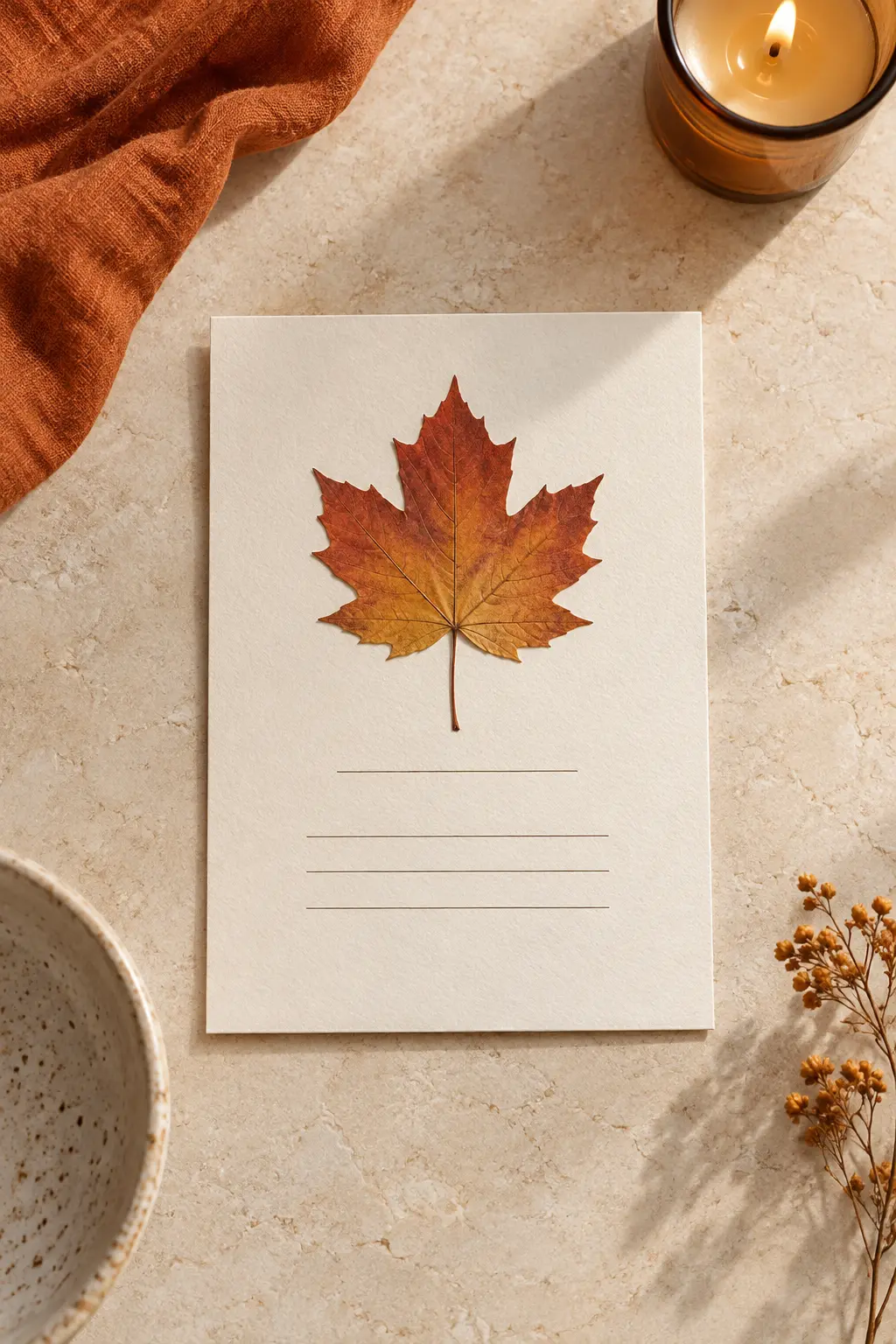
Place one real or illustrated leaf above a restrained information block. Thick cream paper and generous blank space make this inexpensive idea feel quietly special.
25. Build a Scrapbook Photo-Strip Invite
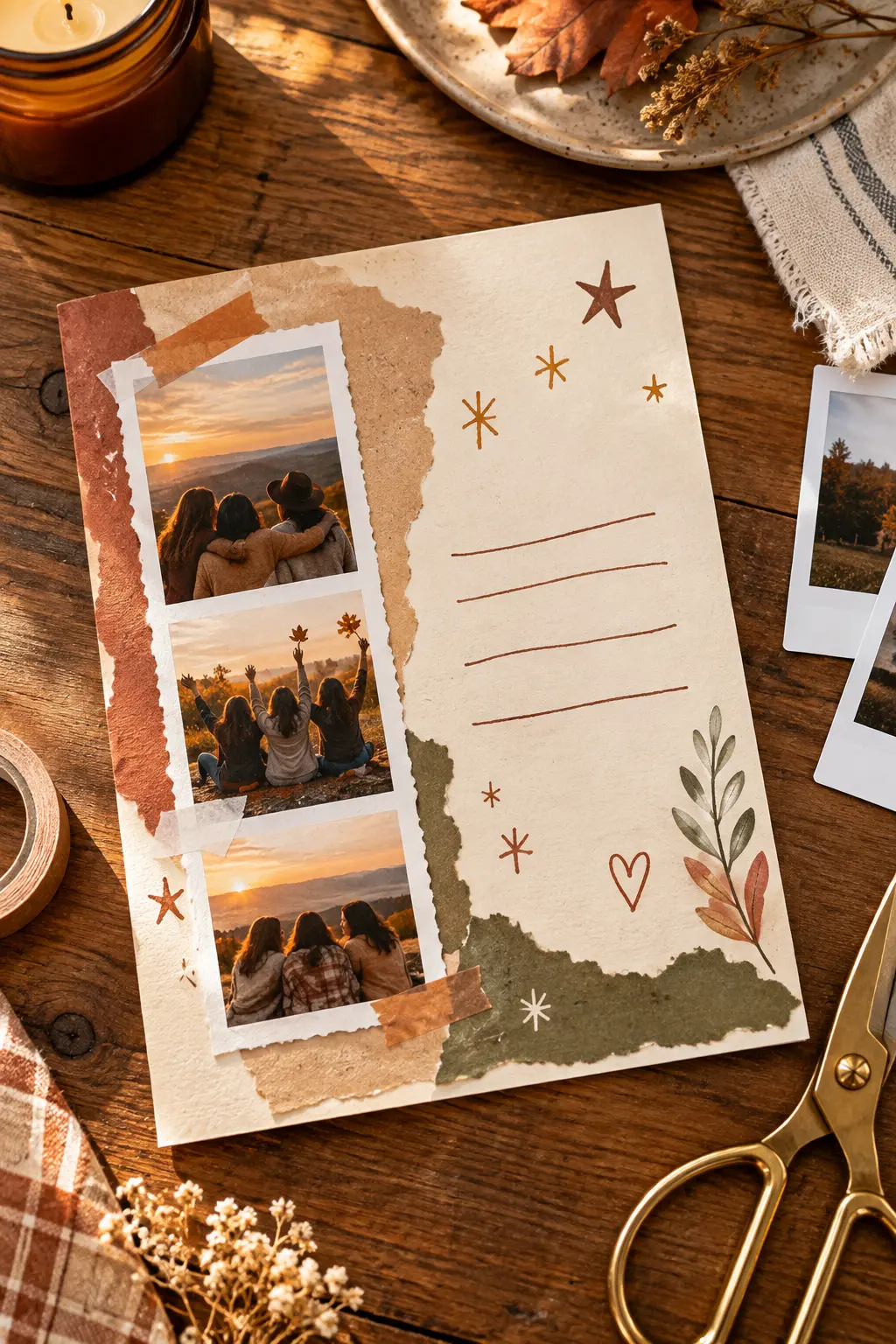
Use a strip of three candid friend photos, paper scraps, tape, and simple doodles. Ask before sharing anyone's image publicly, or keep the finished invitation inside a private group chat.
26. Turn the Invitation Into a Recipe Card
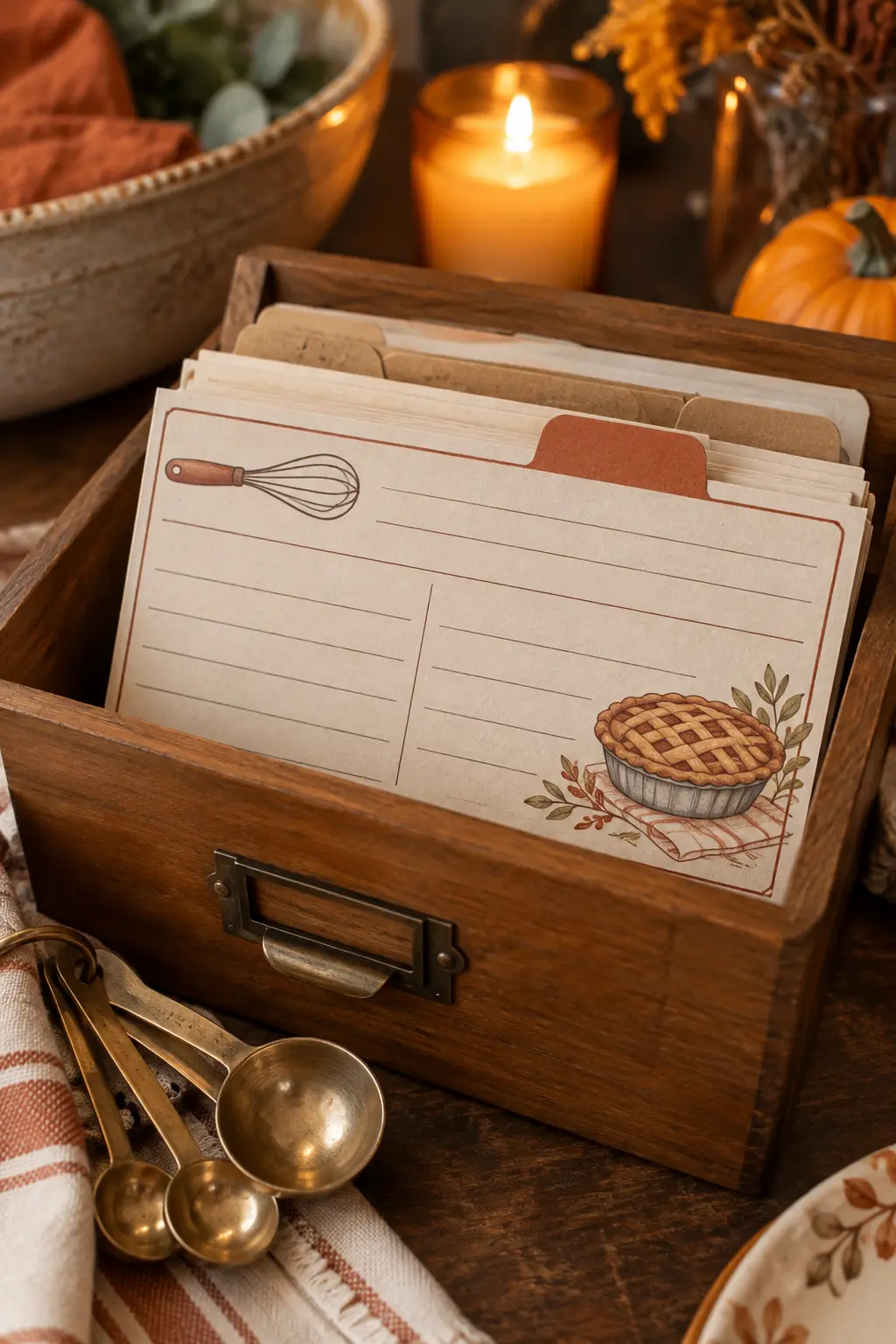
Lay out the details like ingredients and directions on an index card. The format feels especially cohesive when guests are also bringing a favorite recipe to exchange.
27. Use a Vintage Library Checkout Card
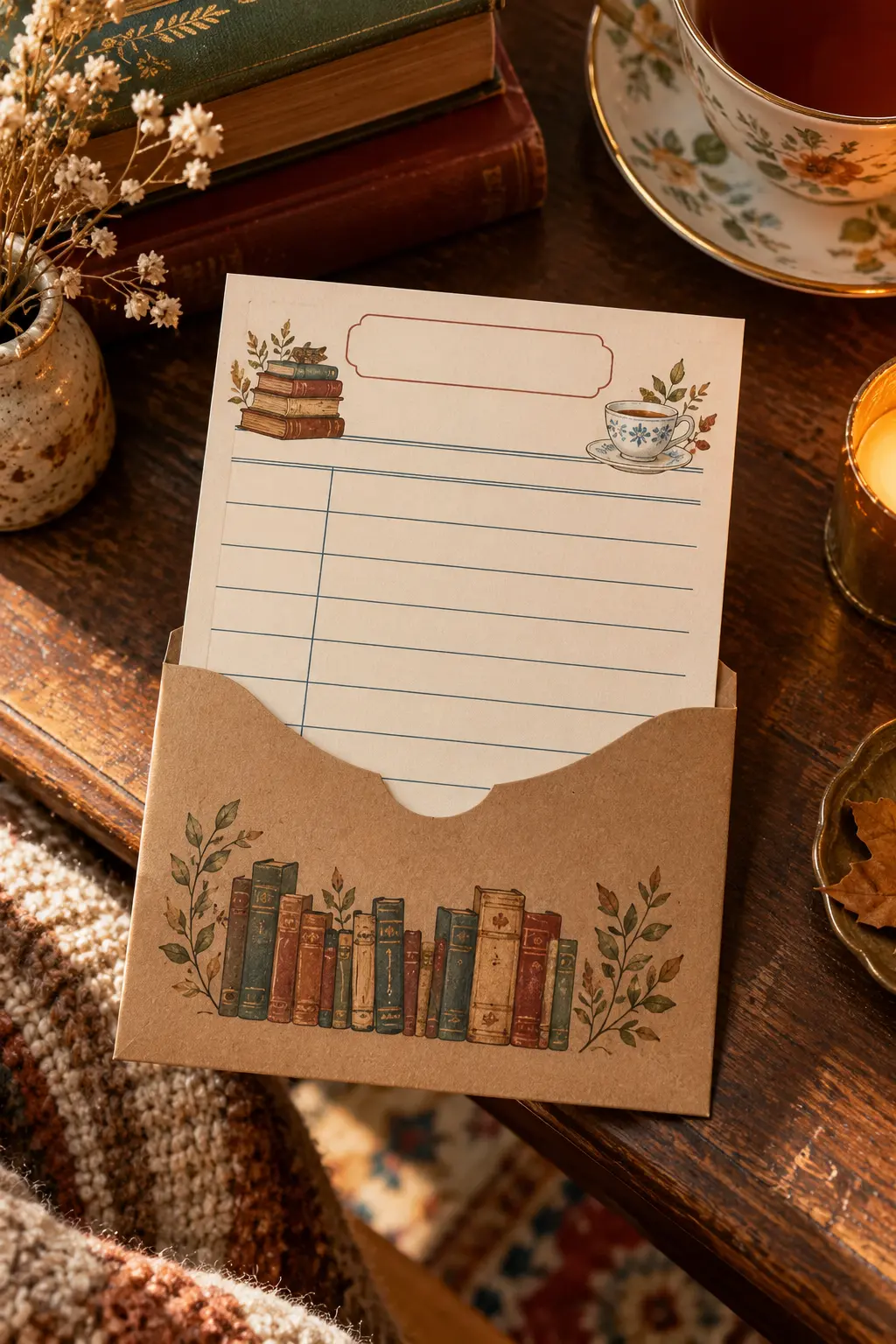
Tuck a checkout-card-style insert into a kraft pocket and add tiny book or teacup illustrations. This concept suits a quiet dinner, book-club group, or gathering built around conversation.
28. Make It a Football Tailgate Invite
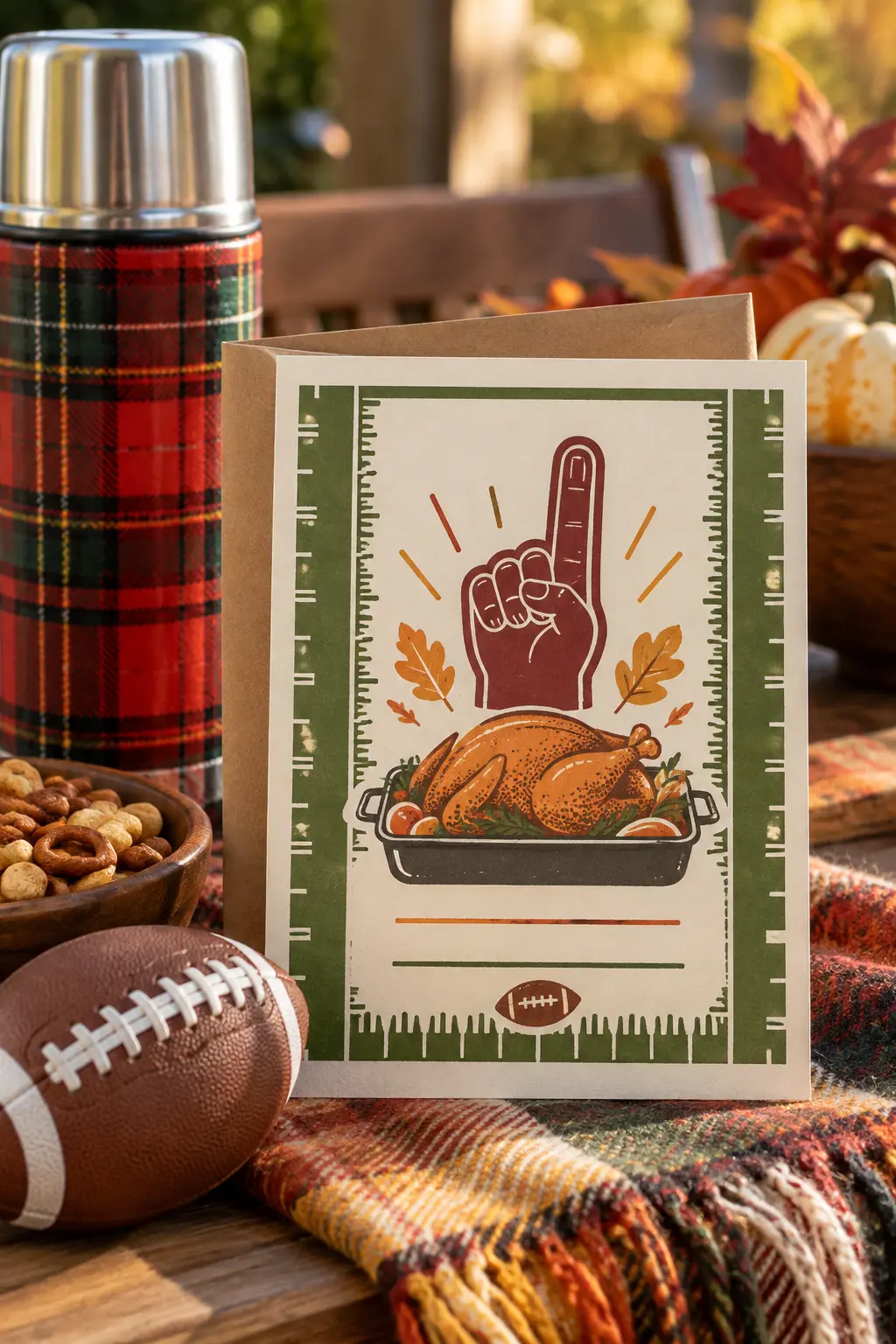
Pair field-line graphics with food icons and include the game start time as well as the meal time. Avoid team logos if the group supports different teams, and state whether the event is indoors or outside.
29. Layer a Colorful Maximalist Border
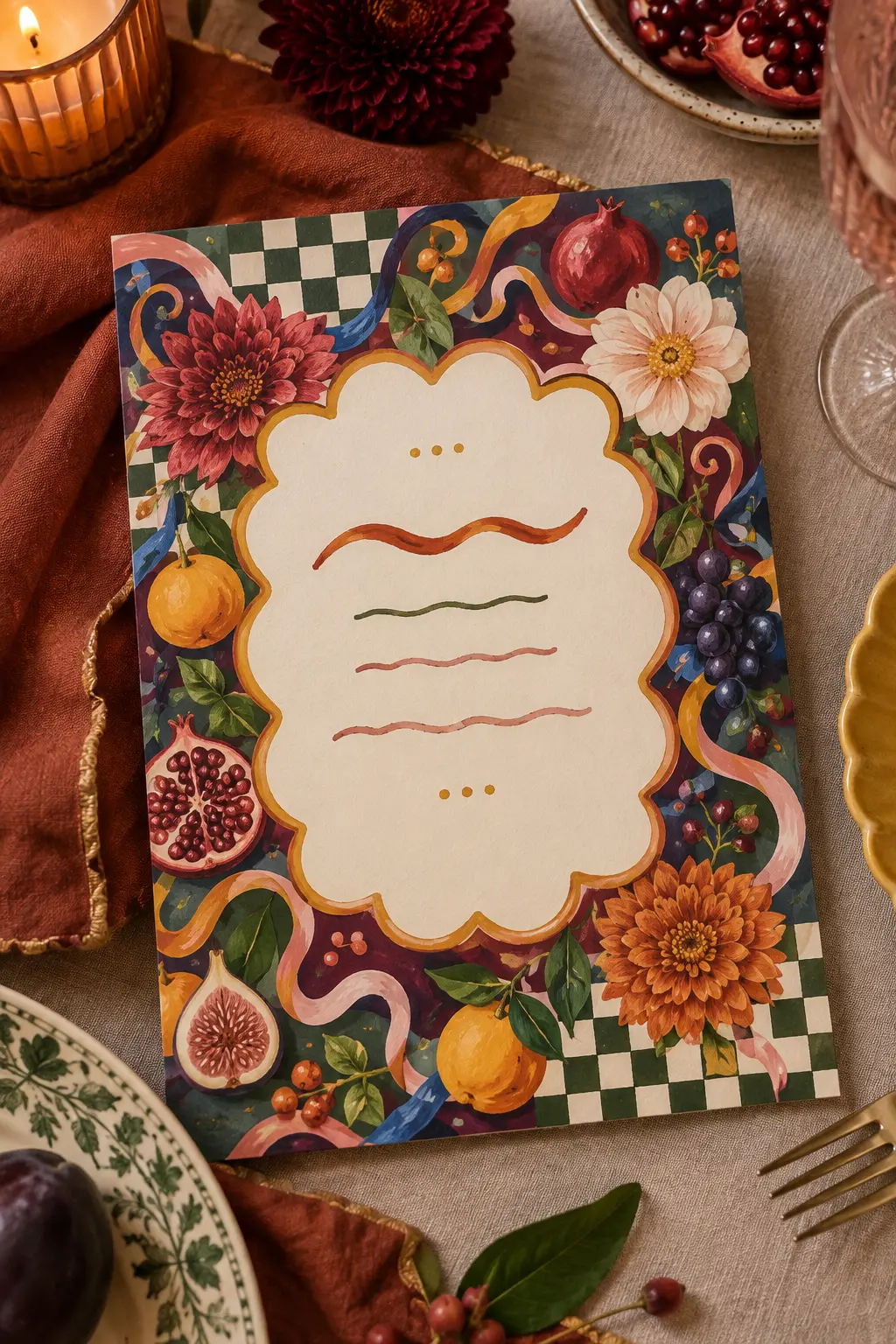
Mix jewel-tone fruit, flowers, checks, and squiggles around a calm center panel. Limiting the busy elements to the border keeps the invitation joyful and readable.
Invites That Organize the Potluck
When guests are contributing food, the invitation should prevent duplicate dishes and last-minute kitchen traffic. Ask only for the information you will actually use.
30. Let Guests Claim a Dish Category
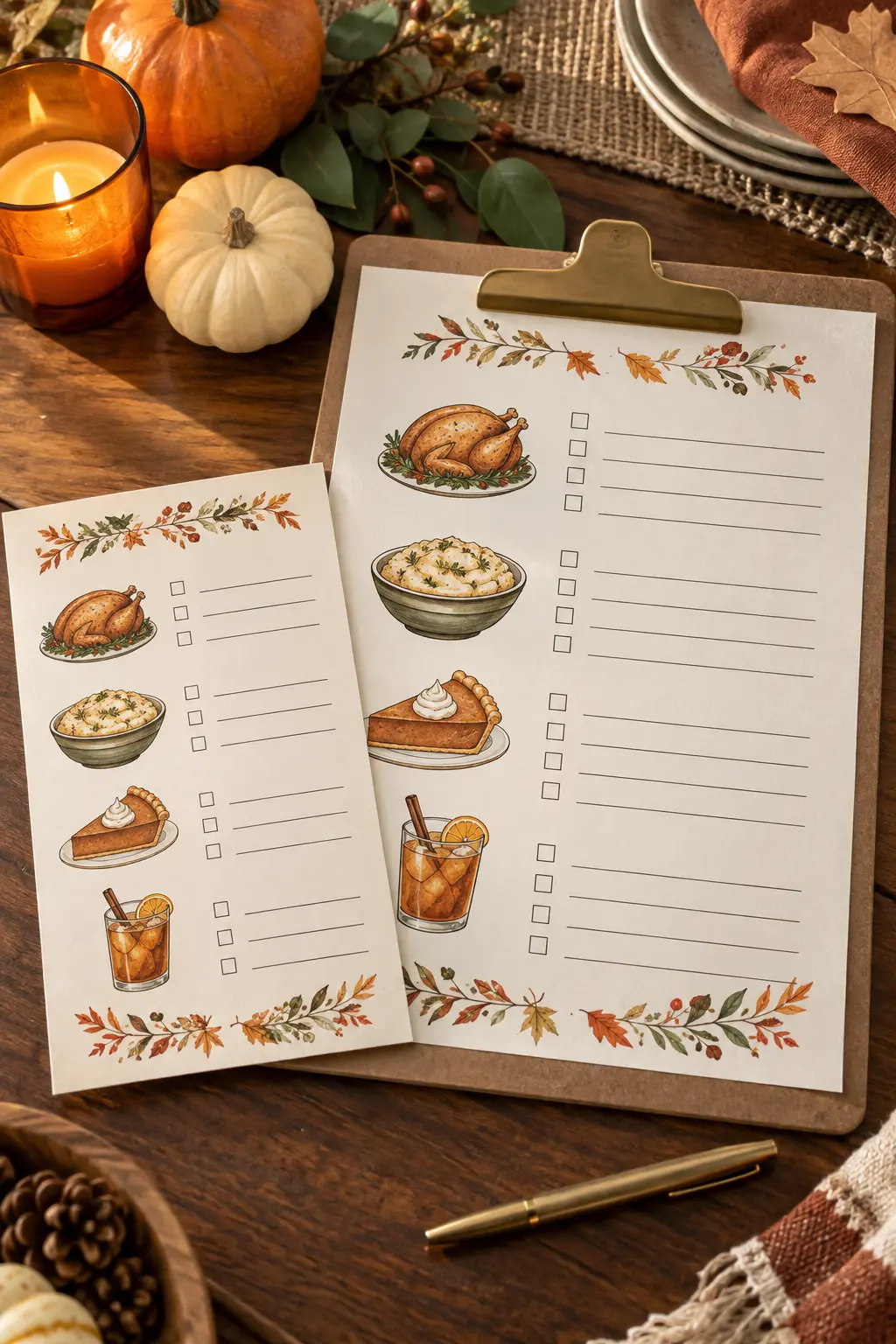
Offer broad choices such as main, side, dessert, or drink instead of assigning exact recipes. This gives guests flexibility while helping you spot a missing category before shopping.
31. Add a Potluck Sign-Up Code
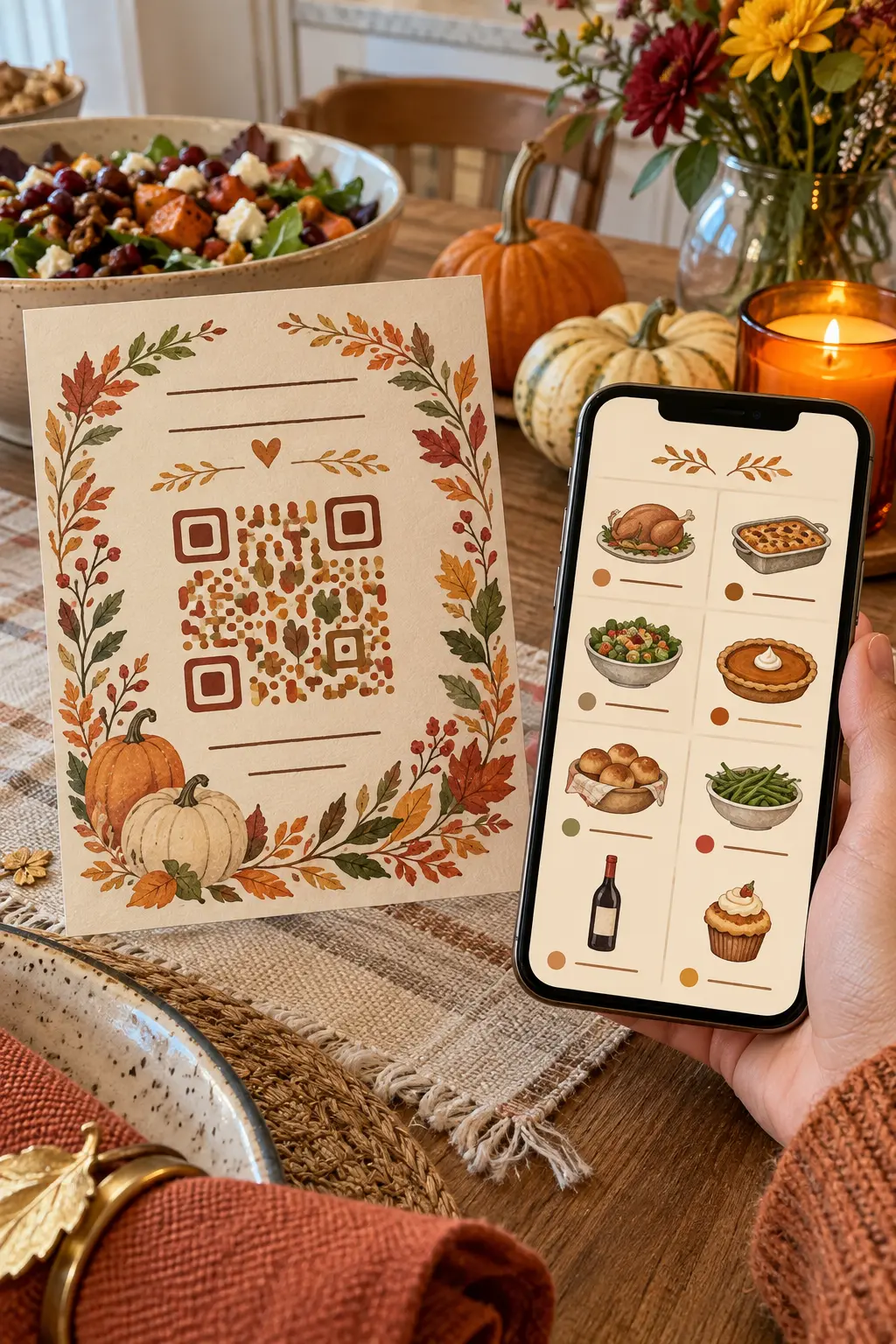
Link a QR code to a live sign-up list where guests can see what is already claimed. Also print a short backup URL or contact method for anyone who cannot scan it.
32. Ask About Dietary Needs on the RSVP
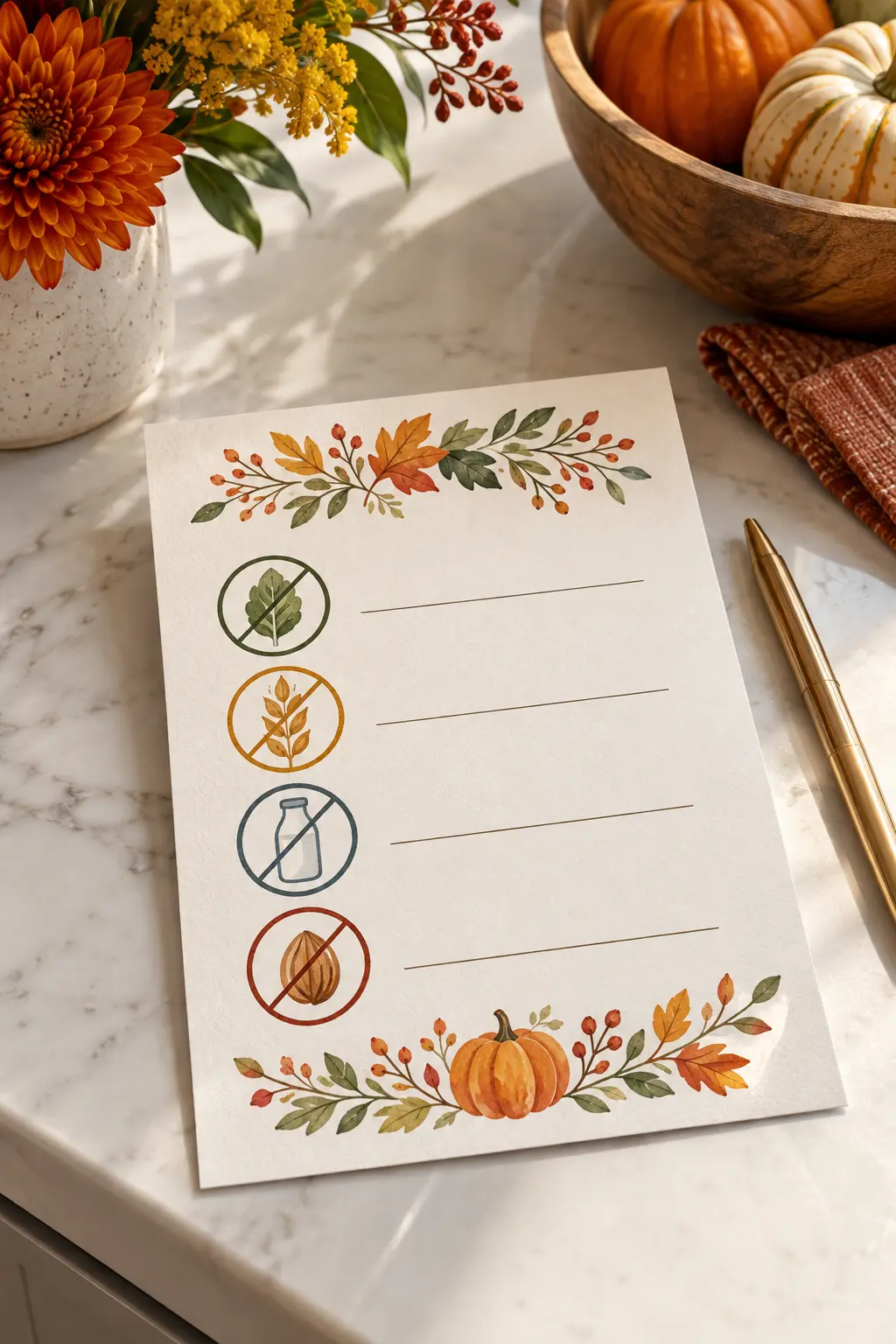
Include a private field for allergies and dietary needs instead of asking in the main group chat. Tell guests whether the information will shape the whole menu or help you label a few specific dishes.
33. Request Oven and Refrigerator Details
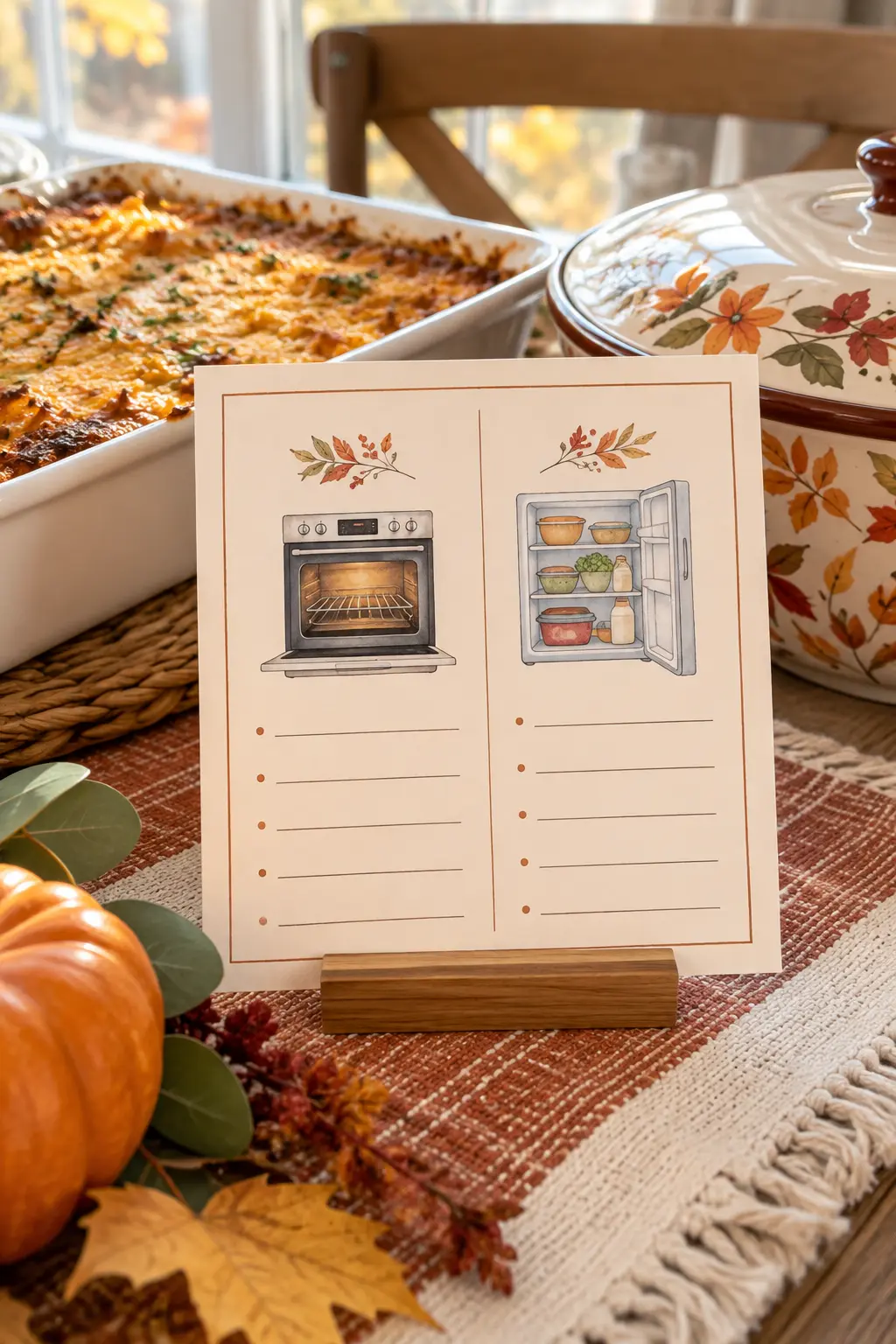
Ask guests to say whether their dish needs oven time, stovetop space, or refrigeration. This small detail lets the host build a realistic warming schedule instead of discovering five cold casseroles at once.
34. Clarify That the Host Has the Main Dish
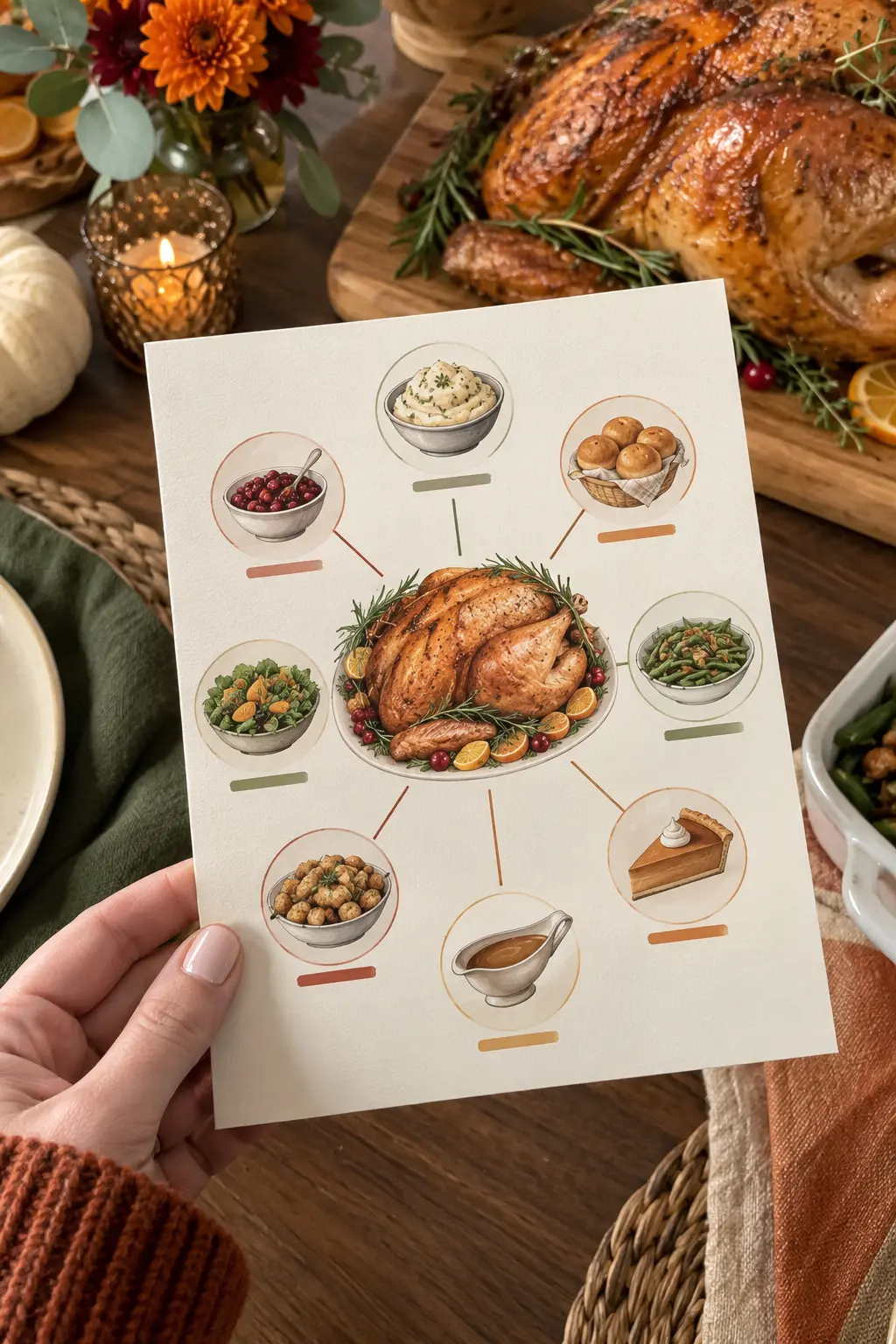
State that the host is covering the turkey or other main dish, then ask guests to choose from the remaining categories. Clear ownership prevents multiple mains and no vegetables.
35. Include a Friendly BYOB Note
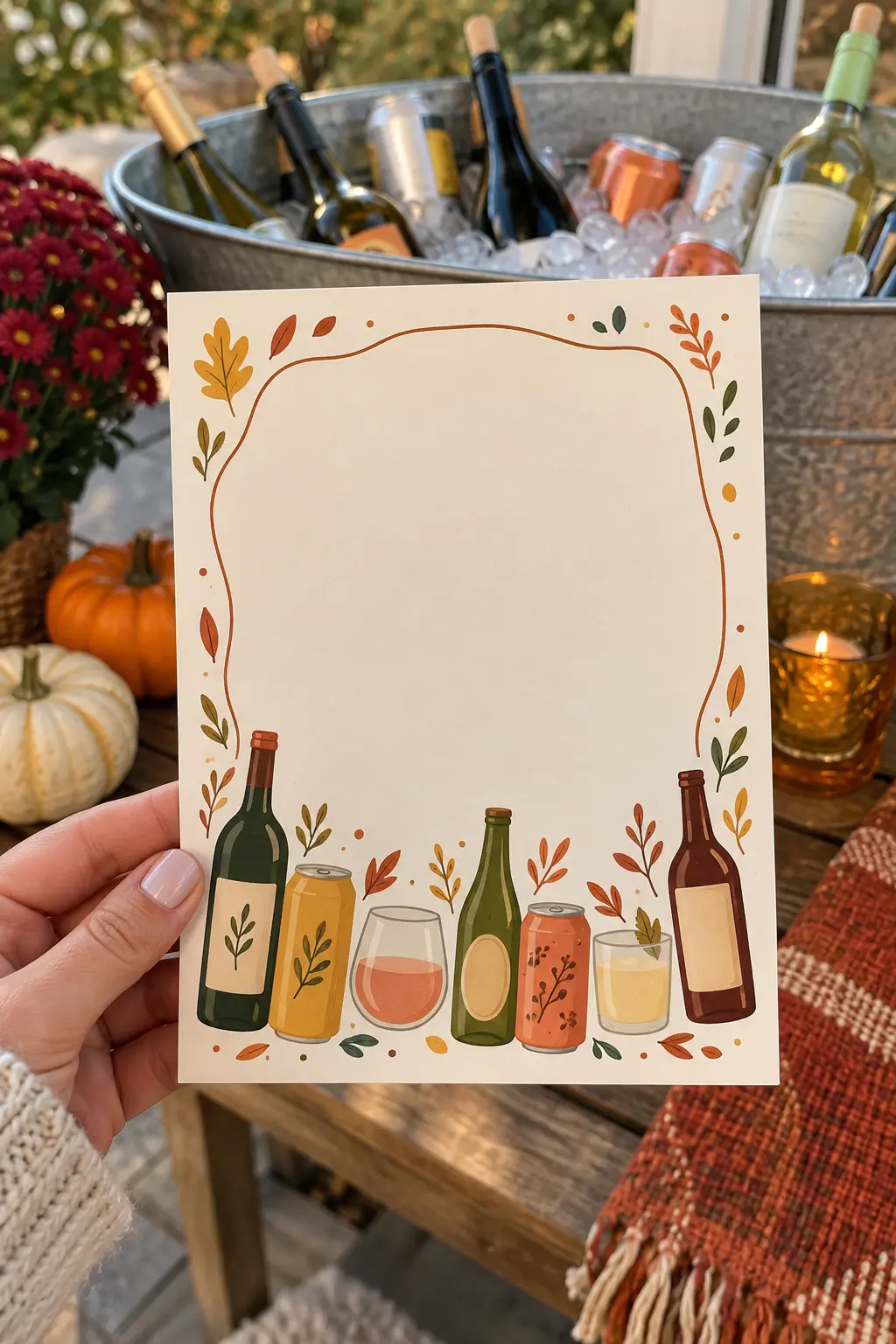
Say what drinks the host will have and invite guests to bring anything else they prefer. If the group includes non-drinkers, mention appealing alcohol-free options too.
36. Remind Everyone to Bring a Leftovers Container
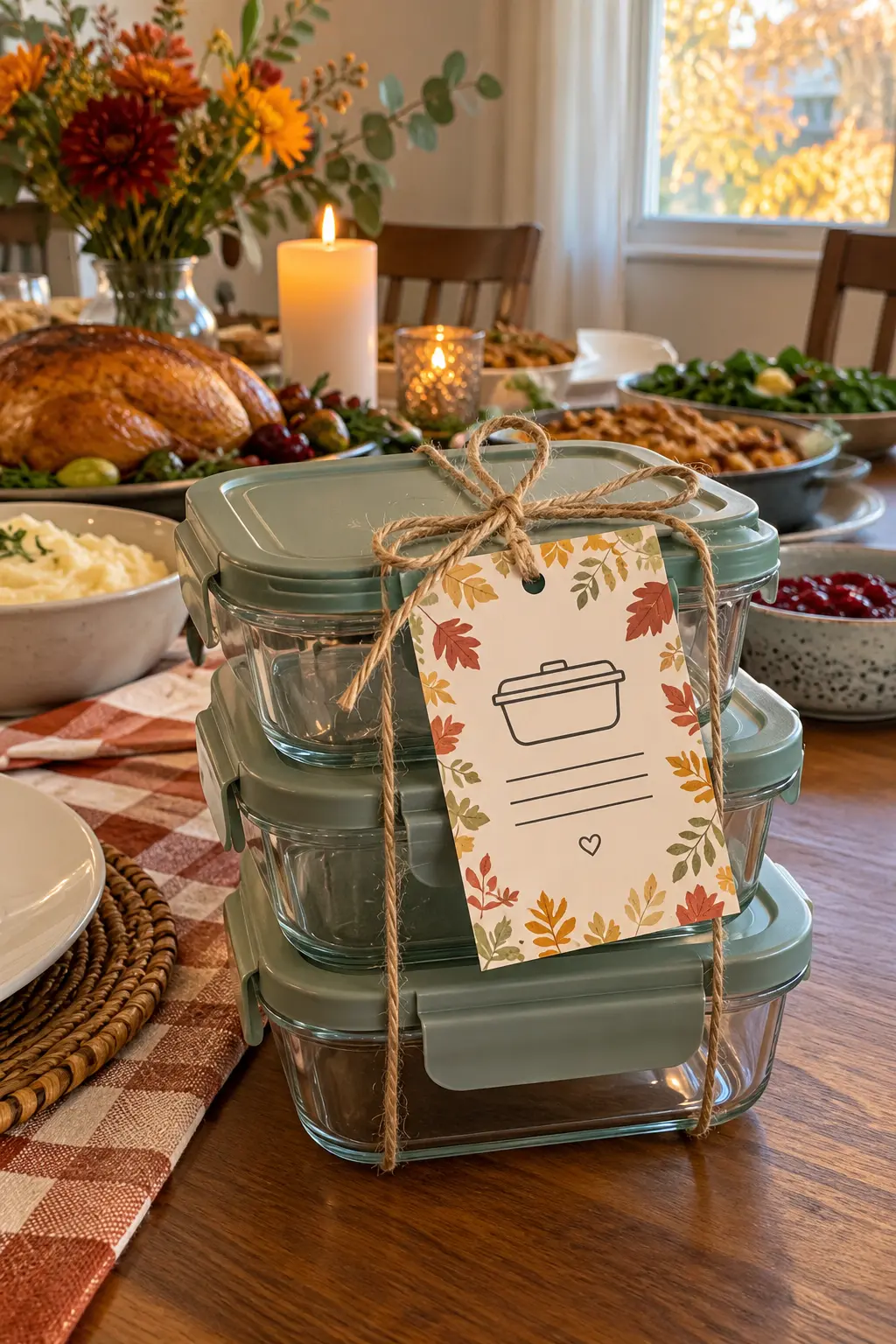
Add a cheerful note encouraging guests to bring one clean reusable container. It saves the host's storage supplies and makes sharing leftovers easier at the end of the night.
37. Invite Guests to a Recipe Swap
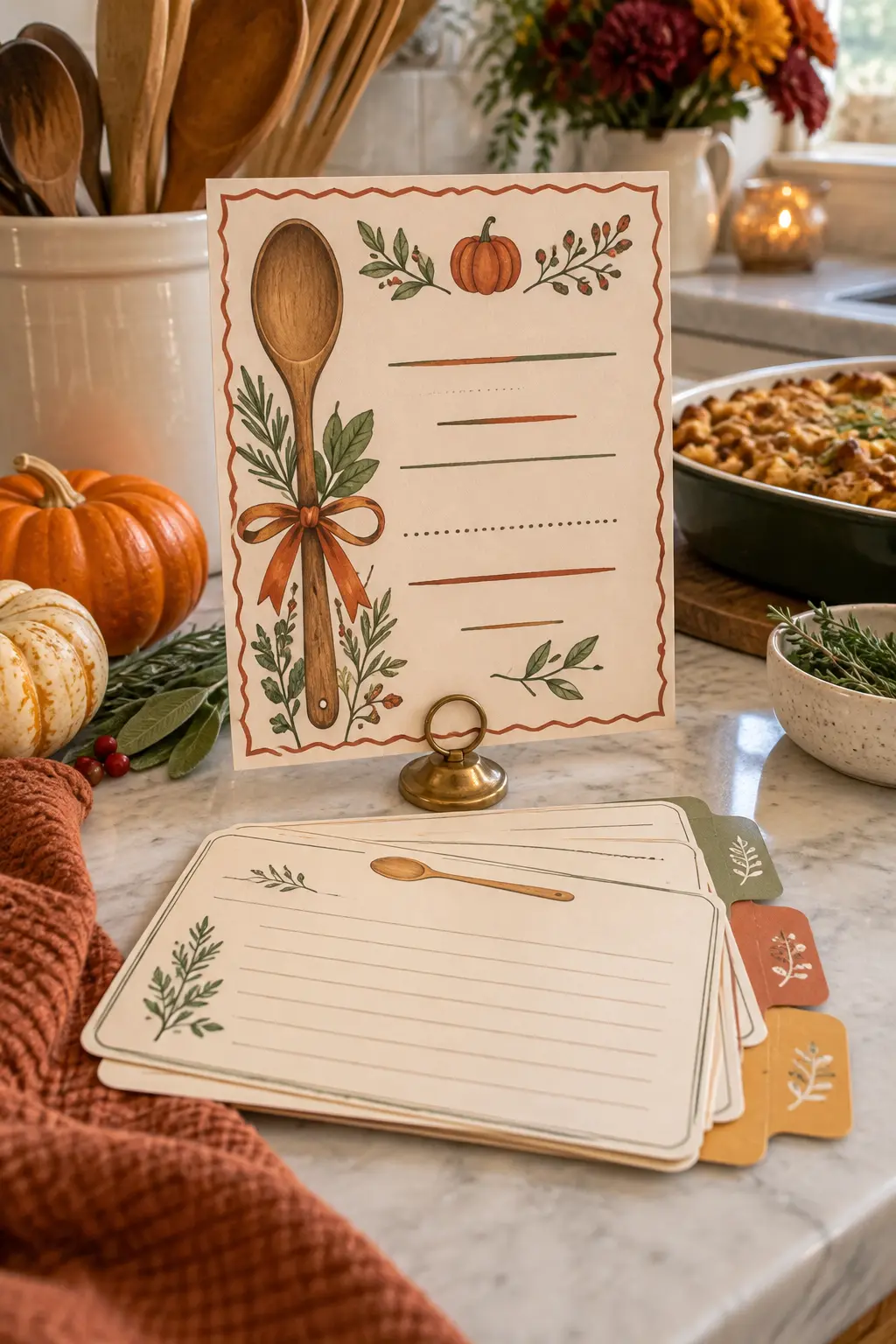
Ask each cook to bring a printed or digital copy of the recipe they are serving. A shared folder works well for links, while blank recipe cards at the party create a more tactile keepsake.
Invitations for Specific Friendsgiving Formats
A format-specific invite helps guests picture the event and arrive prepared. Make the central activity or setting obvious before they RSVP.
38. Set Expectations for a Small Apartment
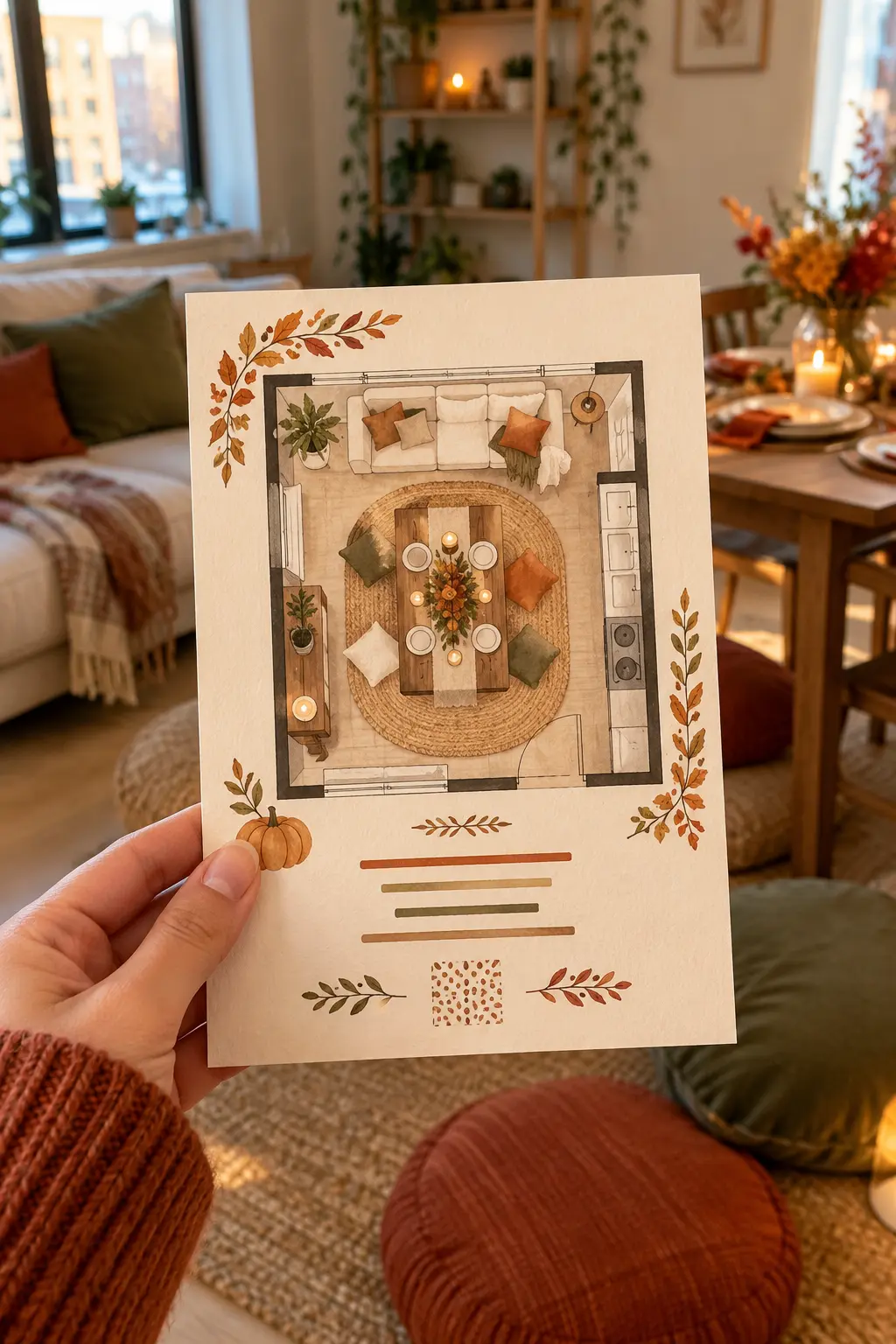
Let guests know if seating will include the sofa, stools, or floor cushions and ask them to avoid bulky serving pieces. Include parking, building access, and coat-storage notes if those details are tight too.
39. Invite Friends to a Backyard Firepit Feast
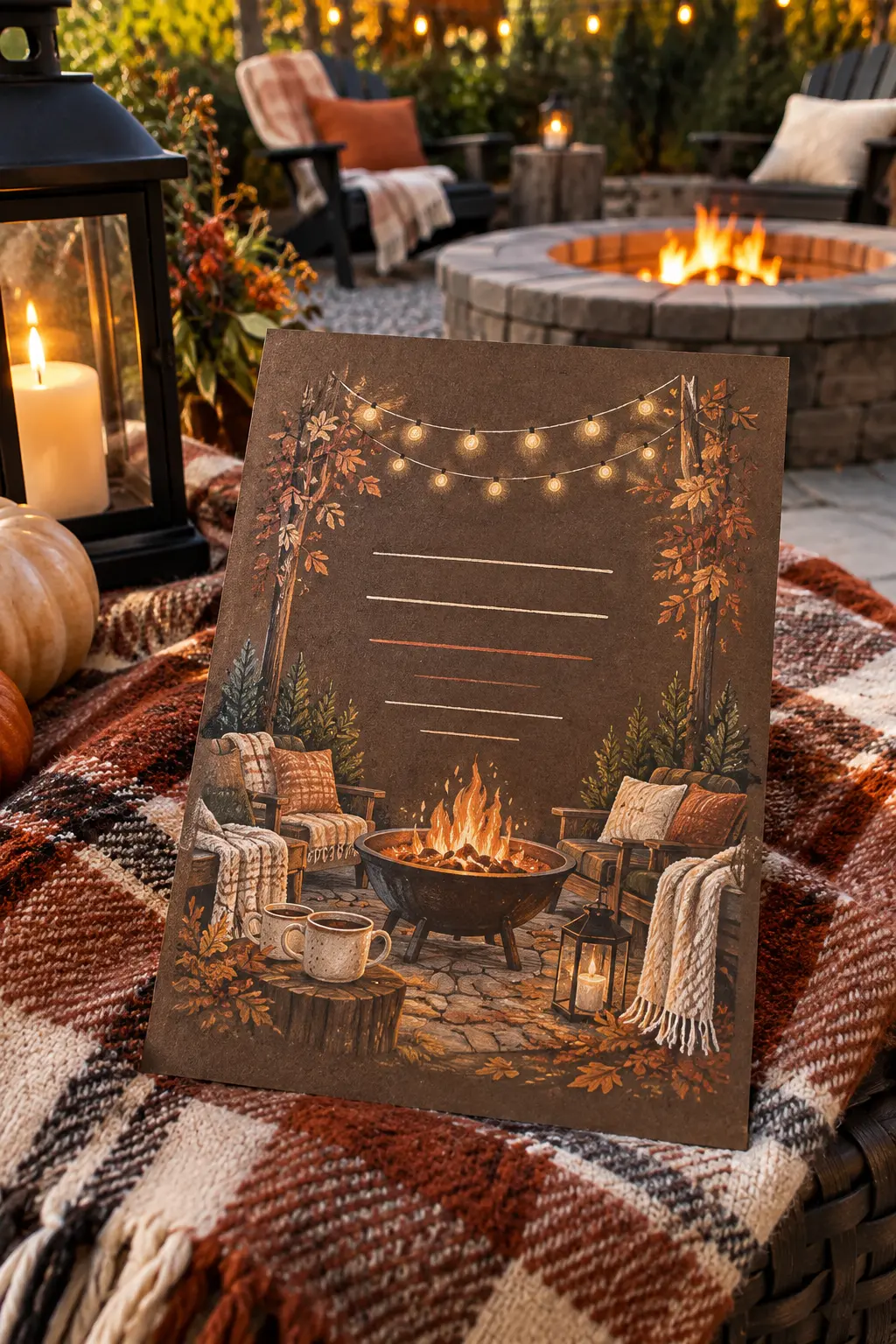
Mention that the gathering is outdoors and give a realistic weather backup. Encourage warm layers, and say whether dinner will be served at a table or eaten casually around the fire.
40. Plan a Bright Friendsgiving Brunch
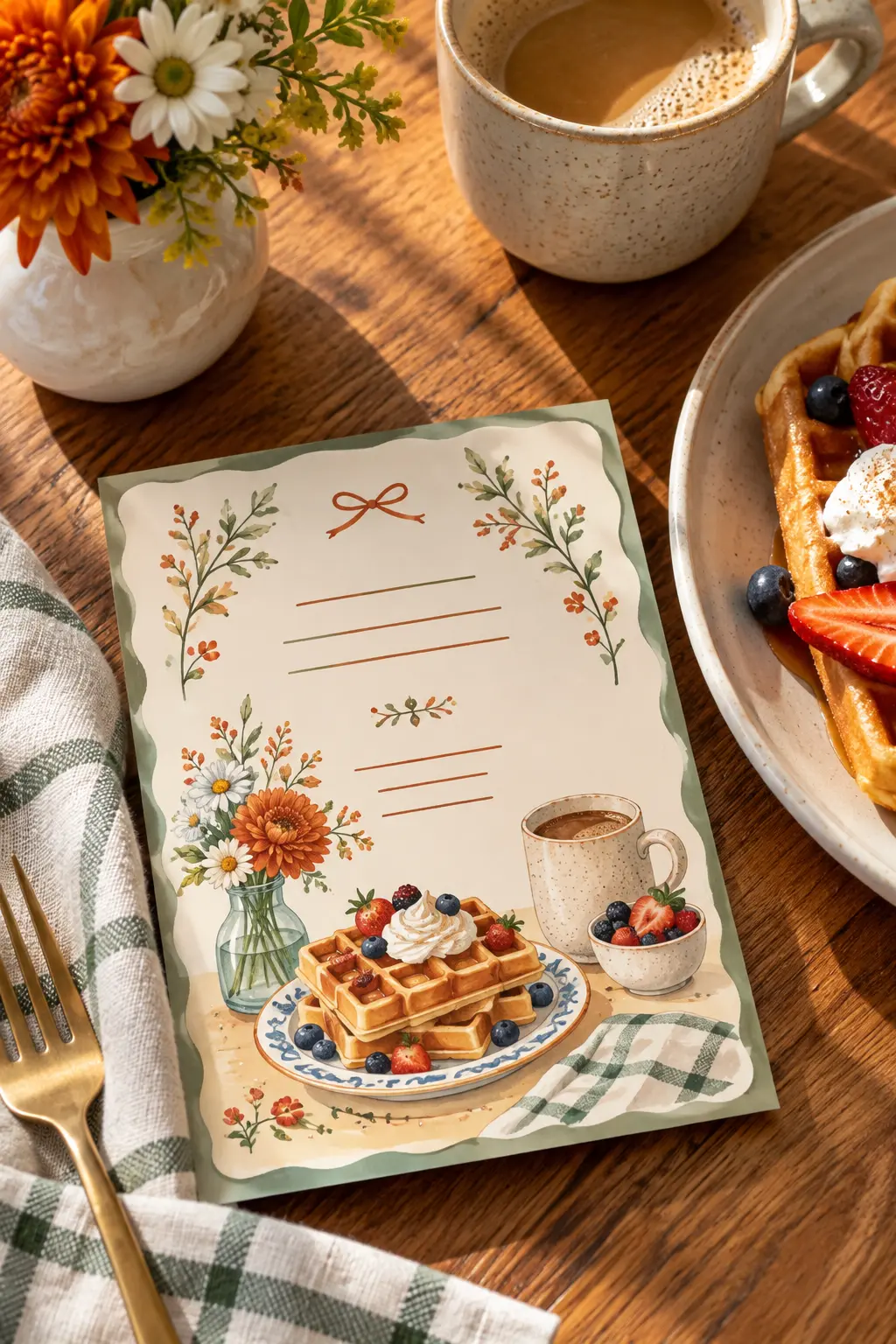
Use coffee, waffles, fruit, and fresh morning colors to separate the invitation from a traditional dinner. Specify the start and end time because brunch plans often share the day with other commitments.
41. Host a Dessert-Only Friendsgiving
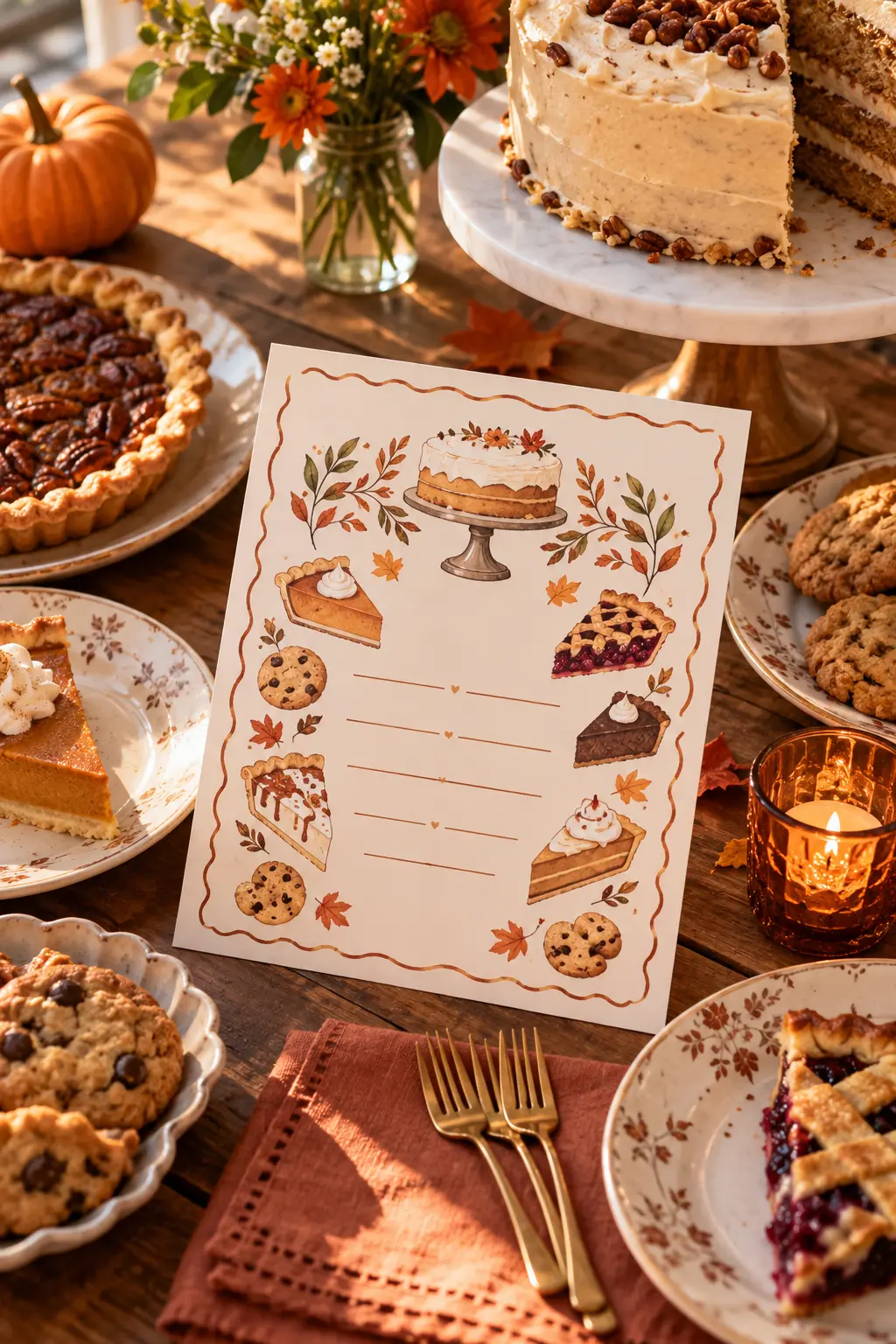
Make it clear that guests should eat dinner first and arrive for sweets, coffee, and conversation. A dessert sign-up can balance pies, cookies, fruit, and one dairy-free or gluten-free choice.
42. Combine Dinner With Game Night
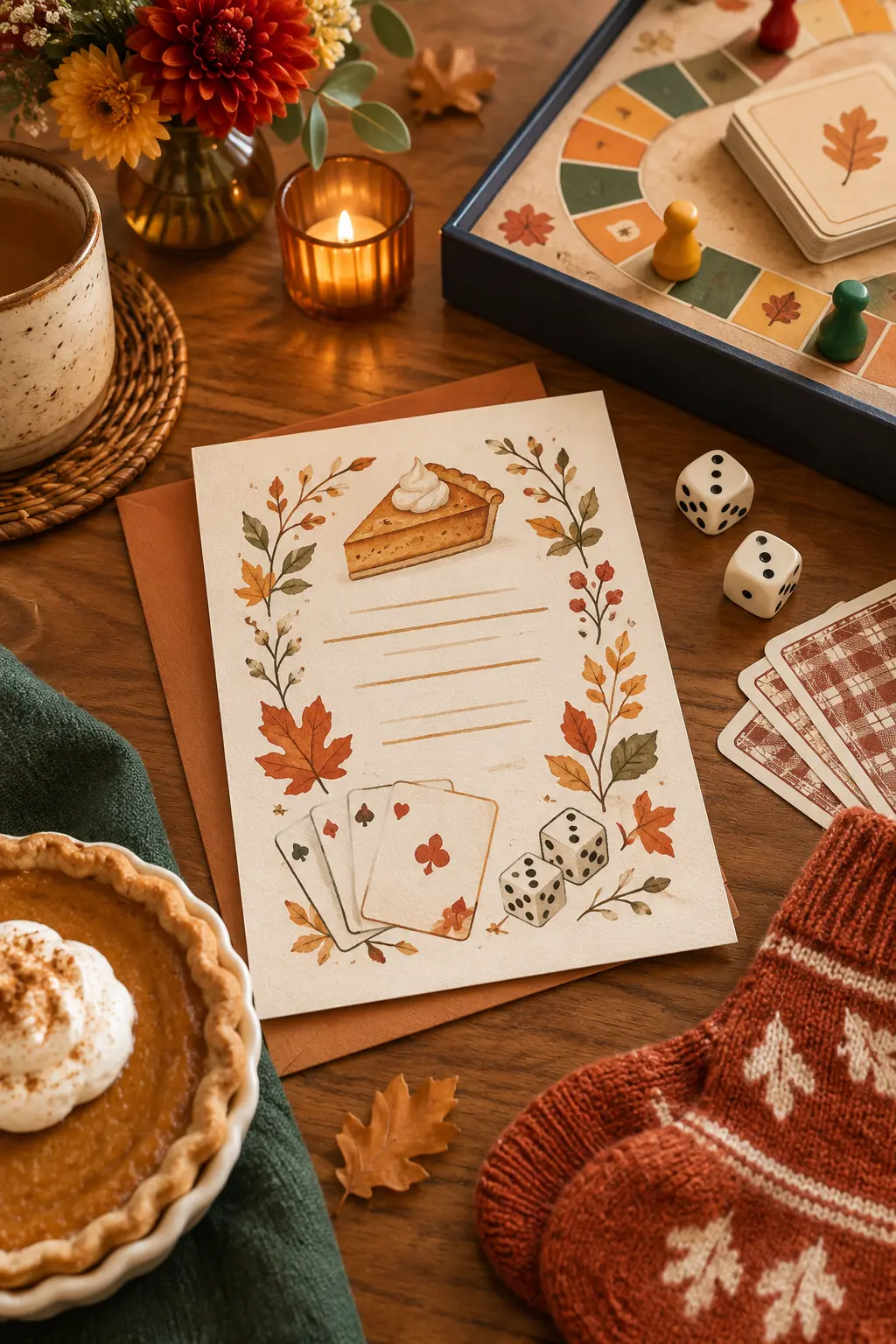
Show the meal start time and a later game time so guests can join for one or both. Ask people to bring a favorite easy-to-teach game, but keep the final selection small enough to avoid decision overload.
43. Take Friendsgiving to a Fall Picnic
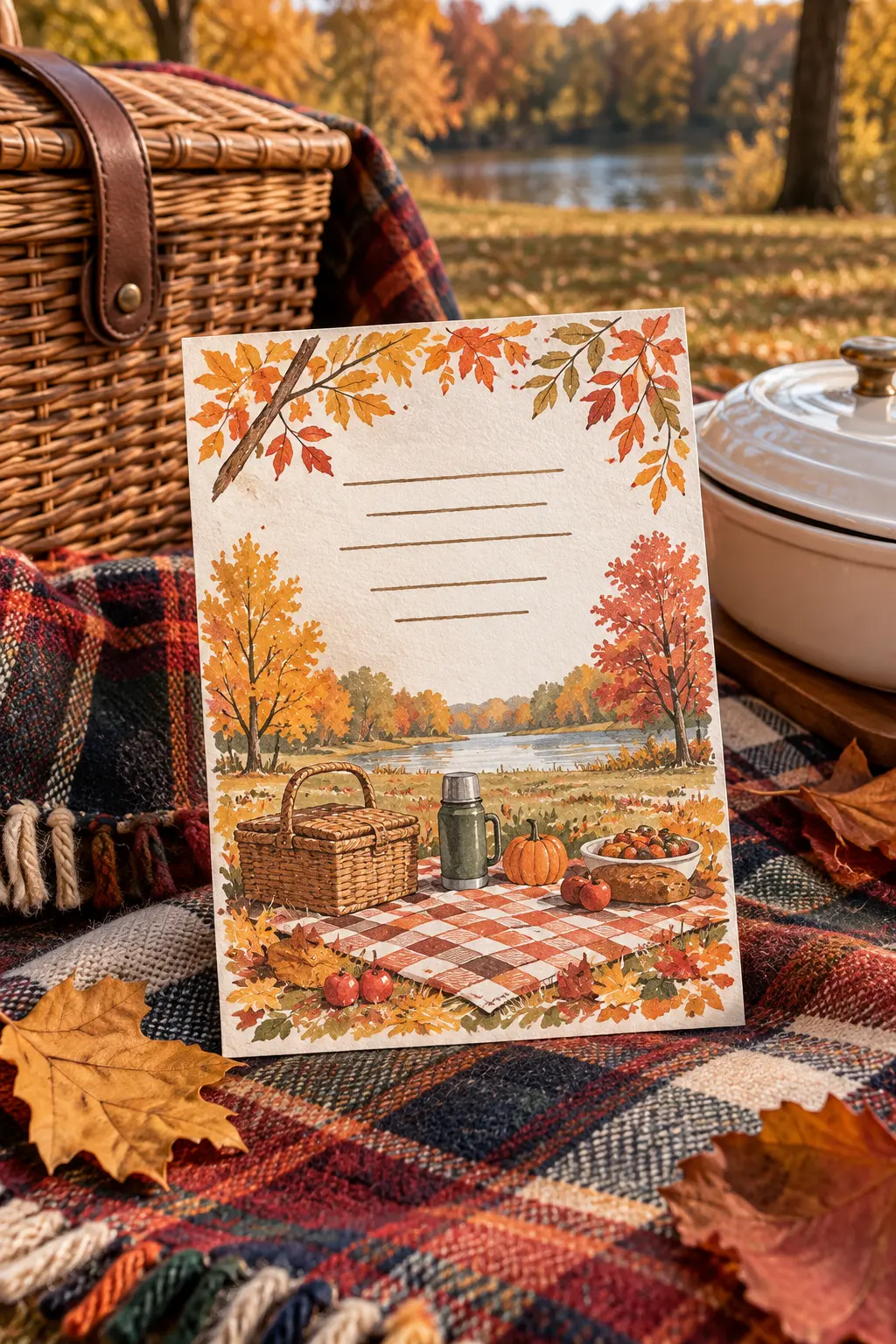
Include the exact park meeting point, what seating to bring, food-transport expectations, and the rain plan. Favor dishes that travel well and do not need to remain hot for long.
44. Make It a Pajamas-and-Movie Night
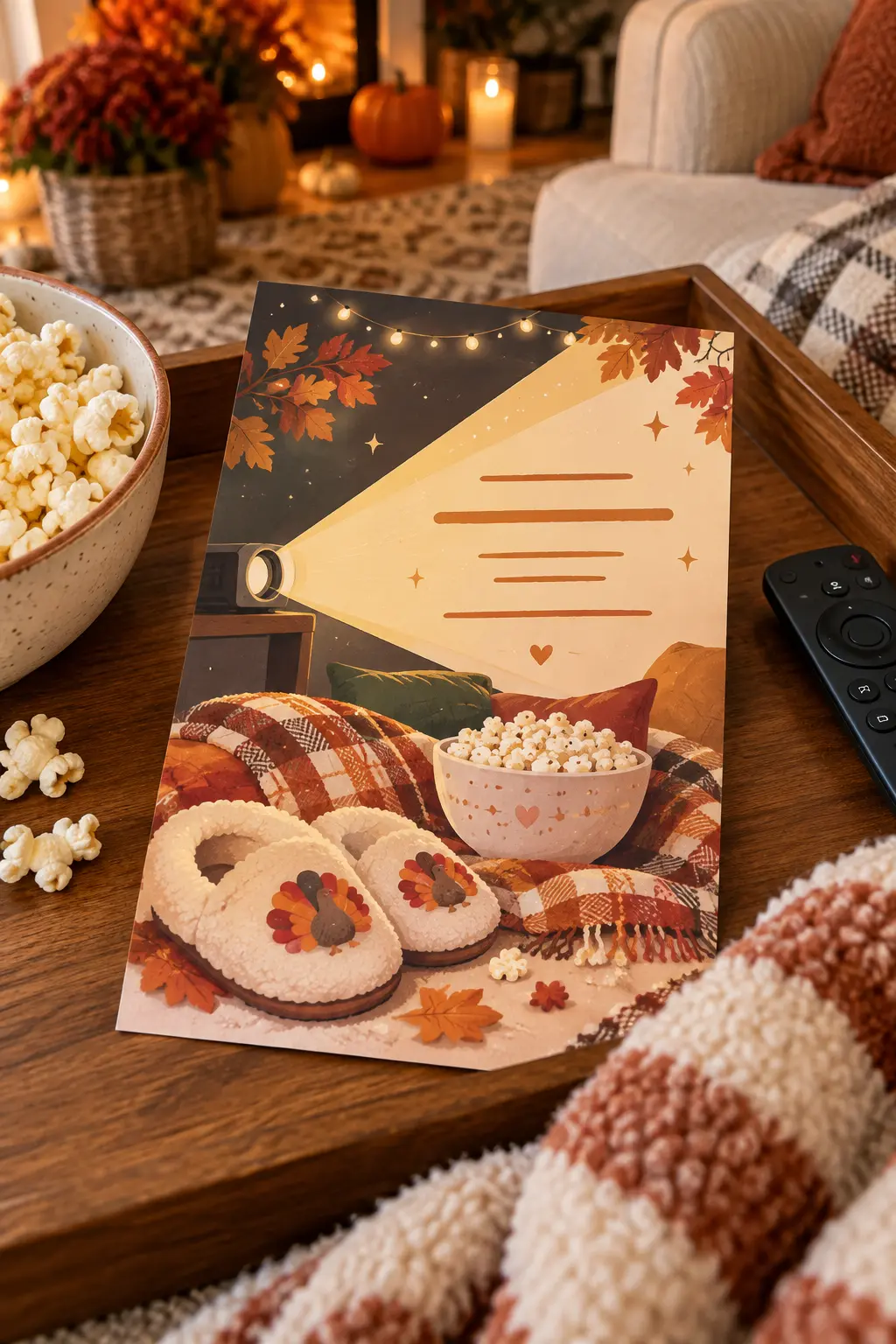
Invite guests to wear comfortable clothes and vote on the movie before the party. A snack-style menu and flexible arrival window suit this low-pressure format better than a formal meal time.
45. Map Out a Progressive Dinner
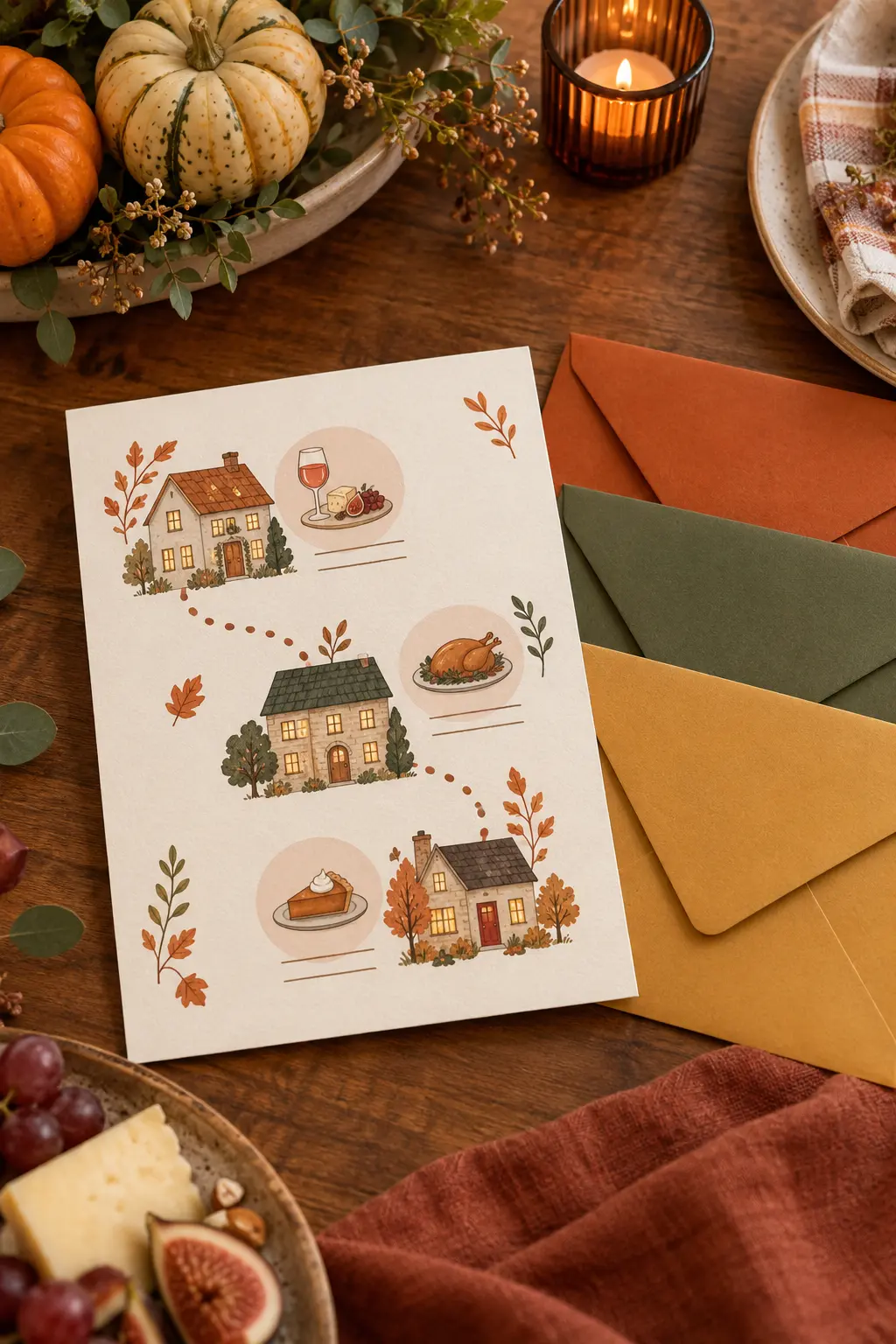
List each home, course, address, and transition time in the same invitation. Confirm transportation and accessibility before choosing the route, and assign one person to keep the group moving.
46. Create a Hybrid Table for Faraway Friends
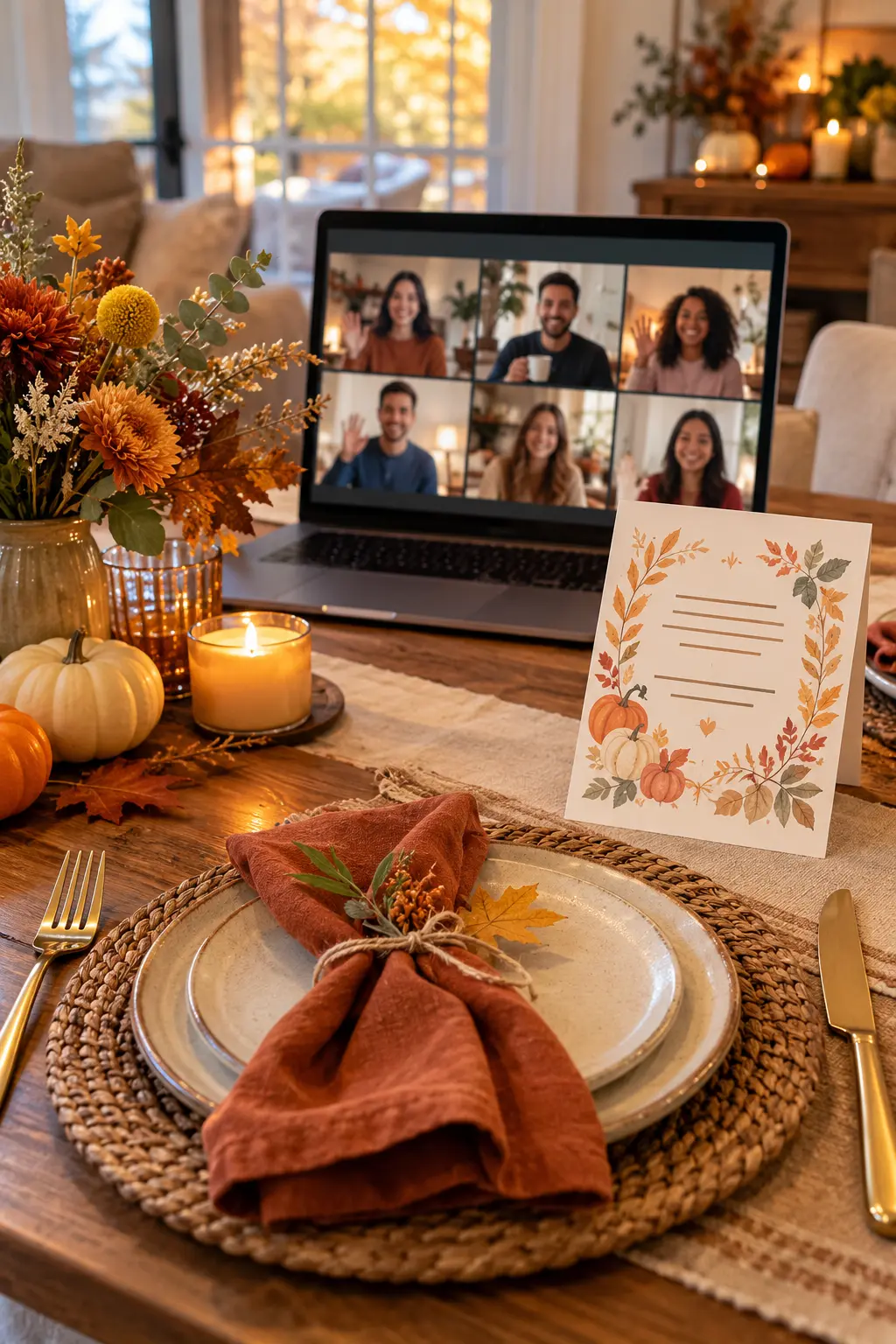
Give remote guests a clear video link, time zone, and short window when everyone will connect. Plan one shared activity, such as a toast or recipe reveal, so the online portion feels included rather than incidental.
Friendsgiving Invites for Different Guest Groups
The most useful invitation anticipates what this particular group needs to know. Adjust the tone, timing, and response questions instead of sending the same template to everyone.
47. Keep a Coworker Invite Warm but Polished
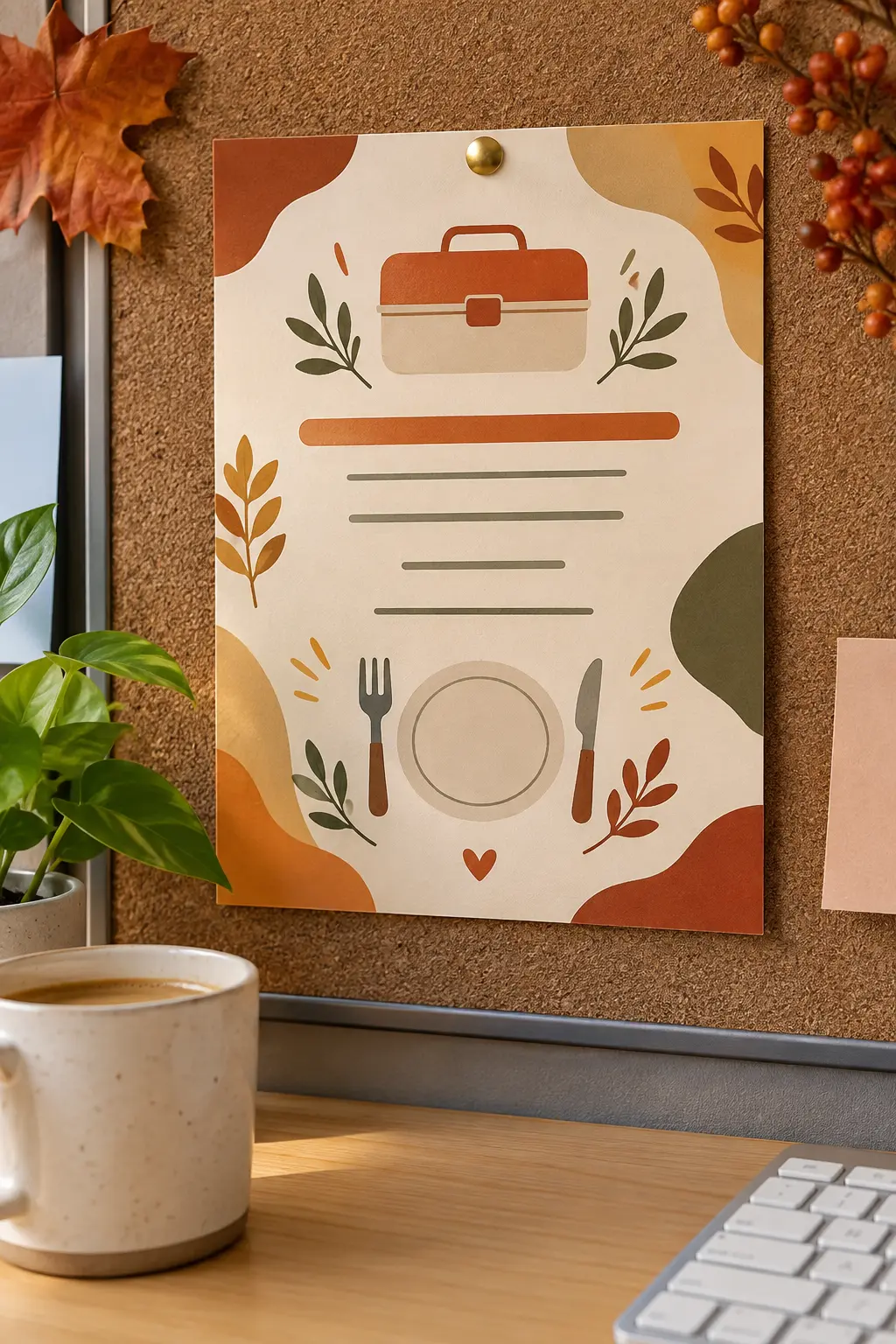
Use an inclusive tone and make it clear that attendance and food contributions are optional. If the event happens at work, note the lunch window, shared kitchen limits, and where dishes should be labeled.
48. Welcome the Neighborhood to One Table
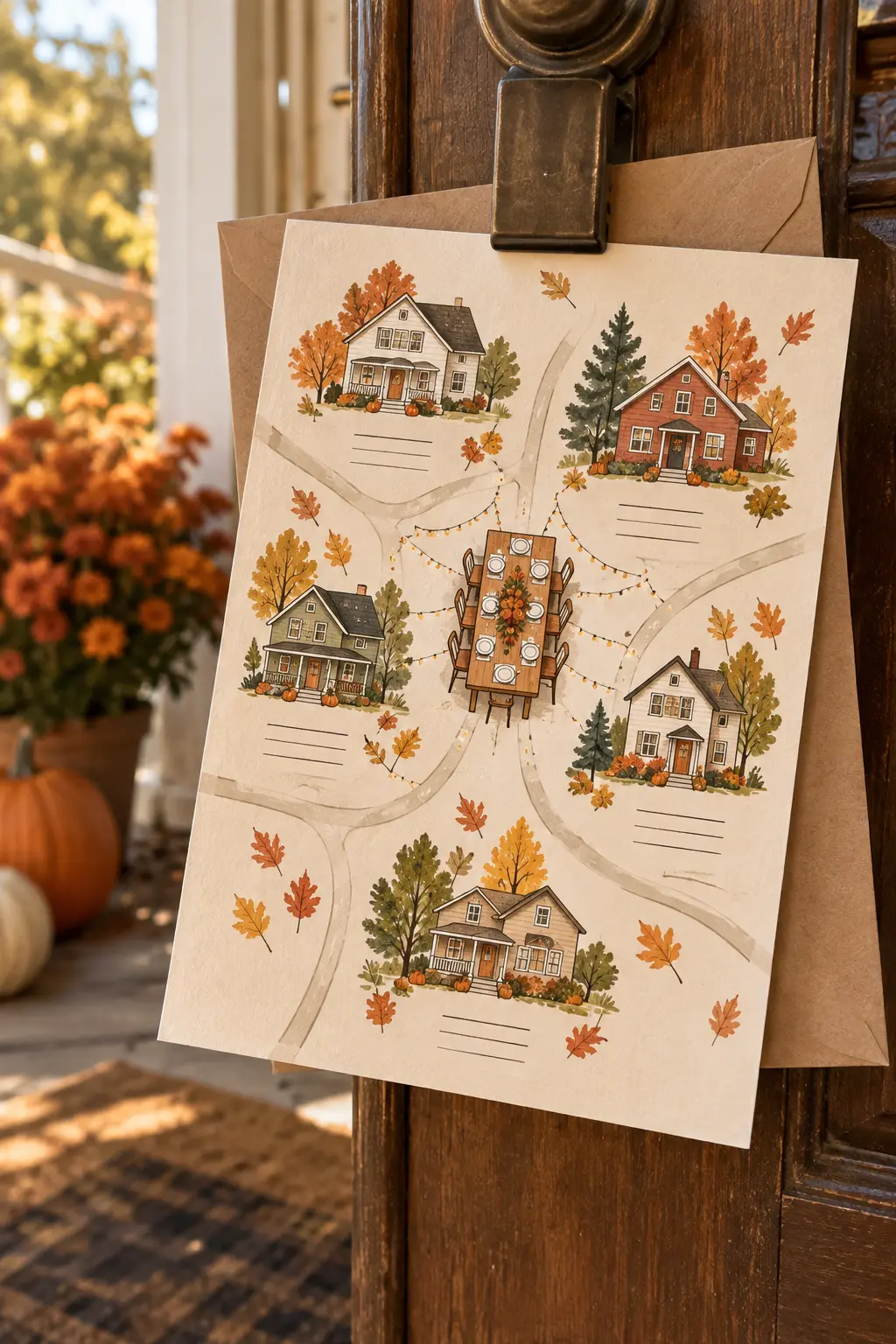
A door-delivered card can feel more personal than a neighborhood group post. Include a phone or email RSVP option and clarify whether children, partners, and new neighbors are welcome.
49. Plan a Student-Friendly Budget Feast
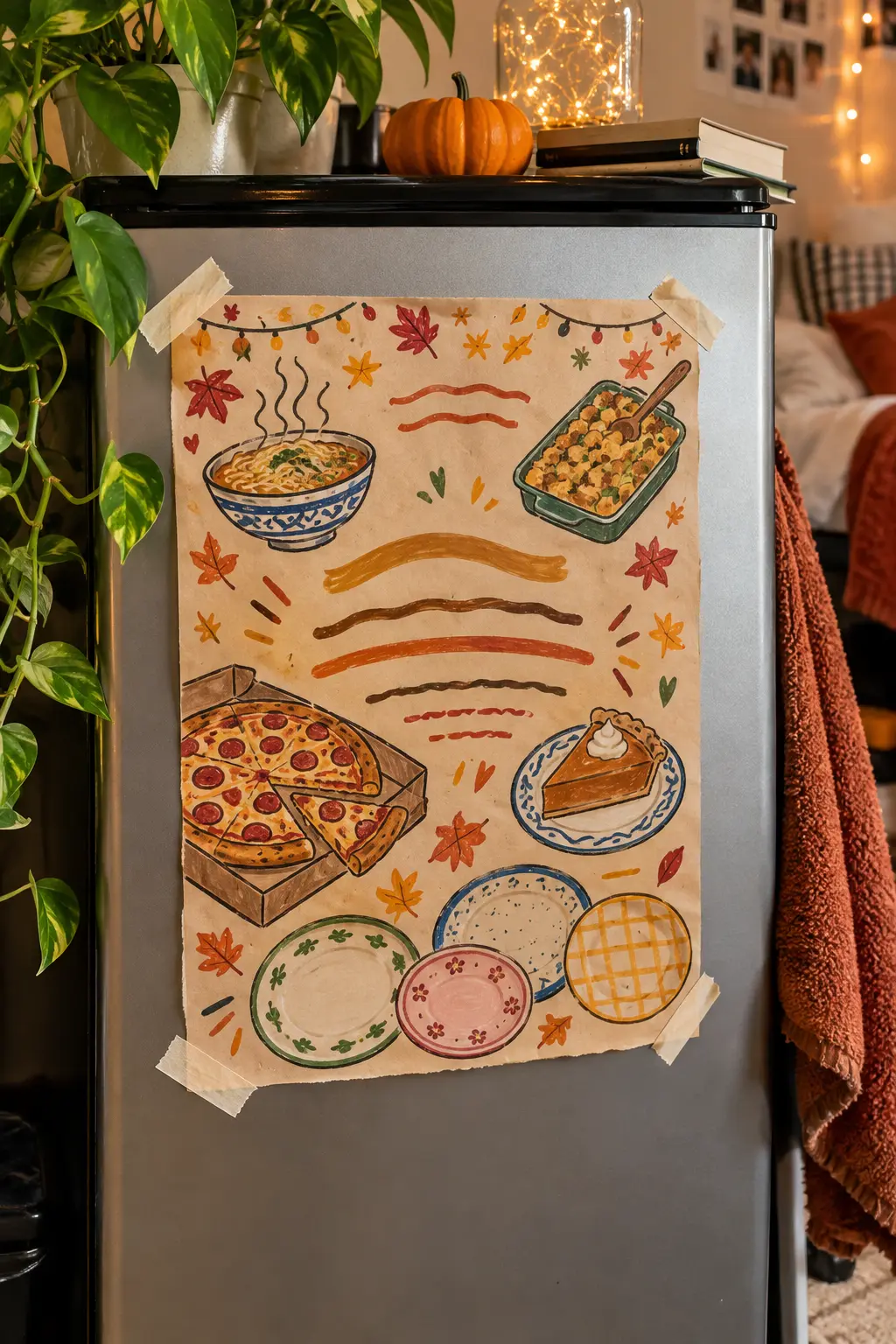
Tell guests that store-bought food, simple snacks, and nonfood help are all valid contributions. Coordinate access to dorm kitchens and avoid assuming everyone has cookware, transportation, or extra money.
50. Make the Gathering Easy for Families
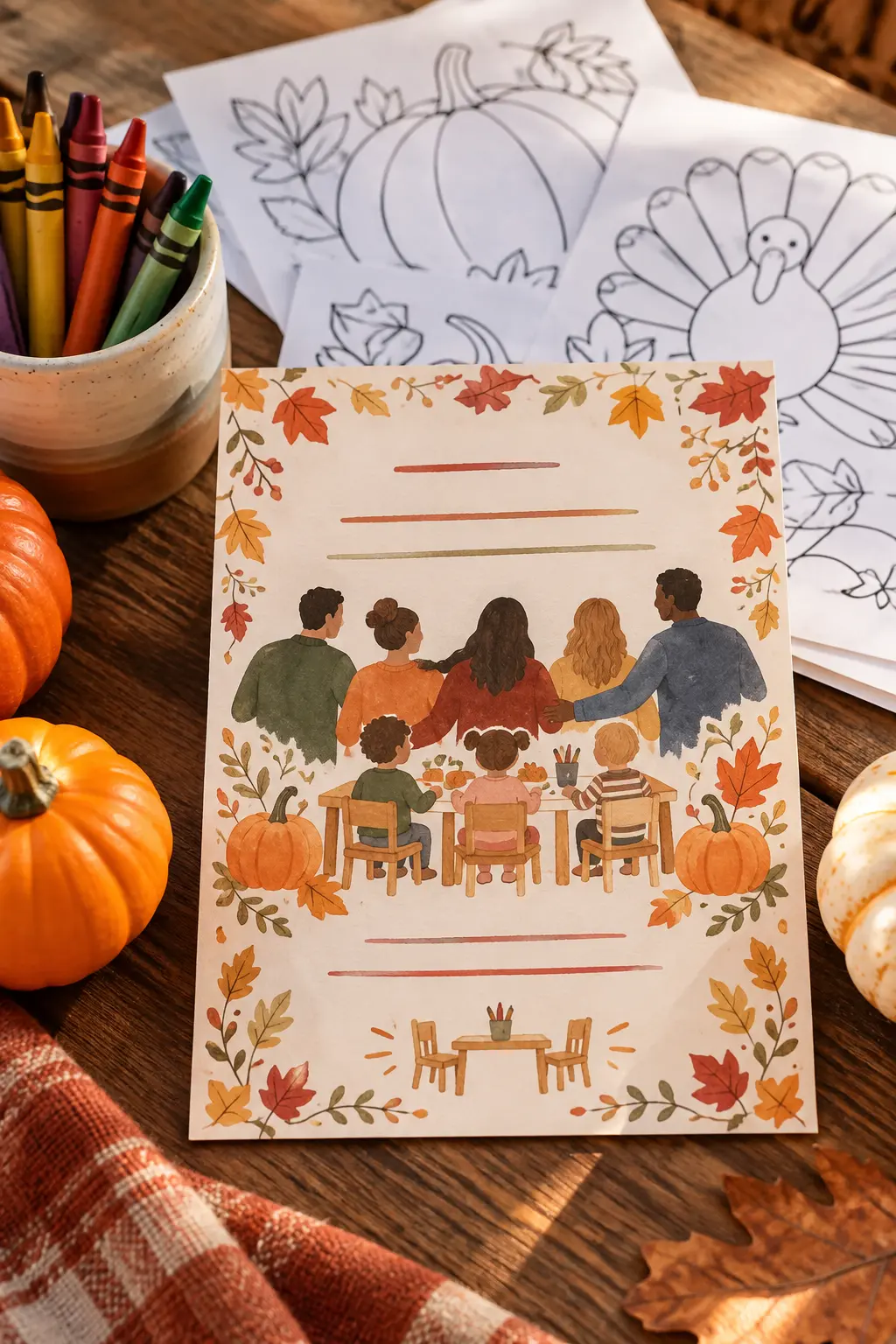
State the meal time, planned end time, and whether high chairs or a kids' table are available. Invite parents to share allergy or nap-schedule needs privately when they RSVP.
51. Handle Plus-Ones Without Ambiguity
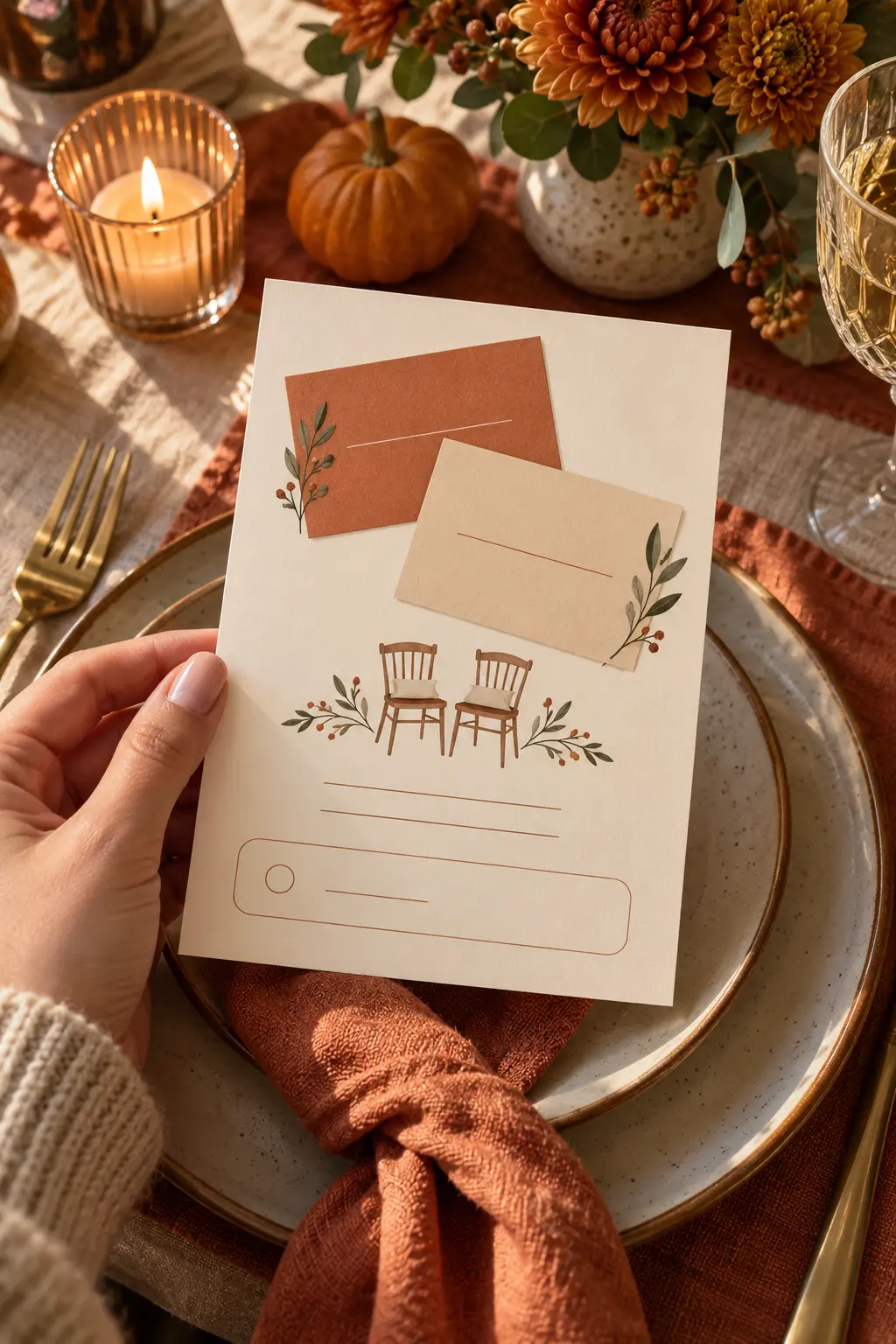
Say directly whether each guest may bring a partner or friend, and ask for the person's name and dietary needs with the RSVP. This keeps seating and food counts accurate without awkward follow-up messages.
Low-Cost and Handmade Friendsgiving Invites
A memorable invitation does not need specialty printing. These ideas rely on accessible materials, home printing, or one handcrafted detail.
52. Stamp a Kraft-Paper Invitation
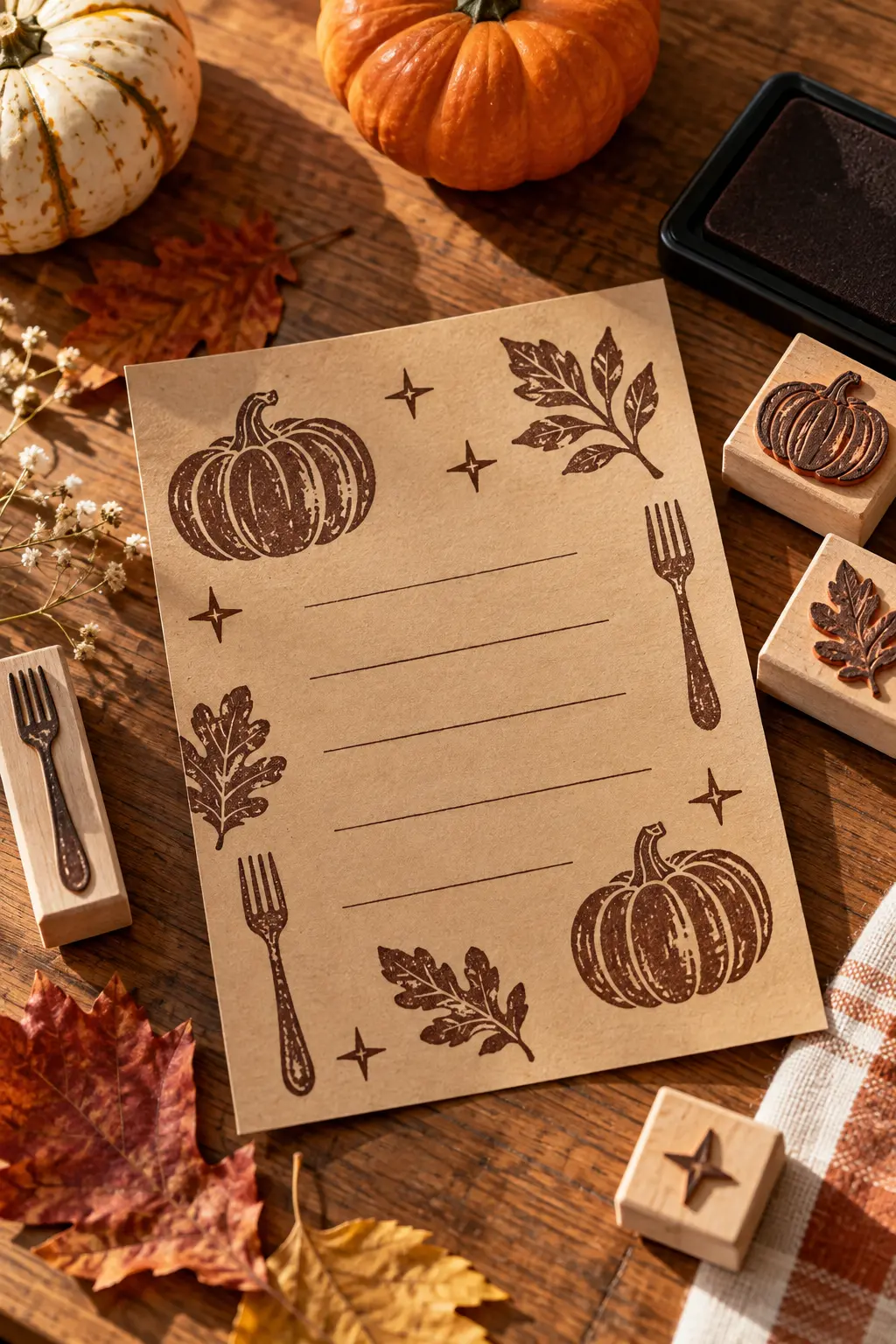
Use one dark ink color and repeat a few simple stamps around the border. Print or handwrite the details in the center, testing the ink first so it dries without smearing.
53. Print a Clean Black-Ink Template at Home
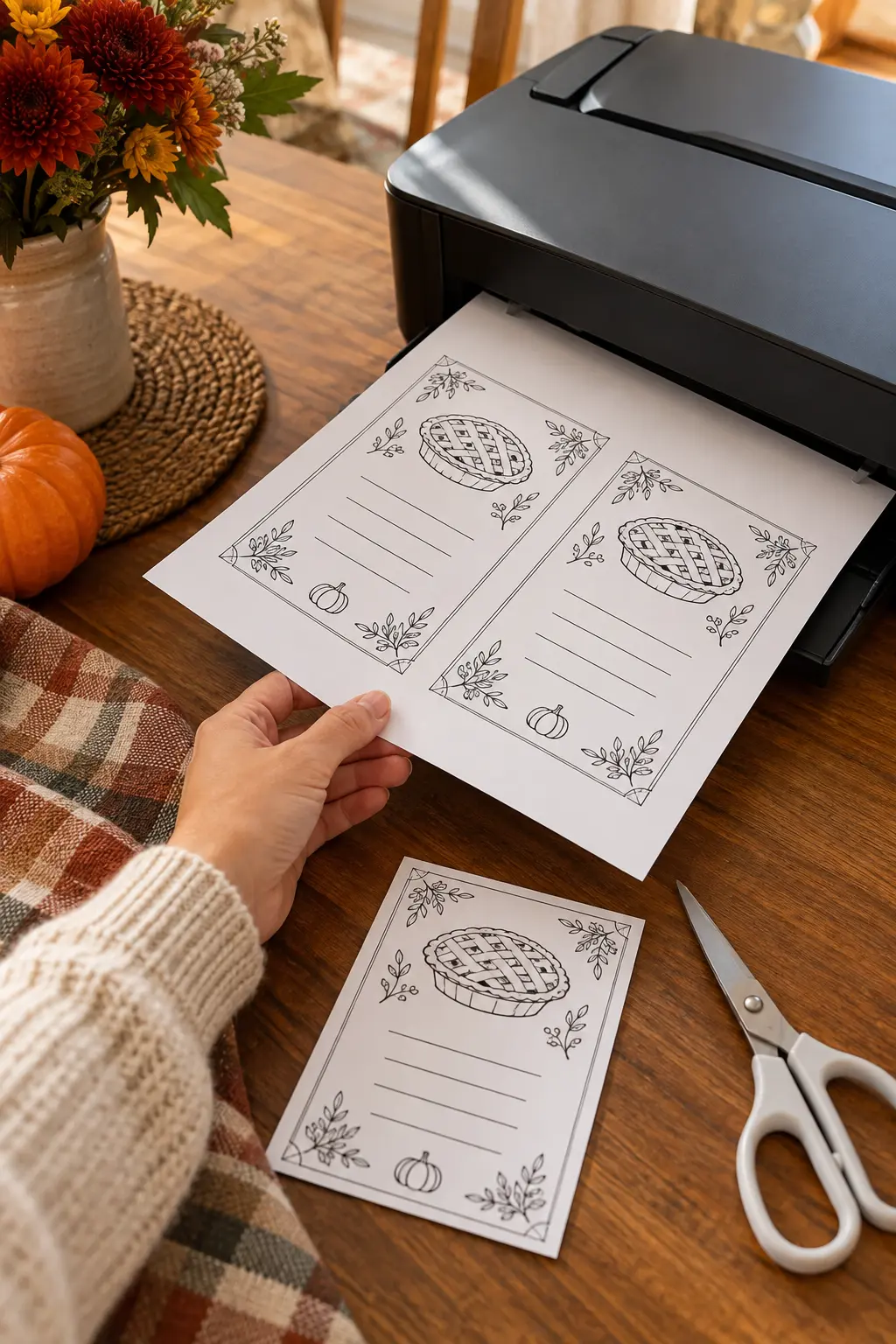
Choose line art that looks crisp on an ordinary home printer and set two invitations on one letter-size sheet. A heavier off-white paper adds warmth without requiring color ink.
54. Assemble a Torn-Paper Collage Invite
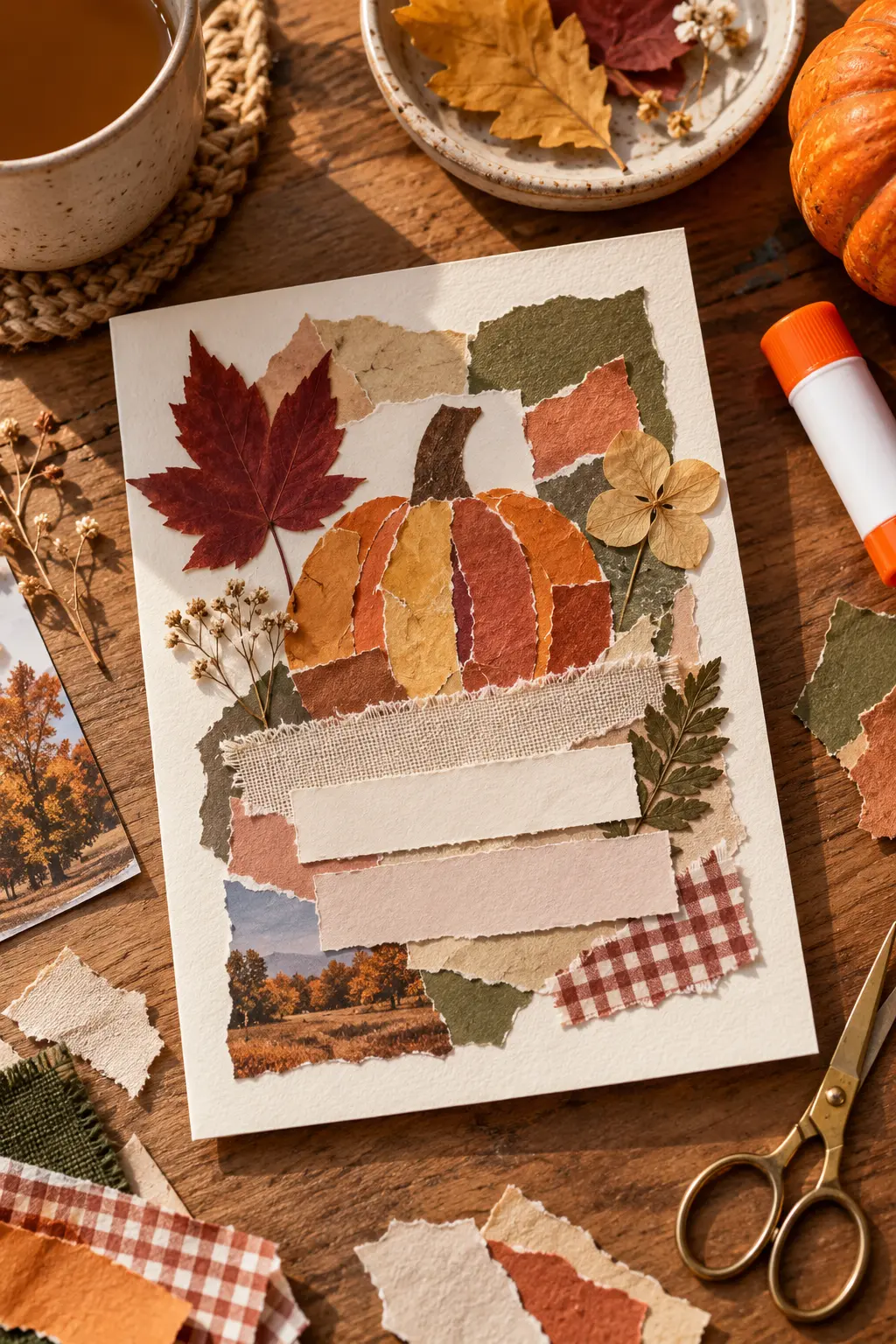
Combine paper scraps, a pressed leaf, and one small piece of fabric around a blank detail panel. Make one original, photograph it in even light, and send the image digitally to avoid recreating every card.
55. Offer a Plantable Seed-Paper Keepsake
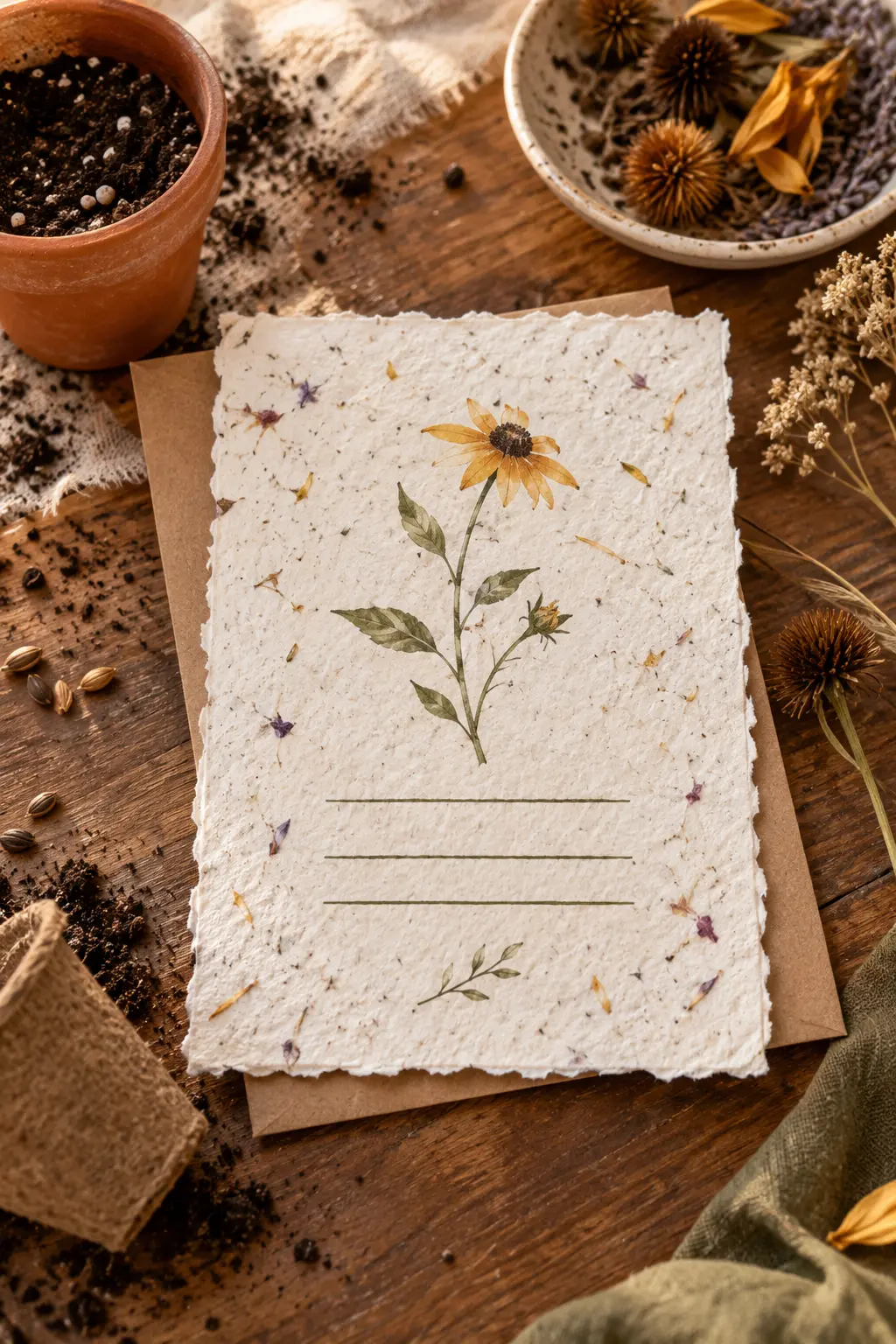
Print a minimal invitation on seed paper for a small guest list and add separate planting directions. Choose seeds suited to your region and avoid making claims about germination that the paper supplier does not support.
Choose the Invite That Makes Responding Easy
The best Friendsgiving invite sounds like your group and answers the practical questions before they become a long message thread. Pick one format and one visual direction, then confirm the date, address, meal time, RSVP deadline, food plan, and any guest expectations.
Once the invitation is sent, keep updates in the same place and follow up personally with anyone who may have missed it. A clear, welcoming invitation gives the gathering a relaxed start long before the first dish reaches the table.
This post may contain affiliate links: full affiliate disclosure.